Homotypic Transposable Element Pairing May Drive Coherent Chromatin Folding
Max Myakishev-Rempel

TL;DR
This study explores how transposable elements in the genome may help organize chromatin by forming physical pairs of identical elements.
Contribution
The study reveals novel patterns of transposable element pairing that correlate with chromatin contacts and suggests a role in chromatin folding.
Findings
Transposable elements are enriched at chromatin contact points and depleted in contact-poor regions.
Ancient transposable element families prefer homotypic pairing, while younger families avoid it.
Homotypic transposable element pairs may be sequestered in protein-protected compartments.
Abstract
Background/Objectives: Transposable elements comprise over 50% of the human genome, yet their role in chromatin organization is insufficiently studied. This study was motivated by the hypothesis that transposable elements drive chromatin contacts through homotypic coupling—that is, pairs of identical TEs physically pull genomic regions together. Methods: Analyzing public Micro-C and Hi-C datasets, I compared focal contact areas that stand out from low backgrounds against contact-depleted regions at kilobase resolution. Results: I discovered that transposable elements show enrichment at these focal contact points and even stronger depletion in contact-poor regions. Ancient mammalian transposable element families (MIR, L2) preferentially form homotypic pairs at chromatin contacts, while young primate-specific families (Alu, SVA) actively avoid homotypic pairing. The depletion of homotypic…
Genes, proteins, chemicals, diseases, species, mutations and cell lines named across the full text — each resolved to its canonical identifier and authoritative record.
Click any figure to enlarge with its caption.
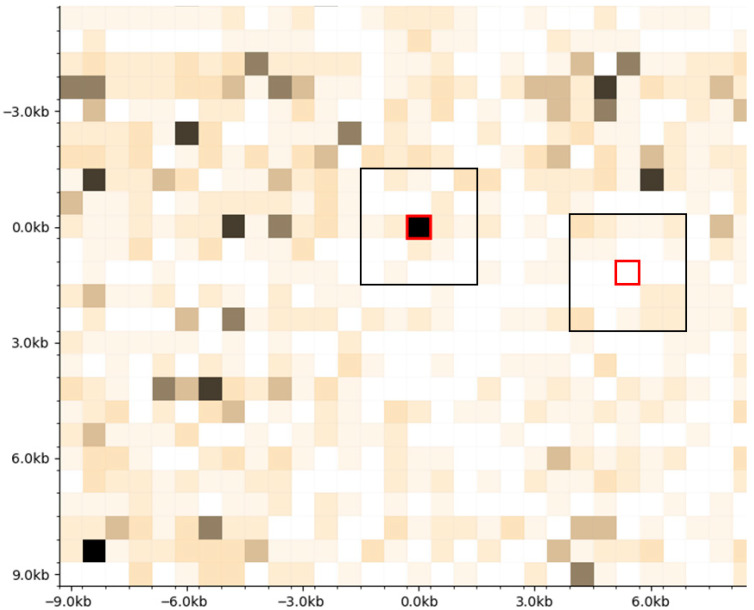 Figure 1
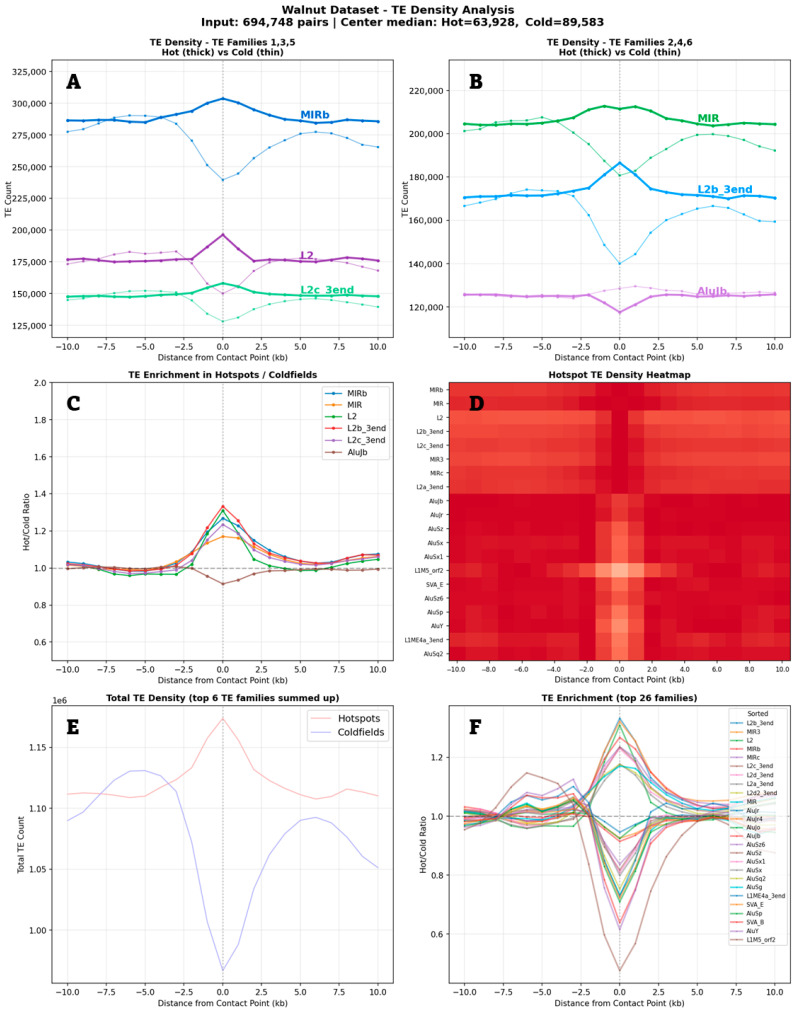 Figure 2
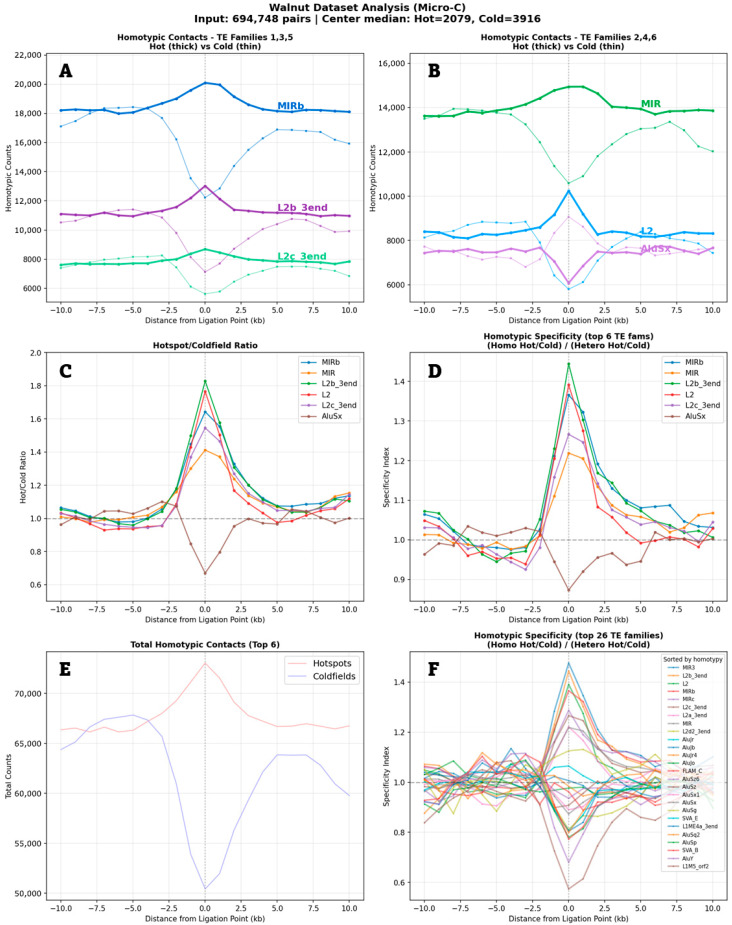 Figure 3
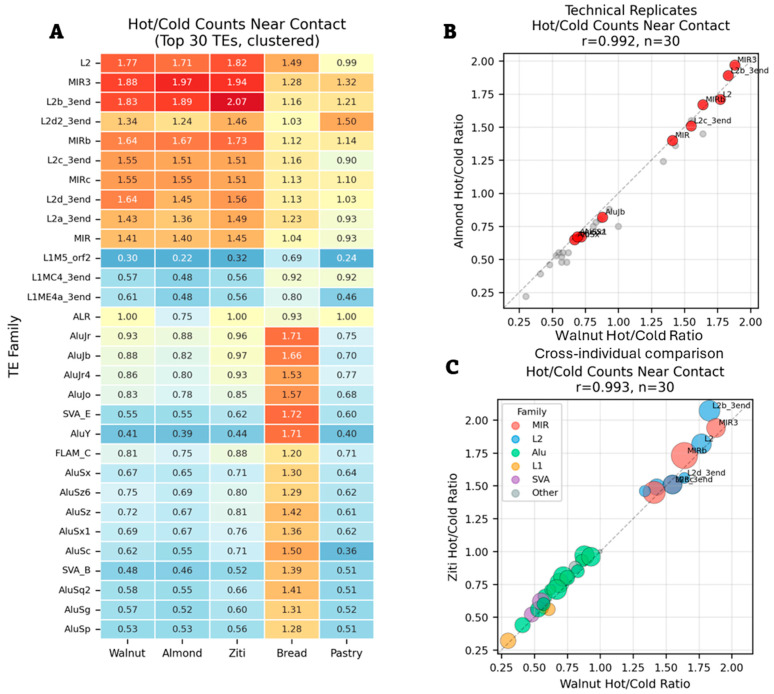 Figure 4
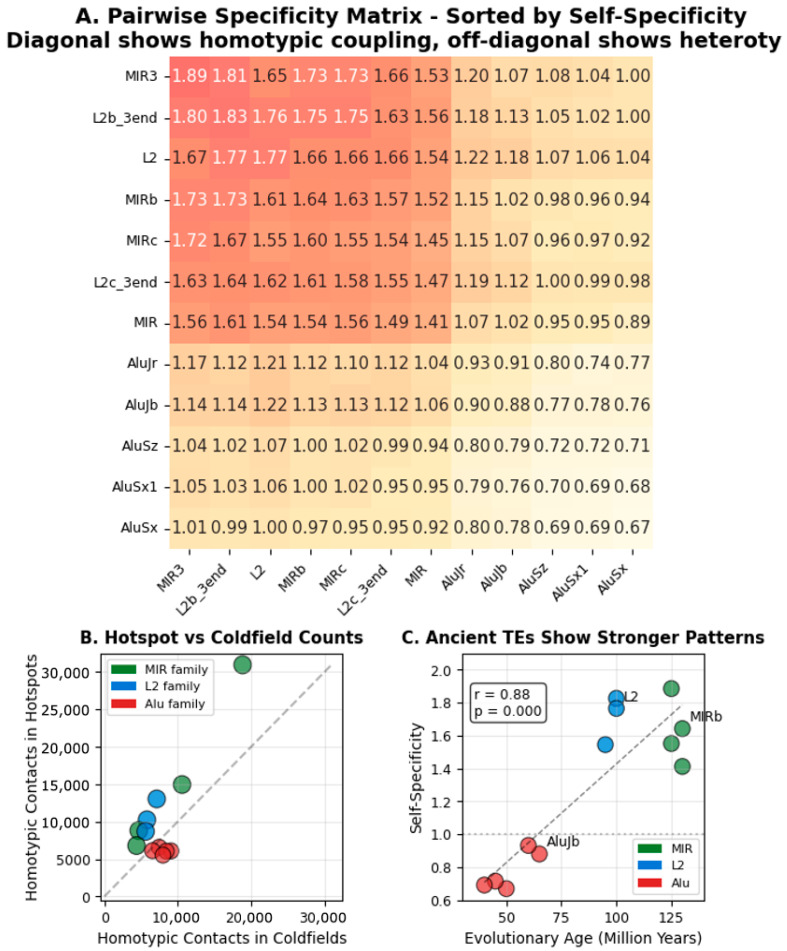 Figure 5
Peer Reviews
No public reviews on file for this paper yet. If you reviewed it on a platform where reviews are public (OpenReview, ICLR, NeurIPS, ICML), you can paste yours below so the community can read it here.
Videos
No videos yet. Explain this paper in a talk, walkthrough, or lecture? Add one.
Taxonomy
TopicsChromosomal and Genetic Variations · Genomics and Chromatin Dynamics · Genome Rearrangement Algorithms