Molecular Dissection of Permanent vs. Reperfused Ischemia: Multi-Omics Divergence and Precision Therapeutic Implications
Zhiyong Shen, Yuxian Li, Tengfei Zhu, Ting Yang, Shiyu Zhou, Qian Liu, Qiong Lu, Dongyan Jing, Haiou Jiang, Jie Li, Xiao-Liang Xing

TL;DR
This study compares molecular changes in cerebral ischemia with and without reperfusion, revealing distinct patterns that could lead to better stroke treatments.
Contribution
The study reveals unique proteomic and transcriptomic signatures of reperfusion injury, highlighting post-transcriptional regulation and novel therapeutic targets.
Findings
IRI shows extensive proteomic changes (160 proteins) with minimal transcriptional changes (3 genes), indicating post-transcriptional regulation.
IRI uniquely activates neuroprotective genes and reperfusion-related pathways, including upregulation of Mmp3 and 72 specific proteins.
Transcriptomic and proteomic profiles have low correlation (r = 0.014), emphasizing the role of protein dynamics in IRI.
Abstract
Objective: Cerebral ischemia–reperfusion injury (IRI) is a distinct pathological phase that differs from permanent ischemia (IR) in that it triggers secondary damage despite the restoration of blood flow. The primary objective of this study is to comprehensively characterize and compare the molecular signatures—such as differential gene expression, protein activation, and metabolic alterations—between IRI and IR. By doing so, we aim to identify key pathways and biomarkers that specifically drive IRI and IR pathology, thereby providing novel therapeutic targets to mitigate reperfusion-induced damage in stroke and related neurological conditions. Methods: We employed an integrated transcriptomic and proteomic approach to compare a permanent ischemia model (IR, 24 h ischemia) with a reperfusion model (IRI, 1 h ischemia + 24 h reperfusion), using SHAM-operated animals as controls. Results:…
Genes, proteins, chemicals, diseases, species, mutations and cell lines named across the full text — each resolved to its canonical identifier and authoritative record.
Click any figure to enlarge with its caption.
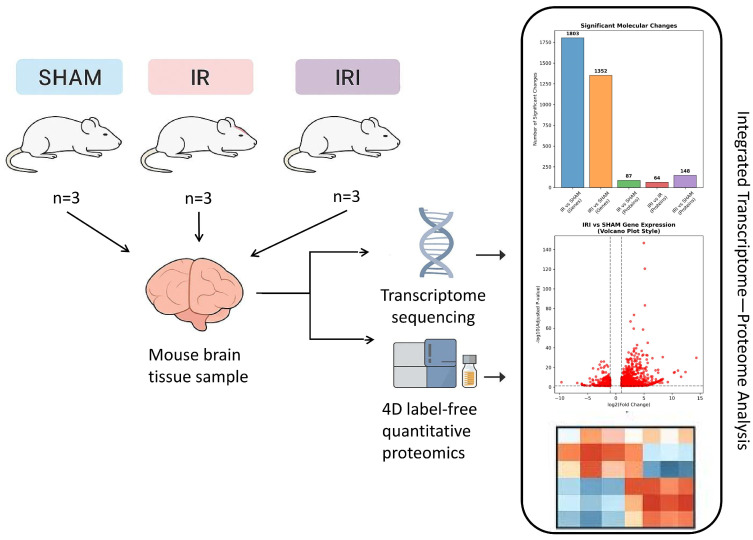 Figure 1
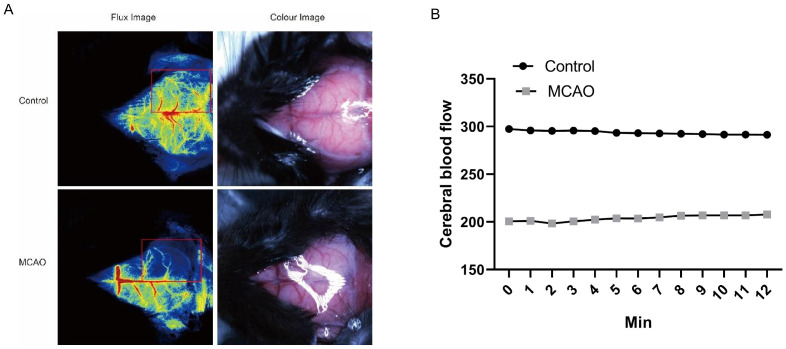 Figure 2
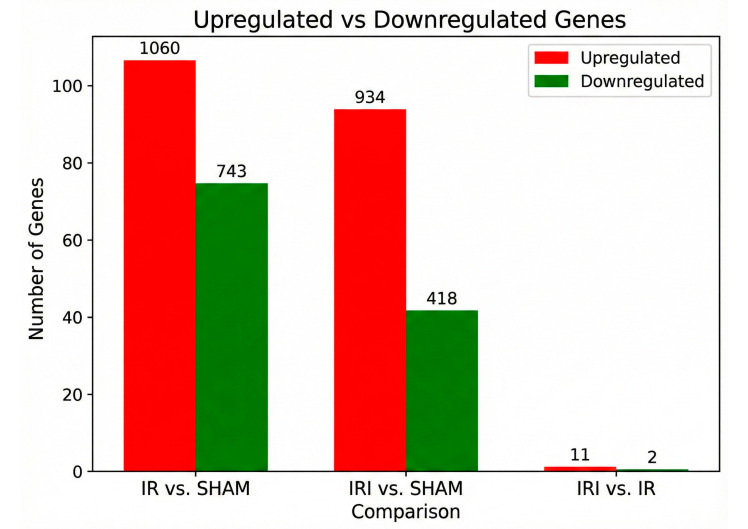 Figure 3
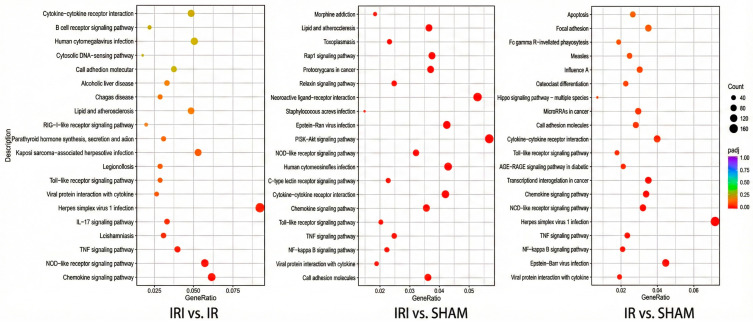 Figure 4
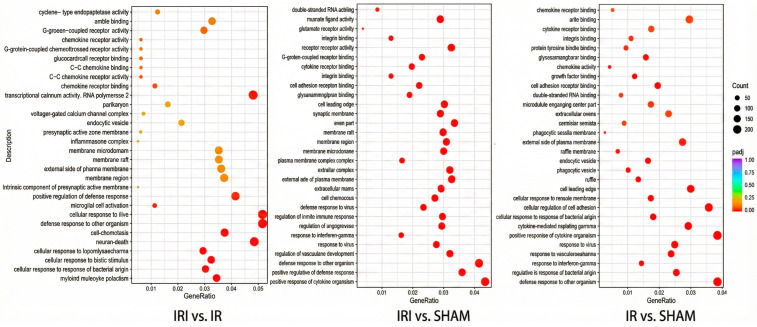 Figure 5
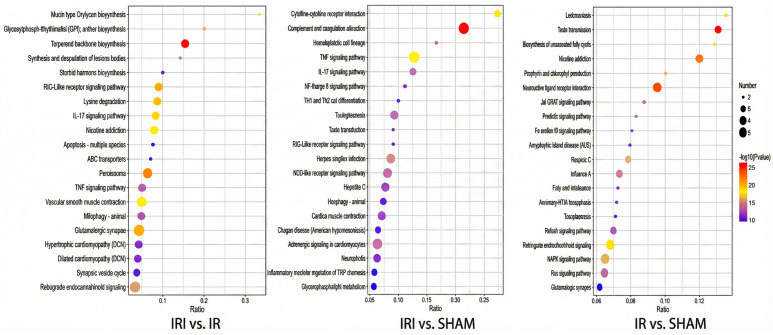 Figure 6
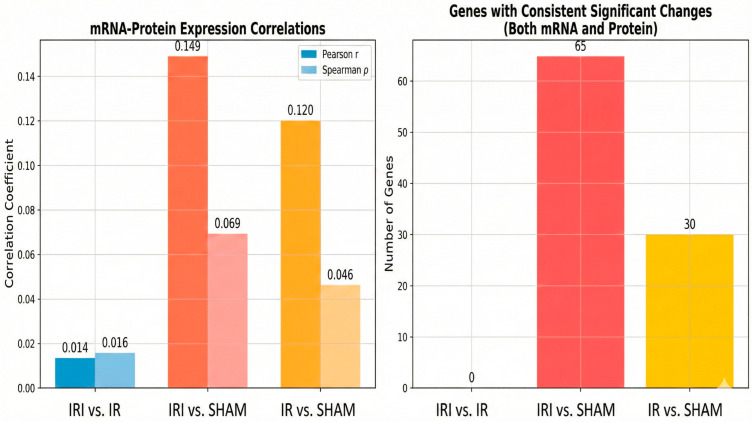 Figure 7
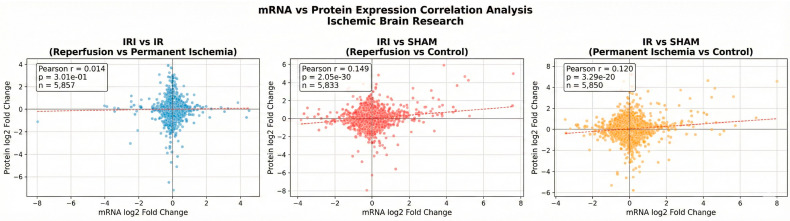 Figure 8
Peer Reviews
No public reviews on file for this paper yet. If you reviewed it on a platform where reviews are public (OpenReview, ICLR, NeurIPS, ICML), you can paste yours below so the community can read it here.
Videos
No videos yet. Explain this paper in a talk, walkthrough, or lecture? Add one.
Taxonomy
TopicsNeurological Disease Mechanisms and Treatments · Neuroinflammation and Neurodegeneration Mechanisms · Barrier Structure and Function Studies