Unveiling Distinctive Eye Tracking Markers to Distinguish Toddlers with High-Risk Autism as Indicated by ADOS Within an Elevated-Likelihood Toddler Sample
Orsolya Pachner, Péter Soltész, Ferenc Gombos, Patrícia Gerván

TL;DR
This study uses eye tracking to find early signs of autism in toddlers by analyzing how they look at social and non-social stimuli.
Contribution
The study introduces new eye tracking variables and stimulus materials that effectively distinguish toddlers at high and low risk for autism based on ADOS scores.
Findings
Toddlers with higher ADOS scores showed distinct gaze patterns in social and non-social domains compared to those with lower scores.
Variables like gaze retention interval (GRI) and AOI ratios were effective in differentiating groups and correlating with ADOS severity.
Combining GRI and AOI measures improved the ability to detect autism risk in young children.
Abstract
Background: Eye tracking technology can be utilized to identify early markers of autism. Several neurodivergent features of social attention have been revealed by eye tracking studies in ASD toddlers. Our aim was to develop stimulus material that elicits highly distinctive gaze patterns in toddlers at low and high risk for autism as indicated by ADOS (i.e., scoring below and above the ADOS cut-off point). Additionally, we sought to identify the variables most effective in differentiating between these groups. Methods: In our research, we analyzed the data of 74 toddlers between 12 and 30 months. Children were divided into two groups based on their ADOS scores: the lower ADOS (lrADOS) group included those scoring below the ADOS cut-off point (n = 42; mean age = 22.5 ± 5.0 months), while the higher ADOS (hrADOS) group comprised children scoring above the cut-off (n = 32; mean age = 23.3 ±…
Genes, proteins, chemicals, diseases, species, mutations and cell lines named across the full text — each resolved to its canonical identifier and authoritative record.
Click any figure to enlarge with its caption.
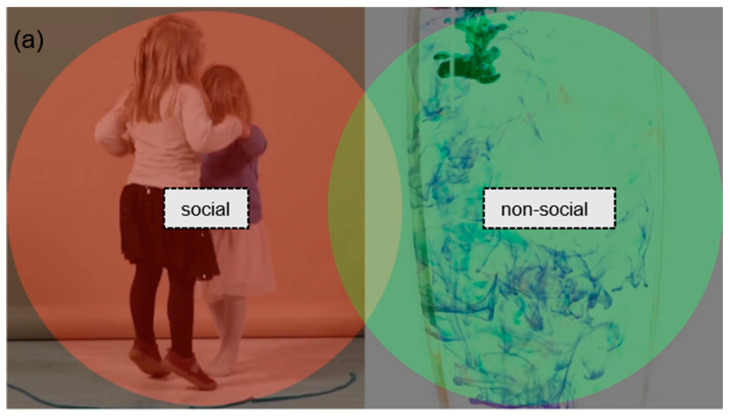 Figure 1
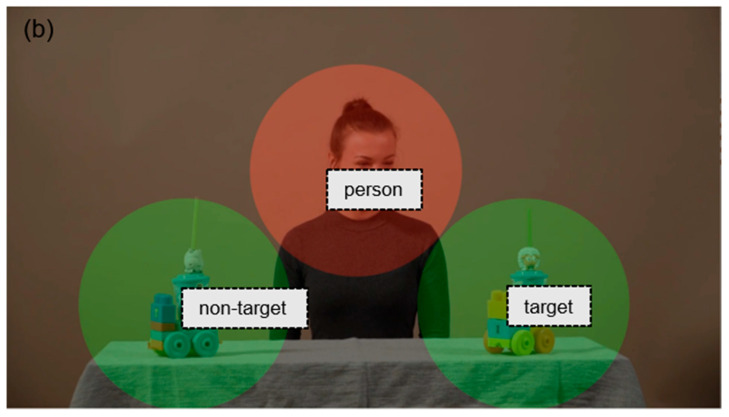 Figure 2
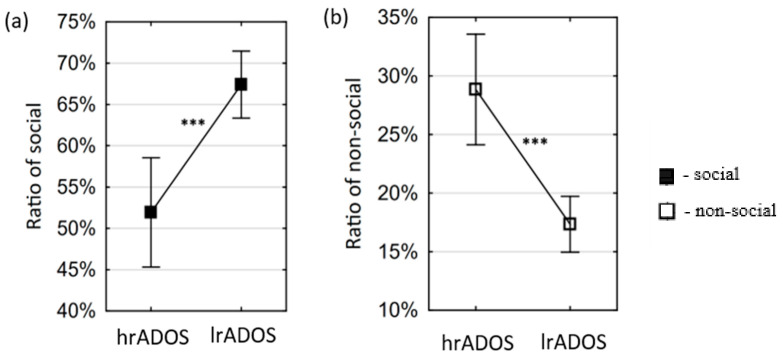 Figure 3
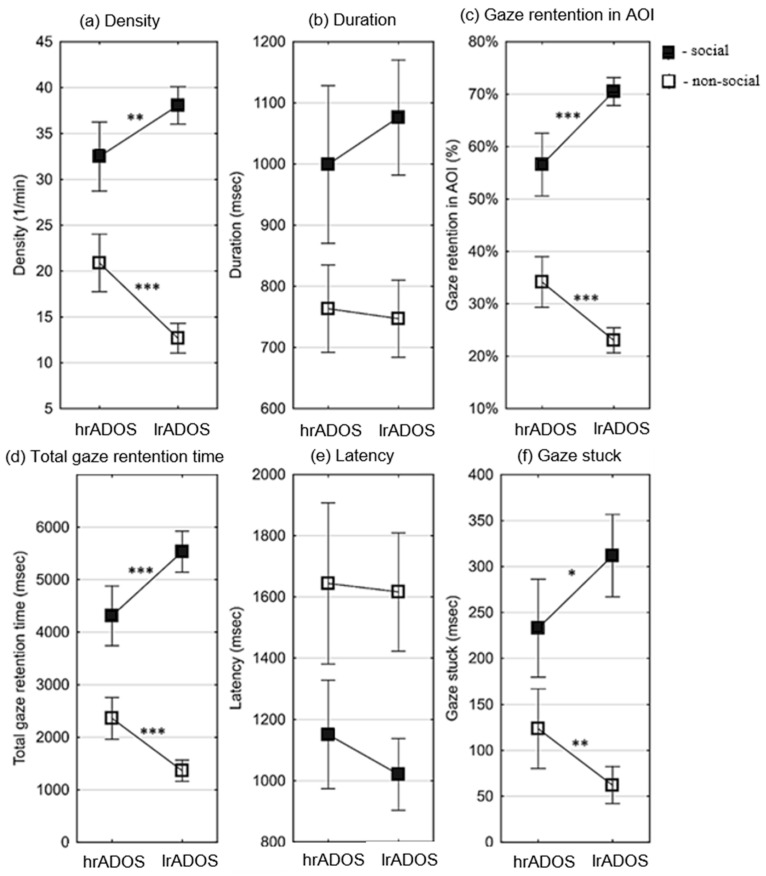 Figure 4
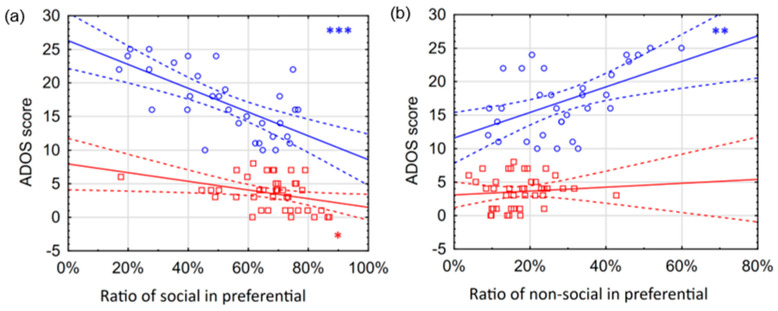 Figure 5
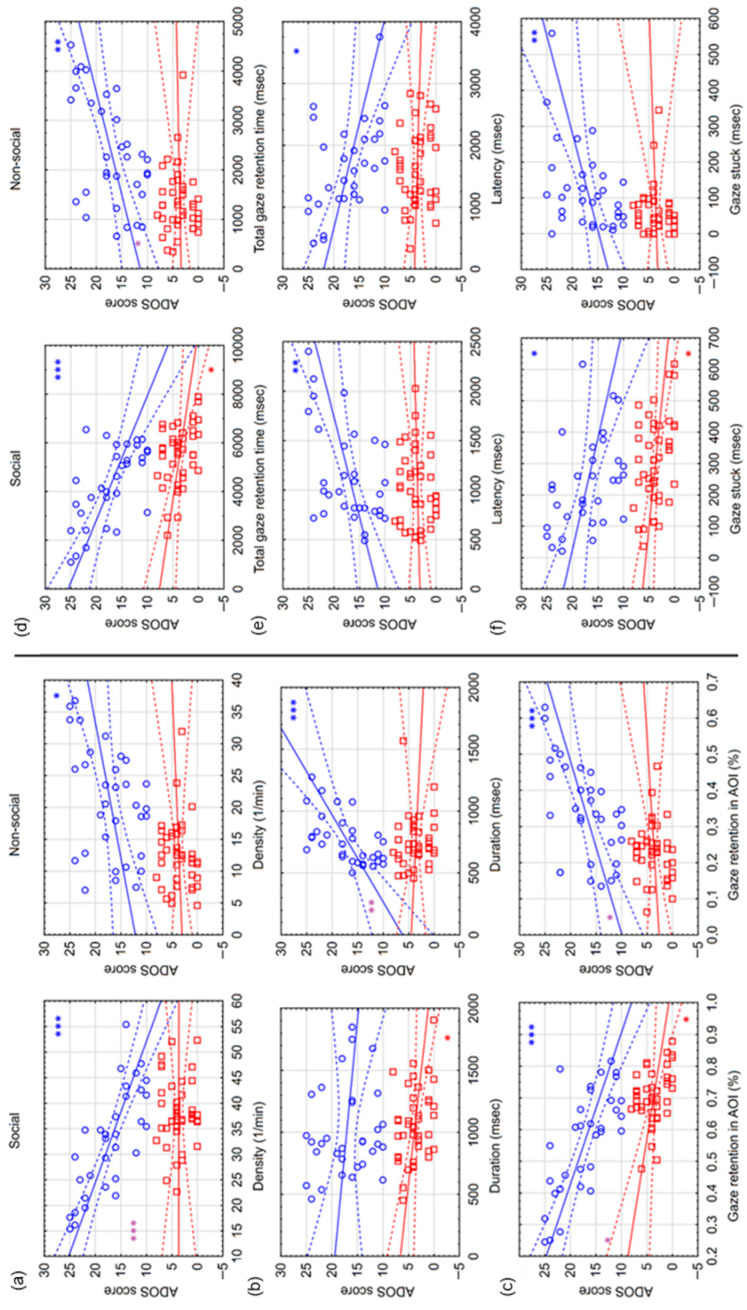 Figure 6
Peer Reviews
No public reviews on file for this paper yet. If you reviewed it on a platform where reviews are public (OpenReview, ICLR, NeurIPS, ICML), you can paste yours below so the community can read it here.
Videos
No videos yet. Explain this paper in a talk, walkthrough, or lecture? Add one.
Taxonomy
TopicsAutism Spectrum Disorder Research · Family and Disability Support Research · Child Nutrition and Feeding Issues