Uric Acid: A New Perspective for Exploring the Pathological Process of Anthracycline-Induced Cardiotoxicity
Yifei Rao, Yu Wang, Yadi Liu, Jinjian Huang, Xueli Ding, Zhijian Lin, Bing Zhang, Xiaomeng Zhang

TL;DR
This study explores how elevated uric acid levels contribute to heart damage caused by anthracycline chemotherapy, suggesting that lowering uric acid could help prevent this toxicity.
Contribution
The study identifies uric acid as a potential contributor to anthracycline-induced cardiotoxicity and proposes UA-lowering strategies as a novel prevention approach.
Findings
Elevated uric acid levels were significantly associated with cardiac damage markers in human data.
Animal experiments showed that high uric acid worsens anthracycline-induced cardiotoxicity.
Uric acid clearance in animal models alleviated cardiotoxicity symptoms.
Abstract
Anthracycline’s clinical application is often hampered by severe life-threatening cardiotoxicity, which could result in death in approximately one-third of patients. Previous studies have found that during the anthracycline-induced cardiotoxicity (AIC), uric acid (UA) levels increase abnormally. However, the role of UA in AIC remains elusive. Here, we conducted a correlation analysis between UA and cardiac damage markers (NT-pro-BNP, hs-cTnT, LDH, CRP and hs-CRP) by using the National Health and Nutrition Examination Survey database (NHANES); the results revealed that the elevated UA levels showed significant positive associations with the levels of several cardiac damage markers. Secondly, molecular docking experiments suggested potential binding interactions between UA and BNP, cTnT, CRP, and LDH. Finally, animal experiments were performed to validate this correlation we explored and…
Genes, proteins, chemicals, diseases, species, mutations and cell lines named across the full text — each resolved to its canonical identifier and authoritative record.
Click any figure to enlarge with its caption.
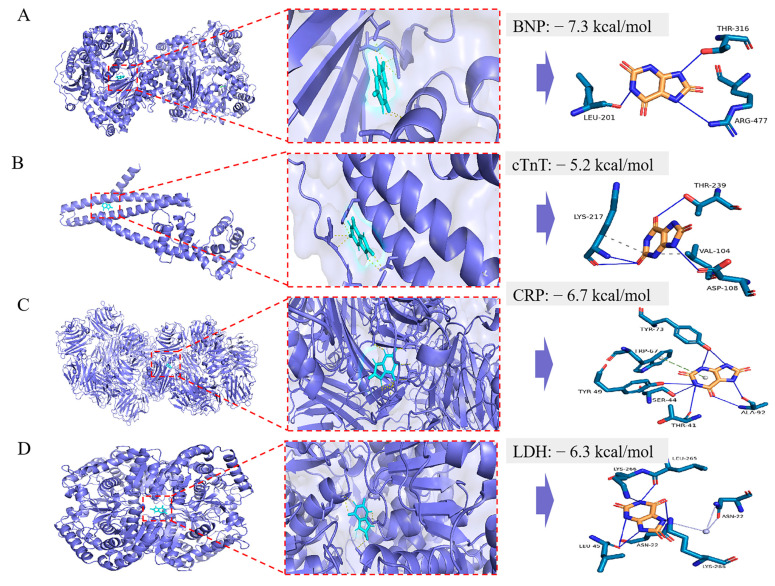 Figure 1
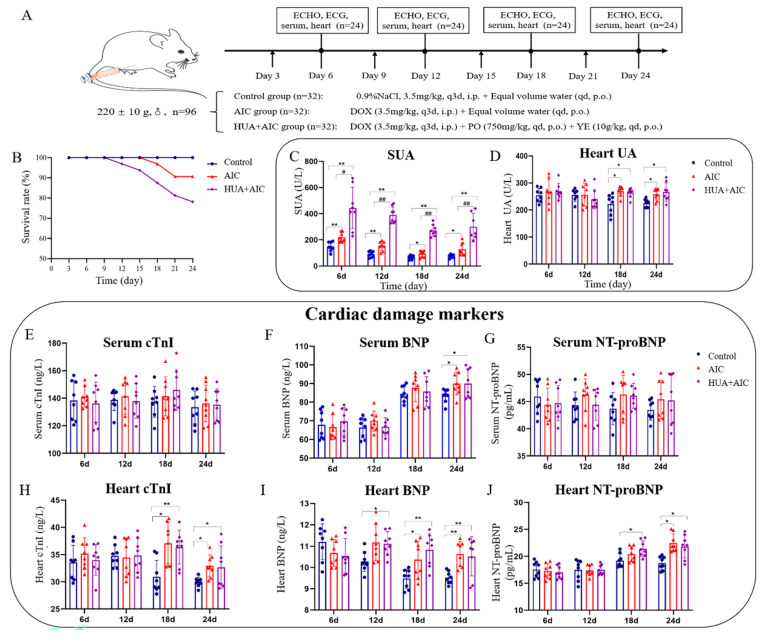 Figure 2
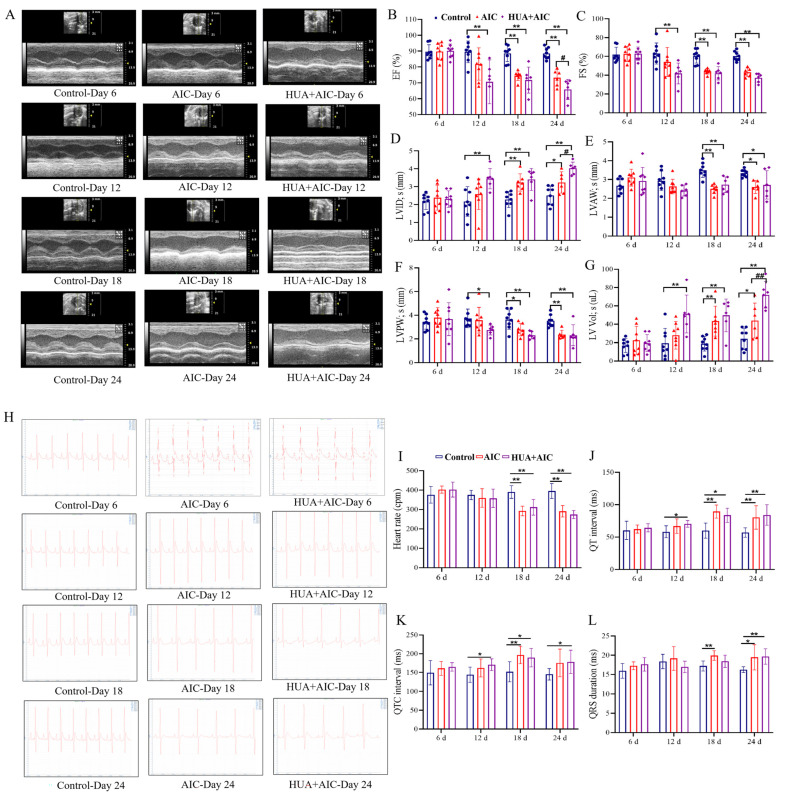 Figure 3
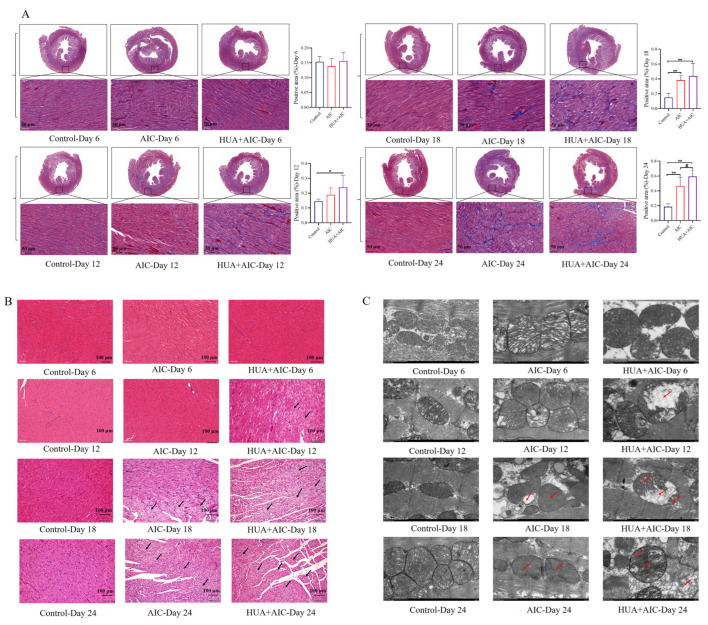 Figure 4
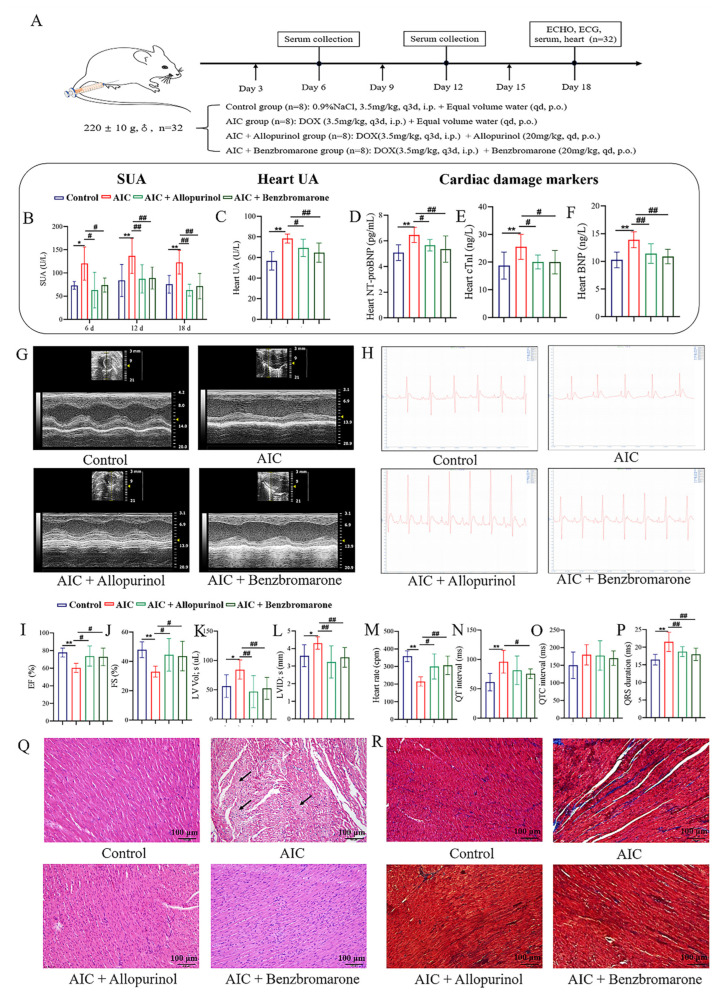 Figure 5
Peer Reviews
No public reviews on file for this paper yet. If you reviewed it on a platform where reviews are public (OpenReview, ICLR, NeurIPS, ICML), you can paste yours below so the community can read it here.
Videos
No videos yet. Explain this paper in a talk, walkthrough, or lecture? Add one.
Taxonomy
TopicsChemotherapy-induced cardiotoxicity and mitigation · Gout, Hyperuricemia, Uric Acid · Chemotherapy-induced organ toxicity mitigation