Sustainable Anisaldehyde-Based Natural Deep Eutectic Solvent Dispersive Liquid–Liquid Microextraction for Monitoring Antibiotic Residues in Commercial Milk and Eggs: A Comprehensive Evaluation of Greenness, Practicality, Analytical Performance and Innovation
Heba Shaaban, Ahmed Mostafa, Abdulmalik M. Alqarni, Marwah Alsalman, Makarem A. Alkhalaf, Mohammad A. Alrofaidi, Abdulaziz H. Al Khzem, Mansour S. Alturki

TL;DR
This study introduces a green and efficient method to detect antibiotic residues in milk and eggs using a sustainable solvent and advanced analytical techniques.
Contribution
A new biodegradable natural deep eutectic solvent-based microextraction method for antibiotic residue analysis in food.
Findings
The method achieved high recoveries (89.5–98.7%) and good linearity (R2 ≥ 0.9982) for antibiotic detection.
Sulfamethoxazole was the most frequently detected antibiotic in 90% of egg and 70.8% of milk samples.
The method was confirmed as green, practical, and innovative using ten evaluation metrics.
Abstract
The widespread use of antibiotics in human medicine, veterinary care, and livestock production has resulted in their frequent detection in diverse environmental and food matrices, making continuous surveillance of antibiotic residues in food products essential for consumer protection. In this study, a sustainable analytical method based on dispersive liquid–liquid microextraction (DLLME) coupled with UHPLC–MS/MS was developed for the trace determination of sulfamethoxazole, sulfadimethoxine, and enrofloxacin in commercial cow milk and chicken eggs. A natural deep eutectic solvent (NADES) composed of anisaldehyde and octanoic acid (2:1, molar ratio) was employed as a biodegradable extraction solvent, and key extraction parameters were systematically optimized. Under optimized conditions, the method demonstrated excellent linearity (R2 ≥ 0.9982), recoveries of 89.5–98.7%, and RSDs ≤…
Genes, proteins, chemicals, diseases, species, mutations and cell lines named across the full text — each resolved to its canonical identifier and authoritative record.
Click any figure to enlarge with its caption.
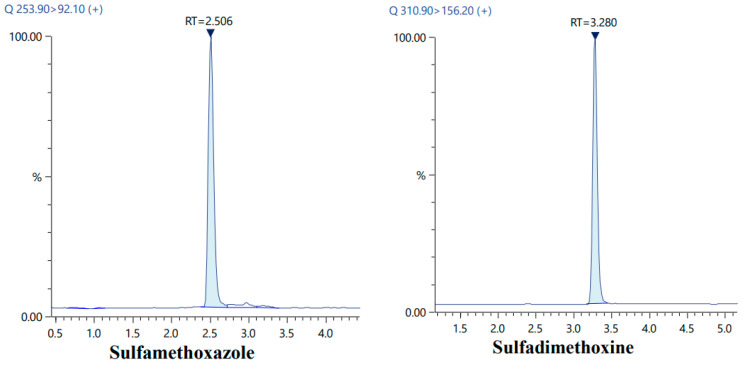 Figure 1
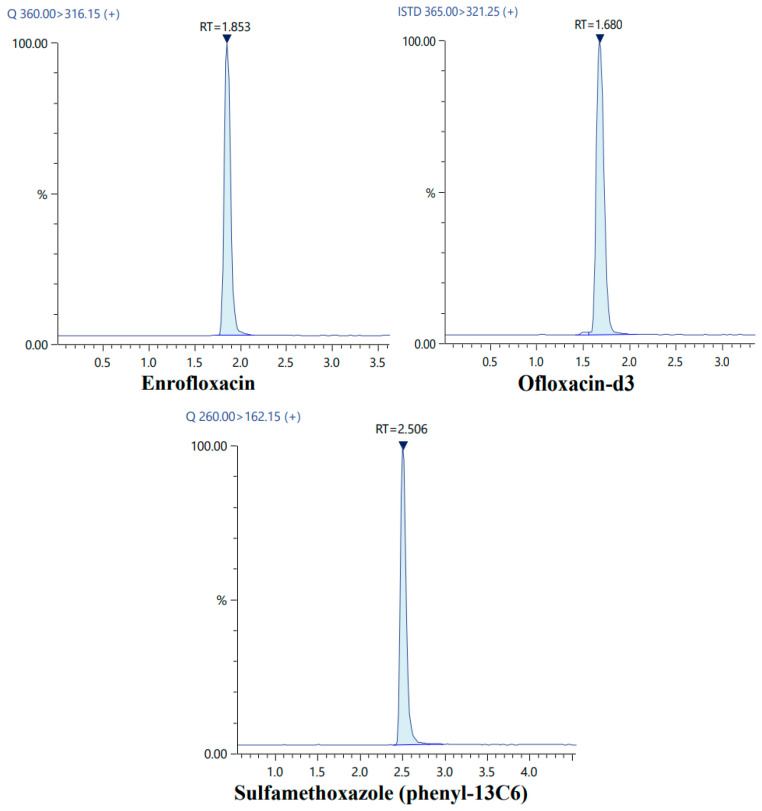 Figure 2
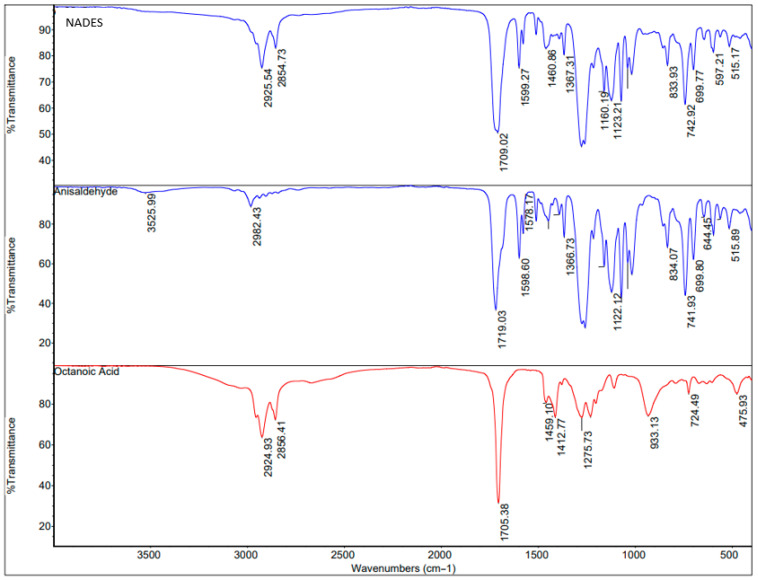 Figure 3
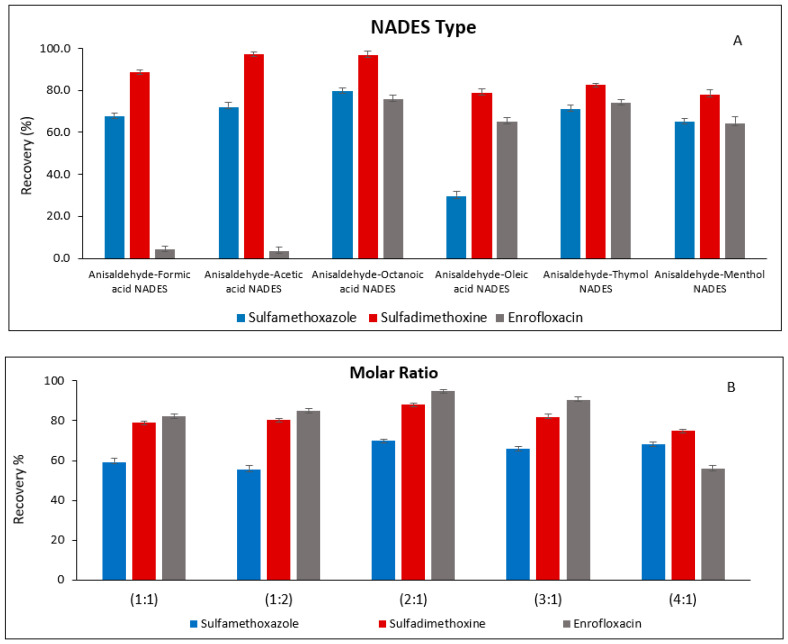 Figure 4
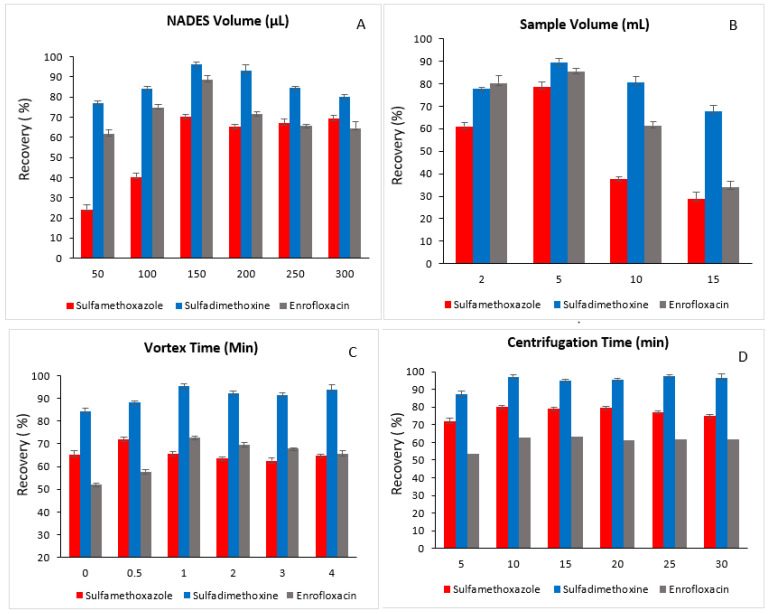 Figure 5
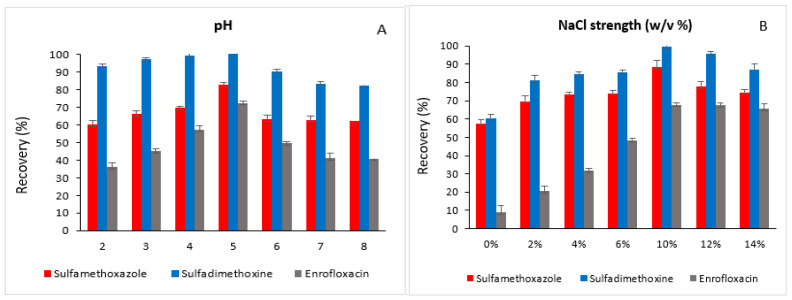 Figure 6
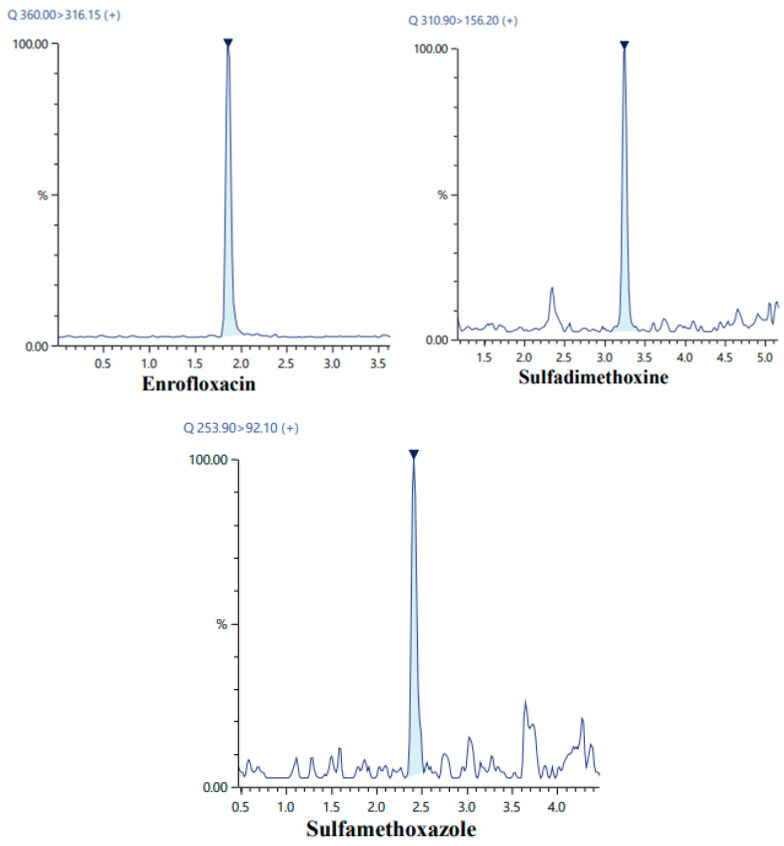 Figure 7
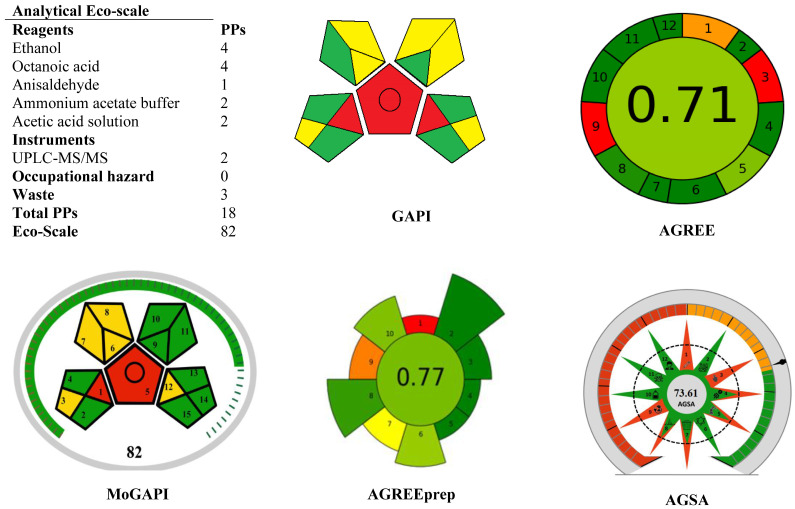 Figure 8
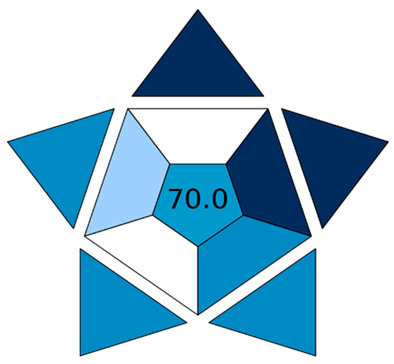 Figure 9
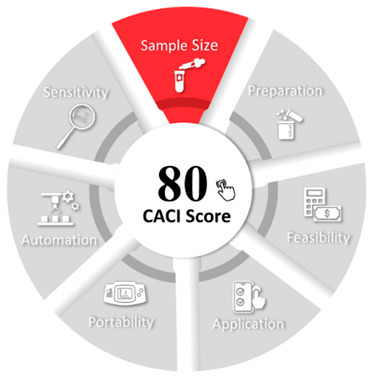 Figure 10
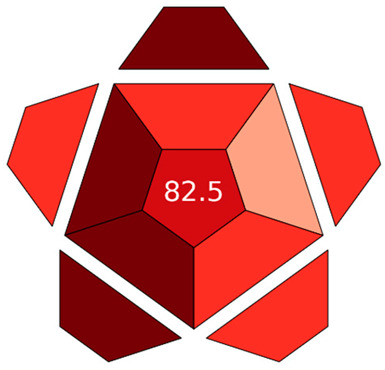 Figure 11
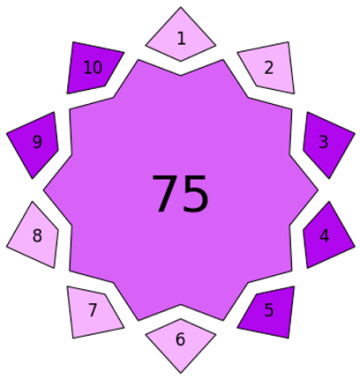 Figure 12
Peer Reviews
No public reviews on file for this paper yet. If you reviewed it on a platform where reviews are public (OpenReview, ICLR, NeurIPS, ICML), you can paste yours below so the community can read it here.
Videos
No videos yet. Explain this paper in a talk, walkthrough, or lecture? Add one.
Taxonomy
TopicsAnalytical chemistry methods development · Pharmaceutical and Antibiotic Environmental Impacts · Ionic liquids properties and applications