The Importance of Predicting Bowel Necrosis in Acute Mesenteric Ischemia: Narrative Review
Caterina Giannessi, Diletta Cozzi, Ludovica Scalzone, Francesca Treballi, Matilde Anichini, Barbara Sessa, Anna Ferrarelli, Ginevra Danti, Vittorio Miele

TL;DR
This review highlights the importance of predicting bowel necrosis in acute mesenteric ischemia to improve diagnosis and patient outcomes.
Contribution
The paper provides guidance on CT protocols and radiological features for diagnosing different types of acute mesenteric ischemia.
Findings
Arterial AMI is the most common type, caused by occlusion of the superior mesenteric artery.
Radiologists play a key role in identifying signs of intestinal ischemia and predicting necrosis.
A multi-phase CT protocol is recommended to enhance diagnostic accuracy in AMI.
Abstract
Acute mesenteric ischemia (AMI) is a clinical condition caused by vascular insufficiency, resulting in intestinal damage. Is often underestimated, if not driven by clinical suspicion, due to the non-specific clinical symptoms (usually represented by acute abdominal pain) and the absence of reliable markers, which results in a poor prognosis and high mortality. We can identify three main forms of AMI: arterial, venous, and non-occlusive. Arterial AMI is the most frequent form, caused by occlusion of the superior mesenteric artery or one of its branches. Venous AMI is the least frequent, caused by thrombosis of the superior mesenteric vein or its branches. Non-occlusive AMI is due to a state of hypovolemia, which is frequent in patients who have undergone surgery. Given the difficulty of diagnosis based on the clinic alone, the radiologist plays a central role in identifying radiological…
Genes, proteins, chemicals, diseases, species, mutations and cell lines named across the full text — each resolved to its canonical identifier and authoritative record.
Click any figure to enlarge with its caption.
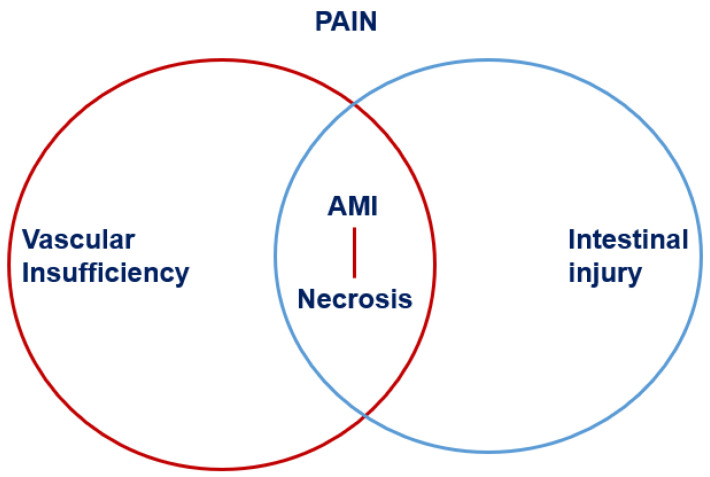 Figure 1
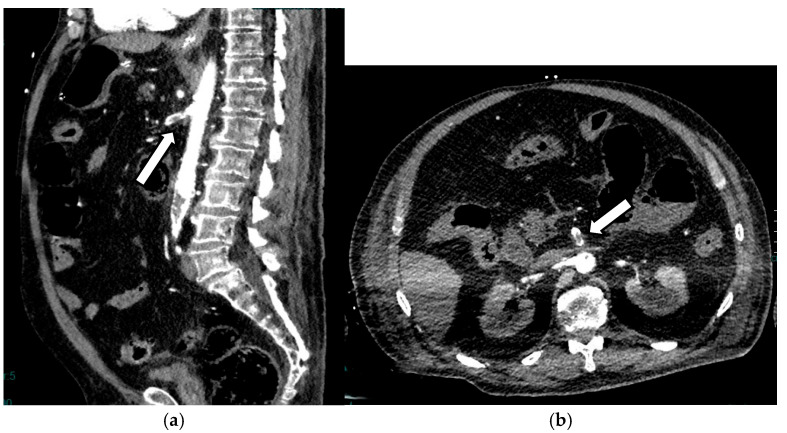 Figure 2
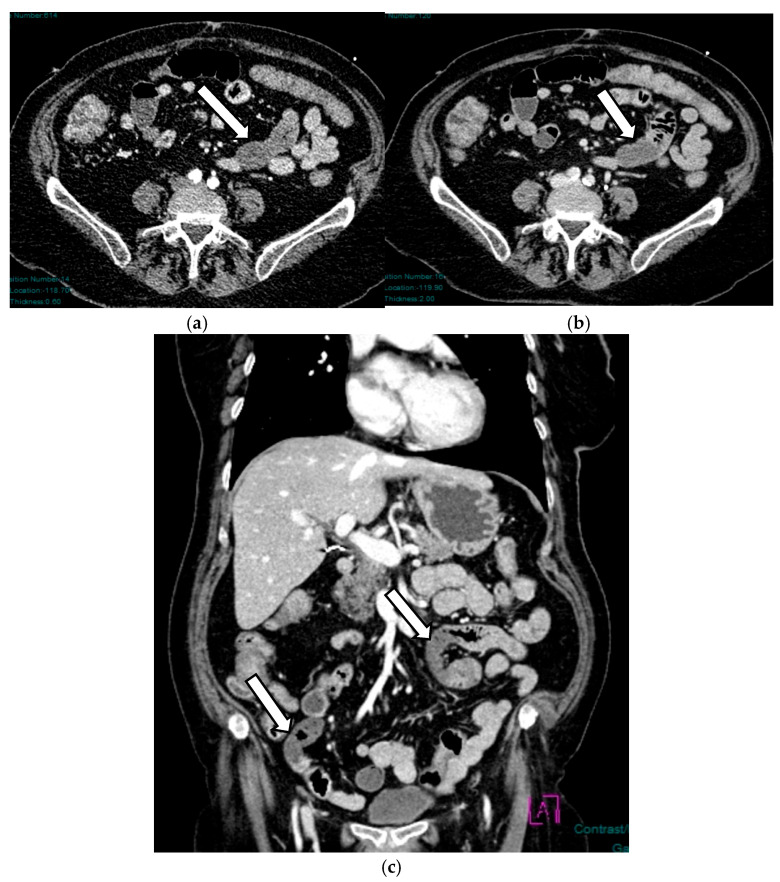 Figure 3
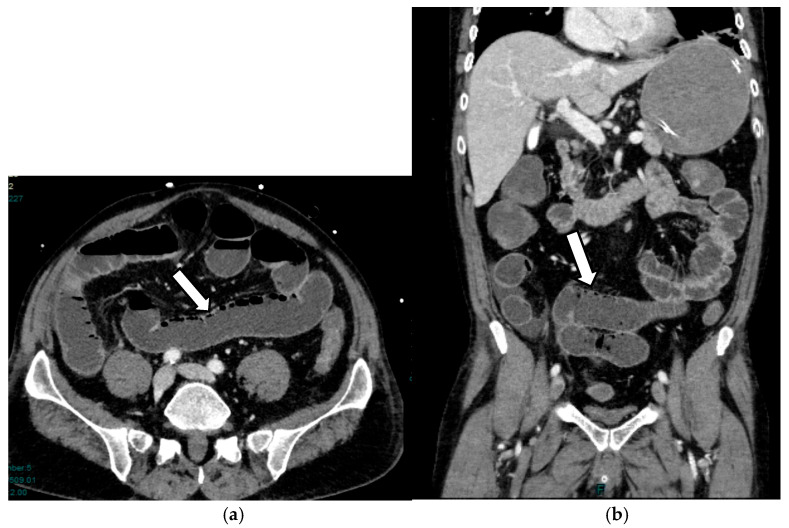 Figure 4
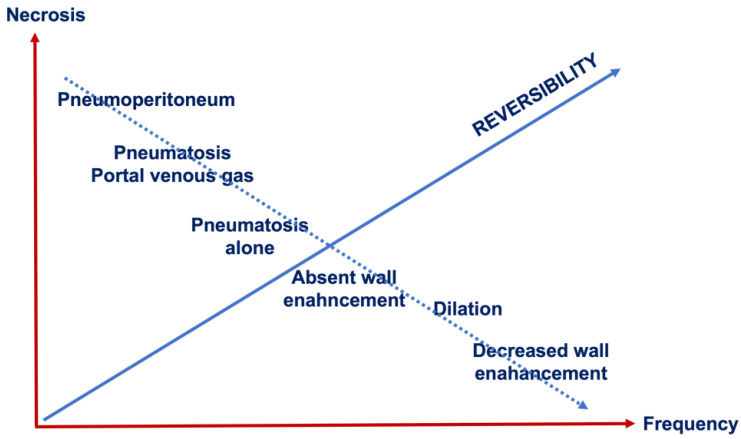 Figure 5
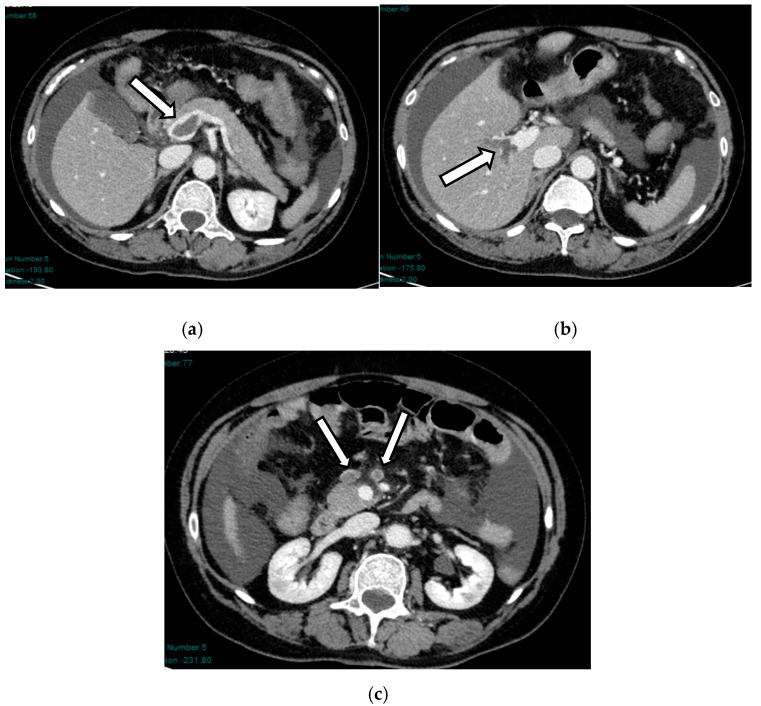 Figure 6
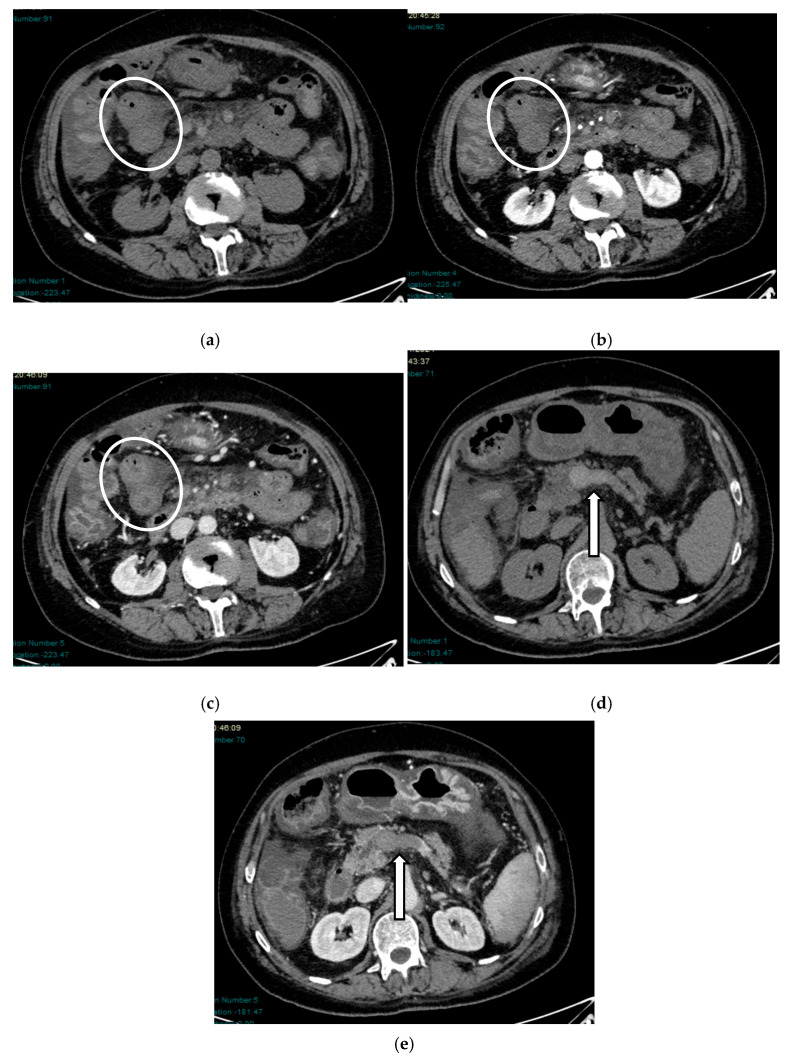 Figure 7
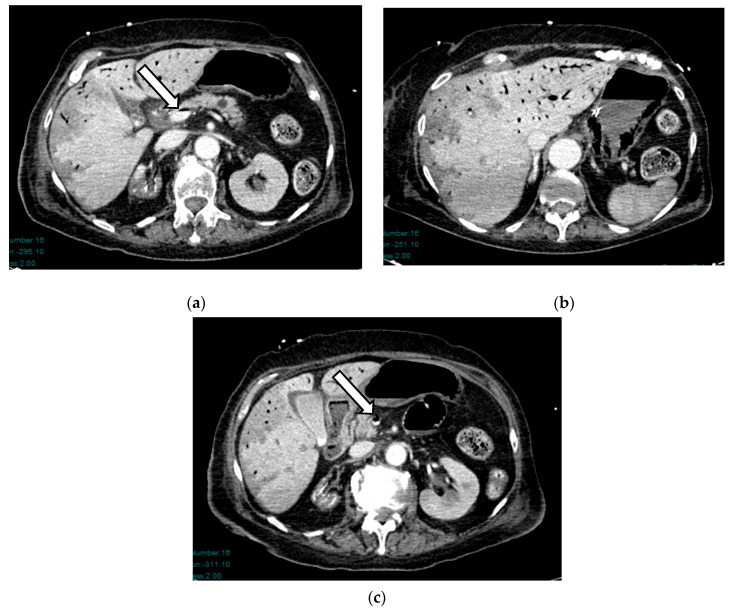 Figure 8
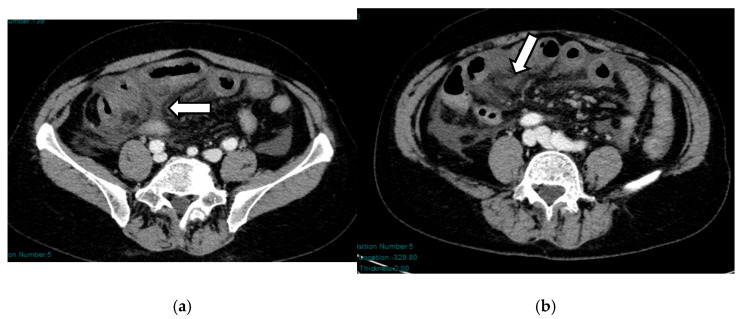 Figure 9
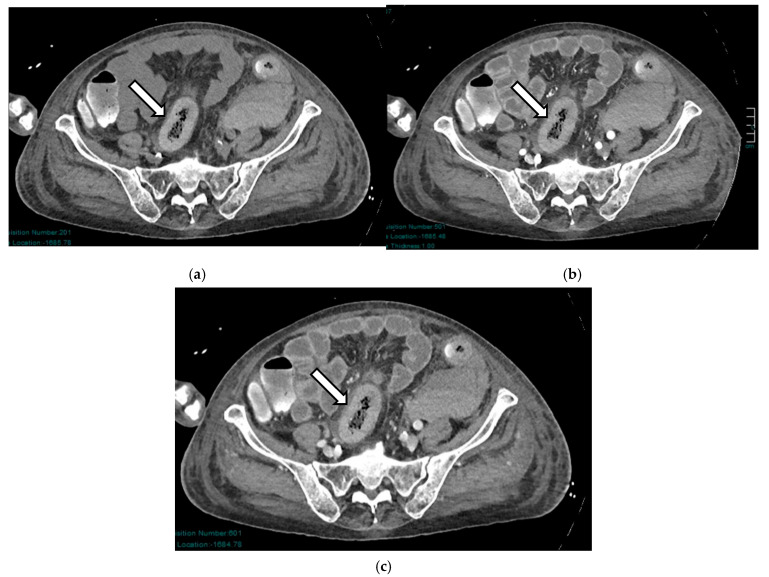 Figure 10
Peer Reviews
No public reviews on file for this paper yet. If you reviewed it on a platform where reviews are public (OpenReview, ICLR, NeurIPS, ICML), you can paste yours below so the community can read it here.
Videos
No videos yet. Explain this paper in a talk, walkthrough, or lecture? Add one.
Taxonomy
TopicsAbdominal vascular conditions and treatments · Omental and Epiploic Conditions · Pancreatitis Pathology and Treatment