Impact of Different Extraction Methods on the Physicochemical Characteristics and Bioactivity of Polysaccharides from Baobab (Adansonia suarezensis) Fruit Pulp
Huimin Cui, Shang Gao, Jiahui Shi, Yinghui Pan, Pengzhi Hong, Jiannong Lu, Chunxia Zhou

TL;DR
This study shows that alkaline extraction methods produce the most bioactive and useful polysaccharides from baobab fruit pulp for food and medicine.
Contribution
The study introduces a comparison of six extraction methods to optimize bioactive polysaccharide production from baobab fruit pulp.
Findings
Alkaline-based methods achieved the highest yields and produced lower molecular weight polysaccharides.
ASP-AL and ASP-ALU showed the best antioxidant and α-glucosidase inhibitory activities.
Bioactivity was linked to lower molecular weight and reduced uronic acid content.
Abstract
Polysaccharides from baobab (Adansonia suarezensis) fruit pulp (ASPs) hold significant potential for pharmaceutical and functional food applications due to their bioactivities. This study systematically evaluated the effects of six extraction methods—hot water (ASP-HW), acid (ASP-AC), alkaline (ASP-AL), and their ultrasound-assisted counterparts (ASP-HWU, ASP-ACU, ASP-ALU)—on the yield, chemical composition, structural properties, and biological activities of ASPs. The results demonstrated that the extraction solvent critically influenced key properties: alkaline-based methods (ASP-AL, ASP-ALU) achieved the highest yields (up to 62.47%) and yielded polysaccharides with lower molecular weights (approximately 19,600–19,813 Da) and smaller particle sizes (around 140–147 nm). All ASPs were identified as acidic pectic polysaccharides, composed of galacturonic acid, xylose, galactose, and…
Genes, proteins, chemicals, diseases, species, mutations and cell lines named across the full text — each resolved to its canonical identifier and authoritative record.
Click any figure to enlarge with its caption.
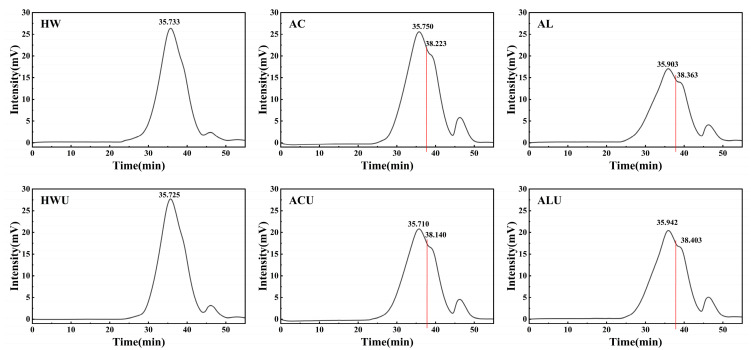 Figure 1
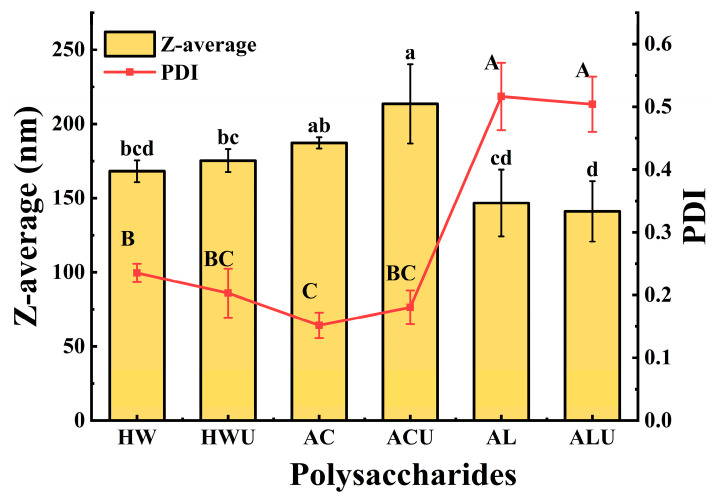 Figure 2
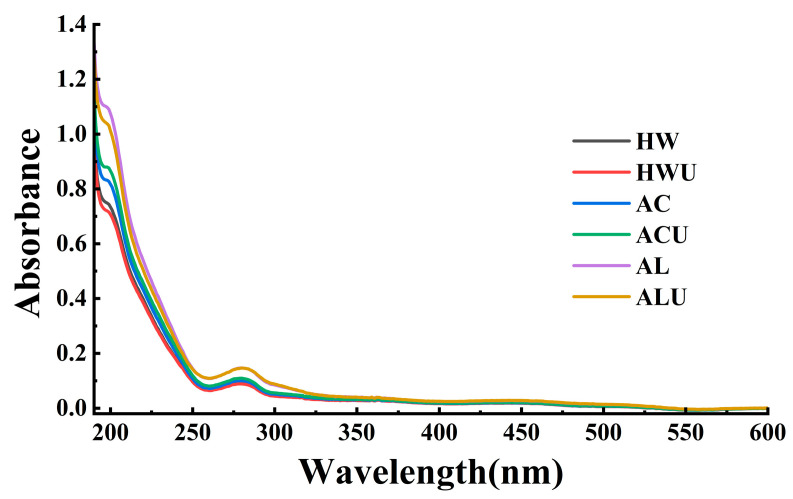 Figure 3
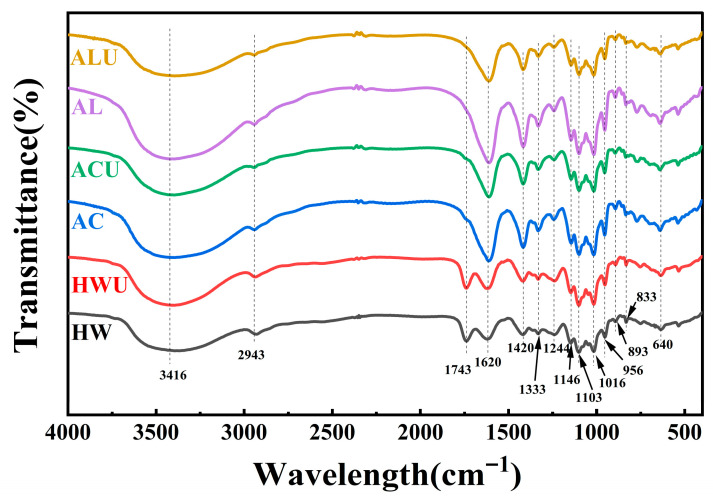 Figure 4
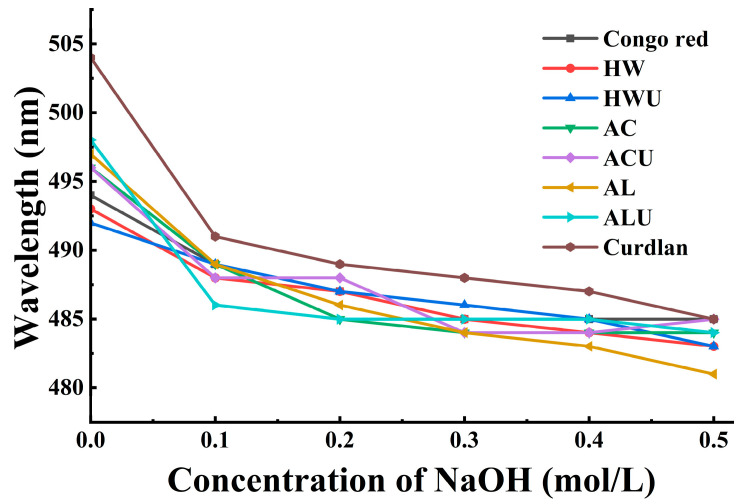 Figure 5
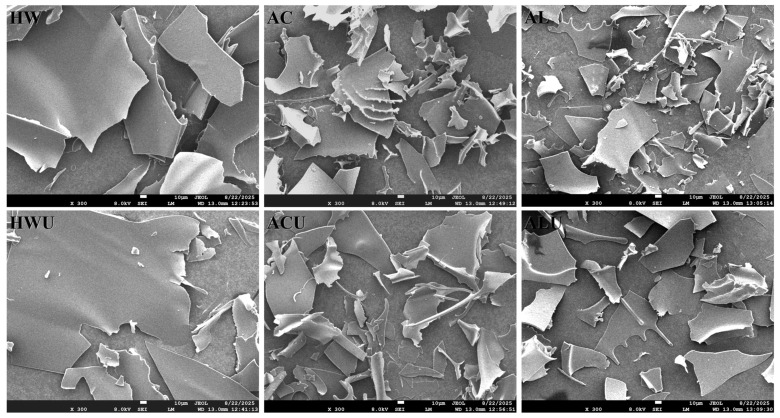 Figure 6
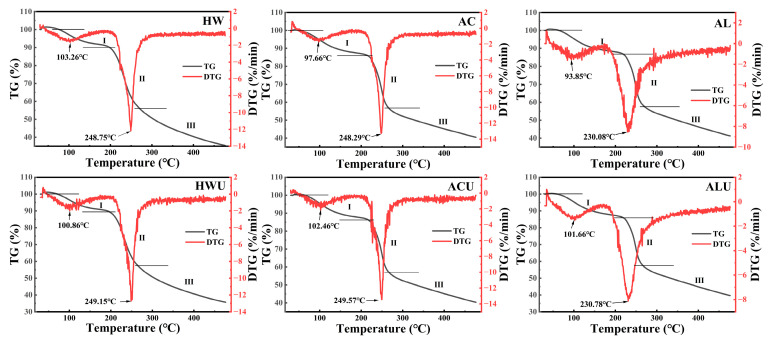 Figure 7
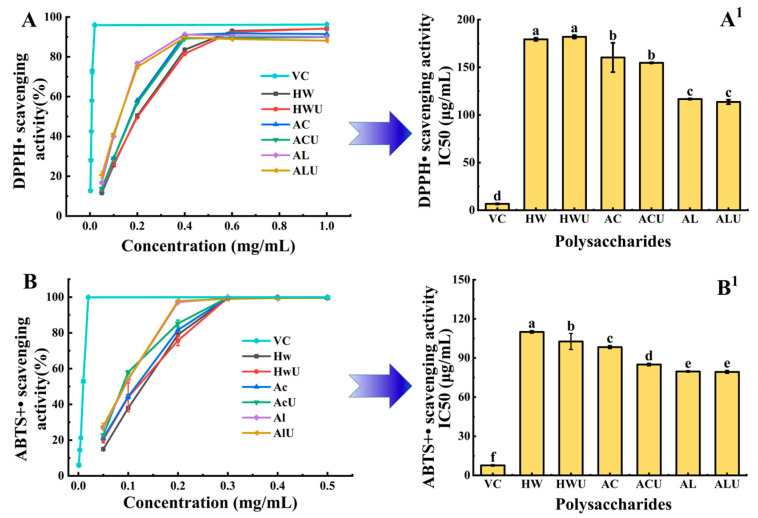 Figure 8
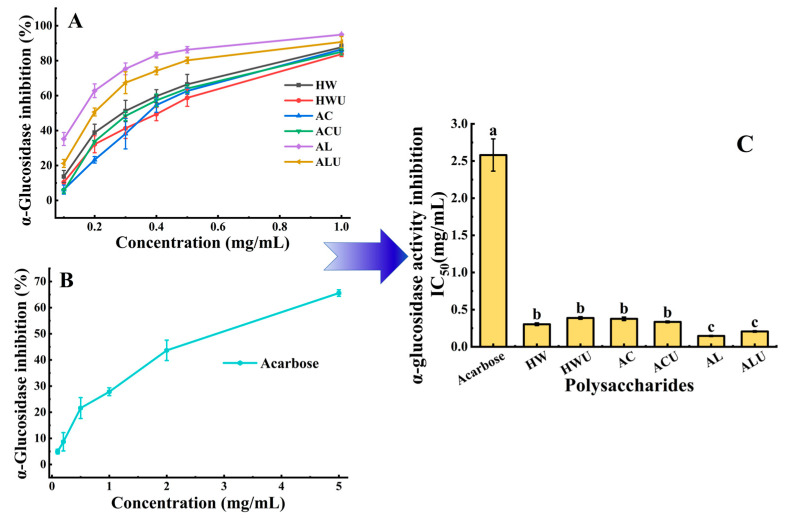 Figure 9
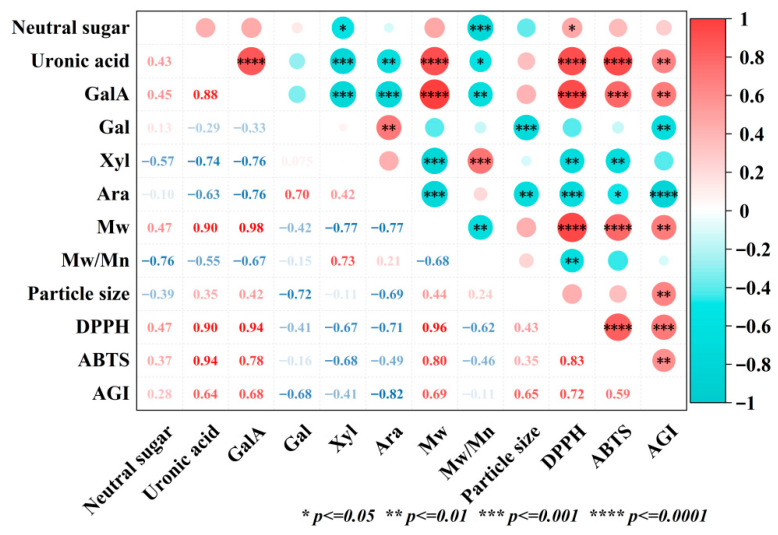 Figure 10
Peer Reviews
No public reviews on file for this paper yet. If you reviewed it on a platform where reviews are public (OpenReview, ICLR, NeurIPS, ICML), you can paste yours below so the community can read it here.
Videos
No videos yet. Explain this paper in a talk, walkthrough, or lecture? Add one.
Taxonomy
TopicsPolysaccharides and Plant Cell Walls · African Botany and Ecology Studies · Polysaccharides Composition and Applications