Percolation with Distance-Dependent Site Occupational Probabilities
Eleftherios Lambrou, Panos Argyrakis

TL;DR
This paper introduces a new percolation model where site removal depends on distance from a central point, simulating the tumor microenvironment's impact on cancer therapies.
Contribution
A novel inverse percolation model with distance-dependent site removal probability is introduced to simulate tumor-induced environmental changes.
Findings
The critical percolation threshold pc decreases significantly as the boundary removal probability qp decreases.
The size of the spanning cluster and total number of clusters strongly depend on the value of qp.
The model reflects how tumor proximity affects the distribution of key elements like O2 and Ca.
Abstract
We introduce a new method for preparing a percolation system by employing an inverse percolation model. Unlike standard percolation, where the site occupancy is uniform, the new model imposes a distance-dependent probability of site removal, where sites closer to the lattice center have a higher probability of being removed and are more prone to damage as compared to those at the periphery of the system. The variation in this removal probability is a function of the distance (d) from the central point. Thus, the central point plays a key role. This is reflected in our effort to model the role of a tumor cell and its surroundings (the tumor microenvironment). The tumor causes a decrease in the concentration of key elements, such as O2 (resulting in hypoxia) and Ca, in the region close to it, which in turn is an impediment to the efficiency of radiotherapy and chemotherapy. This decrease…
Genes, proteins, chemicals, diseases, species, mutations and cell lines named across the full text — each resolved to its canonical identifier and authoritative record.
Click any figure to enlarge with its caption.
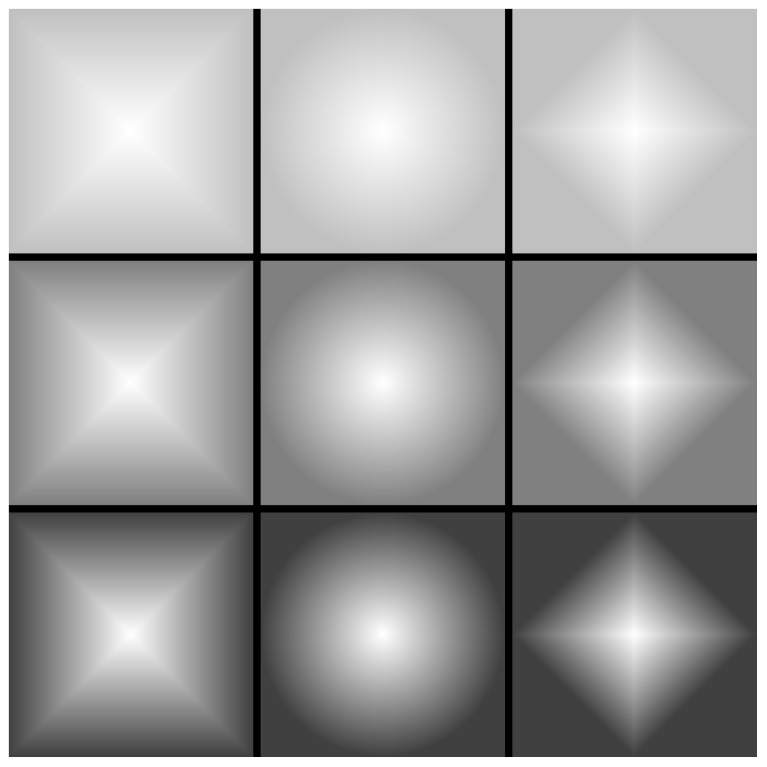 Figure 1
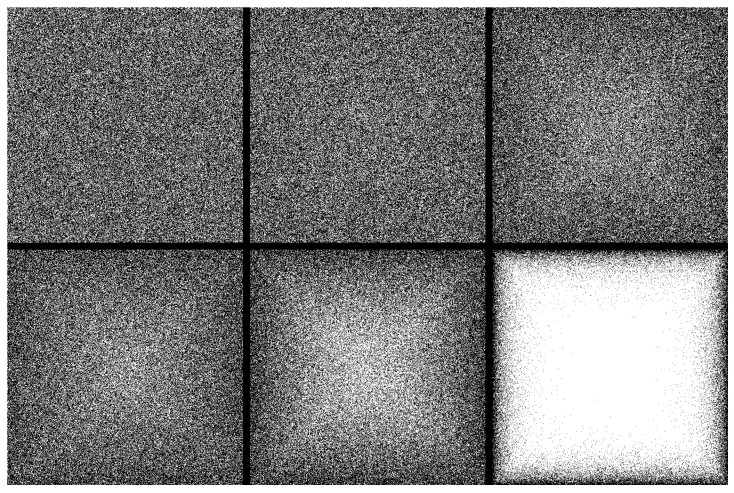 Figure 2
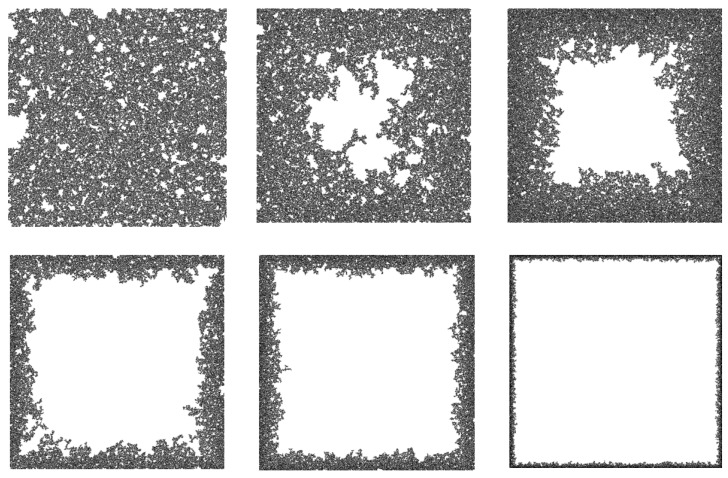 Figure 3
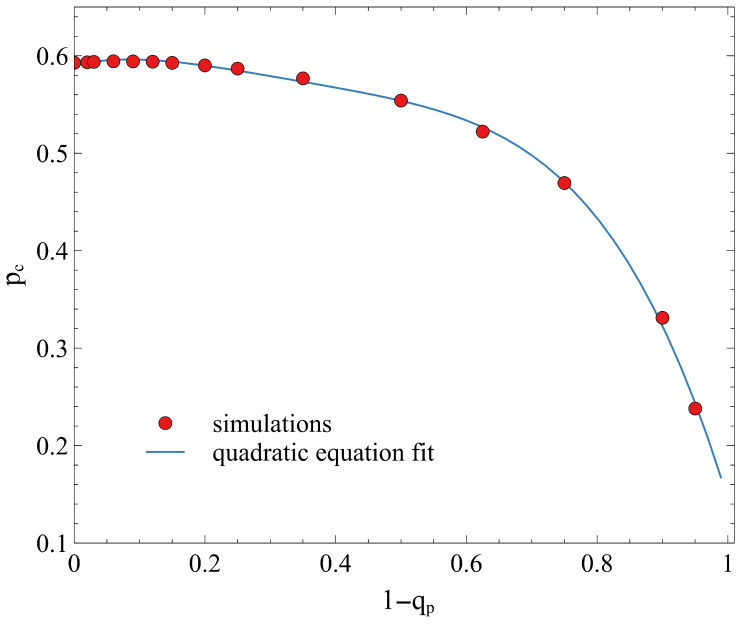 Figure 4
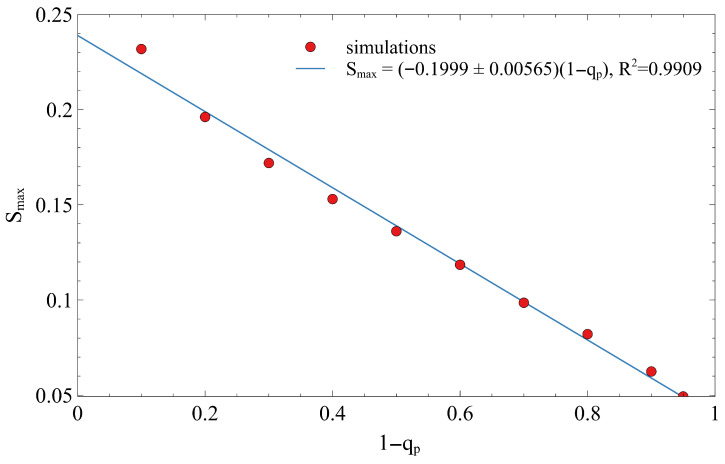 Figure 5
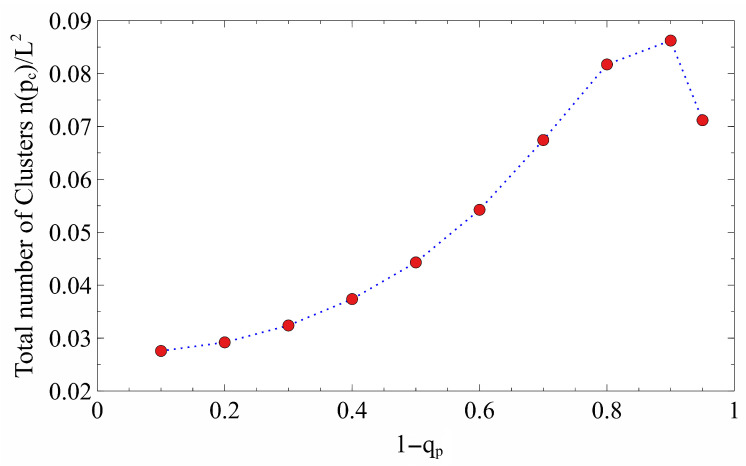 Figure 6
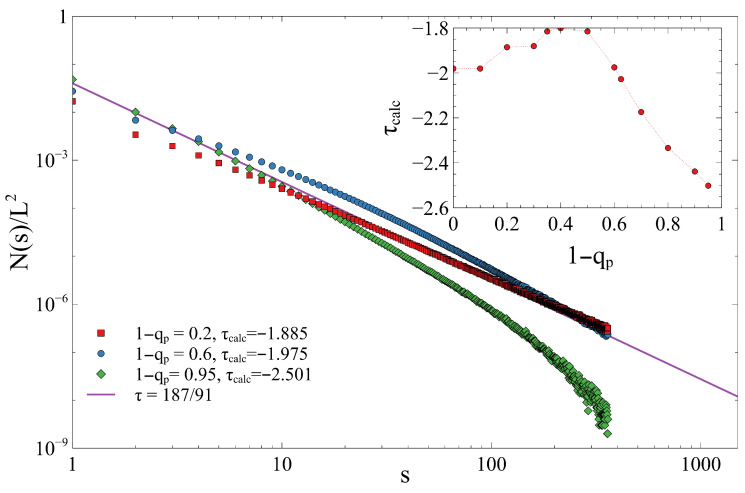 Figure 7
Peer Reviews
No public reviews on file for this paper yet. If you reviewed it on a platform where reviews are public (OpenReview, ICLR, NeurIPS, ICML), you can paste yours below so the community can read it here.
Videos
No videos yet. Explain this paper in a talk, walkthrough, or lecture? Add one.
Taxonomy
TopicsMathematical Biology Tumor Growth · Stochastic processes and statistical mechanics · Theoretical and Computational Physics