Phomopsin-A and Quinolizidine Alkaloids Concentrations in Lupinus albus Seeds: Effect of Aqueous and Gaseous Ozone Application
Francesco Buccioni, Chiara Rossi, Annalisa Serio, Sara Palmieri, Fabiola Eugelio, Antonello Paparella

TL;DR
This study explores using ozone to reduce harmful substances in lupin seeds, a potential meat substitute, to improve safety.
Contribution
The study introduces ozone treatment as a sustainable method to detoxify lupin seeds from quinolizidine alkaloids and phomopsin-A mycotoxins.
Findings
Aqueous ozone reduced phomopsin-A by about 20% and some quinolizidine alkaloids in lupin seeds.
Aqueous ozone also significantly reduced the count of Diaporthe toxica after 4 hours of treatment.
Gaseous ozone treatments showed no significant effect on reducing phomopsin-A or quinolizidine alkaloids.
Abstract
Recent studies on novel protein sources unveiled lupins as a promising substitute for meat consumption. However, lupin cultivation and processing include significant safety concerns, such as quinolizidine alkaloids (QAs) and the possible growth of toxigenic fungi as Diaporthe toxica, which produces the mycotoxin phomopsin-A (PHO-A). Therefore, this study aims to assess the influence of gaseous and aqueous ozone on lupin beans as environmentally sustainable methods for detoxifying QAs and PHO-A mycotoxins, thereby addressing both these safety challenges. Three distinct aqueous and gaseous ozone treatments (4, 6, and 8 h, at 7.00 ppm O3 concentration) were applied on lupin seeds inoculated with D. toxica DSM 1894. A good effectiveness of aqueous O3 in the reduction in PHO-A (about 20%) was demonstrated, independently of the treatment duration, along with the reduction in some QAs…
Genes, proteins, chemicals, diseases, species, mutations and cell lines named across the full text — each resolved to its canonical identifier and authoritative record.
Click any figure to enlarge with its caption.
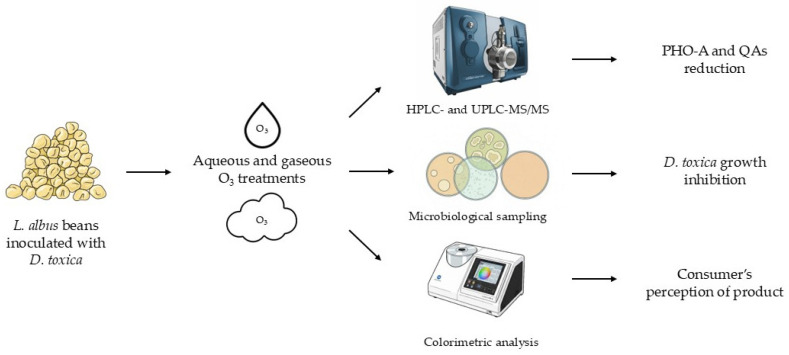 Figure 1
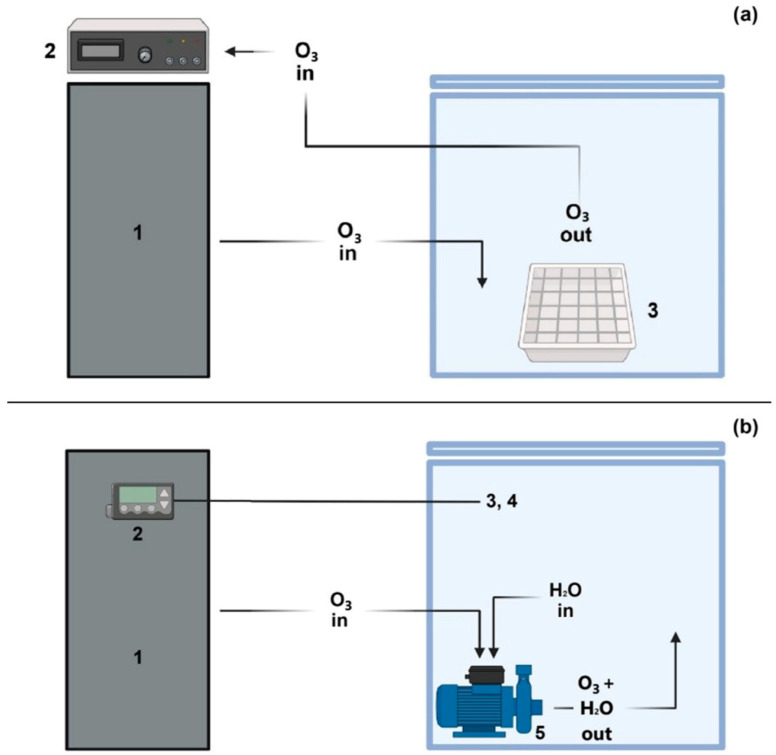 Figure 2
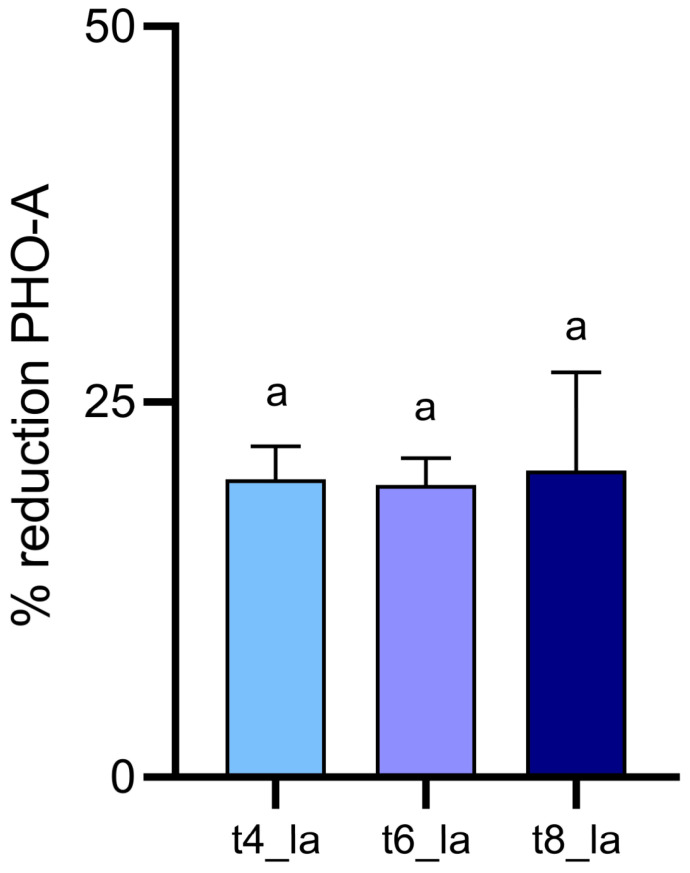 Figure 3
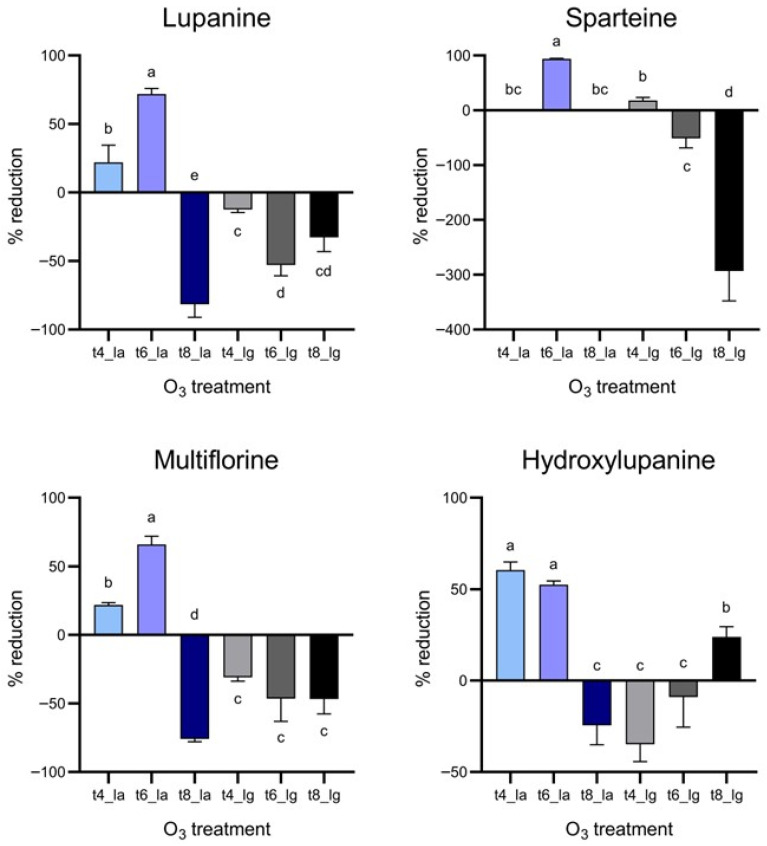 Figure 4
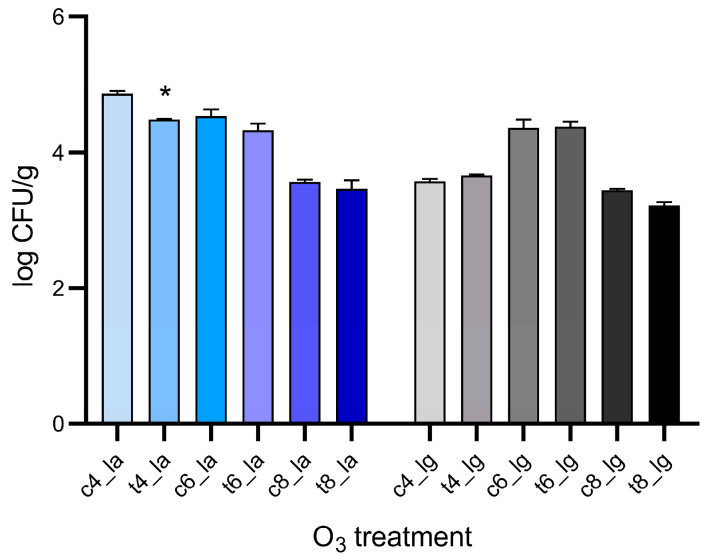 Figure 5
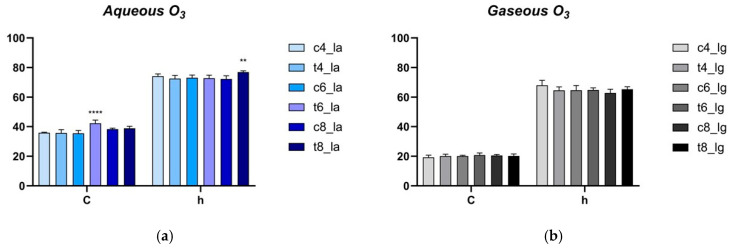 Figure 6
Peer Reviews
No public reviews on file for this paper yet. If you reviewed it on a platform where reviews are public (OpenReview, ICLR, NeurIPS, ICML), you can paste yours below so the community can read it here.
Videos
No videos yet. Explain this paper in a talk, walkthrough, or lecture? Add one.
Taxonomy
TopicsBotanical Research and Chemistry · Plant and fungal interactions · Mycotoxins in Agriculture and Food