Honey Bee AMPs as a Novel Carrier Protein for the Development of a Subunit Vaccine: An Immunoinformatic Approach
Roy Dinata, Piyush Baindara, Chettri Arati, Guruswami Gurusubramanian

TL;DR
This study explores honey bee antimicrobial peptides as potential carrier proteins for subunit vaccines using immunoinformatics methods.
Contribution
The study identifies novel honey bee peptides with high antigenicity and non-allergenic profiles for vaccine development.
Findings
Five honey bee peptides (P15450, A0A2A3EK62, Q86BU7, C7AHW3, I3RJI9A) showed high antigenicity and non-allergenic properties.
Molecular docking and simulations revealed stable interactions with TLR3 and TLR4-MD2 receptors.
The peptides demonstrated favorable binding energetics and potential immunogenic properties for vaccine applications.
Abstract
Infectious diseases remain a persistent global health threat, intensified by the rapid emergence of antibiotic-resistant pathogens. Despite the transformative impact of antibiotics, the escalating resistance crisis underscores the urgent need for alternative therapeutic approaches. Antimicrobial peptides (AMPs) have emerged as promising candidates due to their broad-spectrum antimicrobial and immunomodulatory activities. The present study investigated 82 honey bee antimicrobial peptides (BAMPs) representing seven families: abaecin, apamin, apisimin, apidaecin, defensin, hymenoptaecin, and melittin among eight honey bee species. Immunoinformatics analyses identified five peptides (P15450, A0A2A3EK62, Q86BU7, C7AHW3, and I3RJI9A) with high antigenicity and non-allergenic profiles. Structural modeling, molecular docking with TLR3 and TLR4-MD2, and molecular dynamics simulations revealed…
Genes, proteins, chemicals, diseases, species, mutations and cell lines named across the full text — each resolved to its canonical identifier and authoritative record.
Click any figure to enlarge with its caption.
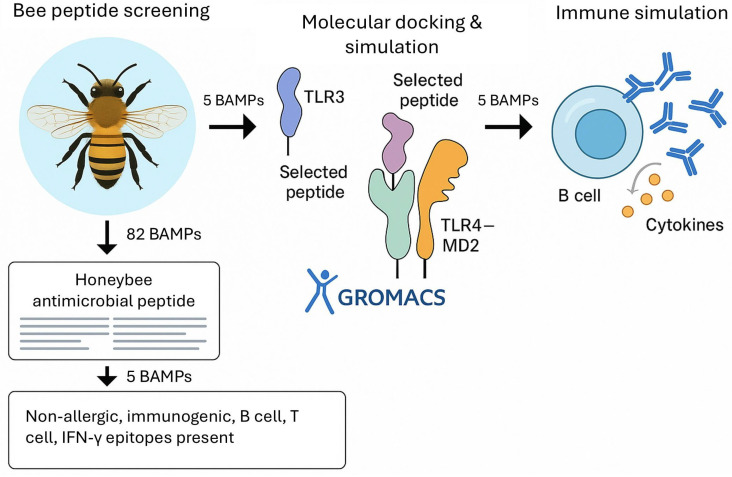 Figure 1
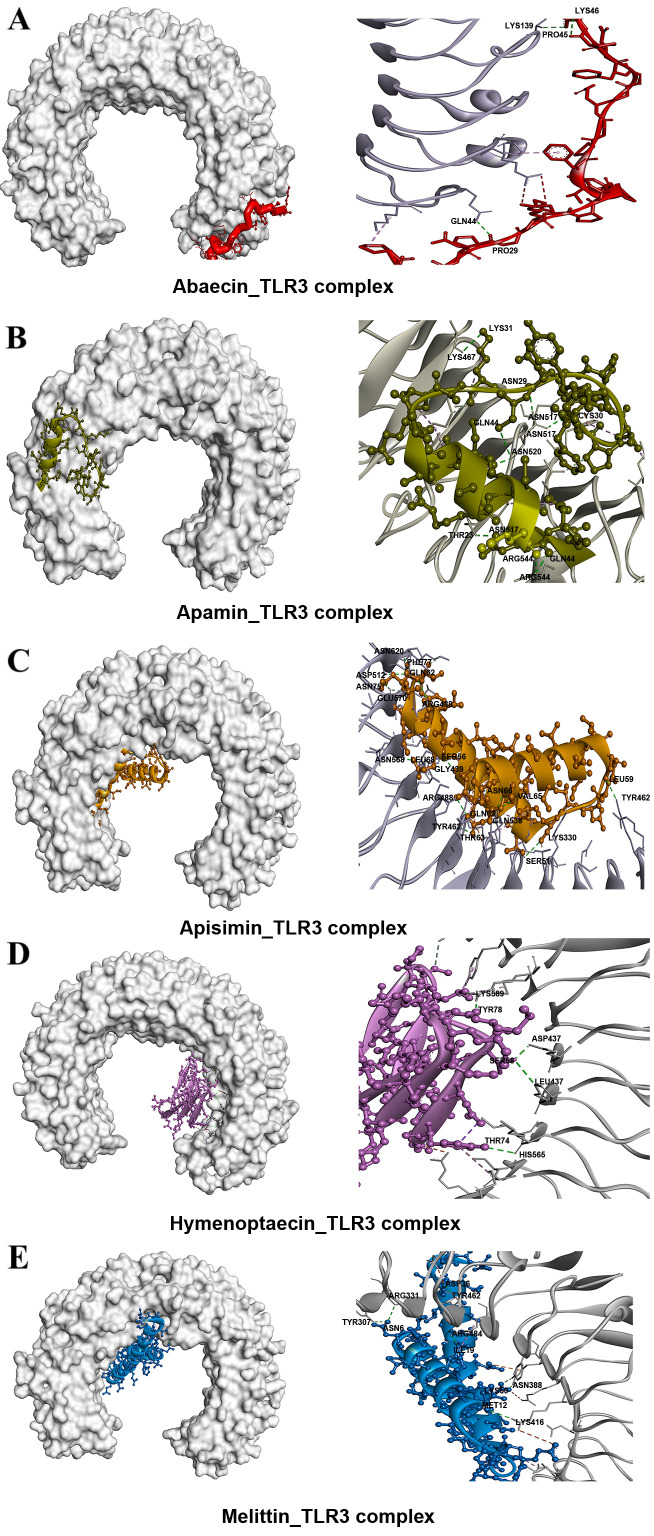 Figure 2
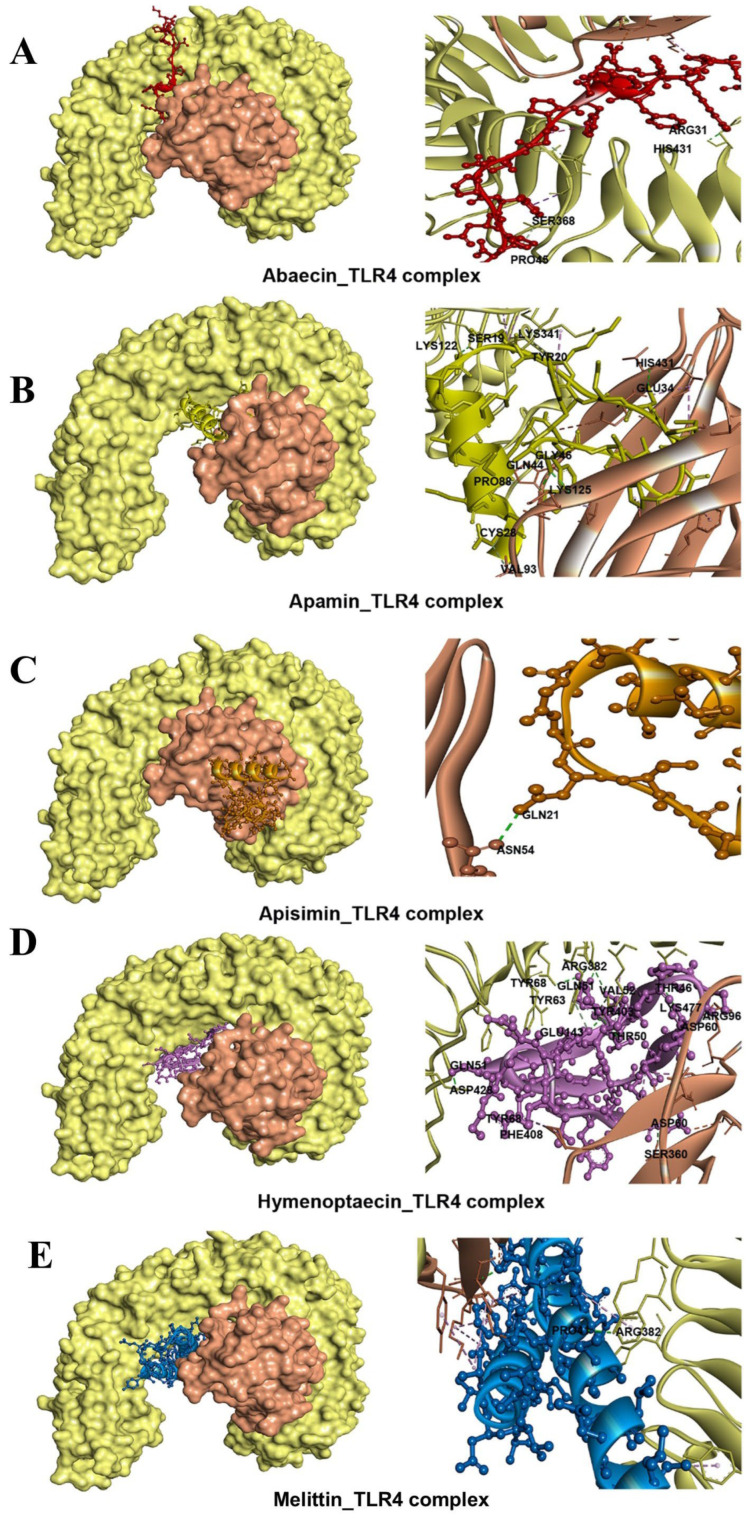 Figure 3
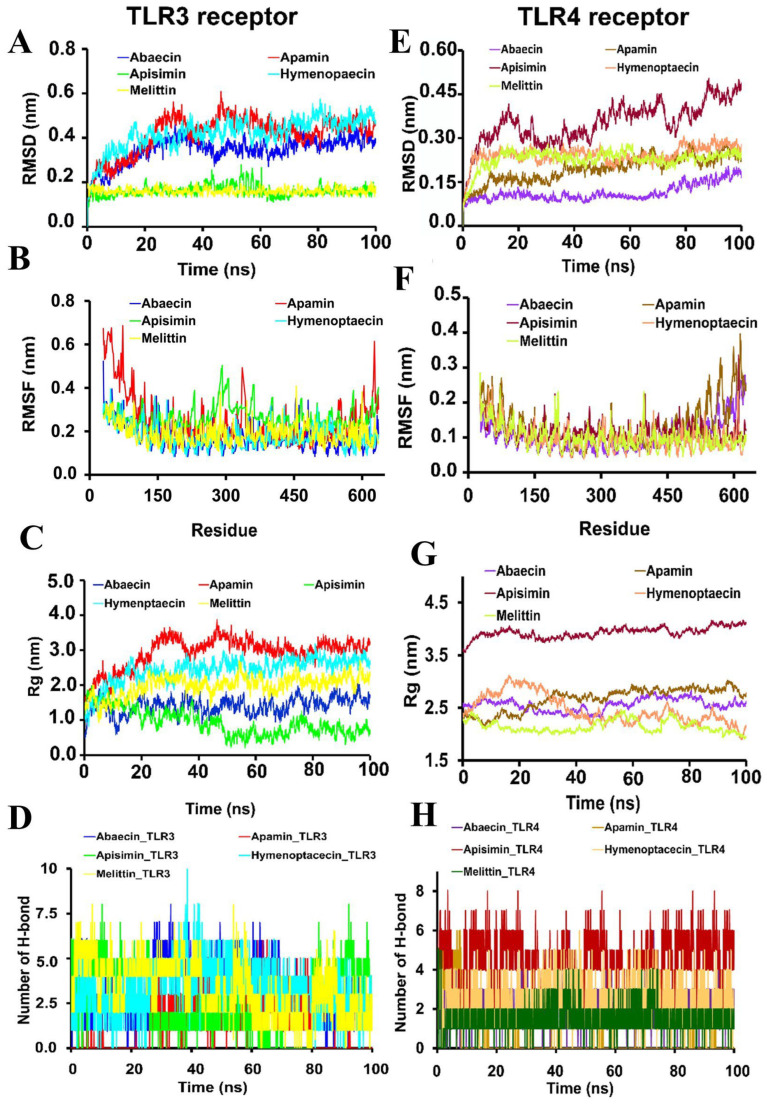 Figure 4
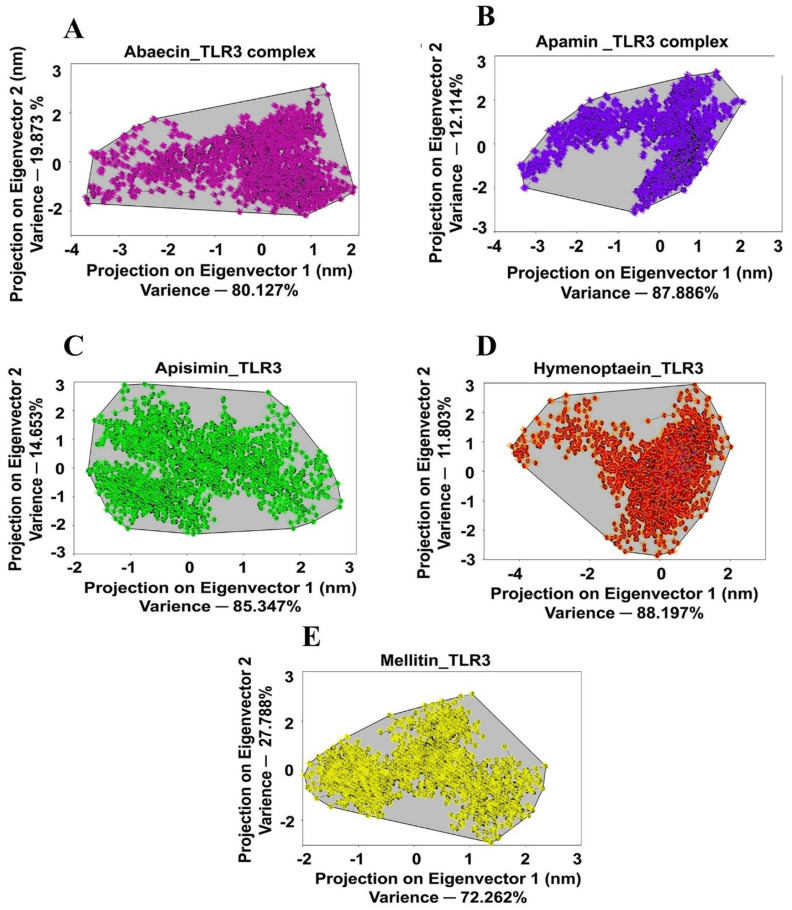 Figure 5
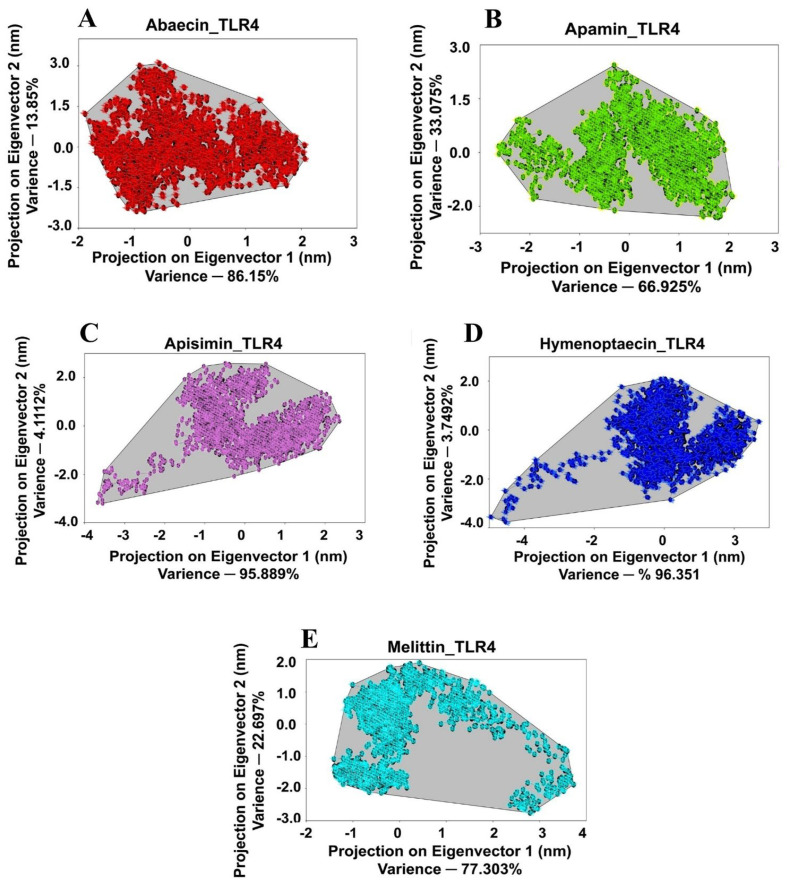 Figure 6
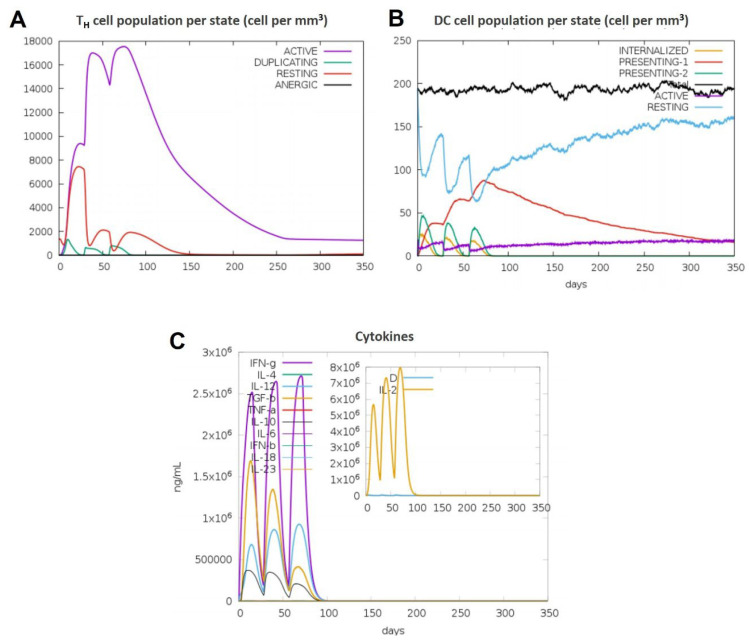 Figure 7
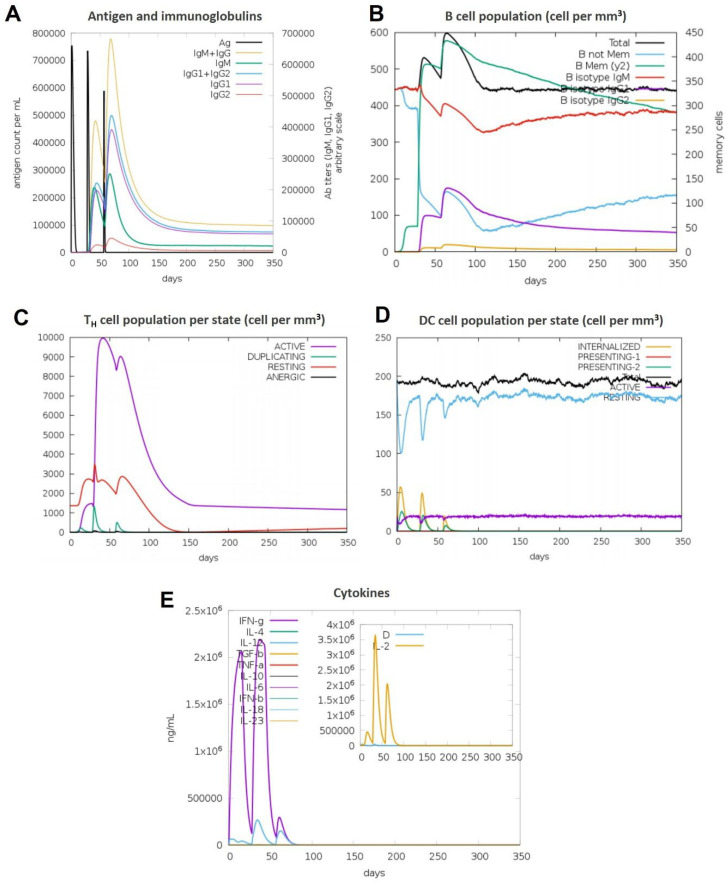 Figure 8
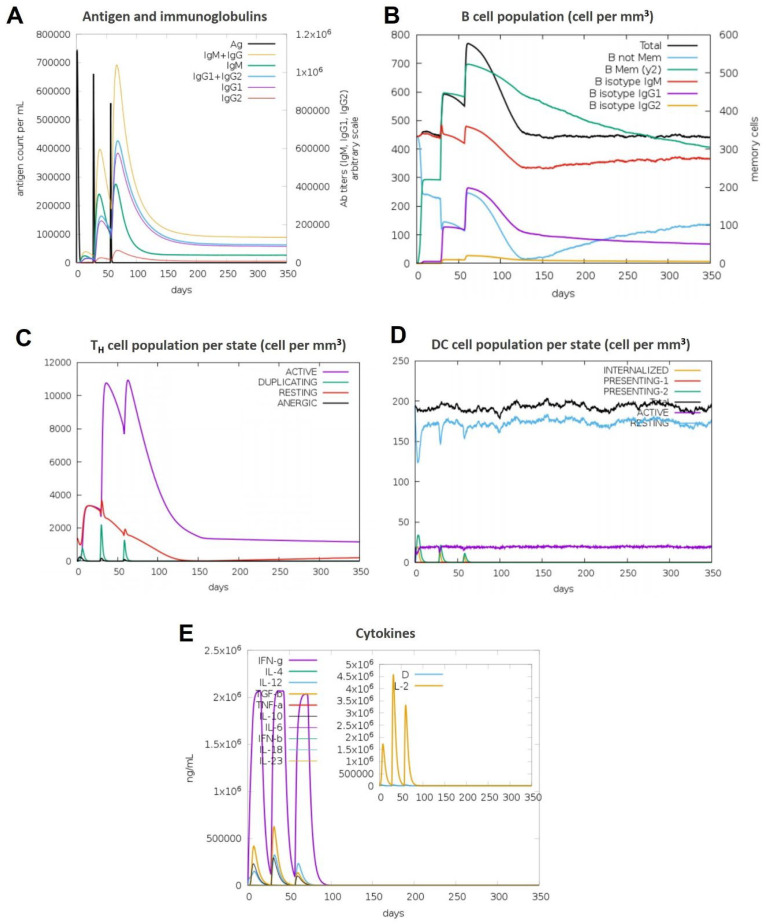 Figure 9
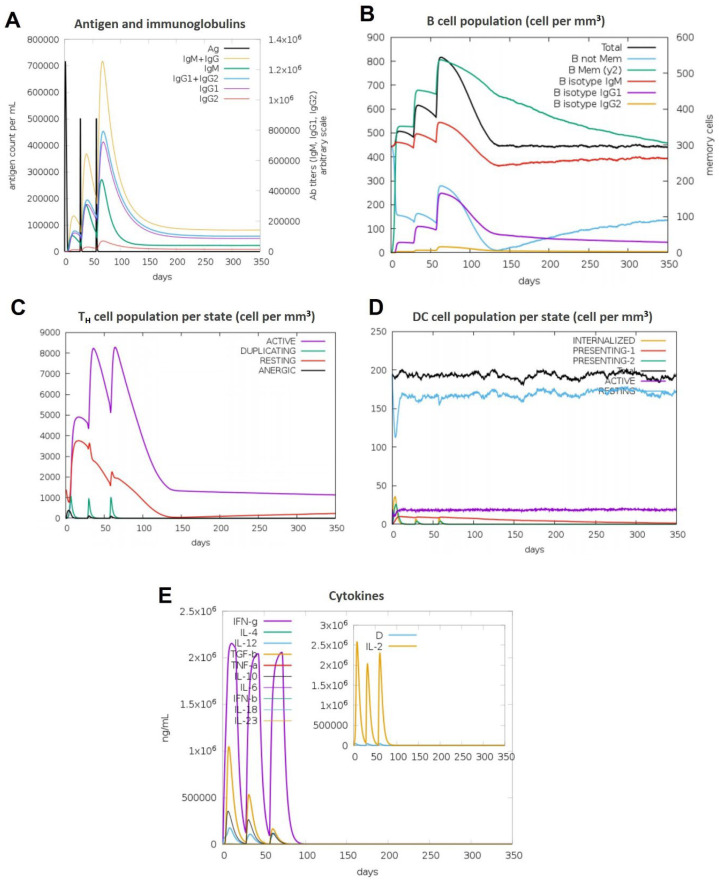 Figure 10
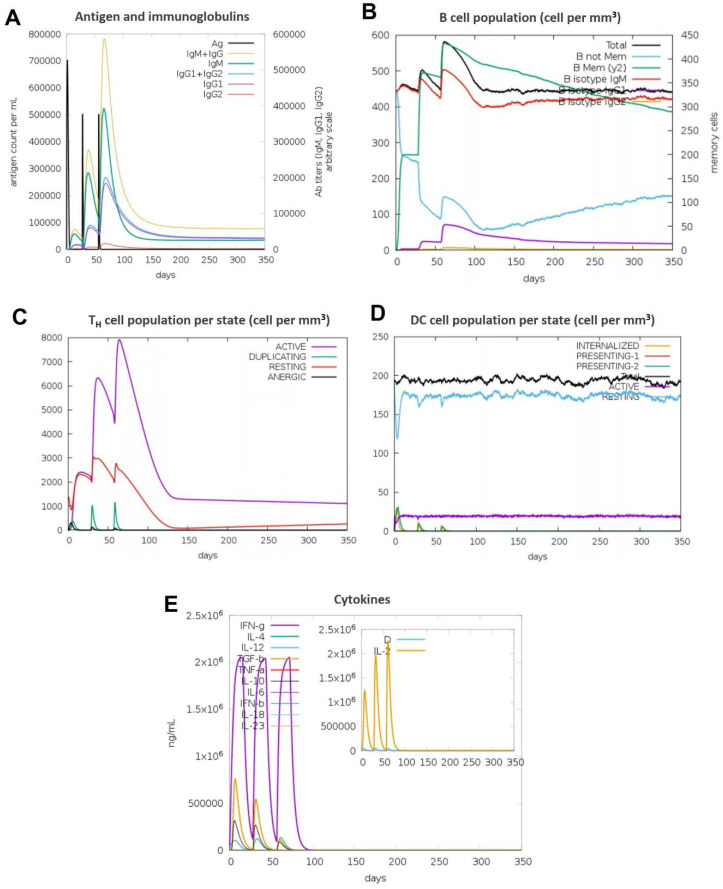 Figure 11
Peer Reviews
No public reviews on file for this paper yet. If you reviewed it on a platform where reviews are public (OpenReview, ICLR, NeurIPS, ICML), you can paste yours below so the community can read it here.
Videos
No videos yet. Explain this paper in a talk, walkthrough, or lecture? Add one.
Taxonomy
TopicsAntimicrobial Peptides and Activities · Healthcare and Venom Research · Food Allergy and Anaphylaxis Research