Multidisciplinary Approach for Dental Management of Congenital Insensitivity to Pain with Anhidrosis: Clinical Case Report with 12-Month Follow-Up
Almoataz B. A. T. Abdel-bari, Mohamed Fawzy, Khaled A. Saad, Hatem A. Alhadainy

TL;DR
This case report details the dental and multidisciplinary management of a 9-year-old boy with CIPA over 12 months, focusing on preventing oral self-injury and improving oral health.
Contribution
The paper presents a novel multidisciplinary dental management approach for a rare condition, CIPA, with a 12-month follow-up of a single case.
Findings
Clinical improvement was observed in cheek elasticity and soft tissue resilience after 12 months of treatment.
A staged, conservative dental treatment plan was effective in preventing dental sepsis and oral self-injury.
Use of a 3D-printed occlusal protector helped reduce nocturnal biting and oral trauma.
Abstract
Background: Congenital Insensitivity to Pain and Anhidrosis (CIPA) is a rare autosomal recessive disorder characterized by congenital analgesia, anhidrosis, and multisystem involvement affecting the musculoskeletal, cutaneous, oral, and para-oral structures. This case report describes the oral phenotype and multidisciplinary clinical management of a child with CIPA. Case Description: A 9-year-old boy presented with poor oral hygiene, multiple severely damaged teeth, masticatory difficulty, limited mouth opening, impaired bolus control, and para-oral traumatic injuries. Medical and orthopedic history indicated recurrent painless fractures, self-inflicted injuries, cutaneous scarring, and recurrent hyperpyrexia. Oral self-injury associated with CIPA was suspected and supported by the Nociception Assessment Test and Minor’s Iodine–Starch Test. Although the clinical findings were suggestive…
Genes, proteins, chemicals, diseases, species, mutations and cell lines named across the full text — each resolved to its canonical identifier and authoritative record.
Click any figure to enlarge with its caption.
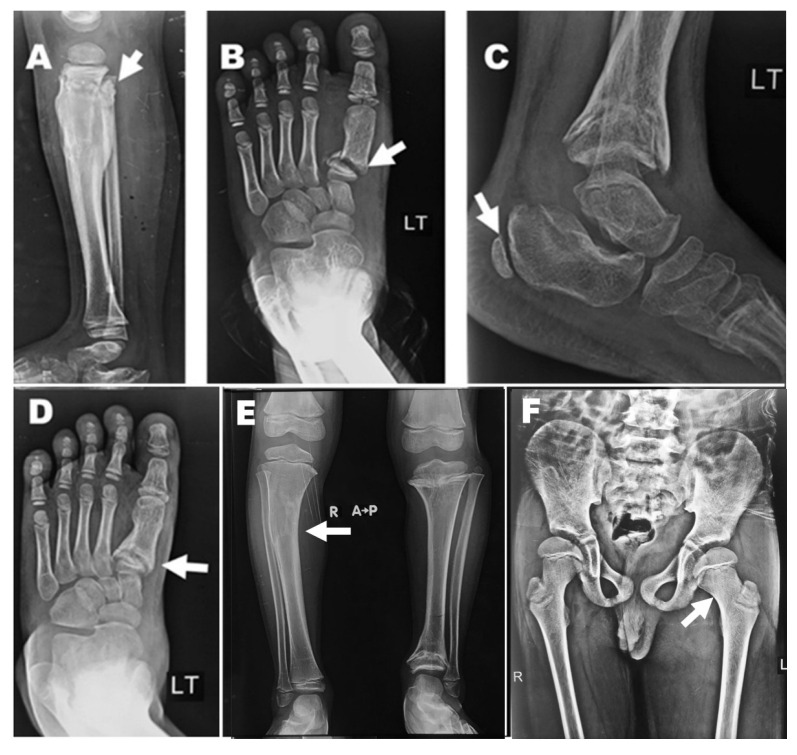 Figure 1
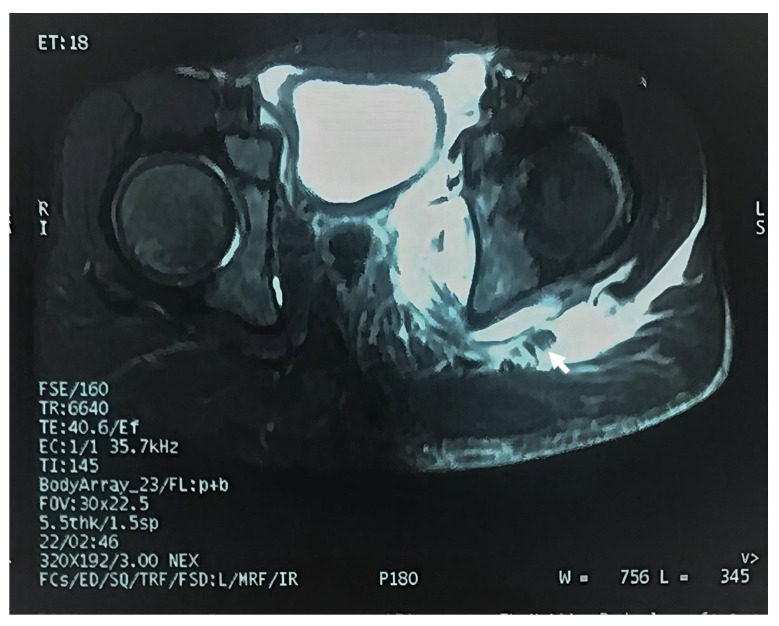 Figure 2
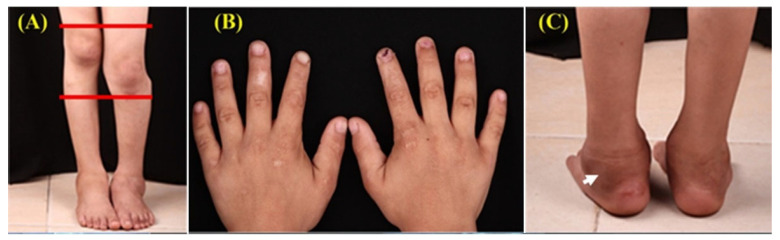 Figure 3
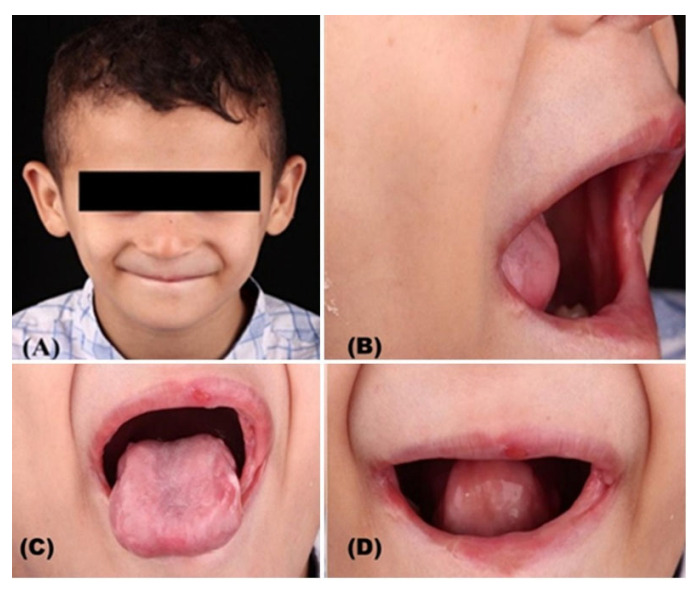 Figure 4
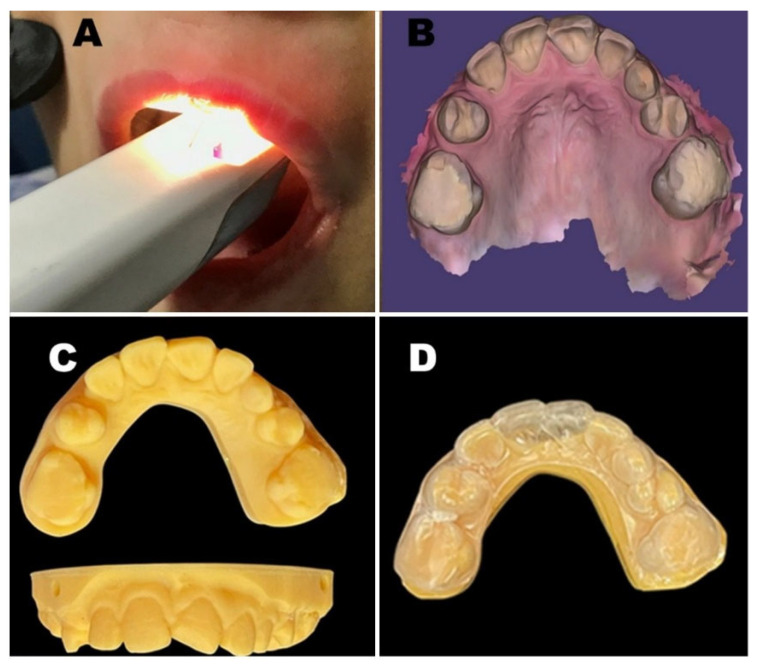 Figure 5
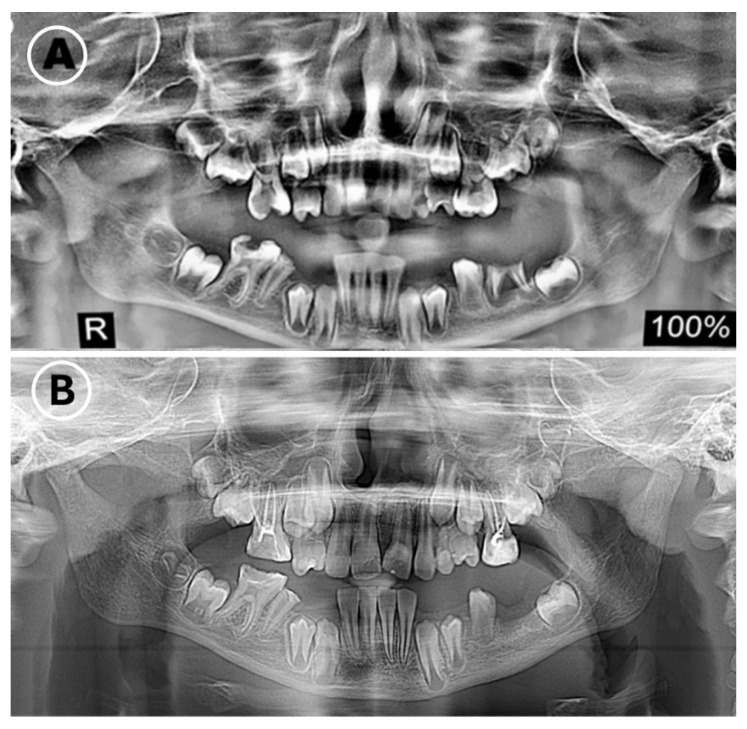 Figure 6
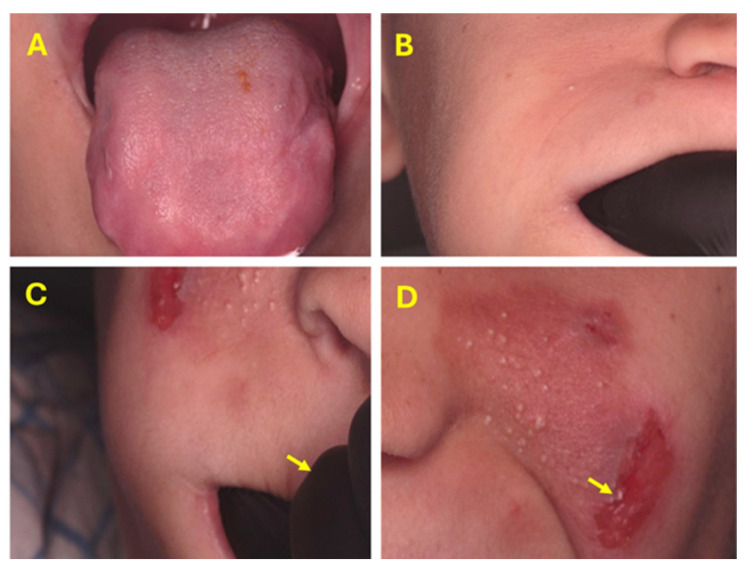 Figure 7
Peer Reviews
No public reviews on file for this paper yet. If you reviewed it on a platform where reviews are public (OpenReview, ICLR, NeurIPS, ICML), you can paste yours below so the community can read it here.
Videos
No videos yet. Explain this paper in a talk, walkthrough, or lecture? Add one.
Taxonomy
TopicsHereditary Neurological Disorders · Botulinum Toxin and Related Neurological Disorders · Urticaria and Related Conditions