Association Between Serum Caffeine Concentrations, Intermittent Hypoxia and Apnea in Preterm Infants: A Prospective Observational Study
Gonca Vardar, Demet Oguz, Ilker Uslu, Sinem Gülcan Kersin, Merih Cetinkaya, Eren Ozek

TL;DR
This study found that lower caffeine levels in preterm infants are linked to more breathing problems, suggesting caffeine levels should be monitored to manage symptoms, but not necessarily based on gestational age alone.
Contribution
The study provides new evidence that serum caffeine levels are associated with apnea and hypoxia in preterm infants, independent of gestational age.
Findings
Serum caffeine concentrations did not differ significantly between preterm infants of different gestational ages.
Lower caffeine levels were associated with increased apnea and hypoxia episodes, especially after the second week of life.
A significant negative correlation was found between caffeine levels and hypoxia frequency in multiple weeks of life.
Abstract
What are the main findings? Serum caffeine concentrations did not differ significantly across gestational age groups (23–27 vs. 28–30 weeks) during the postnatal period.Lower serum caffeine levels were associated with an increased frequency of apnea of prematurity and intermittent hypoxia episodes, particularly after the second week of life. Serum caffeine concentrations did not differ significantly across gestational age groups (23–27 vs. 28–30 weeks) during the postnatal period. Lower serum caffeine levels were associated with an increased frequency of apnea of prematurity and intermittent hypoxia episodes, particularly after the second week of life. What are the implications of the main finding? Routine caffeine dose adjustment or serum monitoring based solely on gestational age may not be necessary in preterm infants ≤ 30 weeks’ gestation.Ensuring adequate serum caffeine…
Genes, proteins, chemicals, diseases, species, mutations and cell lines named across the full text — each resolved to its canonical identifier and authoritative record.
Click any figure to enlarge with its caption.
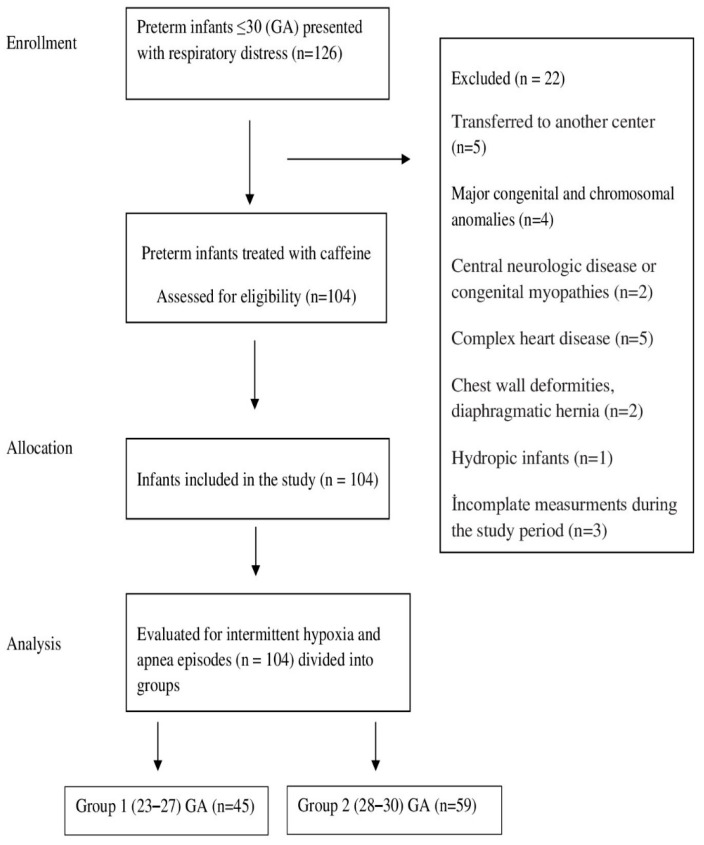 Figure 1
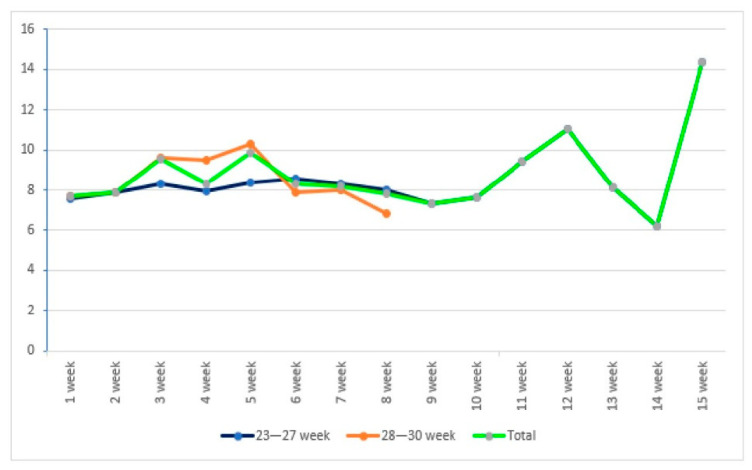 Figure 2
Peer Reviews
No public reviews on file for this paper yet. If you reviewed it on a platform where reviews are public (OpenReview, ICLR, NeurIPS, ICML), you can paste yours below so the community can read it here.
Videos
No videos yet. Explain this paper in a talk, walkthrough, or lecture? Add one.
Taxonomy
TopicsNeonatal Respiratory Health Research · Neuroscience of respiration and sleep · Cardiovascular Conditions and Treatments