Voxel Normalization in LDCT Imaging: Its Significance in Texture Feature Selection for Pulmonary Nodule Malignancy Classification: Insights from Two Centers
Chen-Hao Peng, Jhu-Fong Wu, Chu-Jen Kuo, Da-Chuan Cheng

TL;DR
This study shows that normalizing voxel sizes in LDCT scans improves the accuracy and consistency of classifying lung nodules as malignant.
Contribution
The study introduces a Fast Fourier Transform-based method for interpretable nodule boundary integration and emphasizes the importance of voxel normalization.
Findings
Voxel normalization increased feature overlap between datasets by 64%, improving selection stability.
The top machine-learning model achieved 92.6% accuracy, while deep-learning models reached 98.5%.
The FFT-based method provided interpretable results, overcoming limitations of generative adversarial networks.
Abstract
Background: Lung cancer is the leading cause of cancer-related mortality globally. Early detection via low-dose computed tomography (LDCT) can reduce mortality, but its implementation is challenged by the absence of objective diagnostic criteria and the necessity for extensive manual interpretation. Public datasets like the Lung Image Database Consortium often lack pathology-confirmed diagnoses, which can lead to inaccuracies in ground truth labels. Variability in voxel sizes across these datasets also complicates feature extraction, undermining model reliability. Many existing methods for integrating nodule boundary annotations use deep learning models such as generative adversarial networks, which often lack interpretability. Methods: This study assesses the effect of voxel normalization on pulmonary nodule classification and introduces a Fast Fourier Transform-based contour fusion…
Genes, proteins, chemicals, diseases, species, mutations and cell lines named across the full text — each resolved to its canonical identifier and authoritative record.
Click any figure to enlarge with its caption.
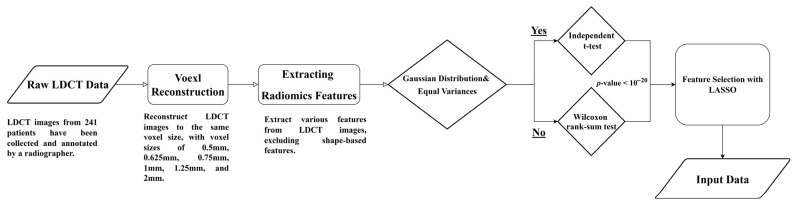 Figure 1
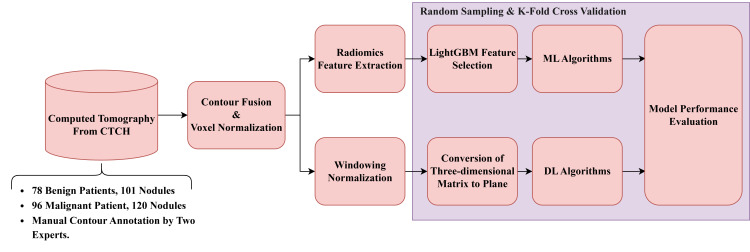 Figure 2
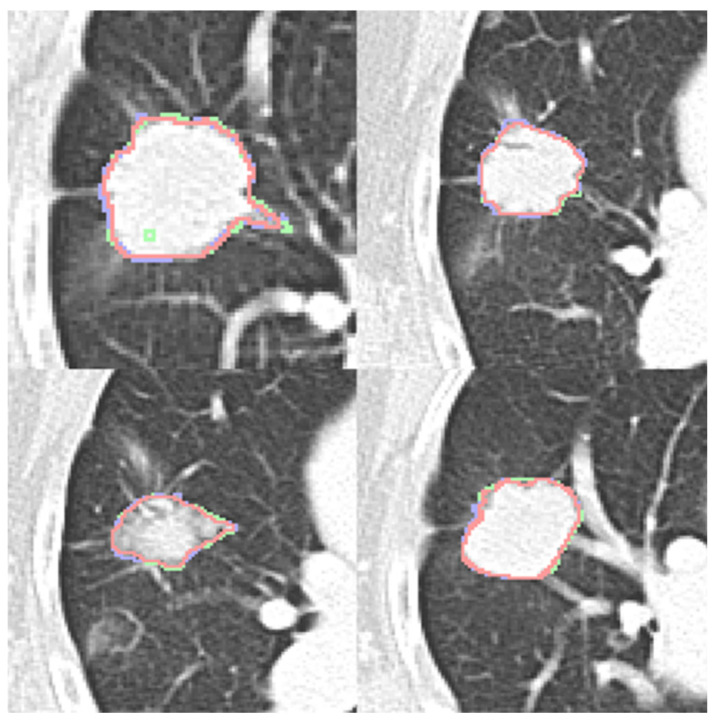 Figure 3
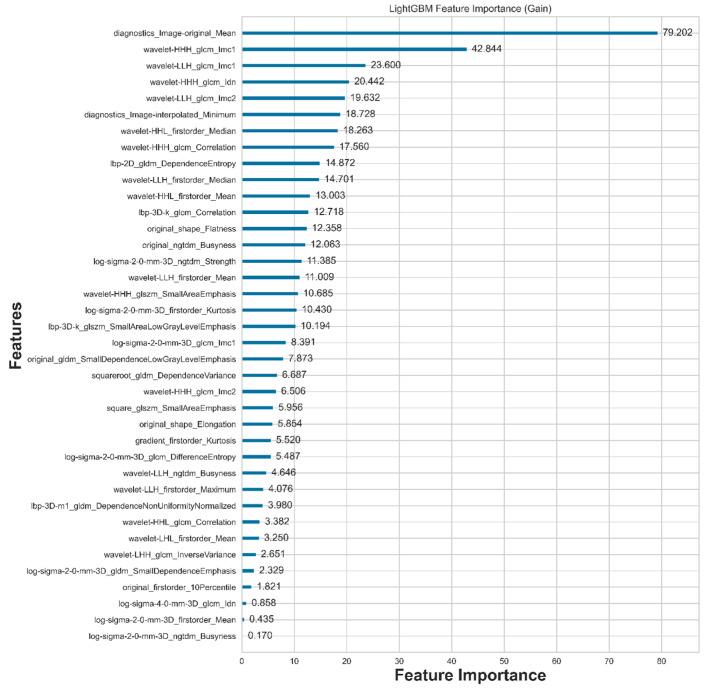 Figure 4
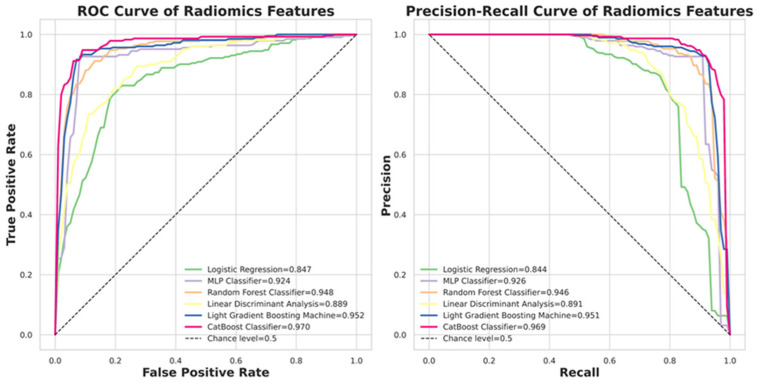 Figure 5
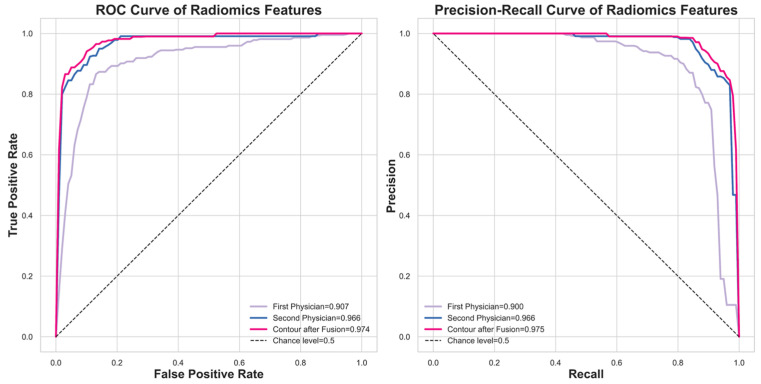 Figure 6
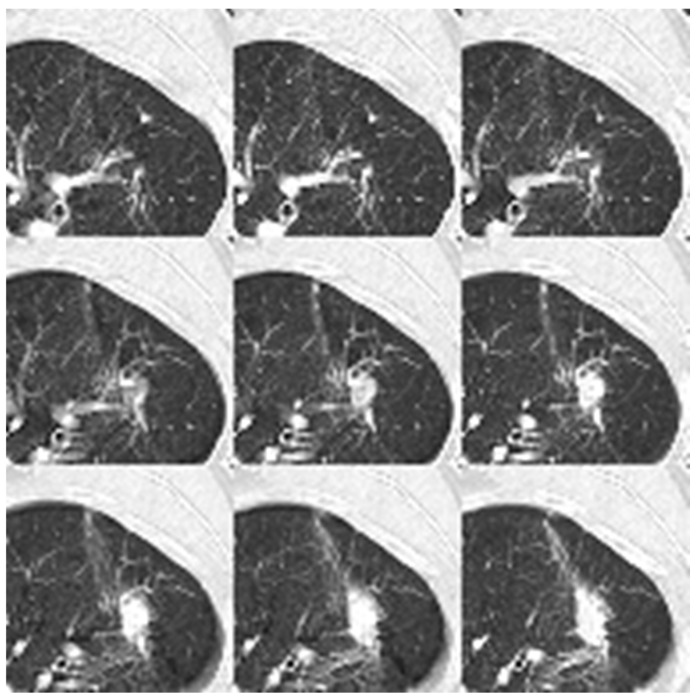 Figure 7
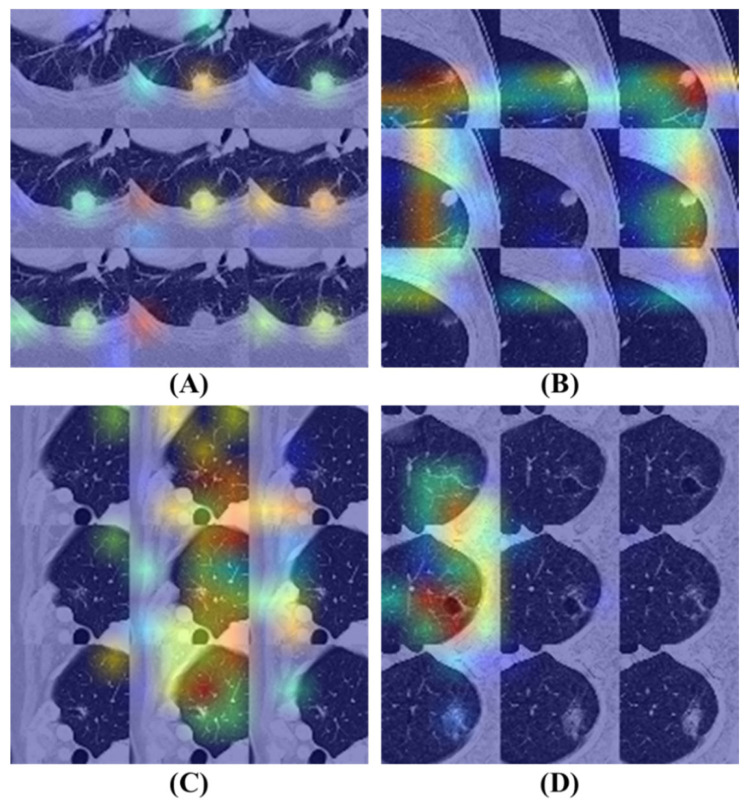 Figure 8
 Figure 9
Peer Reviews
No public reviews on file for this paper yet. If you reviewed it on a platform where reviews are public (OpenReview, ICLR, NeurIPS, ICML), you can paste yours below so the community can read it here.
Videos
No videos yet. Explain this paper in a talk, walkthrough, or lecture? Add one.
Taxonomy
TopicsRadiomics and Machine Learning in Medical Imaging · Lung Cancer Diagnosis and Treatment · AI in cancer detection