Non-Operative vs. Operative Treatment of Pediatric Proximal Humerus Fractures: Surgery Offers No Clinical or Economic Benefit, a Retrospective Study of 152 Children
Tosca Cerasoli, Marina Magnani, Marco Todisco, Marianna Viotto, Grazia Chiara Menozzi, Giulia Alessandri, Cosma Caterina Guerra, Tiziana Pianta, Giulio Maria Marcheggiani Muccioli, Gino Rocca, Giovanni Trisolino

TL;DR
Surgery for certain pediatric shoulder fractures does not improve recovery or reduce costs compared to non-operative treatment.
Contribution
Demonstrates that non-operative treatment is as effective and less costly than surgery for most pediatric proximal humerus fractures.
Findings
Non-operative treatment achieves excellent long-term outcomes even for severe pediatric shoulder fractures.
Surgical treatment does not improve recovery, shoulder function, or return-to-sport rates compared to conservative care.
Conservative management costs significantly less than surgery and avoids postoperative complications.
Abstract
What are the main findings? Non-operative treatment of pediatric proximal humerus fractures provides excellent long-term functional outcomes, even in Neer–Horowitz grade III–IV injuries.Surgical management does not improve recovery, shoulder function, or return-to-sport rates compared with conservative care. Non-operative treatment of pediatric proximal humerus fractures provides excellent long-term functional outcomes, even in Neer–Horowitz grade III–IV injuries. Surgical management does not improve recovery, shoulder function, or return-to-sport rates compared with conservative care. What are the implications of the main findings? Conservative treatment should remain the standard of care, with surgery reserved only for exceptional indications such as open fractures or neurovascular compromise.Avoiding unnecessary surgery reduces healthcare costs, minimizes postoperative issues, and…
Genes, proteins, chemicals, diseases, species, mutations and cell lines named across the full text — each resolved to its canonical identifier and authoritative record.
Click any figure to enlarge with its caption.
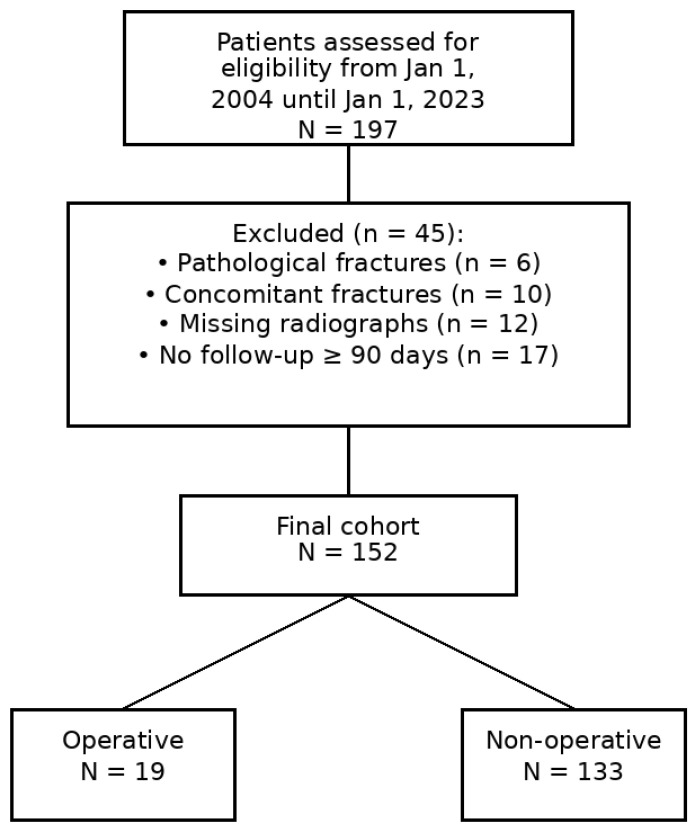 Figure 1
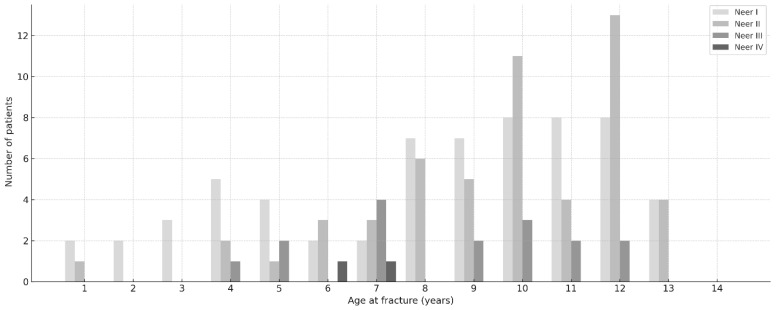 Figure 2
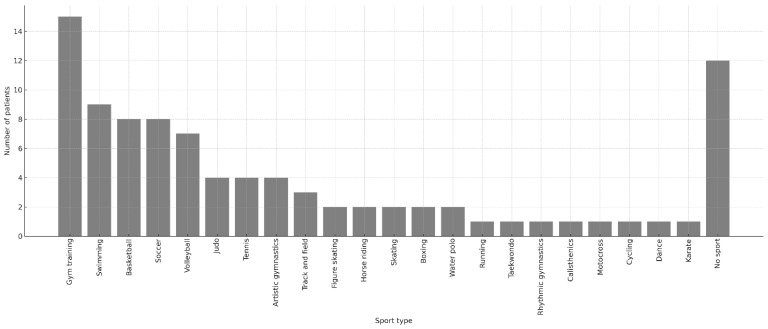 Figure 3
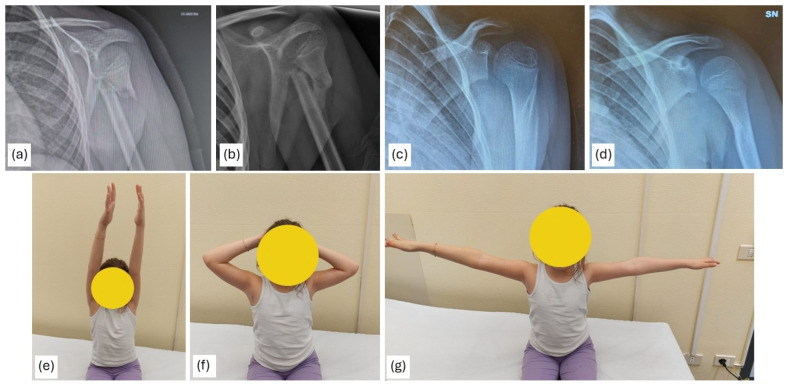 Figure 4
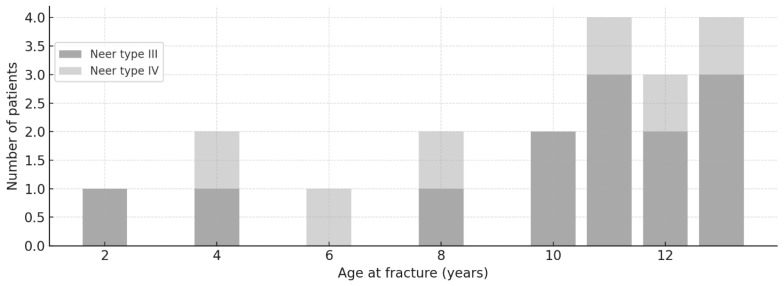 Figure 5
 Figure 6
 Figure 7
Peer Reviews
No public reviews on file for this paper yet. If you reviewed it on a platform where reviews are public (OpenReview, ICLR, NeurIPS, ICML), you can paste yours below so the community can read it here.
Videos
No videos yet. Explain this paper in a talk, walkthrough, or lecture? Add one.
Taxonomy
TopicsShoulder Injury and Treatment · Elbow and Forearm Trauma Treatment · Shoulder and Clavicle Injuries