Automated Lymph Node Localization and Segmentation in Patients with Head and Neck Cancer: Opportunities and Limitations of Using a Generic AI Model
Miriam Rinneburger, Heike Carolus, Andra-Iza Iuga, Mathilda Weisthoff, Simon Lennartz, Nils Große Hokamp, Liliana Lourenco Caldeira, Astha Jaiswal, David Maintz, Fabian Christopher Laqua, Bettina Baeßler, Tobias Klinder, Thorsten Persigehl

TL;DR
This study evaluates a generic AI model for identifying and segmenting lymph nodes in head and neck cancer patients, finding it effective for smaller nodes but less so for larger or necrotic ones.
Contribution
The study assesses the performance of a pre-trained AI model on head and neck cancer lymph nodes, highlighting its limitations in detecting enlarged or necrotic nodes.
Findings
The AI model achieved an average recall of 0.70 and a Dice score of 0.73 for lymph node segmentation.
Segmentation accuracy was similar for metastatic and non-metastatic nodes, but localization was worse for metastatic nodes.
Model performance dropped significantly for enlarged nodes (≥15 mm short-axis diameter), with a recall of 0.36.
Abstract
Background/Objectives: Accurate assessment of lymph nodes is of paramount importance for correct cN staging in head and neck cancer; however, it is very time-consuming for radiologists, and lymph node metastases of head and neck cancers may show distinct characteristics, such as central necrosis or very large size. Here, we evaluate the performance of a previously developed generic cervical lymph node segmentation model in a cohort of patients with head and neck cancer. Methods: In our retrospective single-center, multi-vendor study, we included 125 patients with head and neck cancer with at least one untreated lymph node metastasis. On the respective cervical CT scan, an experienced radiologist segmented lymph nodes semi-automatically. All 3D segmentations were confirmed by a second reader. These manual segmentations were compared to segmentations generated by an AI model previously…
Genes, proteins, chemicals, diseases, species, mutations and cell lines named across the full text — each resolved to its canonical identifier and authoritative record.
Click any figure to enlarge with its caption.
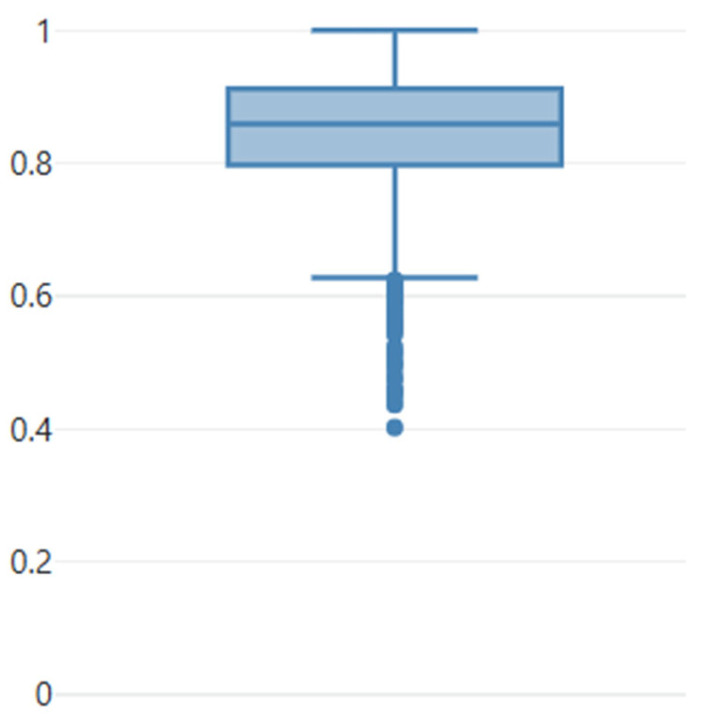 Figure 1
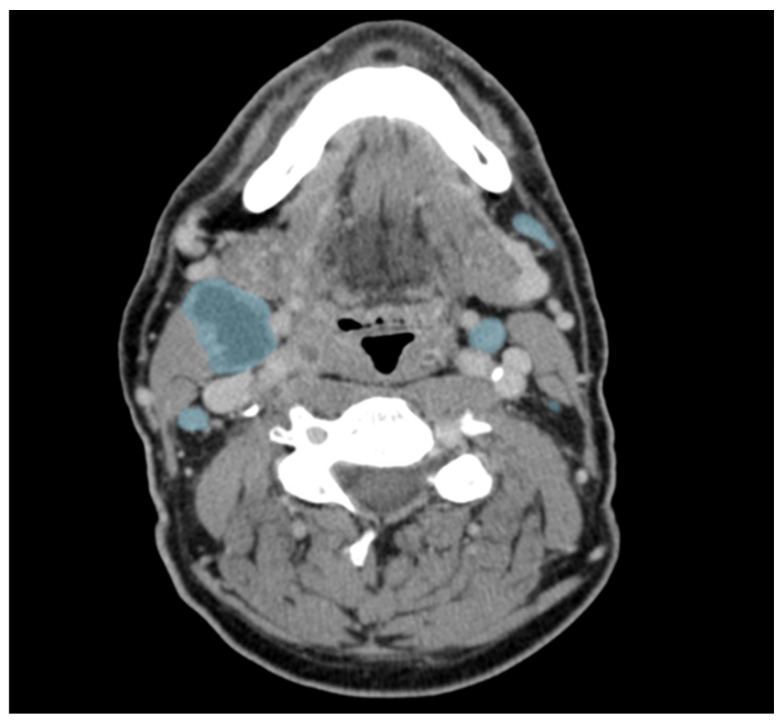 Figure 2
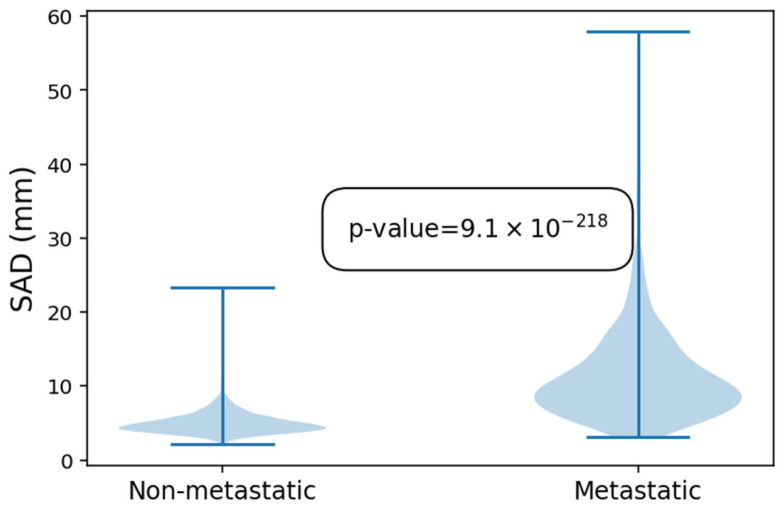 Figure 3
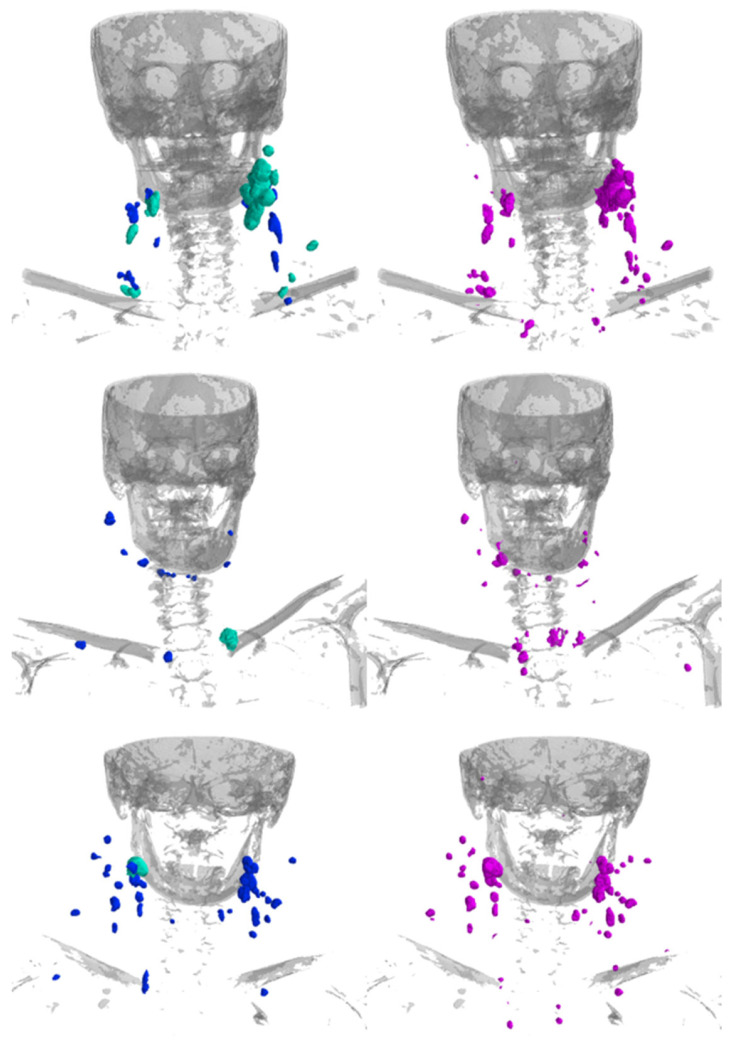 Figure 4
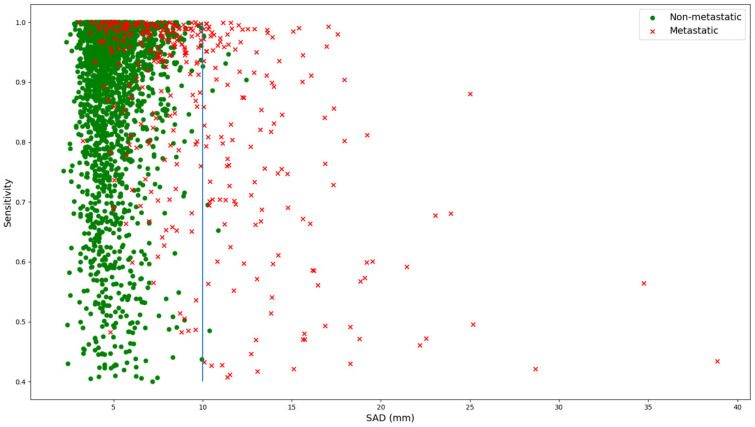 Figure 5
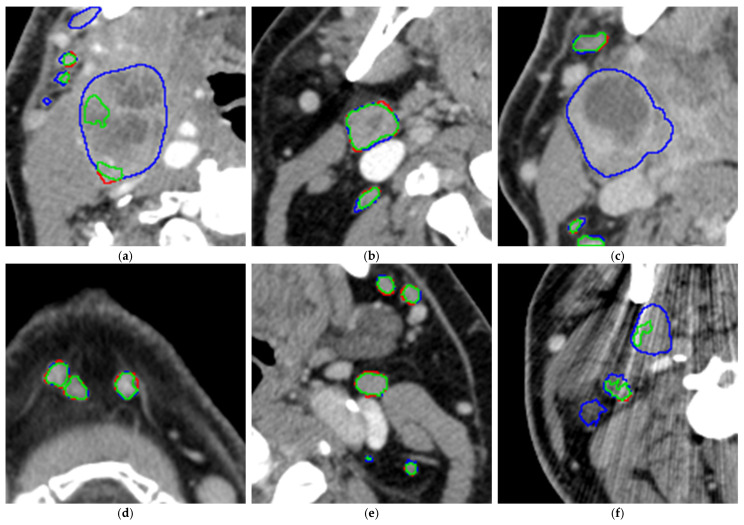 Figure 6
Peer Reviews
No public reviews on file for this paper yet. If you reviewed it on a platform where reviews are public (OpenReview, ICLR, NeurIPS, ICML), you can paste yours below so the community can read it here.
Videos
No videos yet. Explain this paper in a talk, walkthrough, or lecture? Add one.
Taxonomy
TopicsHead and Neck Cancer Studies · Endometrial and Cervical Cancer Treatments · Salivary Gland Tumors Diagnosis and Treatment