Multi-Target Anticancer Activity of Structurally Diverse Schiff Bases: Insights into Cell-Cycle Arrest, DNA Damage, Metabolic Signaling, and Biomolecular Binding
Nenad Joksimović, Jelena Petronijević, Ignjat Filipović, Nenad Janković, Bojana Ilić, Tatjana Stanojković, Ana Djurić

TL;DR
This study explores how different Schiff bases can fight cancer by affecting cell cycles, DNA damage, and metabolic signals in cancer cells.
Contribution
The study identifies multi-target anticancer mechanisms of structurally diverse Schiff bases through comprehensive biochemical and biomolecular analyses.
Findings
Three Schiff bases (A, B, F) showed strong antiproliferative effects in cancer cells.
Compounds induced cell cycle arrest and DNA damage at subtoxic concentrations.
Binding to bovine serum albumin and disruption of metabolic signaling were observed.
Abstract
Schiff bases are widely studied for their biological activities, yet structure–activity relationships governing their anticancer potential remain insufficiently understood. In this work, eight structurally diverse imine derivatives (A–H) were evaluated for their cytotoxic, biochemical, and biomolecular interactions in human cancer cells. Their antiproliferative effects were assessed in HeLa, A549, and LS174T cell lines, with MRC-5 fibroblasts used as a non-malignant control. Cytotoxicity screening identified three compounds (A, B, and F) with the highest potency, prompting further mechanistic investigation. Cell cycle analysis revealed G1 arrest and accumulation of sub-G1 populations for all three derivatives, with compound B additionally increasing S-phase content and compound F inducing G2/M arrest. All compounds reduced intracellular ROS levels and caused significant DNA damage at…
Genes, proteins, chemicals, diseases, species, mutations and cell lines named across the full text — each resolved to its canonical identifier and authoritative record.
Click any figure to enlarge with its caption.
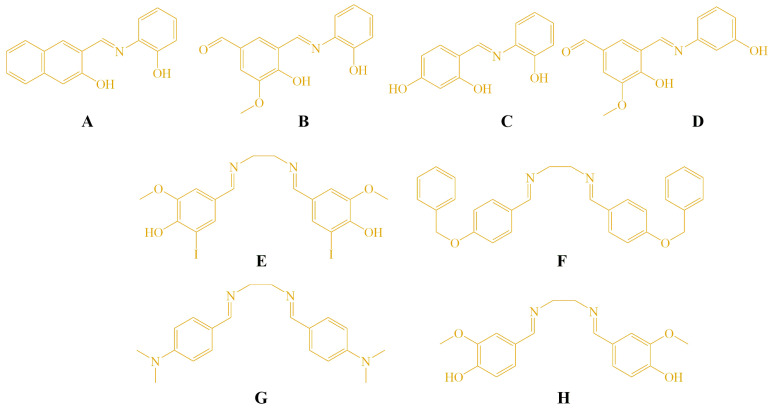 Figure 1
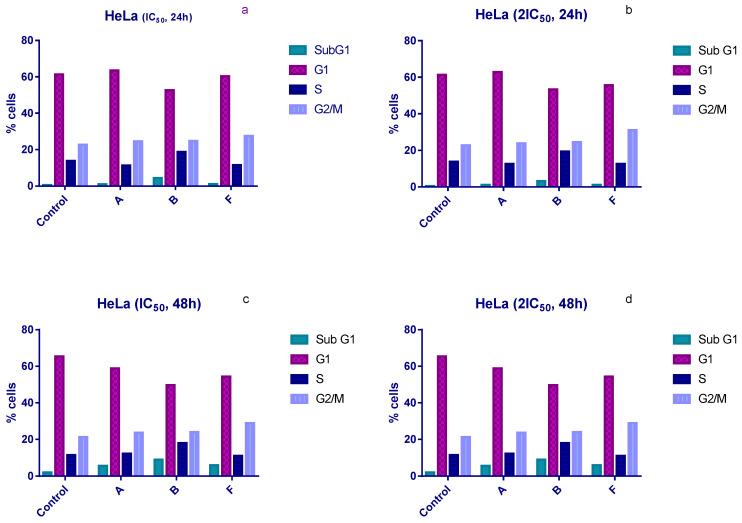 Figure 2
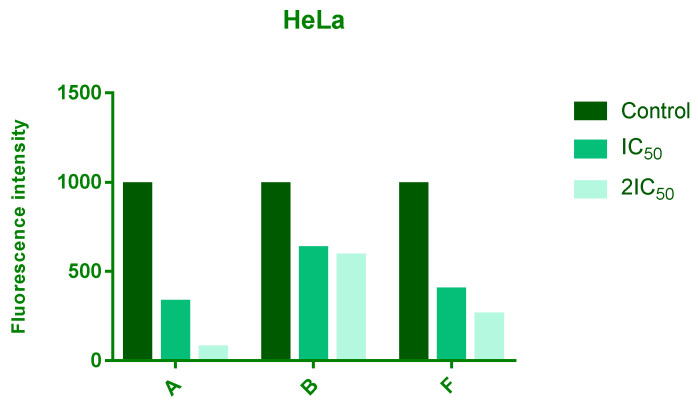 Figure 3
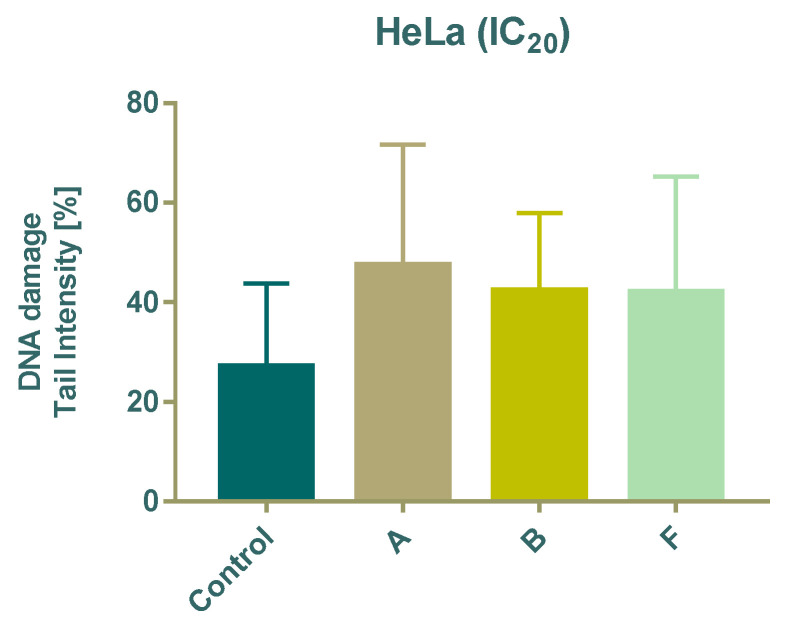 Figure 4
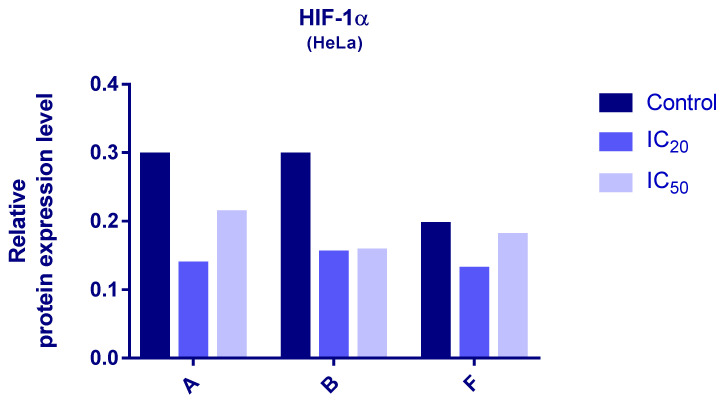 Figure 5
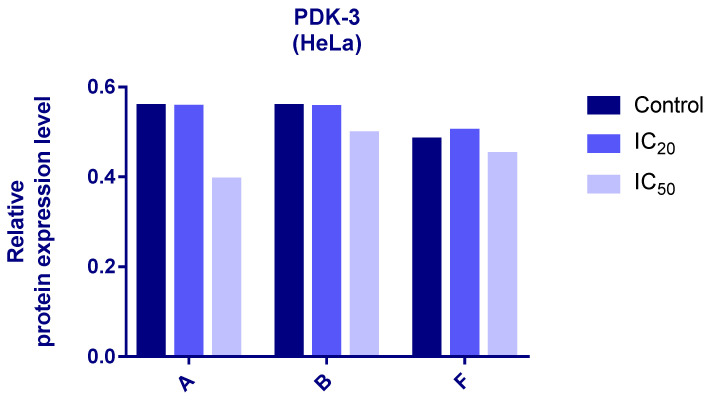 Figure 6
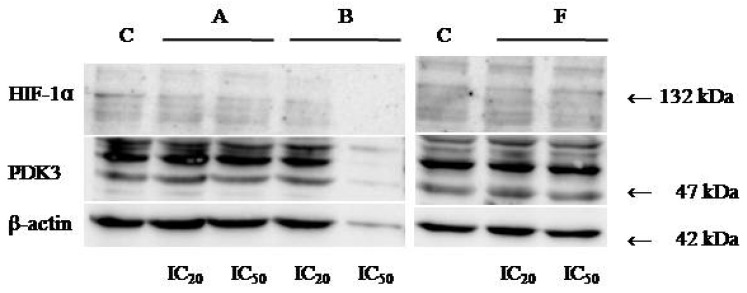 Figure 7
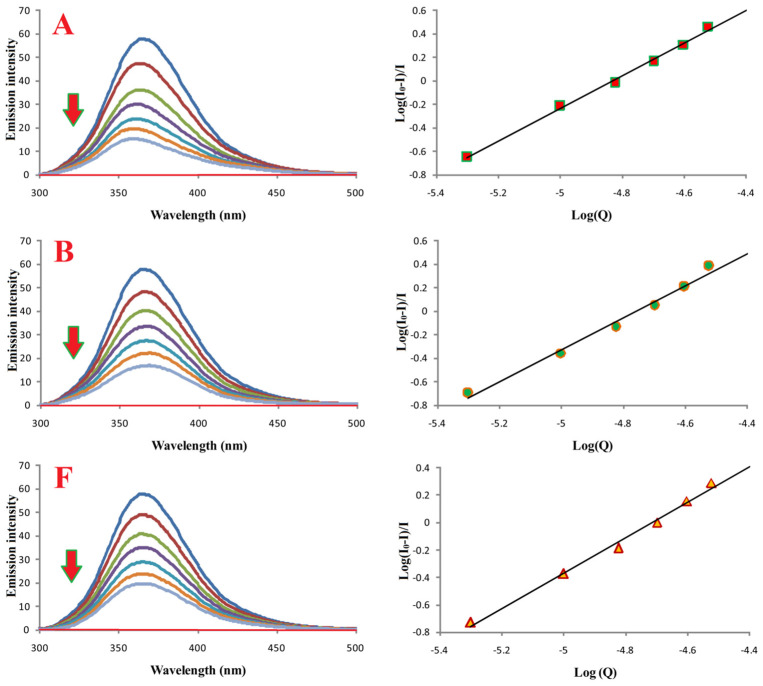 Figure 8
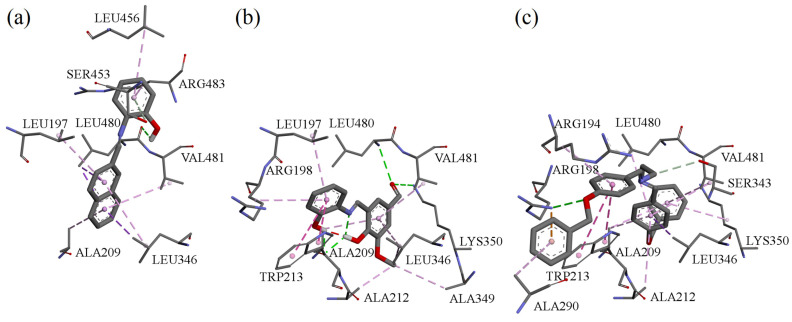 Figure 9
Peer Reviews
No public reviews on file for this paper yet. If you reviewed it on a platform where reviews are public (OpenReview, ICLR, NeurIPS, ICML), you can paste yours below so the community can read it here.
Videos
No videos yet. Explain this paper in a talk, walkthrough, or lecture? Add one.
Taxonomy
TopicsMetal complexes synthesis and properties · Protein Interaction Studies and Fluorescence Analysis · Enzyme function and inhibition