Polysaccharides Extraction from Opuntia milpa alta and Their Protective Effect on Alcohol-Induced Neuro 2a Cell Damage via Ferroptosis
Congyue Xu, Lin Chen, Qin Ru, Yuxiang Wu

TL;DR
This study shows that polysaccharides from Opuntia milpa alta protect brain cells from alcohol damage by preventing a type of cell death called ferroptosis.
Contribution
The study reveals a novel protective mechanism of Opuntia milpa alta polysaccharides against alcohol-induced neuronal damage via ferroptosis inhibition.
Findings
MAPs are composed of nine monosaccharides and uronic acids with a high molecular weight and specific structural features.
MAPs reduce alcohol-induced iron deposition and modulate ferroptosis-related proteins in Neuro 2a cells.
The protective effect of MAPs is linked to their ability to inhibit ferroptosis in alcohol-damaged neurons.
Abstract
Alcohol enters the brain through the blood–brain barrier and causes neuronal damage in various ways, additionally long-term and heavy drinking also leads to both structural and functional changes in the central nervous system. Currently, there is a lack of specific therapeutic approaches for alcohol-induced nerve injury. Opuntia milpa alta polysaccharides (MAPs) have various physiological activities such as antioxidant, anti-inflammatory, and neuroprotective effects, but it is not clear how they protect against alcohol-induced nerve injury. In this study, firstly, we structurally characterized homemade MAPs and analyzed the relevance of MAPs in protecting against alcoholic neuronal cell injury and ferroptosis. The results showed that MAPs consisted of nine different monosaccharides and uronic acids. High performance gel permeation chromatography analysis showed that MAPs were…
Genes, proteins, chemicals, diseases, species, mutations and cell lines named across the full text — each resolved to its canonical identifier and authoritative record.
Click any figure to enlarge with its caption.
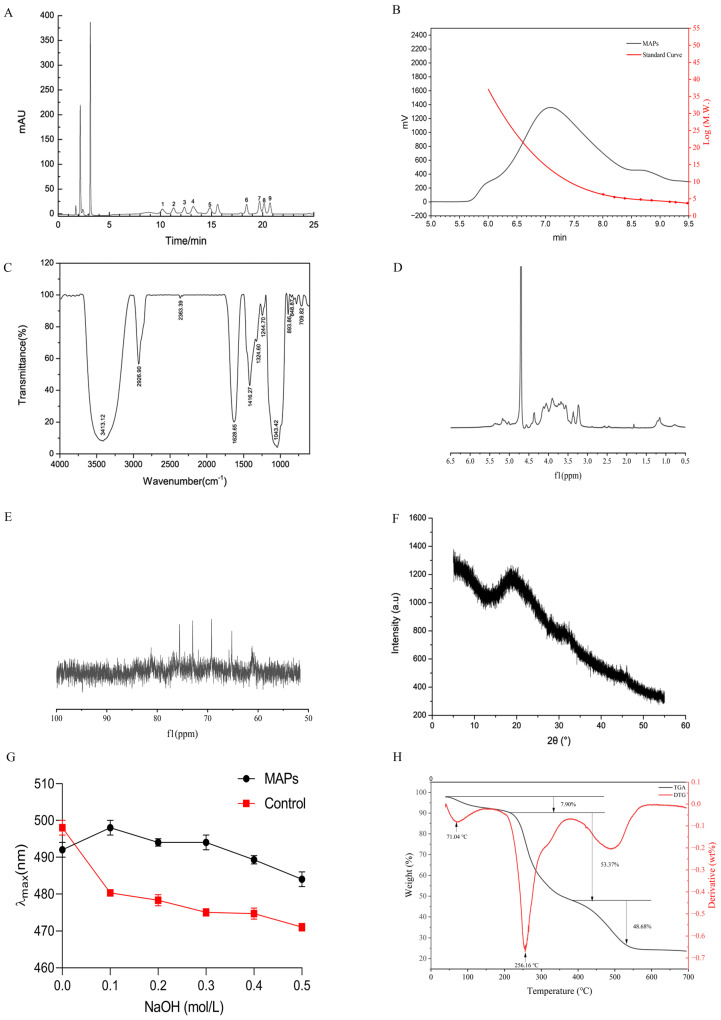 Figure 1
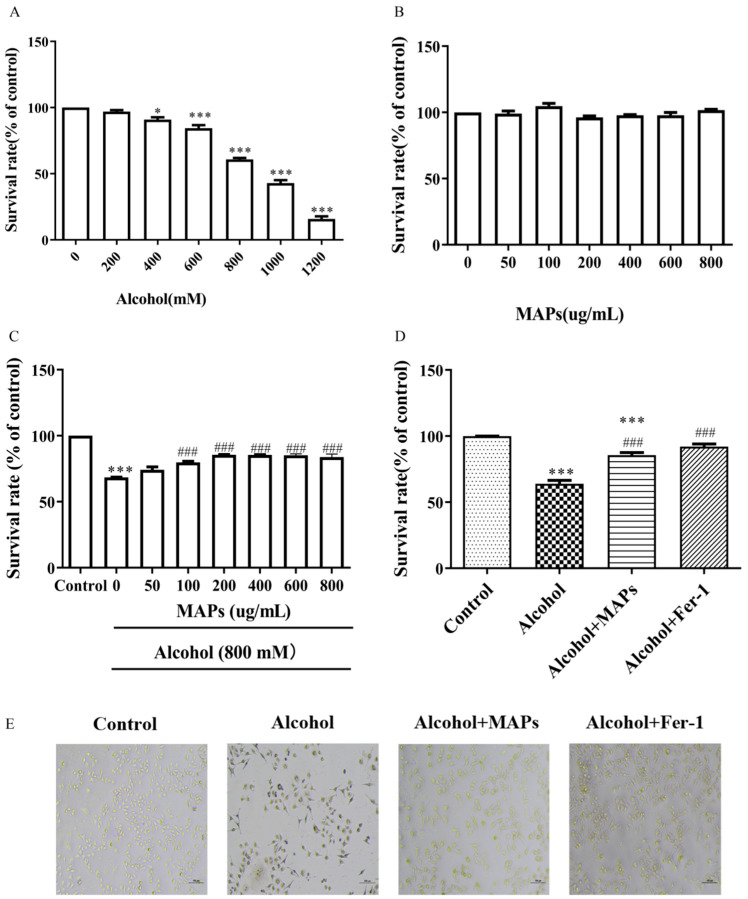 Figure 2
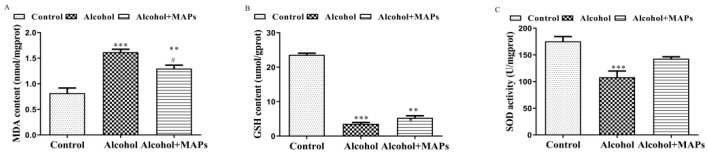 Figure 3
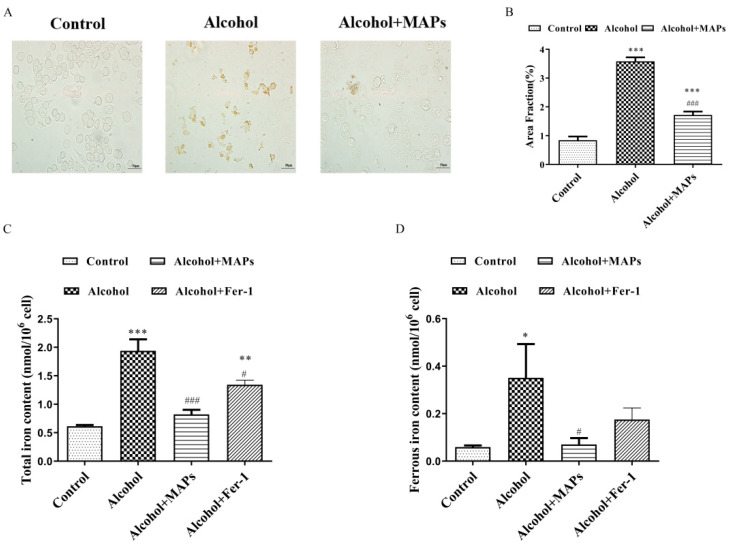 Figure 4
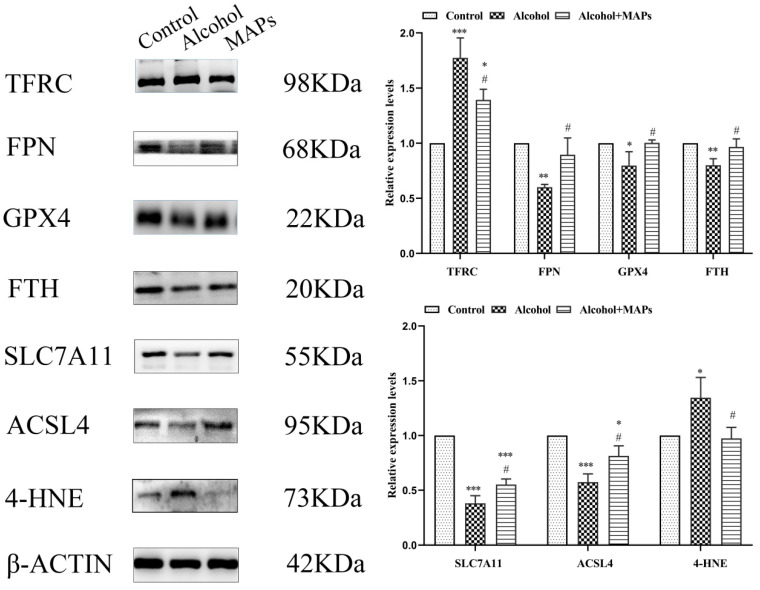 Figure 5
Peer Reviews
No public reviews on file for this paper yet. If you reviewed it on a platform where reviews are public (OpenReview, ICLR, NeurIPS, ICML), you can paste yours below so the community can read it here.
Videos
No videos yet. Explain this paper in a talk, walkthrough, or lecture? Add one.
Taxonomy
TopicsPolysaccharides and Plant Cell Walls · Seaweed-derived Bioactive Compounds · Botanical Research and Applications