Beyond BMI: Ultrasound-Detected Visceral Adiposity as a Predictor of Early Cardiometabolic Dysfunction in Youth with Type 1 Diabetes
Sukriye Ozde, Gulsah Akture, Mehmet Ali Ozel, Fatma Yavuzyilmaz, Cem Ozde, Osman Kayapinar, Ilknur Arslanoglu

TL;DR
This study shows that ultrasound-measured visceral fat in children with type 1 diabetes is linked to early heart and metabolic issues, even when body weight is normal.
Contribution
The study introduces ultrasound-based visceral adiposity as a novel, noninvasive predictor of cardiometabolic risk in pediatric type 1 diabetes.
Findings
Children with type 1 diabetes have significantly higher perirenal and epicardial fat thickness compared to healthy controls.
Visceral fat thickness is associated with reduced insulin sensitivity, inflammation, and early atherosclerosis in youth with type 1 diabetes.
Ultrasound-based visceral fat measurements are independent predictors of cardiometabolic risk beyond BMI.
Abstract
What are the main findings? •Perirenal and epicardial adipose tissue thicknesses are significantly increased in children and adolescents with type 1 diabetes mellitus, independent of overall body mass index.•Higher visceral adipose tissue thickness is associated with reduced insulin sensitivity, systemic inflammation, and increased carotid intima–media thickness, indicating early subclinical atherosclerosis. Perirenal and epicardial adipose tissue thicknesses are significantly increased in children and adolescents with type 1 diabetes mellitus, independent of overall body mass index. Higher visceral adipose tissue thickness is associated with reduced insulin sensitivity, systemic inflammation, and increased carotid intima–media thickness, indicating early subclinical atherosclerosis. What are the implications of the main findings? •Ultrasonographic assessment of perirenal and…
Genes, proteins, chemicals, diseases, species, mutations and cell lines named across the full text — each resolved to its canonical identifier and authoritative record.
Click any figure to enlarge with its caption.
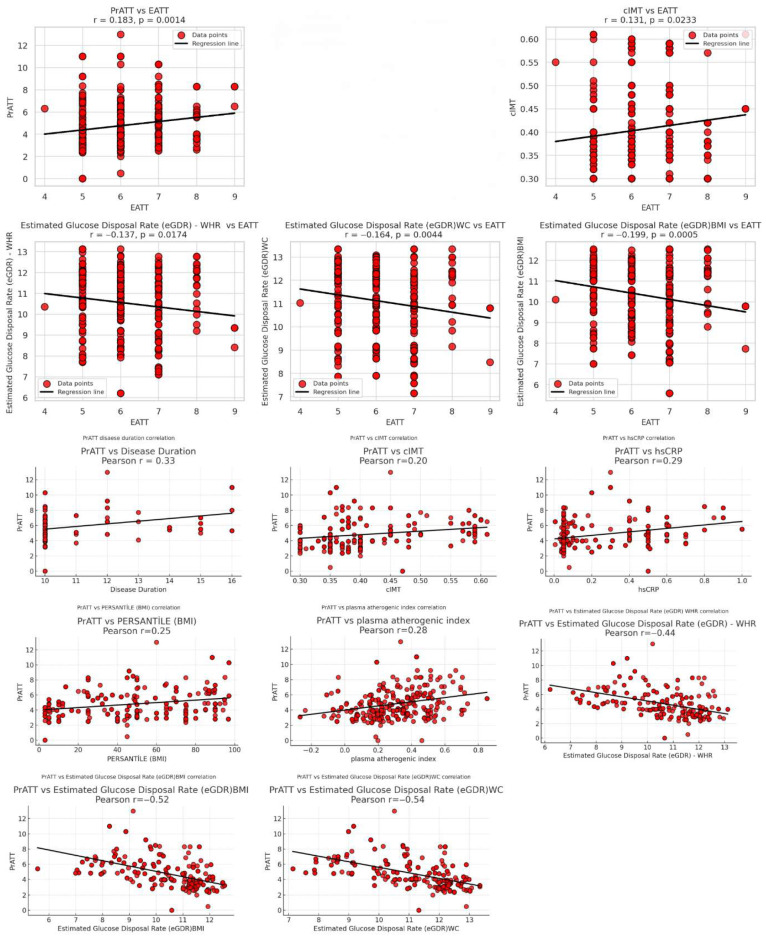 Figure 1
Peer Reviews
No public reviews on file for this paper yet. If you reviewed it on a platform where reviews are public (OpenReview, ICLR, NeurIPS, ICML), you can paste yours below so the community can read it here.
Videos
No videos yet. Explain this paper in a talk, walkthrough, or lecture? Add one.
Taxonomy
TopicsCardiovascular Disease and Adiposity · Cardiovascular Function and Risk Factors · Adipokines, Inflammation, and Metabolic Diseases