Behavioral, Histopathological, and Biochemical Implications of Aloe Emodin in Copper-Aβ-Induced Alzheimer’s Disease-like Model Rats
Xitong Zhao, Jianing Yin, Baojian Du, Wenqian Fan, Yang Chen, Yazhu Yang, Fang Fang, Jun Guan

TL;DR
Aloe emodin, a compound from rhubarb, may help treat Alzheimer’s disease by reducing brain copper levels and beta-amyloid buildup in rat models.
Contribution
This study demonstrates aloe emodin’s novel ability to target copper-induced Aβ toxicity in Alzheimer’s disease models.
Findings
Aloe emodin reduced copper accumulation and regulated Aβ metabolism in rat brain tissues.
Treatment improved memory impairment and hippocampal nerve cell damage in model rats.
Biochemical indicators of Aβ pathology were ameliorated by aloe emodin treatment.
Abstract
Simultaneously inhibiting beta-amyloid protein (Aβ) aggregation and reducing metal ion overload in the brain is a promising strategy for treating Alzheimer’s disease (AD). Aloe emodin (AE) is one of the major components of the traditional Chinese medicine rhubarb. Based on its reported pharmacological effects and its structural affinity for metal ions, this study aims to explore the potential of AE in improving AD pathology. Through the injection of Aβ or copper-Aβ complex in the bilateral hippocampus of rats, we constructed two kinds of nontransgenic animal models. Behavioral tests were used to evaluate cognitive impairment, and the effects of AE on neuronal damage and Aβ deposition were measured via Nissl staining and immunohistochemistry. Furthermore, we detected copper content in the serum and brain tissues as well as some biochemical indexes of Aβ cascade pathology in the brain…
Genes, proteins, chemicals, diseases, species, mutations and cell lines named across the full text — each resolved to its canonical identifier and authoritative record.
Click any figure to enlarge with its caption.
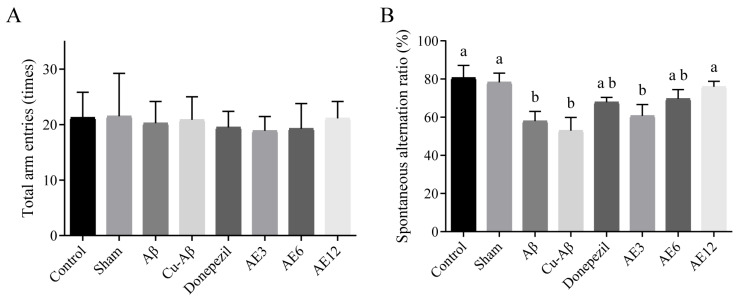 Figure 1
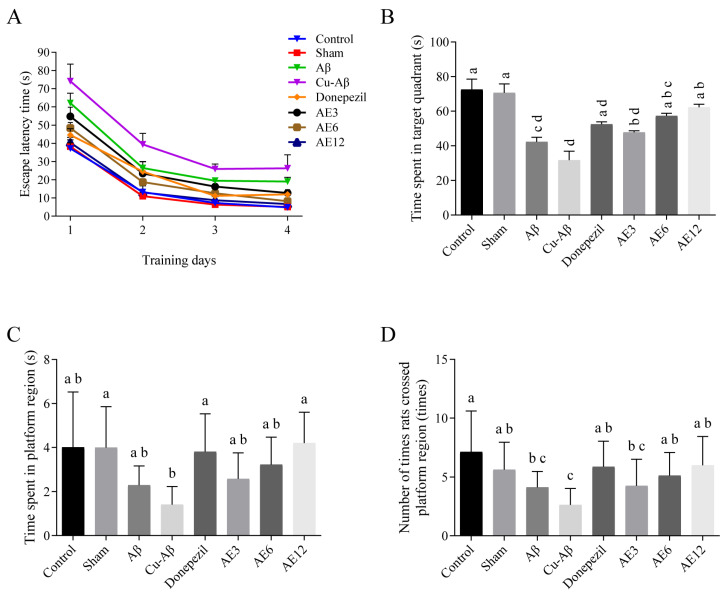 Figure 2
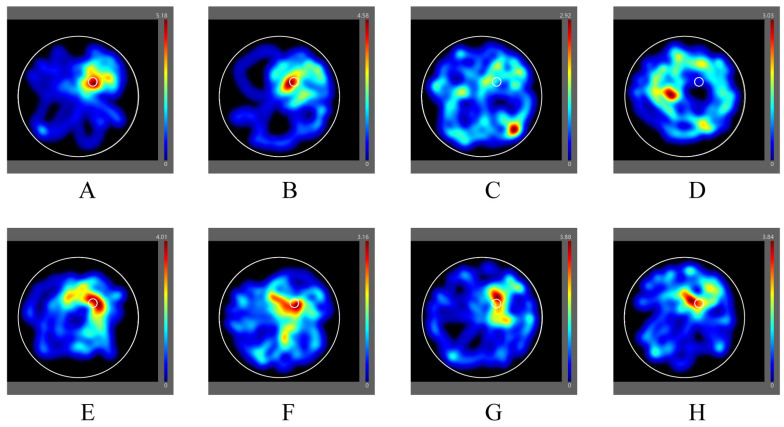 Figure 3
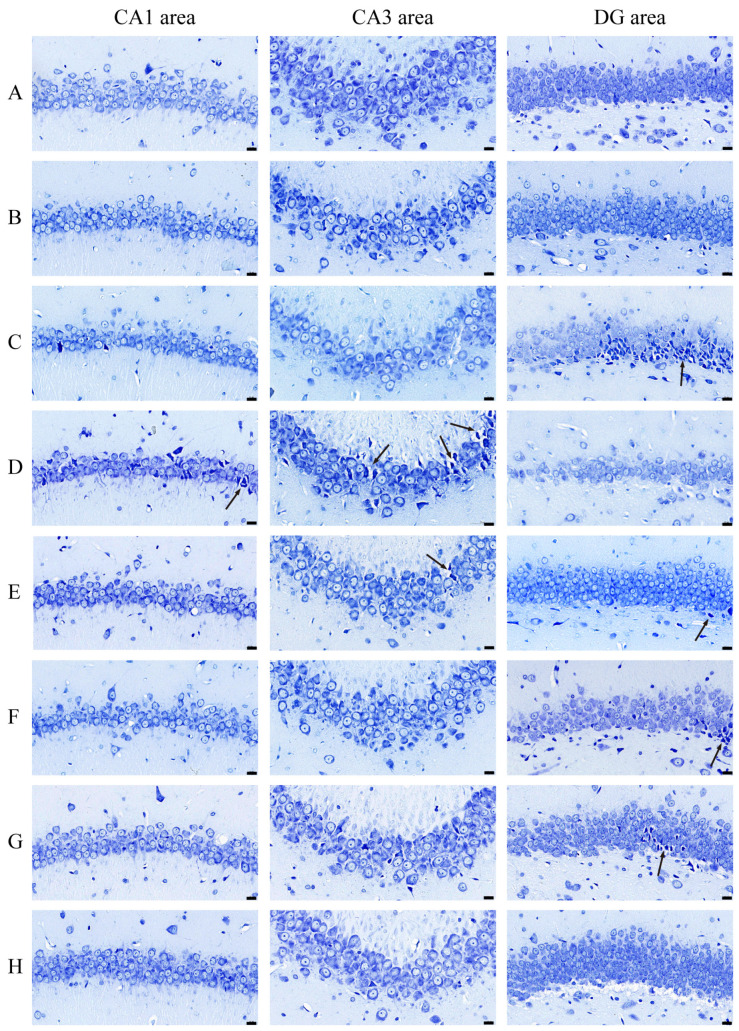 Figure 4
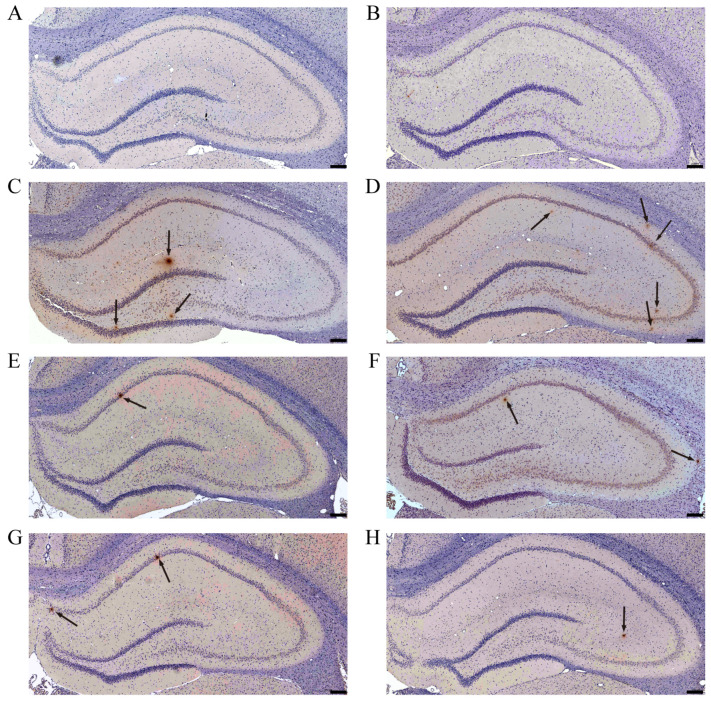 Figure 5
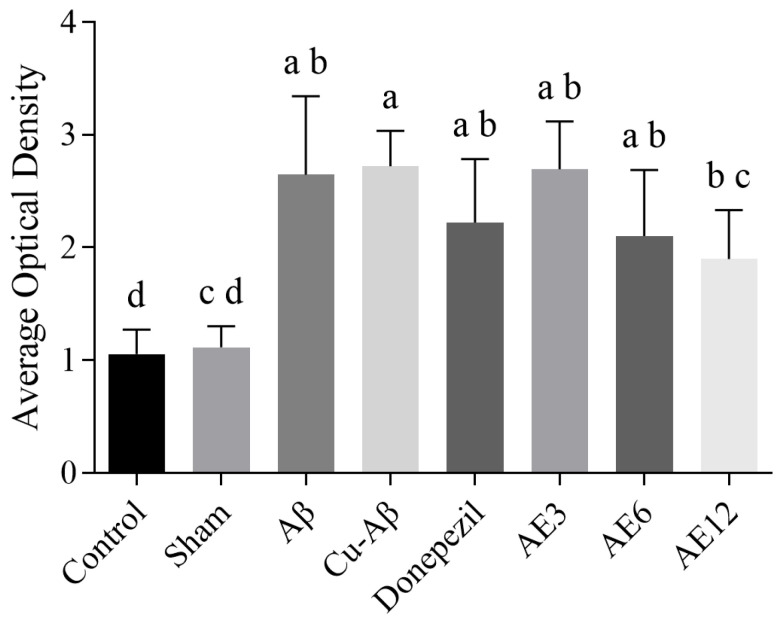 Figure 6
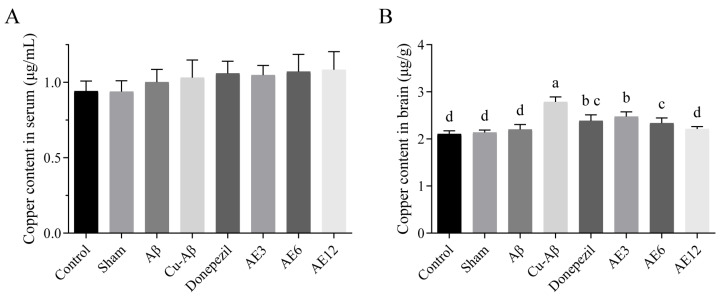 Figure 7
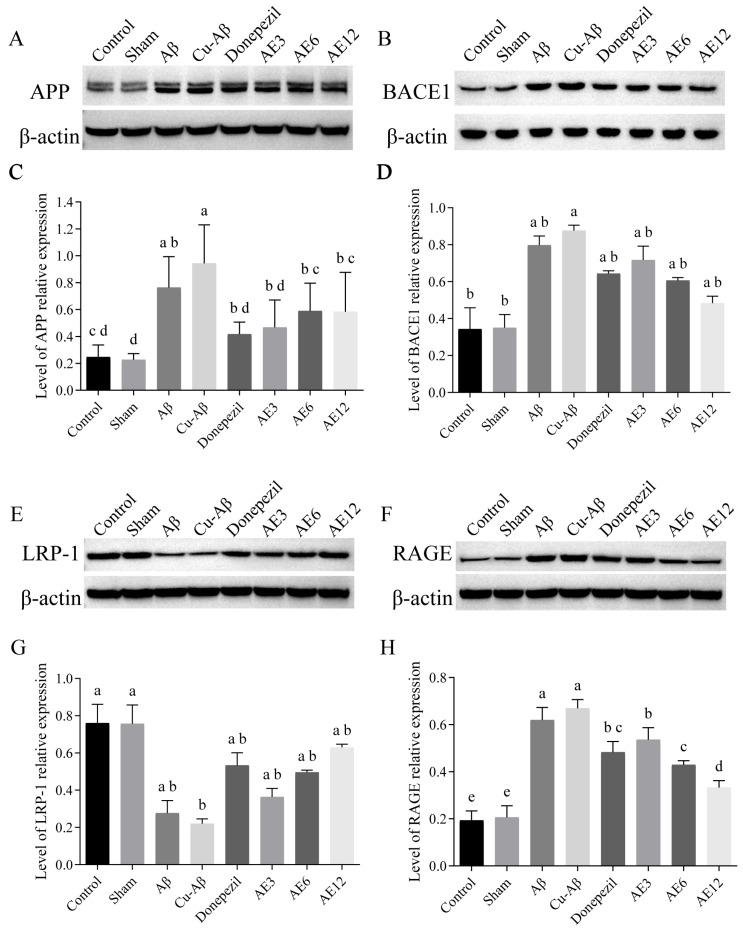 Figure 8
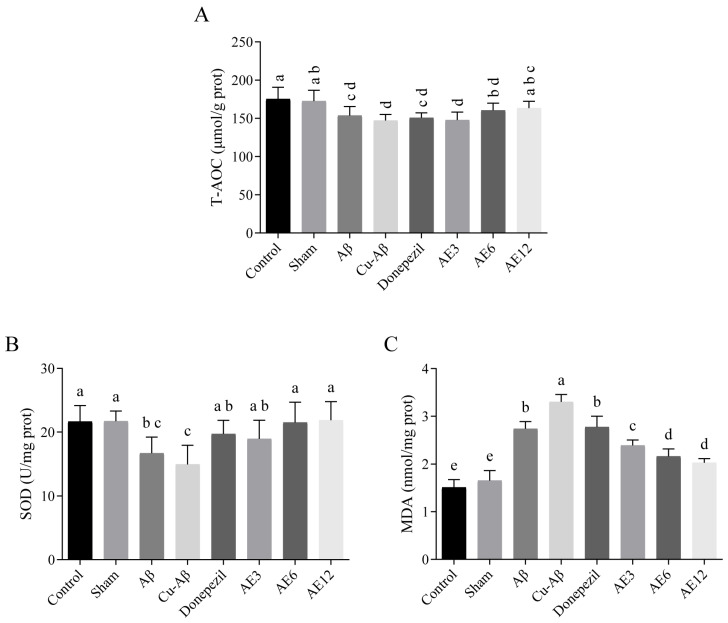 Figure 9
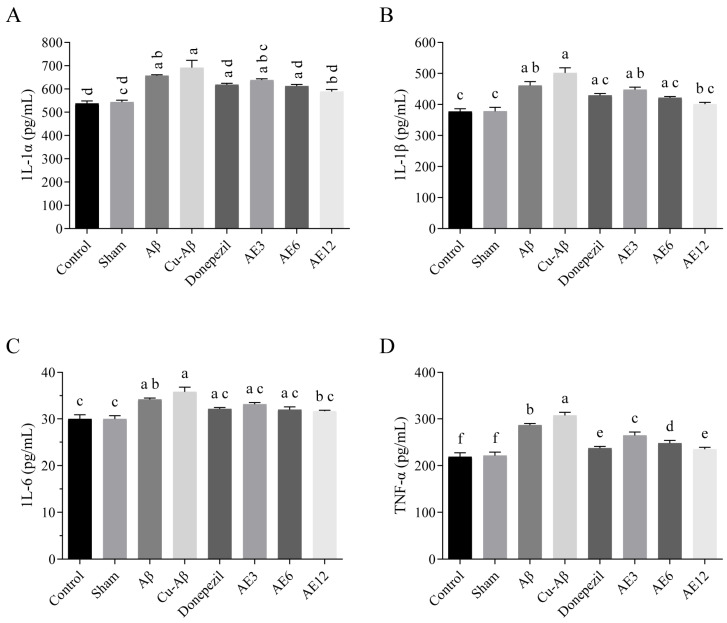 Figure 10
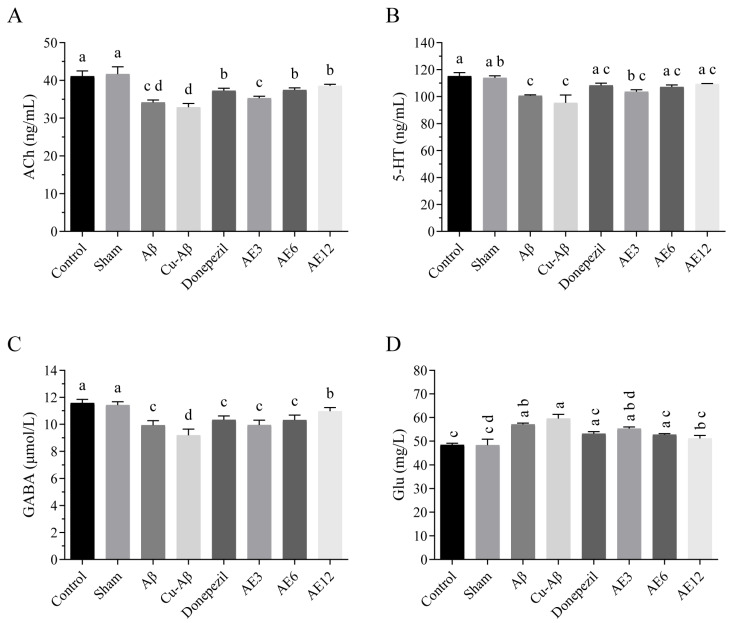 Figure 11
Peer Reviews
No public reviews on file for this paper yet. If you reviewed it on a platform where reviews are public (OpenReview, ICLR, NeurIPS, ICML), you can paste yours below so the community can read it here.
Videos
No videos yet. Explain this paper in a talk, walkthrough, or lecture? Add one.
Taxonomy
TopicsPhytochemistry and biological activity of medicinal plants · Ginseng Biological Effects and Applications · Ginger and Zingiberaceae research