Characterization of Low-Alcohol Wines Obtained by Post-Fermentative Reverse Osmosis and Vacuum Concentration
Răzvan Vasile Filimon, Florin Dumitru Bora, Constantin Bogdan Nechita, Marius Niculaua, Cătălin Ioan Zamfir, Roxana Mihaela Filimon, Ancuţa Nechita, Valeriu V. Cotea

TL;DR
This study compares two methods for making low-alcohol wines and finds that one method better preserves wine quality and flavor.
Contribution
The study introduces a novel comparison of reverse osmosis and vacuum concentration techniques for producing low-alcohol wines.
Findings
TSVC produced wines with higher phenolic content and better sensory properties than ROVC.
Alcohol reduction below 5.50% vol. significantly impacted wine quality and acceptability.
TSVC wines were statistically closer in composition to conventional wines.
Abstract
In the context of climate change and the general trend toward a healthy lifestyle, reducing the alcoholic strength of wines poses a major challenge for producers. In order to obtain quality low-alcohol wines (LAWs), Muscat Ottonel conventional wine was subjected to reverse osmosis followed by vacuum concentration of the hydroalcoholic permeate (ROVC) or to two-step vacuum concentration (TSVC), with the recovery of aromas as the first alcoholic fraction (F1). Beverages with alcoholic concentrations of 3.50, 5.50, and 8.50% vol. were obtained, with compositional characteristics and sensory properties varying significantly with alcoholic strength and dealcoholization technique applied. ROVC produced wines with organic acids, volatile constituents, extract, and color intensity decreasing progressively with the reduction in alcohol concentration. At similar alcohol concentration, TSVC LAW…
Genes, proteins, chemicals, diseases, species, mutations and cell lines named across the full text — each resolved to its canonical identifier and authoritative record.
Click any figure to enlarge with its caption.
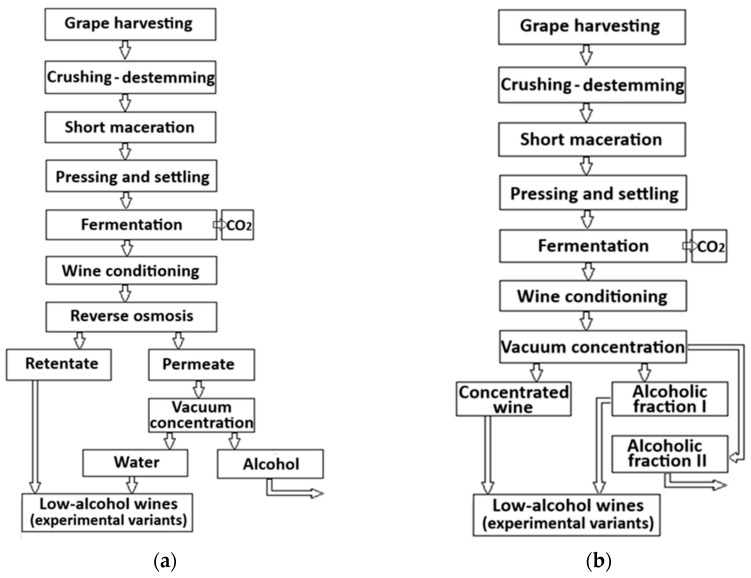 Figure 1
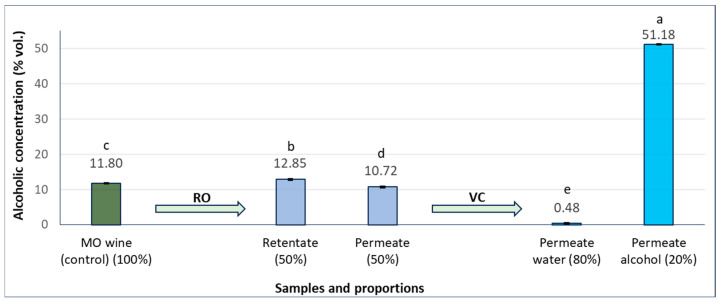 Figure 2
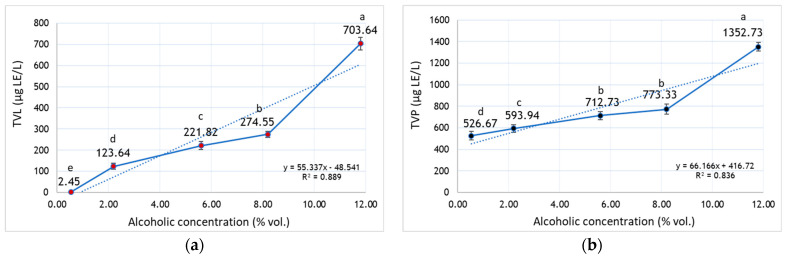 Figure 3
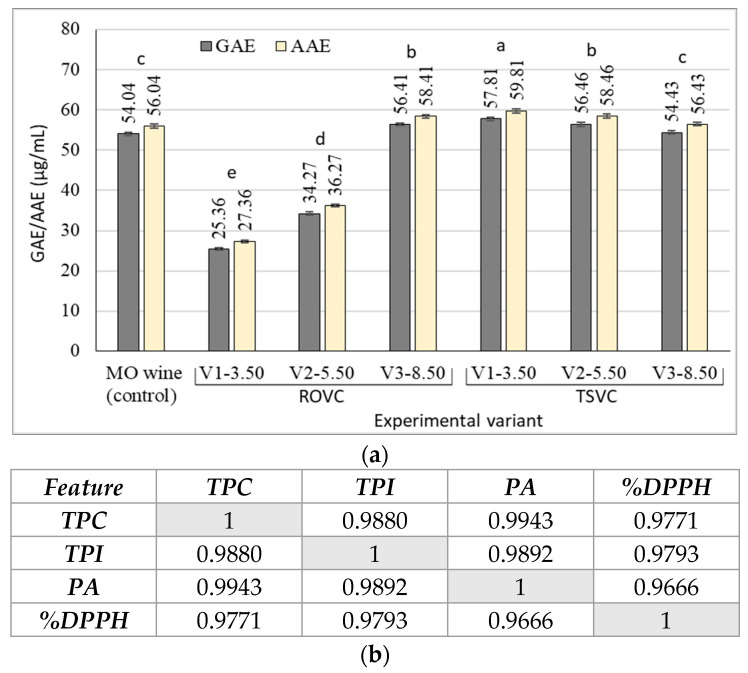 Figure 4
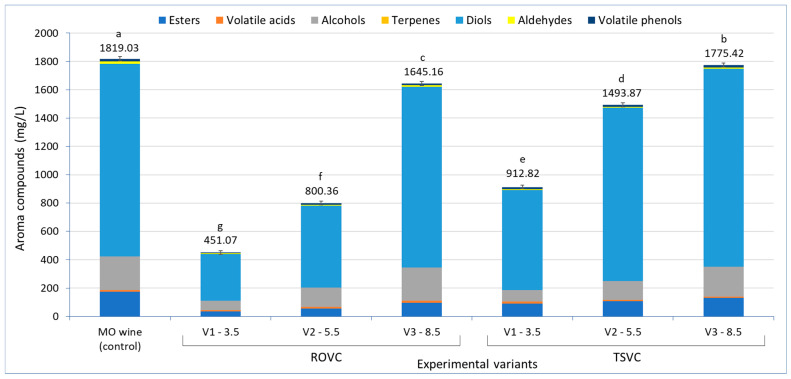 Figure 5
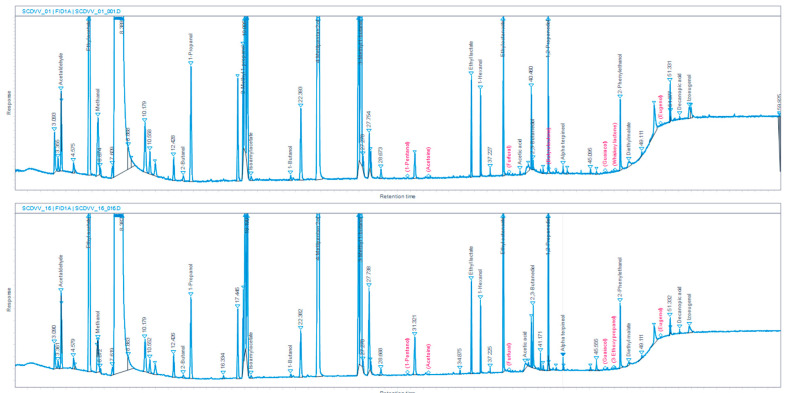 Figure 6
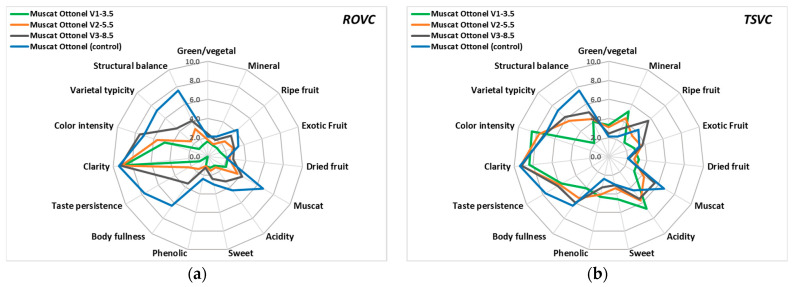 Figure 7
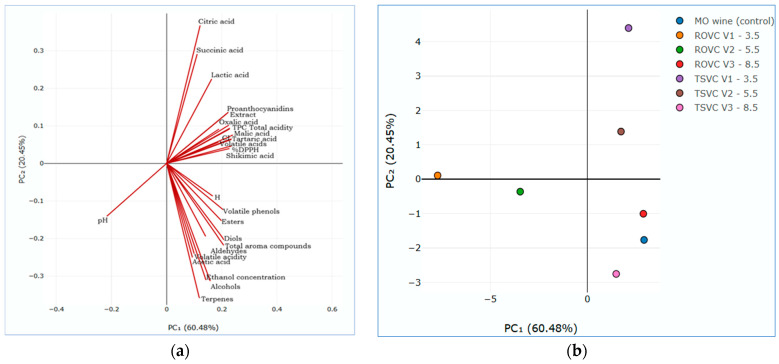 Figure 8
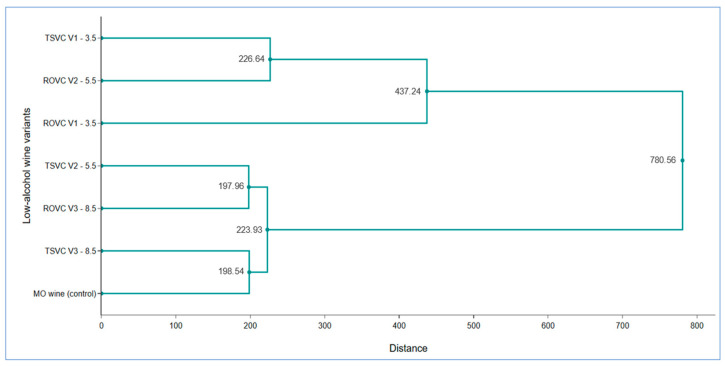 Figure 9
Peer Reviews
No public reviews on file for this paper yet. If you reviewed it on a platform where reviews are public (OpenReview, ICLR, NeurIPS, ICML), you can paste yours below so the community can read it here.
Videos
No videos yet. Explain this paper in a talk, walkthrough, or lecture? Add one.
Taxonomy
TopicsFermentation and Sensory Analysis · Edible Oils Quality and Analysis · Wine Industry and Tourism