Near-Optimal Decoding Algorithm for Color Codes Using Population Annealing
Fernando Martínez-García, Francisco Revson F. Pereira, Pedro Parrado-Rodríguez

TL;DR
This paper introduces a new decoding algorithm for quantum error correction that achieves high performance across various noise models.
Contribution
A novel decoder using Population Annealing to estimate error recovery probabilities in quantum codes is proposed and evaluated.
Findings
The decoder reaches near-optimal thresholds for bit-flip and depolarizing noise.
It achieves the highest reported threshold for phenomenological noise in color codes.
The algorithm is applicable to multiple stabilizer codes like surface and qLDPC codes.
Abstract
The development and use of large-scale quantum computers relies on integrating quantum error-correcting (QEC) schemes into the quantum computing pipeline. A fundamental part of the QEC protocol is the decoding of the syndrome to identify a recovery operation with a high success rate. In this work, we implement a decoder that finds the recovery operation with the highest success probability by mapping the decoding problem to a spin system and using Population Annealing to estimate the free energy of the different error classes. We study the decoder performance on a 4.8.8 color code lattice under different noise models, including code capacity with bit-flip and depolarizing noise, and phenomenological noise, which considers noisy measurements, with performance reaching near-optimal thresholds for bit-flip and depolarizing noise, and the highest reported threshold for phenomenological…
Click any figure to enlarge with its caption.
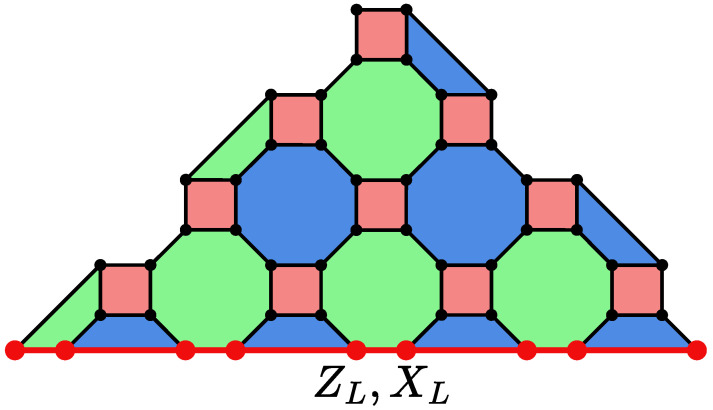 Figure 1
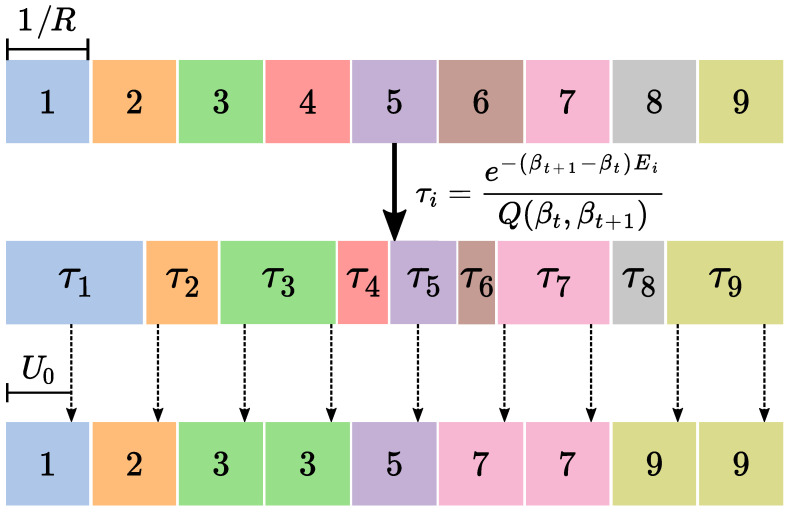 Figure 2
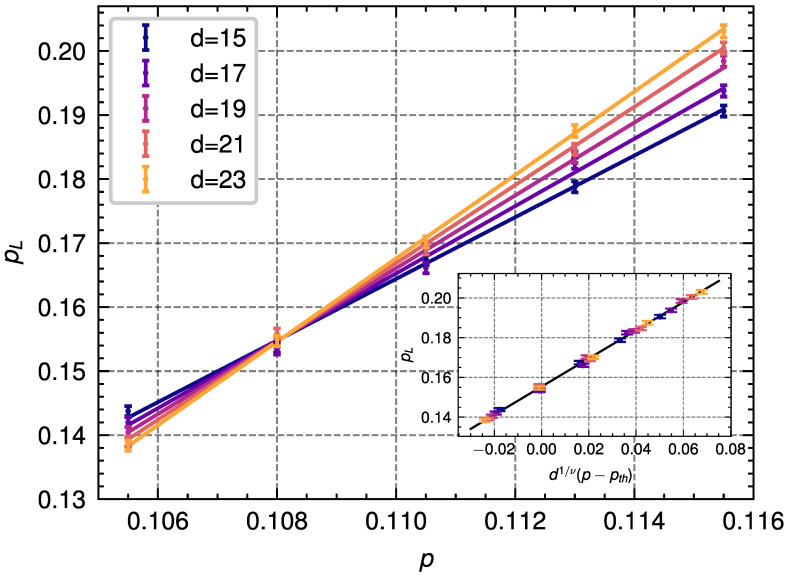 Figure 3
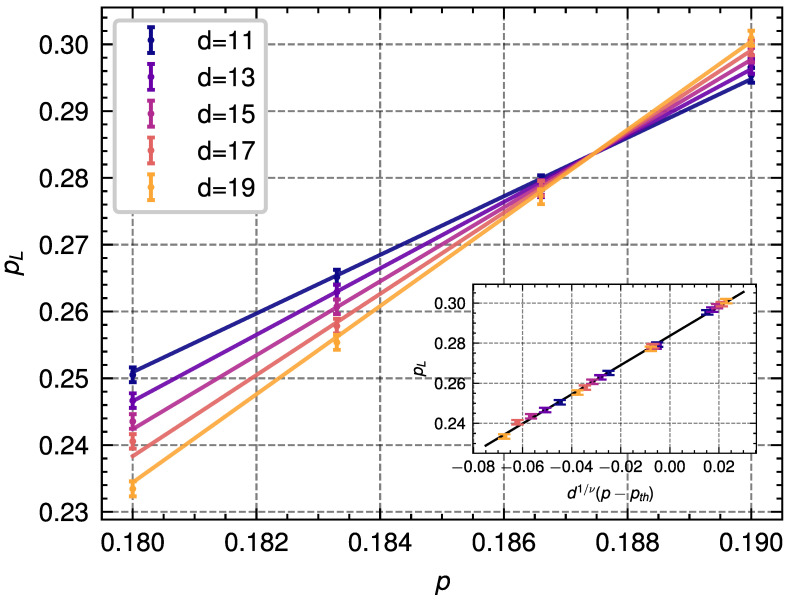 Figure 4
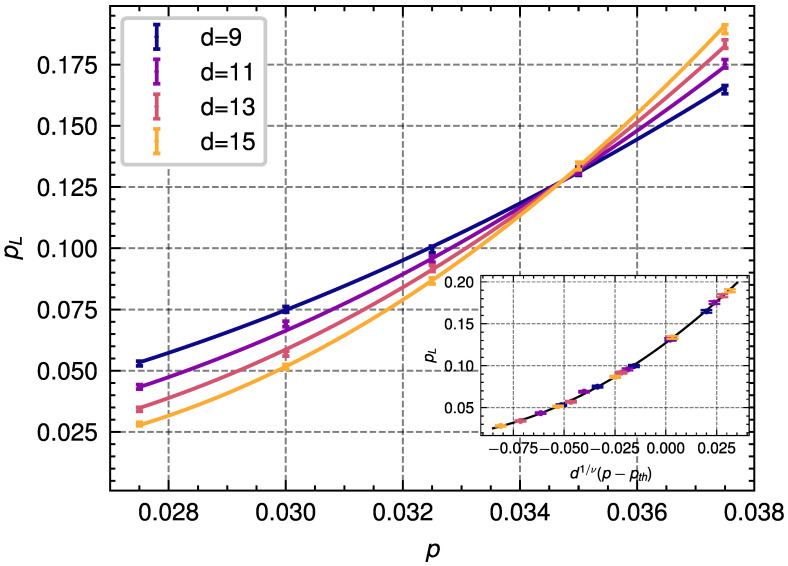 Figure 5
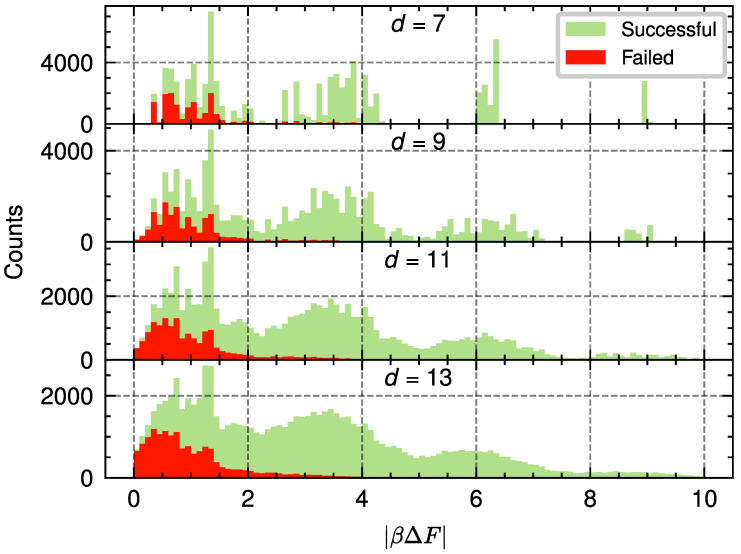 Figure 6
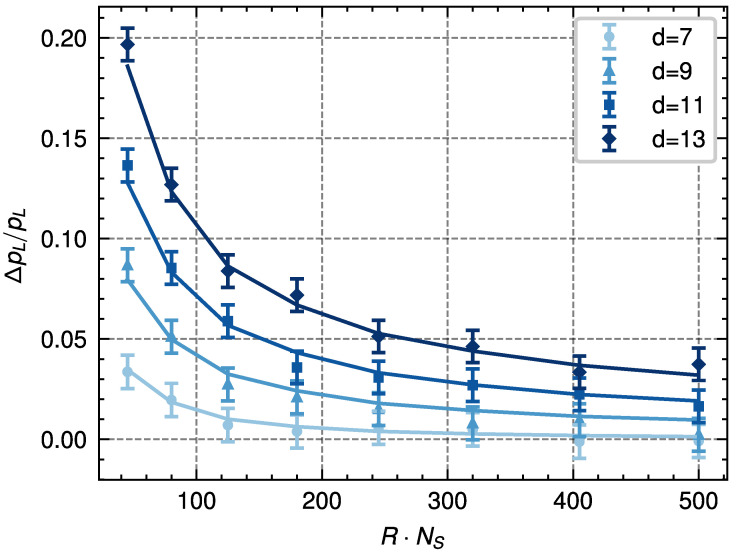 Figure 7
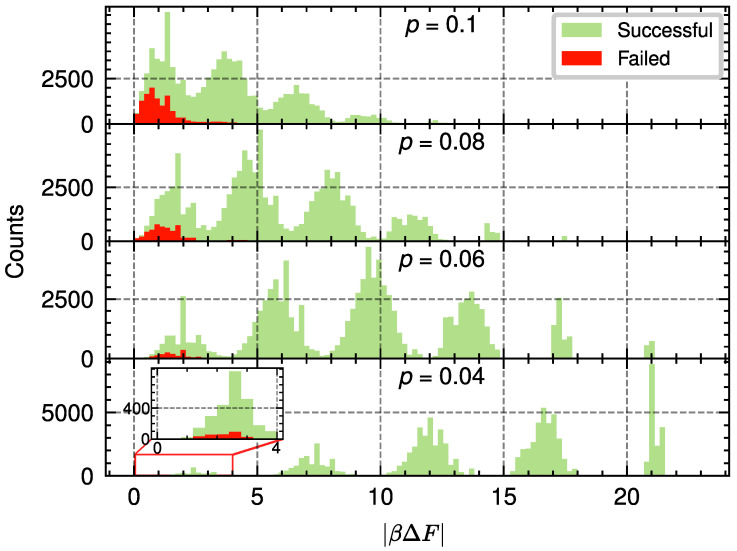 Figure 8
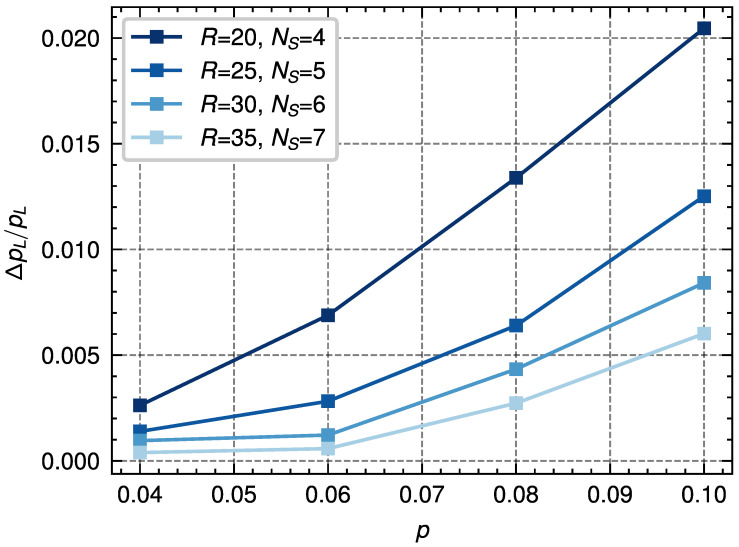 Figure 9
Peer Reviews
No public reviews on file for this paper yet. If you reviewed it on a platform where reviews are public (OpenReview, ICLR, NeurIPS, ICML), you can paste yours below so the community can read it here.
Videos
No videos yet. Explain this paper in a talk, walkthrough, or lecture? Add one.
Taxonomy
TopicsQuantum Computing Algorithms and Architecture · Quantum Information and Cryptography · Quantum-Dot Cellular Automata