Laparoscopic Ventriculoperitoneal Shunt Insertion Without a Peel-Away Sheath in Children: A Comparison with Conventional Open Surgery
Miri Ryu, Ayoung Kang, Soo-Hong Kim, Jae Hun Chung, Hanpyo Hong, Soon-Ki Sung

TL;DR
Laparoscopic ventriculoperitoneal shunt insertion in children is as safe and effective as traditional open surgery, especially in managing adhesions from prior surgeries.
Contribution
Demonstrates laparoscopic VPS insertion without a peel-away sheath is a viable alternative to open surgery in pediatric patients.
Findings
Laparoscopic and open VPS insertion had comparable shunt survival rates over five years.
Laparoscopy enabled safe catheter placement in patients with prior abdominal surgeries by managing adhesions.
No significant differences in operative time or complications between the two methods.
Abstract
What are the main findings? Laparoscopy-assisted VPS insertion without a peel-away sheath in children shows outcomes comparable to conventional open surgery.In cases with prior abdominal surgery, laparoscopy allows safe catheter placement by avoiding or lysing adhesions. Laparoscopy-assisted VPS insertion without a peel-away sheath in children shows outcomes comparable to conventional open surgery. In cases with prior abdominal surgery, laparoscopy allows safe catheter placement by avoiding or lysing adhesions. What is the implication of the main finding? Laparoscopic VPS insertion without a peel-away sheath is a safe and effective surgical option in pediatric patients.Particularly in revisions or patients with previous operations, it may help reduce adhesion-related shunt failure, although further studies are warranted. Laparoscopic VPS insertion without a peel-away sheath is a…
Genes, proteins, chemicals, diseases, species, mutations and cell lines named across the full text — each resolved to its canonical identifier and authoritative record.
Click any figure to enlarge with its caption.
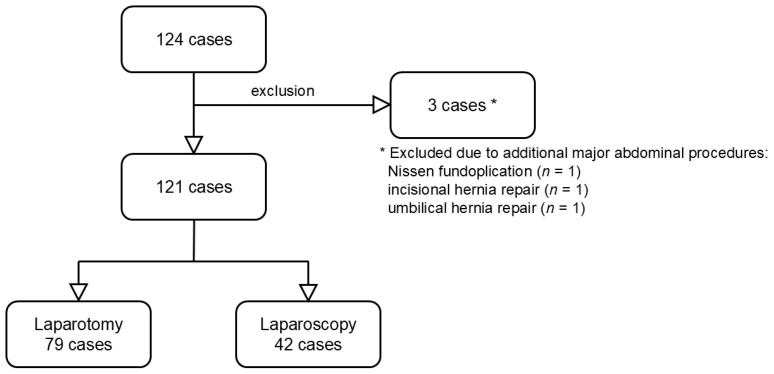 Figure 1
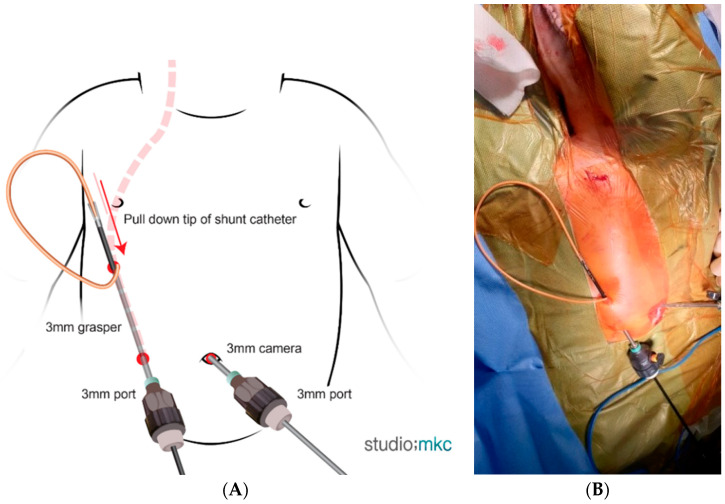 Figure 2
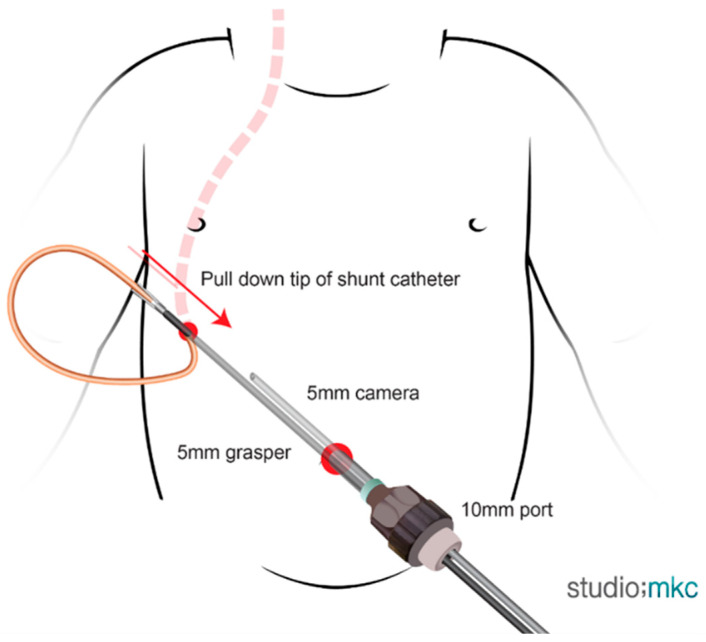 Figure 3
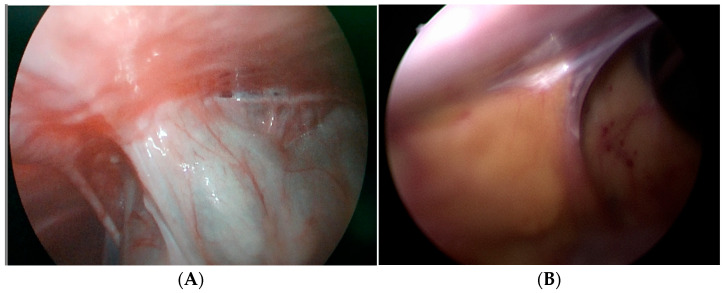 Figure 4
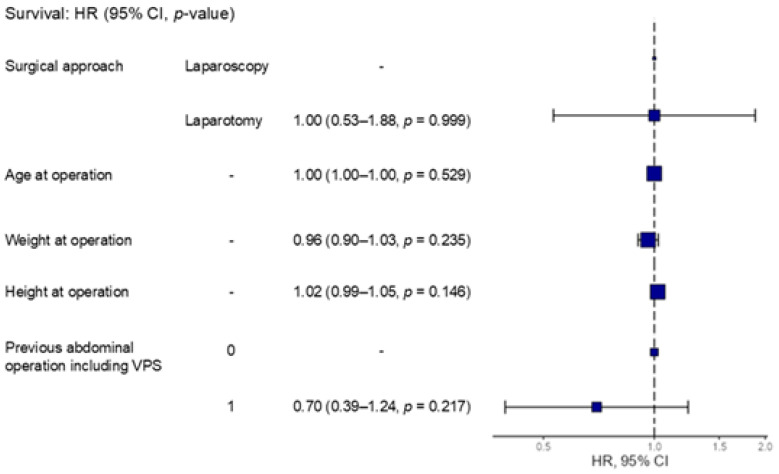 Figure 5
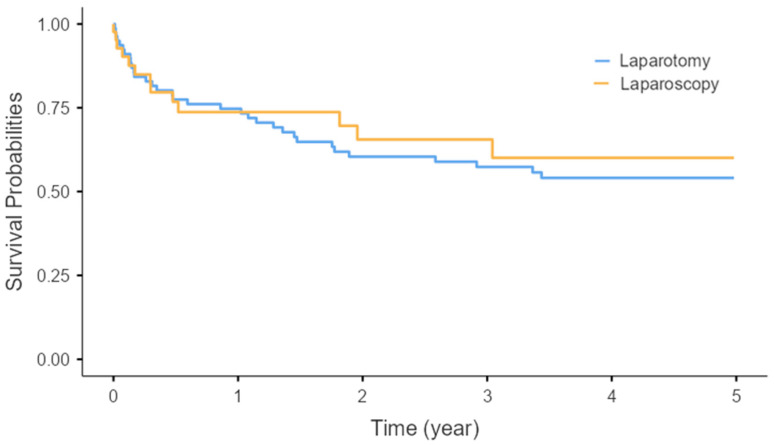 Figure 6
Peer Reviews
No public reviews on file for this paper yet. If you reviewed it on a platform where reviews are public (OpenReview, ICLR, NeurIPS, ICML), you can paste yours below so the community can read it here.
Videos
No videos yet. Explain this paper in a talk, walkthrough, or lecture? Add one.
Taxonomy
TopicsCerebrospinal fluid and hydrocephalus · Spinal Dysraphism and Malformations · Fetal and Pediatric Neurological Disorders