Gramine Suppresses Cervical Cancer by Targeting CDK2: Integrated Omics-Pharmacology and In Vitro Evidence
Zhiyan Zhou, Jin Li, Xingji Zhao, Hongxia Xu, Yu Xiao, Hongchen Wang, Ying Chen

TL;DR
Gramine, a plant-derived compound, may help treat cervical cancer by targeting CDK2 and affecting cell growth and immune responses.
Contribution
This study reveals a novel mechanism by which Gramine suppresses cervical cancer via a ceRNA axis involving CDK2 and immune-related molecules.
Findings
Gramine inhibits cervical cancer cell proliferation and migration while inducing apoptosis.
CDK2 is identified as a key target of Gramine, with reduced mRNA and protein levels after treatment.
The CYP4A22-AS1/LINC00958–hsa-miR-133b–CDK2 ceRNA axis is implicated in Gramine's anti-cancer effects.
Abstract
Cervical cancer (CC) remains a common malignant tumor that seriously threatens women’s health globally. Gramine (GR), a natural alkaloid derived from plants such as Arundo donax L., exhibits anti-tumor activities, yet its mechanistic actions in CC are still unclear. Here, we integrated cell-based assays, network pharmacology, and multi-omics analysis to systematically investigate the molecular mechanisms underlying GR’s anti-CC effects. In vitro experiments showed that GR significantly inhibited proliferation and migration, induced apoptosis, and triggered G0/G1 phase cell cycle arrest in HeLa cells. Integrated multi-omics analysis identified CDK2 as a critical target of GR, with both mRNA and protein levels markedly reduced following treatment. Mechanistically, GR likely suppresses CC progression by modulating the “CYP4A22-AS1/LINC00958–hsa-miR-133b–CDK2” competitive endogenous RNA…
Genes, proteins, chemicals, diseases, species, mutations and cell lines named across the full text — each resolved to its canonical identifier and authoritative record.
Click any figure to enlarge with its caption.
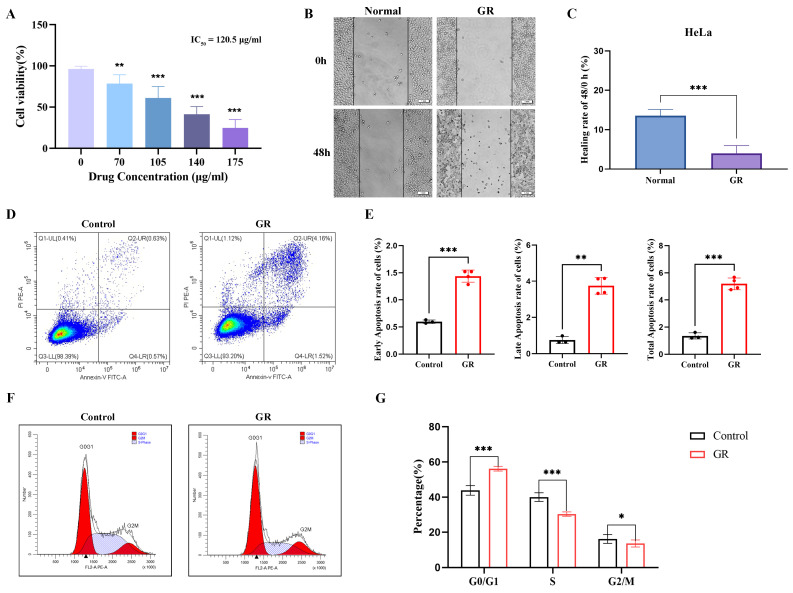 Figure 1
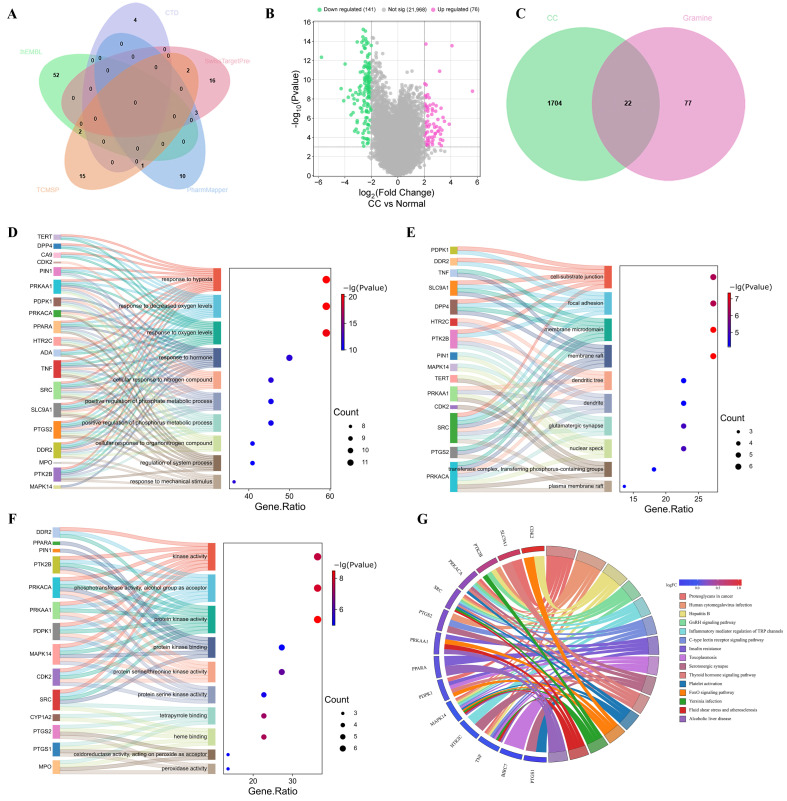 Figure 2
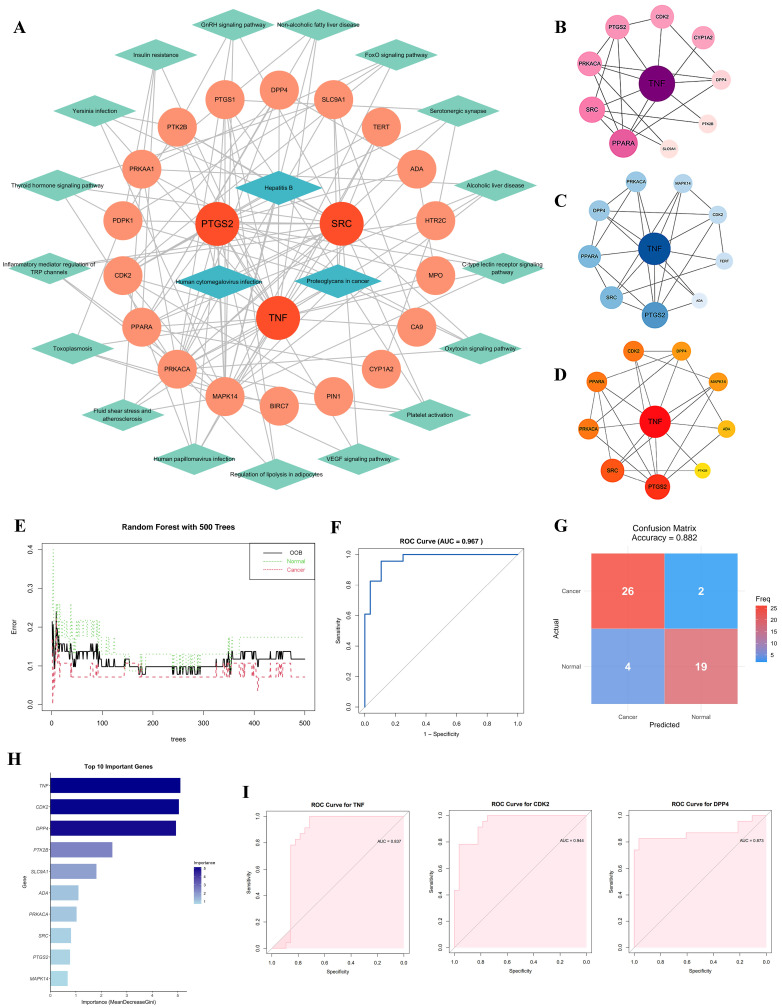 Figure 3
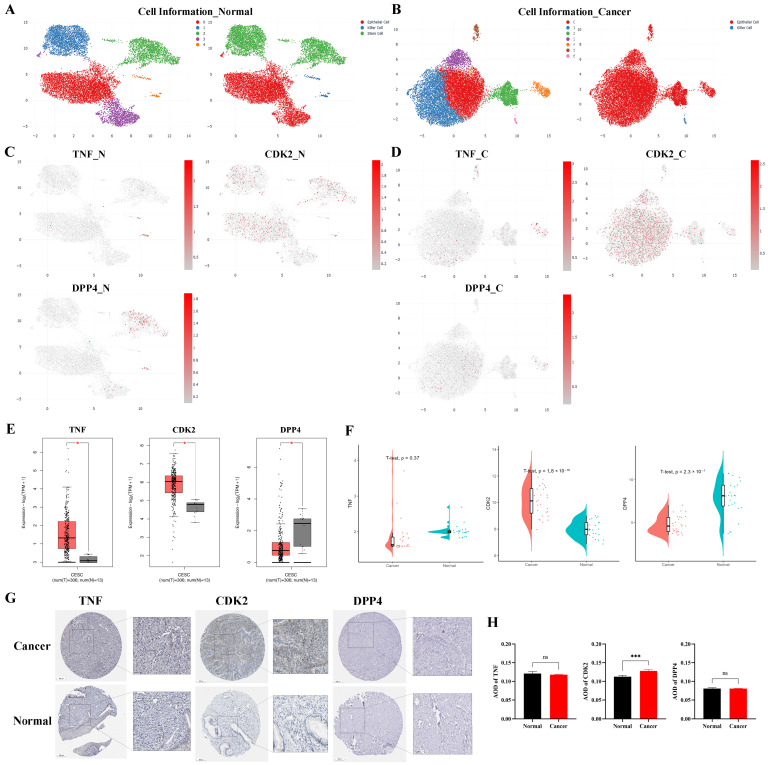 Figure 4
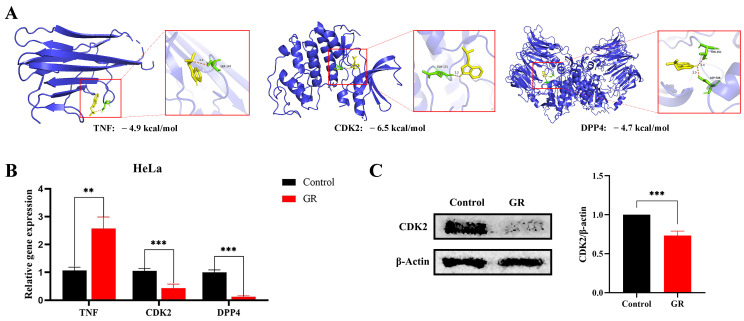 Figure 5
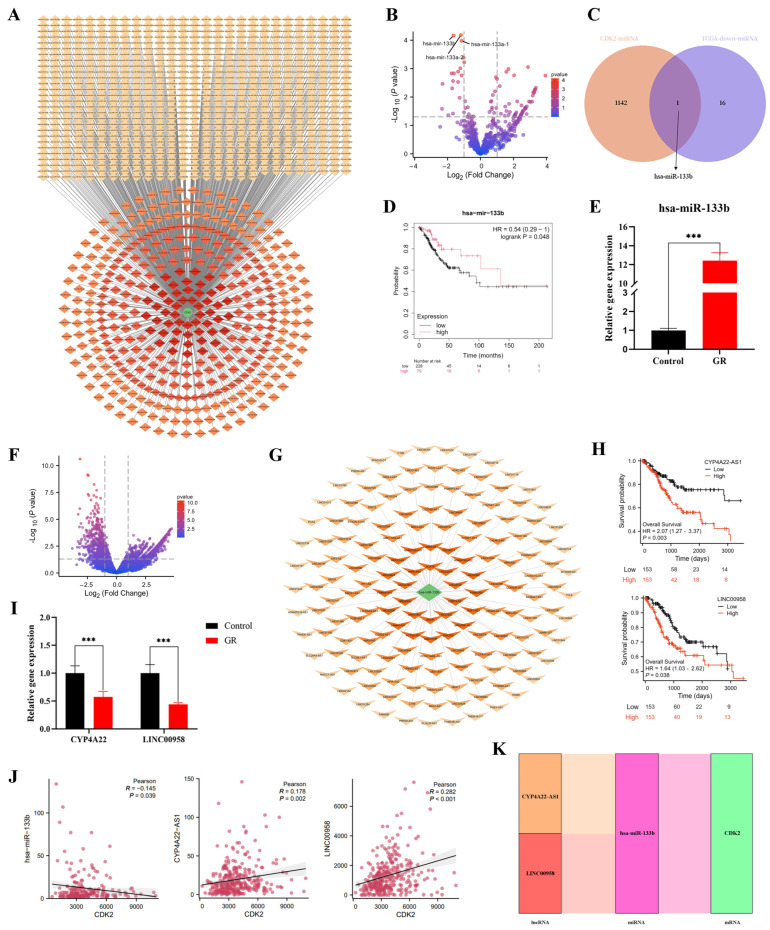 Figure 6
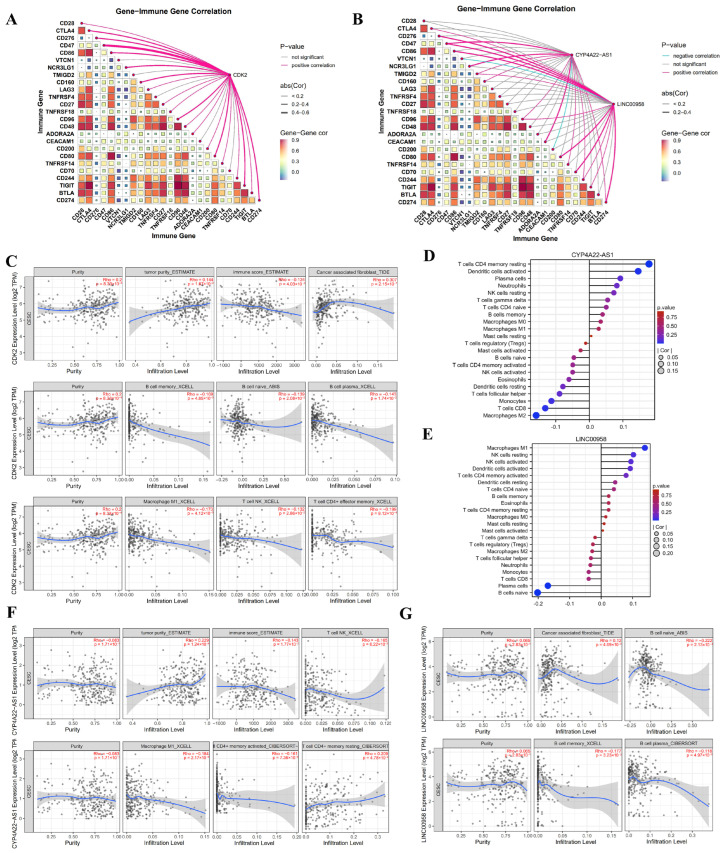 Figure 7
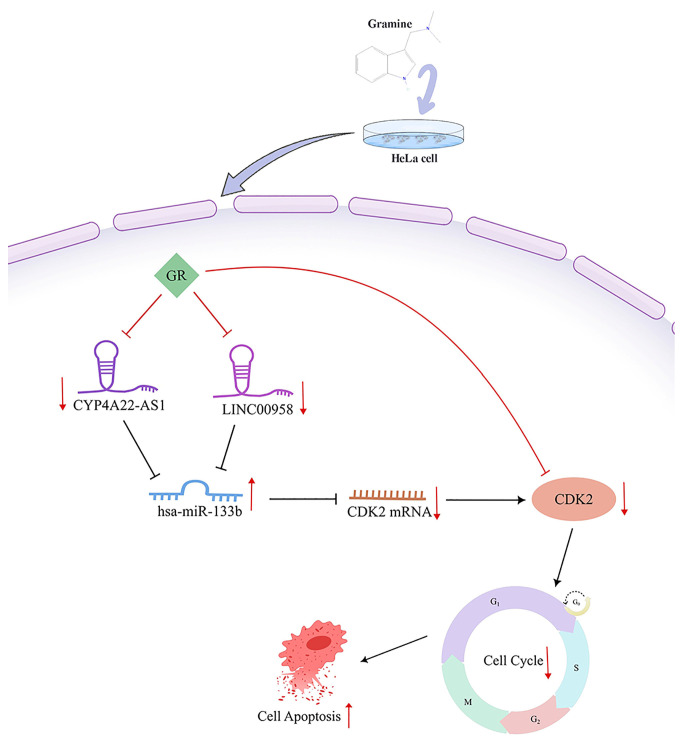 Figure 8
Peer Reviews
No public reviews on file for this paper yet. If you reviewed it on a platform where reviews are public (OpenReview, ICLR, NeurIPS, ICML), you can paste yours below so the community can read it here.
Videos
No videos yet. Explain this paper in a talk, walkthrough, or lecture? Add one.
Taxonomy
TopicsNeurogenesis and neuroplasticity mechanisms · Protein Degradation and Inhibitors · Neuroinflammation and Neurodegeneration Mechanisms