Unveiling Scale-Dependent Statistical Physics: Connecting Finite-Size and Non-Equilibrium Systems for New Insights
Agustín Pérez-Madrid, Iván Santamaría-Holek

TL;DR
The paper introduces a new concept of effective temperature that unifies the study of finite-size and non-equilibrium systems in statistical physics.
Contribution
A scale-dependent effective temperature is proposed as a unifying principle for diverse physical systems.
Findings
A scale-dependent effective temperature maps complex systems onto equilibrium states.
The approach enables standard statistical physics methods for non-equilibrium and finite-size systems.
Abstract
A scale-dependent effective temperature emerges as a unifying principle in the statistical physics of apparently different phenomena, namely quantum confinement in finite-size systems and non-equilibrium effects in thermodynamic systems. This concept effectively maps these inherently complex systems onto equilibrium states, thereby enabling the direct application of standard statistical physics methods. By offering a framework to analyze these systems as effectively at equilibrium, our approach provides powerful new tools that significantly expand the scope of the field. Just as the constant speed of light in Einstein’s theory of special relativity necessitates a relative understanding of space and time, our fixed ratio of energy to temperature suggests a fundamental rescaling of both quantities that allows us to recognize shared patterns across diverse materials and situations.
Click any figure to enlarge with its caption.
 Figure 1
 Figure 2
 Figure 3
 Figure 4
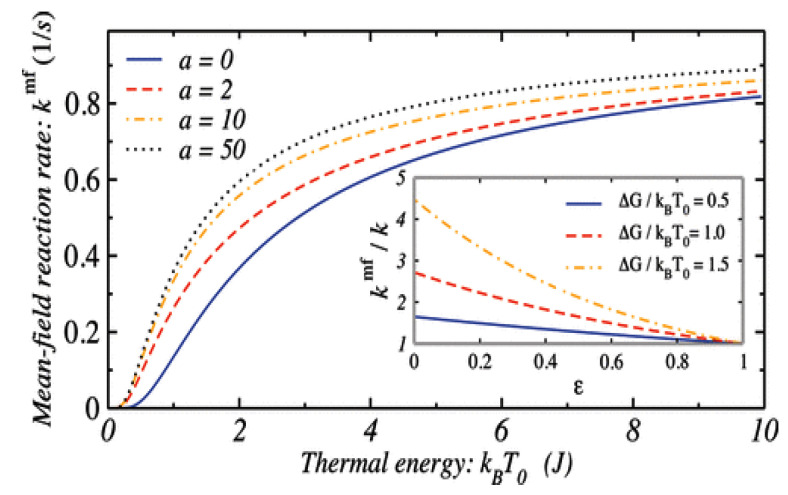 Figure 5
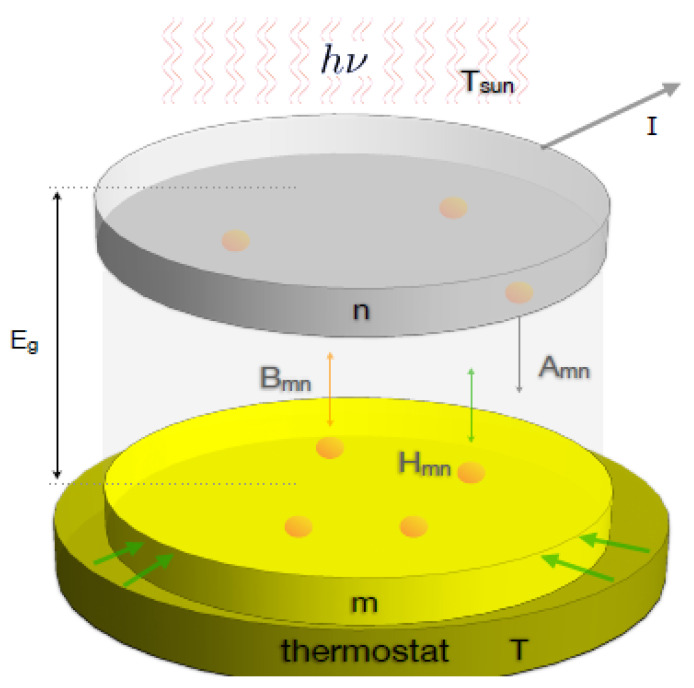 Figure 6
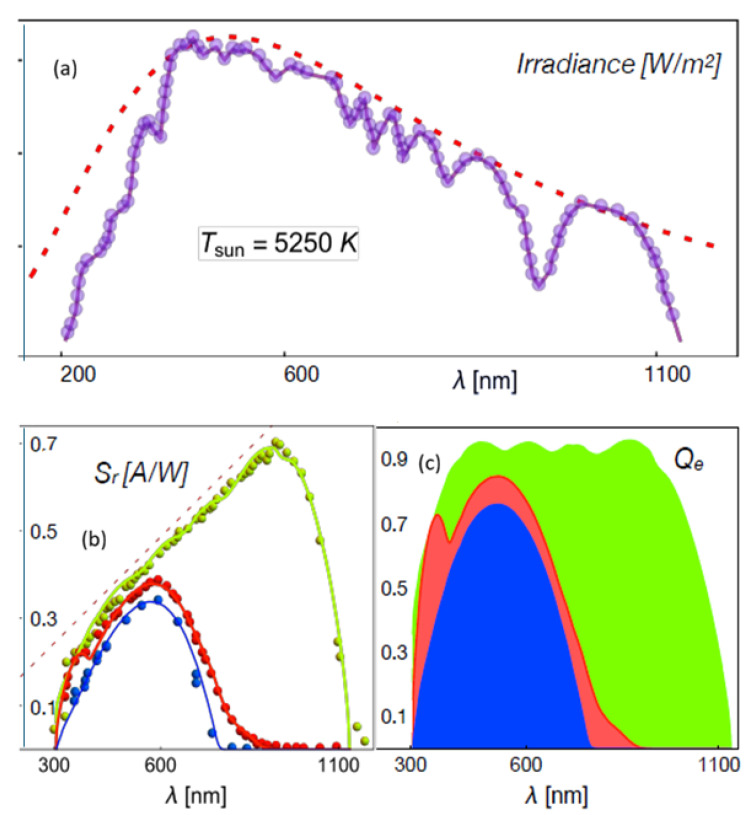 Figure 7
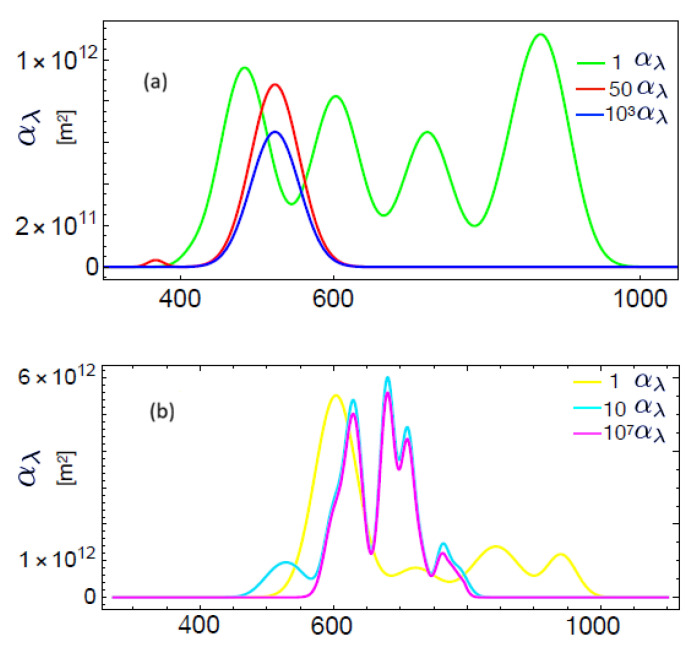 Figure 8
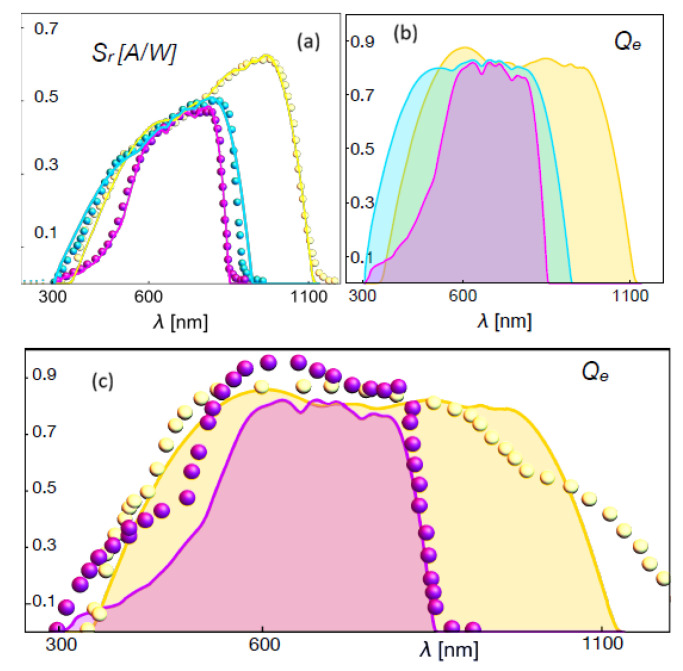 Figure 9
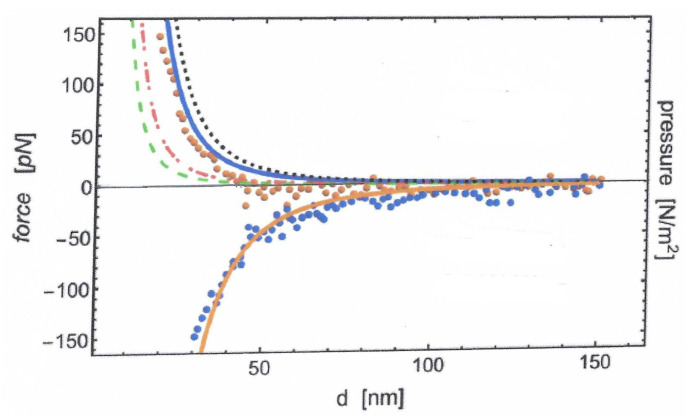 Figure 10
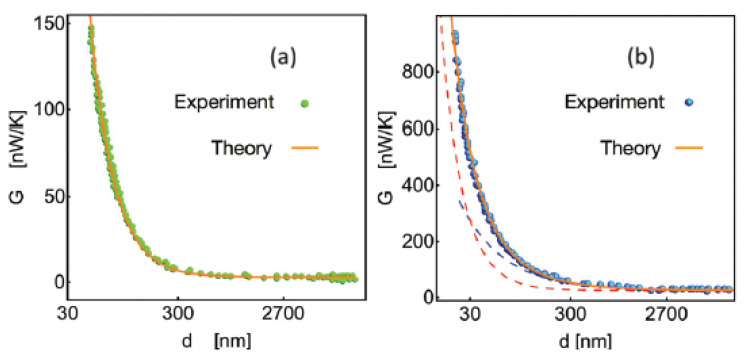 Figure 11
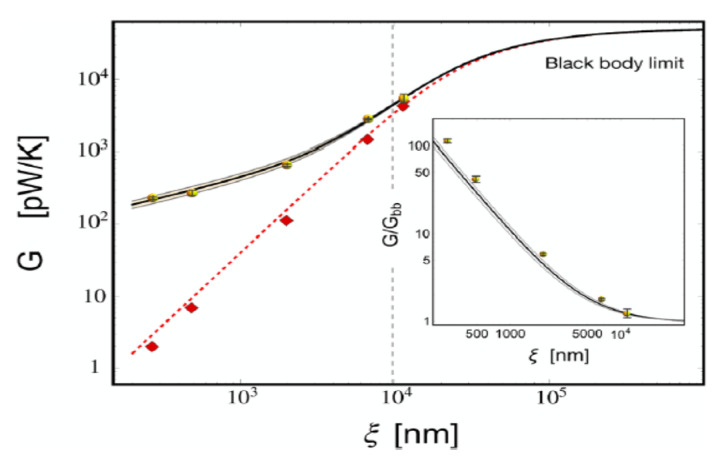 Figure 12
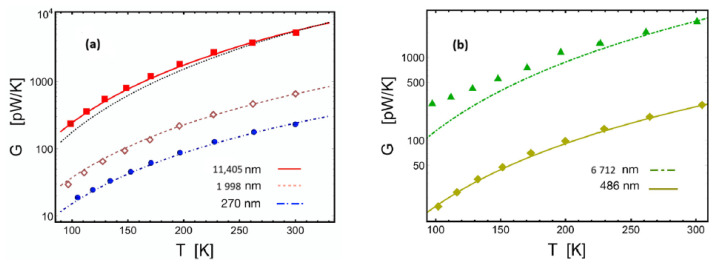 Figure 13
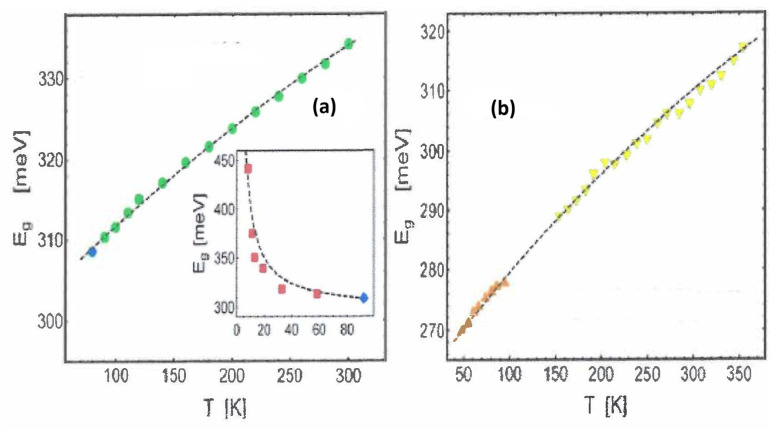 Figure 14
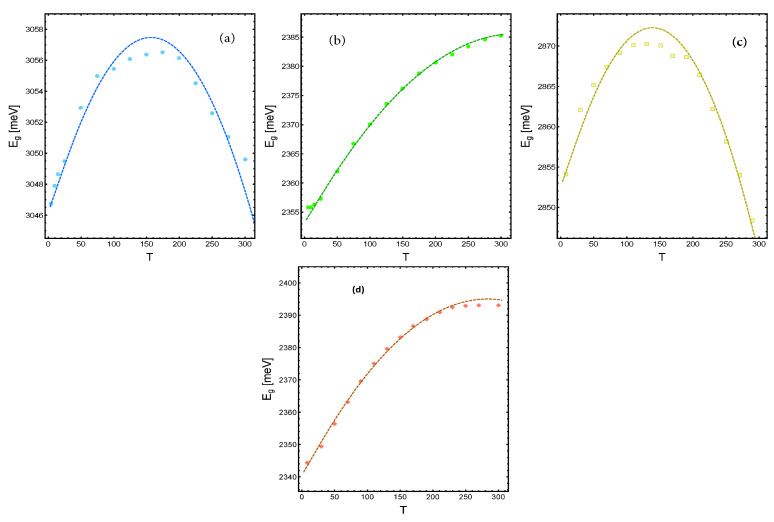 Figure 15
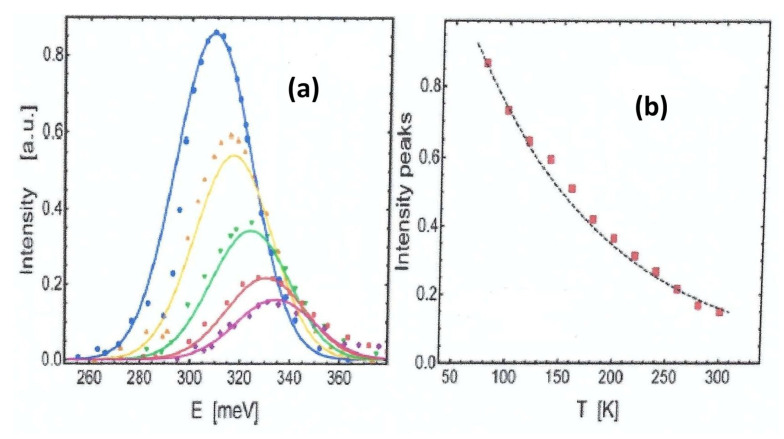 Figure 16
Peer Reviews
No public reviews on file for this paper yet. If you reviewed it on a platform where reviews are public (OpenReview, ICLR, NeurIPS, ICML), you can paste yours below so the community can read it here.
Videos
No videos yet. Explain this paper in a talk, walkthrough, or lecture? Add one.
Taxonomy
TopicsStatistical Mechanics and Entropy · Advanced Thermodynamics and Statistical Mechanics · Quantum many-body systems