Telehealth for Sexual and Reproductive Healthcare: Evidence Map of Effectiveness, Patient and Provider Experiences and Preferences, and Patient Engagement Strategies
Romil R. Parikh, Nishka U. Shetty, Chinar Singhal, Prachi Patel, Priyanka Manghani, Ashwin A. Pillai, Luz Angela Chocontá-Piraquive, Mary E. Butler

TL;DR
This study maps evidence on telehealth for sexual and reproductive healthcare, highlighting its effectiveness, patient and provider experiences, and engagement strategies in U.S. clinics.
Contribution
The study provides a comprehensive evidence map of TeleSRH effectiveness and challenges, focusing on U.S. Title X-funded clinics.
Findings
TeleSRH increases access and adherence to STI prevention, such as HIV pre-exposure prophylaxis.
TeleSRH is comparable to in-person care for contraceptive care and patient satisfaction.
TeleSRH may reduce travel time, clinic burden, and improve preventative screening rates.
Abstract
Objective: The aim of this study was to systematically map evidence to inform best practices for sexual and reproductive healthcare delivered via telehealth (TeleSRH) in United States-based Title X-funded clinics. Methods: We searched three databases (2017–2025) for studies evaluating effectiveness, harms, patient and provider experiences, barriers/facilitators, and engagement strategies encompassing TeleSRH for sexually transmitted infections (STIs), contraceptive care/family planning (CC/FP), and sexual wellness, in countries with a human development index of ≥0.8. Results: From 5963 references and 436 articles, we included 142 eligible publications. TeleSRH use declined since the COVID-19 pandemic’s peak but remains higher than pre-pandemic. Evidence comes mostly from poor-quality studies. TeleSRH increases access and adherence to STI prevention (e.g., pre-exposure prophylaxis for…
Genes, proteins, chemicals, diseases, species, mutations and cell lines named across the full text — each resolved to its canonical identifier and authoritative record.
Click any figure to enlarge with its caption.
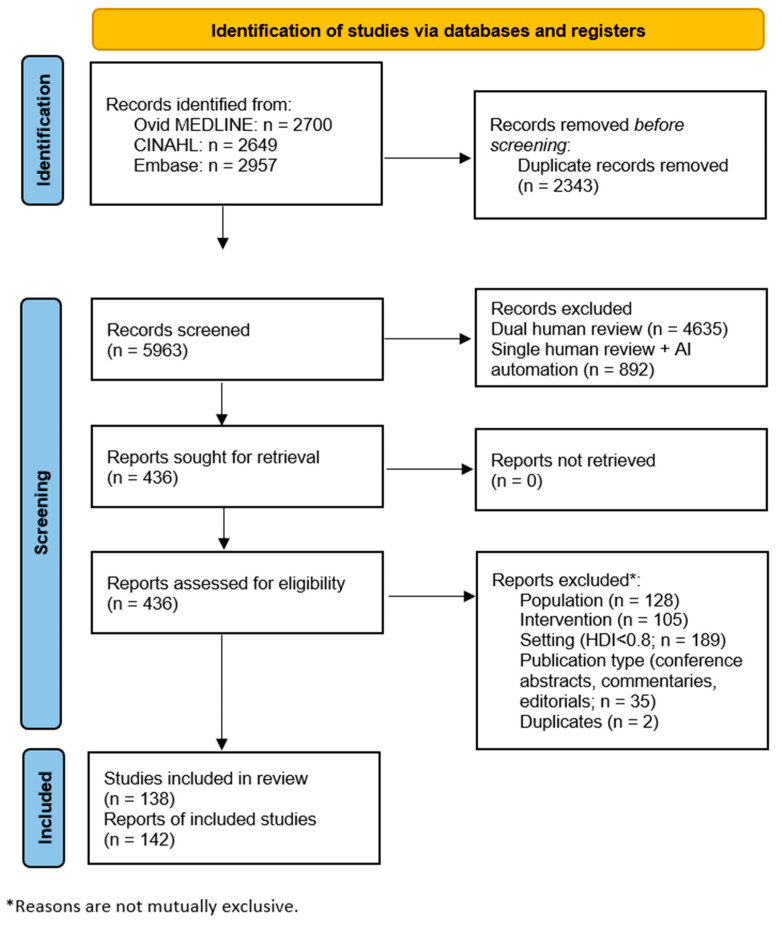 Figure 1
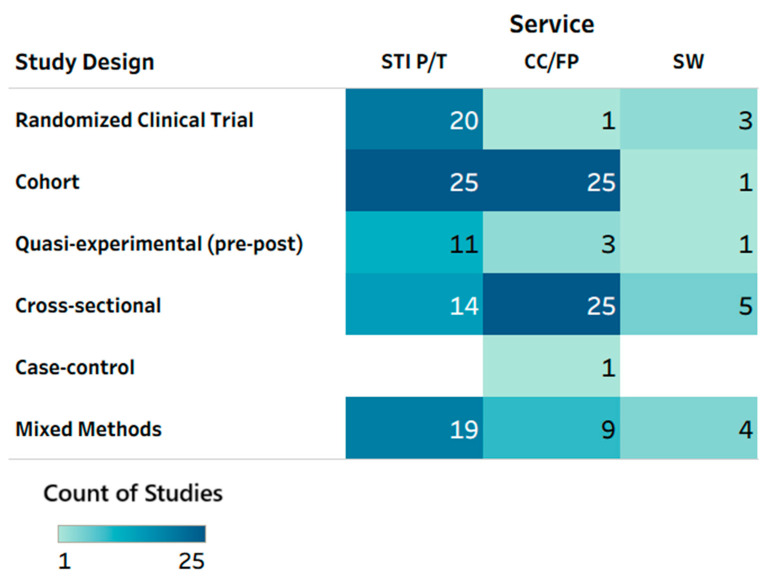 Figure 2
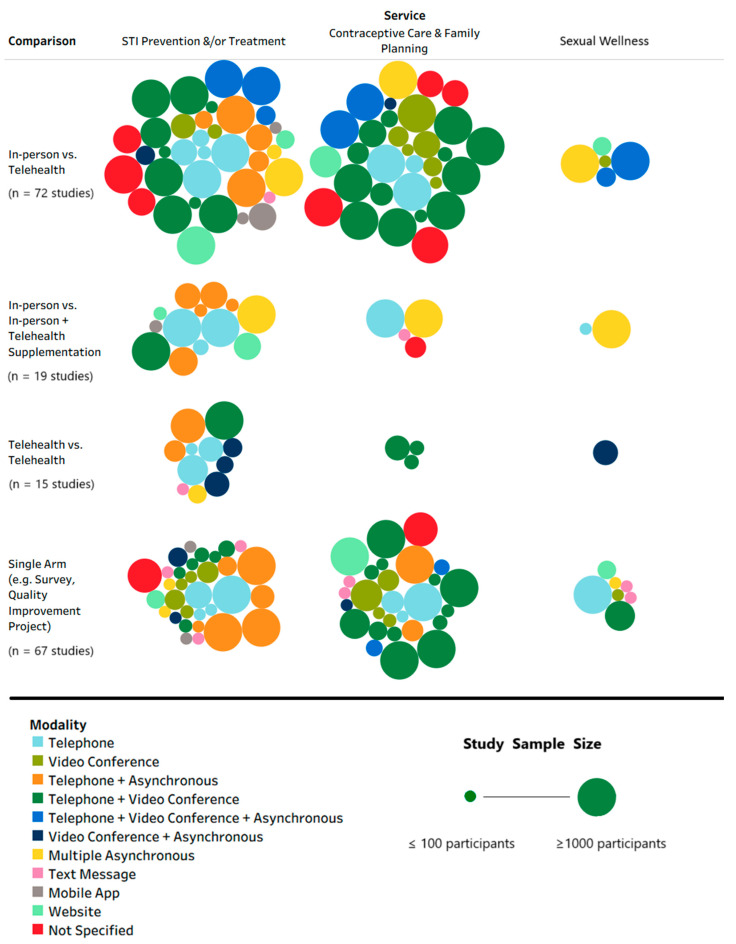 Figure 3
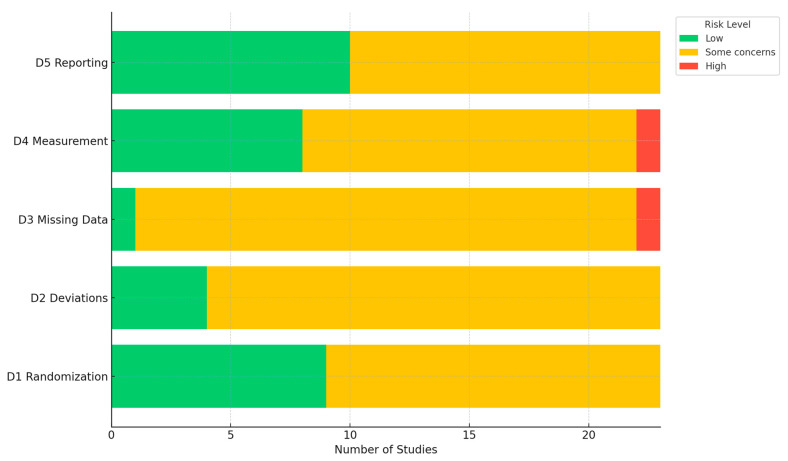 Figure 4
Peer Reviews
No public reviews on file for this paper yet. If you reviewed it on a platform where reviews are public (OpenReview, ICLR, NeurIPS, ICML), you can paste yours below so the community can read it here.
Videos
No videos yet. Explain this paper in a talk, walkthrough, or lecture? Add one.
Taxonomy
TopicsTelemedicine and Telehealth Implementation · Mobile Health and mHealth Applications · Sexual function and dysfunction studies