Articles of Significant Interest in This Issue

Abstract
Genes, proteins, chemicals, diseases, species, mutations and cell lines named across the full text — each resolved to its canonical identifier and authoritative record.
Click any figure to enlarge with its caption.
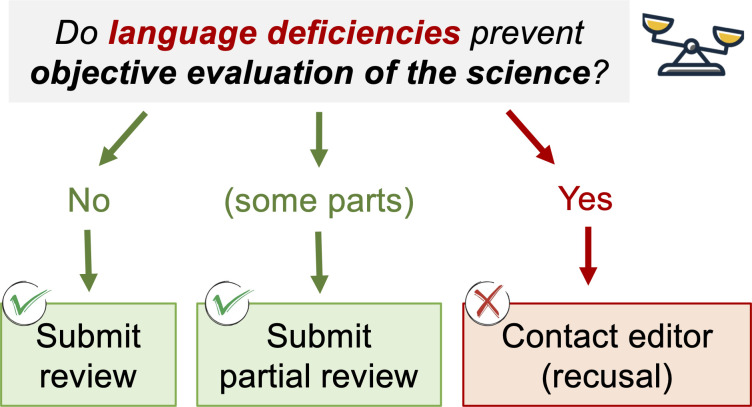 Figure 1
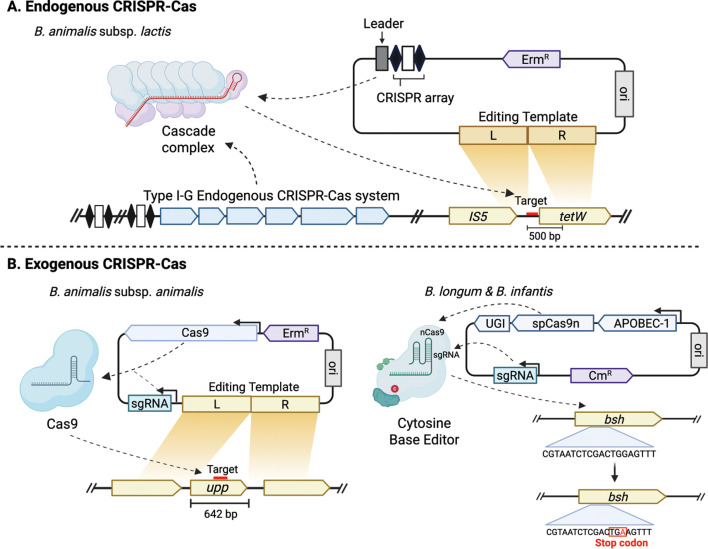 Figure 2
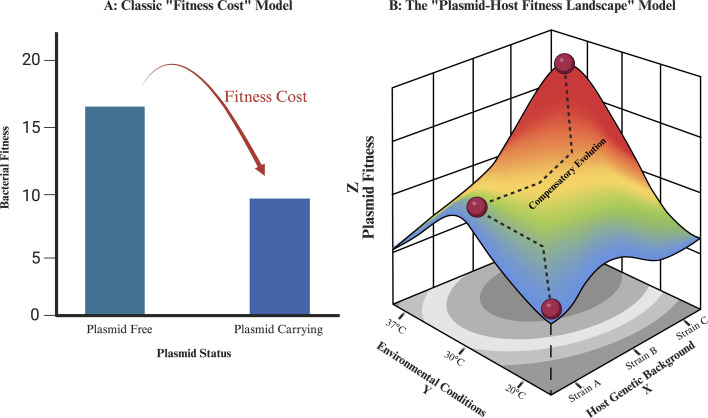 Figure 3
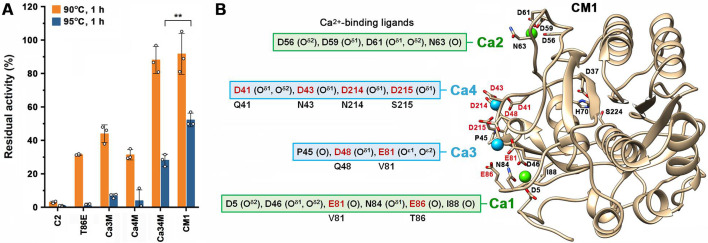 Figure 4
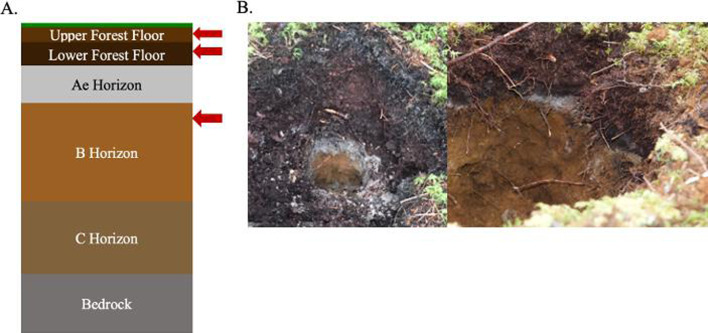 Figure 5
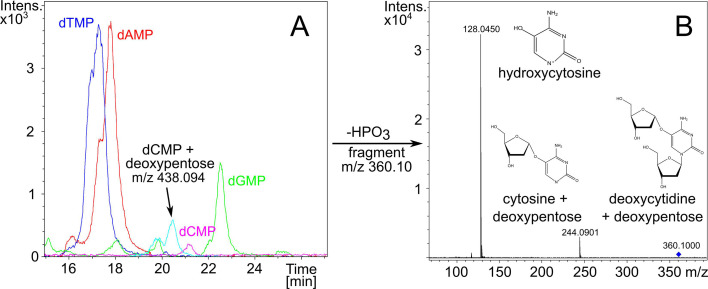 Figure 6
Peer Reviews
No public reviews on file for this paper yet. If you reviewed it on a platform where reviews are public (OpenReview, ICLR, NeurIPS, ICML), you can paste yours below so the community can read it here.
Videos
No videos yet. Explain this paper in a talk, walkthrough, or lecture? Add one.
Taxonomy
TopicsAcademic Writing and Publishing · vaccines and immunoinformatics approaches · Academic integrity and plagiarism
SCIENCE LOST IN TRANSLATION
This editorial by Applied and Environmental Microbiology (AEM) editor in chief Gemma Reguera (e02229-25) explores the innate and acquired nature of linguistic bias and its negative impacts on scientific progress, highlighting efforts at AEM to address this issue in academic publishing.
A CRISPR’ED REVIEW OF BIFIDOBACTERIA
A timely minireview by Shin and Barrangou (e1703-25) about the occurrence and applications of CRISPR-Cas systems in bifidobacteria, key members of the human gut microbiota with probiotic potential.
THE “PLASMID PARADOX” UNDER REVIEW
Despite fitness costs, antimicrobial resistance plasmids are not eliminated by selection. This minireview by Hevar N. Abdulqadir (e01983-25) explores this paradox by examining the many factors that dynamically modulate the benefits and costs of plasmid carriage and, by extent, the threat of mobile resistance.
ENZYME ENGINEERING HEATS UP
Yang et al. (e01860-25) combined automated computational design with structure-based rational design to engineer a subtilisin-like protease C2 with keratinolytic activity at temperatures near or above 100°C and resistance to polyextreme conditions relevant to feed, food, and leather industries.
A PINCH OF LIME TO RECOVER ACIDIFIED SOILS
Lime amendments are used to recover acidified soils and increase forest resilience to climate change. Hosmer et al. (e02171-24) describe changes in the bacterial/archaeal communities of the upper forest floor that may serve as an early indicator of soil recovery in response to liming.
A PENTOSE TRICK FOR PHAGE EVASION OF HOST RESTRICTION
Brandt et al. (e01333-25) describe a novel mechanism for phage DNA modification and evasion of host restriction defenses: attaching a deoxypentose to cytosine does the trick.