Investigation of Respiratory Metastrongyloids and Other Endoparasites in Domestic Cats Living in the States of Rio de Janeiro and Rio Grande do Sul, Brazil
Luciano Antunes Barros, Simone Morelli, Angela Di Cesare, Ananda Senhoretto do Nascimento, Sandra Márcia Tietz Marques, Lebana Fernandes Knopp, Caio dos Santos Gomes, Eduarda Nóbrega Fialho Tavares, Júlia Pereira da Silva, Aline Silva de Mattos Queiroz

TL;DR
This study found that cats in Brazil are infected with Aelurostrongylus abstrusus, a lung parasite, but not with Troglostrongylus brevior, highlighting the need for better diagnostic methods.
Contribution
The study confirms the presence of Aelurostrongylus abstrusus in Brazilian cats and emphasizes the importance of molecular methods for accurate detection.
Findings
Aelurostrongylus abstrusus was detected in cats from Rio de Janeiro and Rio Grande do Sul using PCR.
Troglostrongylus brevior was not found in any of the examined cats.
Molecular methods proved more effective than traditional fecal exams for detecting lungworms.
Abstract
Aelurostrongylus abstrusus and Troglostrongylus brevior are major respiratory nematodes of cats. Adults of Aelurostrongylus abstrusus inhabit alveoli, alveolar ducts, and bronchioles, while adults of T. brevior live in the bronchi and bronchioles of cats. In Brazil, extensive and updated epizootiological data on the occurrence of aelurostrongylosis and troglostrongylosis in cats are still lacking. Furthermore T. brevior has never been reported in cats in South America. The present study evaluated and confirmed that cats living in two states in Brazil (Rio de Janeiro and Rio Grande do Sul) are at risk of simultaneous infection with A. abstrusus and intestinal parasites, while T. brevior was not detected. The results underline the usefulness of molecular biology, especially when parasites are not detected during faecal examination or when only a single stool sample is analysed. The…
Genes, proteins, chemicals, diseases, species, mutations and cell lines named across the full text — each resolved to its canonical identifier and authoritative record.
Click any figure to enlarge with its caption.
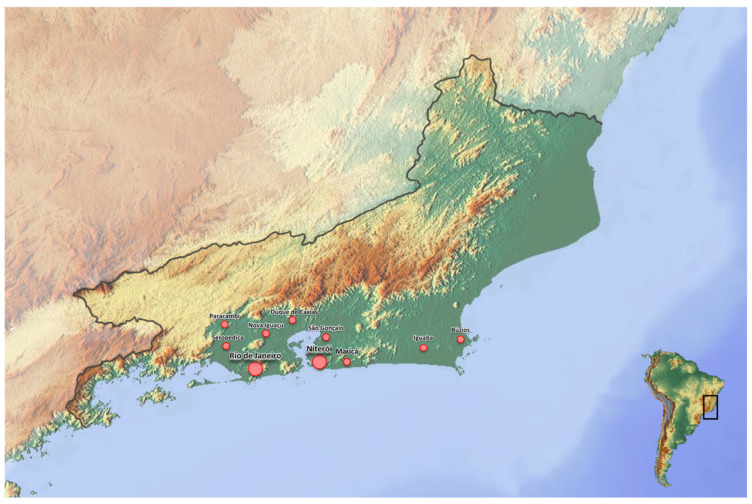 Figure 1
- —Boehringer Ingelheim Animal Health
Peer Reviews
No public reviews on file for this paper yet. If you reviewed it on a platform where reviews are public (OpenReview, ICLR, NeurIPS, ICML), you can paste yours below so the community can read it here.
Videos
No videos yet. Explain this paper in a talk, walkthrough, or lecture? Add one.
Taxonomy
TopicsMollusks and Parasites Studies · Parasitic Infections and Diagnostics · Helminth infection and control
1. Introduction
Aelurostrongylus abstrusus and Troglostrongylus brevior are major respiratory metastrongyloids infecting cats in several areas of the world [1].
The lifecycle of A. abstrusus is indirect. Adults inhabit the alveoli, alveolar ducts, and bronchioles of felids. After mating, females lay eggs that hatch and release first-stage larvae (L1s), which reach the pharynx and are then swallowed and shed with faeces in the environment. L1s develop into third-stage larvae (L3) inside terrestrial gastropods acting as intermediate hosts, i.e., snails and slugs, and cats become infected by ingesting either intermediate hosts or, more frequently, paratenic hosts, e.g., small birds, rodents, and reptiles [1].
Adult T. brevior live in the bronchi and bronchioles of cats [1] and their lifecycle overlaps that of A. abstrusus, though it is shorter. Additionally, a vertical transmission route has been described, most likely via milk [2].
Capillaria aerophila is another main respiratory parasite of cats (and dogs) worldwide [3]. It has a direct lifecycle, with adult parasites that are localised in the mucosa of the trachea and large bronchi [1]. After mating, females lay eggs, which are carried to the pharynx via coughing and are swallowed and released in the environment with faeces. Thereafter, eggs mature, and cats become infected after ingesting the larvated eggs, or earthworms, which can serve as facultative intermediate or paratenic hosts [1].
Lungworm infections in cats may be subclinical or present with mild to severe respiratory signs, e.g., cough, dyspnea, tachypnea, and/or nonspecific signs, e.g., lethargy, weight loss, and anorexia [1]. Importantly, troglostrongylosis may cause severe and potentially life-threatening clinical signs, especially in kittens and young cats [1].
After the first detection of A. abstrusus in domestic cats in Rio Grande do Sul [4], in the last decade, the nematode has been reported in different areas of Brazil, e.g., Amazonia, Vilhena, Porto Alegre, and Barra do Piraí [5,6,7,8]. Also, in Brazil, A. abstrusus has been found in wild-caught snails, e.g., Lissachatina fulica, Latipes erinaceus, and Diplosolenodes occidentalis [9,10,11,12].
The European wildcat is the natural reservoir of T. brevior, though it has been recently recognised as a cause of respiratory disease in domestic cats [13,14]. Feline T. brevior infections have never been reported in Brazil, though larval stages have been detected in L. fulica in Colombia [15]. Capillaria aerophila has never been detected in Brazil, although it is present in South America [16].
Multiple factors may be involved in the emergence of respiratory nematodes in different geographic areas, including South America, e.g., movements of pets and intermediate and/or paratenic hosts, urbanisation, rising temperatures, and a reduction in the natural habitats of wildlife [3,13,17]. However, lungworms are still overlooked in many settings for a range of reasons, e.g., limited clinical awareness, absence of routine surveillance programmes, and limited application of an appropriate diagnostic approach, as also pointed out in some studies carried out in Brazil [6,8]. Copromicroscopic techniques are currently considered the gold standard for the diagnosis of lungworm infections in cats., specifically Baermann’s test, which allows the detection of L1s of A. abstrusus and T. brevior, while faecal flotation is used for the identification of C. aerophila eggs [1].
Many studies have shown that lungworms are often detected in cats that are infected with other endoparasites. Diverse categories of parasites occur simultaneously in the same cat populations of Brazil, which are thus at risk of being co-infected with respiratory and intestinal parasites [18,19,20]. This epizootiological feature is due to the fact that many small animals that are preyed on by cats are intermediate or paratenic hosts of other helminths or protozoa. Mixed infections are thus frequent in cats, especially when they prey on small animals. Therefore, routine and continuous epizootiological monitoring with appropriate copromicroscopic methods is warranted in cats that could be infected with both respiratory and intestinal parasites to appropriately use broad-spectrum parasiticides. Accordingly, the present study has investigated the occurrence of lungworms, along with the simultaneous presence of other major felid parasites, in cats living in Rio de Janeiro and Rio Grande do Sul through copromicroscopic and molecular tests.
2. Materials and Methods
A total of 537 individual faecal samples were collected from privately owned cats living in Brazil in the State of Rio de Janeiro (i.e., metropolitan area of Rio de Janeiro, n. 521, Figure 1) and Rio Grande do Sul (i.e., Porto Alegre, n. 16). Of the 537 cats examined, 320 (59.6%) were females and 217 (40.4%) were males, and their age ranged from 2 months to 20 years. The median age of the cats included in the study was 4 years. Overall, 288 (53.6%) cats were <4 years old, while 249 (46.4%) were ≥4 years old. Of them, 305 (56.8%) cats had an indoor lifestyle with occasional access to the outdoors, 172 (32%) lived only indoors without outdoor access, and 60 (11.2%) lived permanently outdoors.
All samples were microscopically examined using Baermann’s technique (n. 537) to detect metastrongyloid L1 and Sheather’s flotation for the detection of other endoparasites.
Four hundred and twenty-four (n. 424) Baermann sediments, i.e., n. 408 from Rio de Janeiro and n. 16 from Rio Grande do Sul, were subjected to two separate nested PCRs specific to A. abstrusus and T. brevior, as previously described. Specifically, genomic DNA was extracted from each sample with a commercial kit (i.e., Exgene Stool SV, GeneAll Biotechnology Co., Ltd., Seoul, Republic of Korea) and amplified in a nested PCR using a set of primers universal for strongylid nematodes (i.e., NC1–NC2) for the first step, while in the second step, a diagnostic primer set, AabFor-AabRev or TbrFor-TbrRev, was used to amplify a specific internal region, within the rDNA ITS2, of ∼233 bp and ∼356 bp of A. abstrusus and T. brevior, respectively [21,22].
Obtained amplicons were sequenced and aligned using Data Analysis in Molecular Biology and Evolution version 4.5.55 (DAMBE). The sequences obtained were aligned and then compared with those available in the GenBank TM using the Nucleotide–Nucleotide “Basic Local Alignment Search Tool” (BLAST, version 2.17.0).
3. Results
3.1. Baermann’s Method
In total, six cats scored positive for A. abstrusus L1, three from Rio de Janeiro, one from Niterói, and two from Seropédica, [Table 1]. One cat from Porto Alegre scored positive for nematode larvae at the Baermann’s method, though they were not identified due to sample deterioration, probably related to transport and/or storage conditions.
3.2. Sheather’s Flotation
Using Sheather’s flotation, the most frequently detected parasites were Ancylostomatidae, Toxocara cati, and Cystoisospora felis, found in 30 (5.6%), 14 (2.6%), and 8 (1.5%) faecal samples, respectively.
The three cats positive for A. abstrusus larvae had monospecific infections, while nine cats (1.7%) were co-infected with more than one intestinal parasite, T. cati + Ancylostomatidae being the most frequent combination (n. five cats). The detailed copromicroscopy results are shown in Table 2 and Table 3.
3.3. Molecular Analyses
Ten (2.4%) cats were genetically positive for A. abstrusus. This included the six cats who scored positive using the Baermann technique (Seropédica (n. one), Niterói (n. two) and Rio de Janeiro (n. three)), and the cat from which unidentified L1 were recovered (from Porto Alegre).
Five cats positive for A. abstrusus DNA (1.2%) were also copromicroscopically positive for other parasites, i.e., three cats from Rio de Janeiro were co-infected with T. cati (Rio de Janeiro), and two were co-infected with Ancylostomatidae (Niterói) [Table 3].
Sequences were generated from all 10 A. abstrusus amplicons. Of them, six sequences, i.e., three from Rio de Janeiro, two from Niterói, and one from Seropédica, had 100% homology with an isolate of A. abstrusus detected from Colombia (MH779453). The four remaining isolates, i.e., two from Seropédica, one from Porto Alegre, and one from Niterói, showed 100% homology with an A. abstrusus isolate from the Brazilian Amazon (MZ093629).
4. Discussion
These data indicate that A. abstrusus occurs in cat populations in two areas of Brazil, i.e., the states of Rio de Janeiro and Rio Grande do Sul, despite a recent epizootiological investigation carried out in Rio de Janeiro in which no cats infected with A. abstrusus were detected [23].
A comparison between the present and past results obtained in Brazil is difficult. Data on the occurrence of A. abstrusus in the Rio de Janeiro area are scant and fragmentary, as in recent decades, this lungworm has been described in case reports or single isolated studies [7,24,25,26]. The low number of cats included herein from the Porto Alegre region prevents further comparisons with other studies. Regardless, the results confirm the stable occurrence of this lungworm in this region of Brazil, as shown in a study carried out more than 10 years ago [5].
The current scenario suggests a general lower prevalence of feline aelurostrongylosis in the study areas examined in this study and Brazil in general when compared to Europe [27,28,29,30]. This difference may depend on different factors, i.e., the overall number of cats included in previous studies, the collection of multiple faecal samples, and the inclusion of a higher proportion of cats living predominantly outdoors compared to the present study [5,6,7].
Extensive epizootiological data on the occurrence of A. abstrusus in cats in Brazil are still lacking, though it can be hypothesised that the demo-geographics of Brazil, e.g., the lower density of the cat population in Brazil, and the subsequent high dispersion of domestic cats in its wide territories compared to Europe [31,32], may limit interactions between intermediate hosts and contaminated environments, thereby reducing the risk of lungworm transmission. Under an epizootiological standpoint, the housing and lifestyle of the herein-studied cats could also explain the high proportion of lungworm-negative animals. In fact, around half of the sampled cats lived indoors with occasional access to a garden or a yard, thus having reduced contact with intermediate or paratenic hosts in a densely urban setting. In this study, only two cats positive for A. abstrusus had a predominantly outdoor lifestyle, while five were indoor-housed cats with limited access to the outdoors, and three were permanently indoors. Therefore, these findings confirm that cats may be exposed to the risk of infection even when living in apartments [33,34], though they are less exposed to intermediate or paratenic hosts compared to cats with limited access to the outdoors or permanently outdoor cats [1,3]. The fact that infection with A. abstrusus was predominantly observed in cats of <4 years (80% of positive cats) is likely influenced by a combination of factors, including less developed immunity compared to the older cats, and behavioural differences such as increased exploration and a higher tendency to engage in predatory activities [35,36].
Diagnostic methods are another factor that may impact the results of epizootiological studies on lungworms. False negative results from faecal examinations may occur due to a low number of L1 in faeces, intermittent larval shedding, examination of only a single faecal sample, or the presence of unidentifiable larvae [1]. This inherent limitation of conventional copromicroscopy is confirmed by the present study’s results. In fact, seven samples that were negative based on Baermann’s test were positive for A. abstrusus when examined molecularly. Accordingly, recent studies have already shown that molecular tests conducted on faecal or pharyngeal samples may reveal positive samples that score negative upon faecal examination [1].
The present data confirm that different A. abstrusus isolates and (possibly) haplotypes circulate among cat populations in Brazil and in South America in general [6,8,15,37]. At present, implications related to the existence of isolates presenting SNPs and to different haplotypes are not known. It cannot be excluded that different haplotypes may have different pathogenic features. A fatal case of hemorrhagic meningoencephalitis due to ectopic localization of A. abstrusus has been described in Barra do Piraí, Rio de Janeiro, Brazil [8]. There is merit in further investigating the molecular features of this lungworm and the eventual occurrence of strains/haplotypes with pathogenic peculiarities, e.g., capability/tendency to migrate in the central nervous system.
The lack of T. brevior larvae or DNA in the faeces of the studied cats could be due to a range of reasons. A true absence of the parasite in the examined areas is reasonable, as this nematode has never been found in previous similar surveys in Brazil [7,18,38]. Also, the absence of the European wildcat, which is considered the natural host of T. brevior [13], in South America, including in Brazil, may suggest a true absence of this lungworm.
Nevertheless, T. brevior L1 were found in snails from Colombia [15], thus suggesting that it could be present in some regions where species of wild felids may act as natural reservoirs, such as the European wildcat in Europe [13]. As another hypothesis, the recent introduction of the parasite in South America (e.g., via the movements of cats and intermediate and/or paratenic hosts) could also be possible, thus indicating potential spreading of troglostrongylosis in domestic cats in South America, including Brazil, as already discussed elsewhere [13]. On the whole, the occurrence of T. brevior in feline populations living in South and North America has not been demonstrated yet. On the other hand, past studies have shown infections by a closely related crenosomatidae, i.e., Troglostrongylus wilsoni, in bobcats (Lynx rufus) and in Canadian lynxes (Lynx canadensis) living in North America [39,40,41]. Although only rarely reported in these two wild felid species, it cannot be excluded that this nematode may undergo a spill-over and spread into domestic cat populations, similarly to T. brevior in Europe [13].
Among respiratory parasites, C. aerophila was not found in cats in the present study. To this day, no cases of feline or canine capillariosis have been documented in Brazil. However, infections have been reported in both wild and domestic felids and wild canids in other countries in South America, i.e., Chile, Bolivia, and Uruguay [16,42,43]. Therefore, a future increase in clinical cases is possible, and continuous monitoring is necessary.
With regard to the other endoparasites detected, it is worthy of note that the potentially zoonotic Ancylostoma spp. and T. cati were the two most frequently diagnosed nematodes in privately owned cats included in this study, in addition to Strongyloides sp. The occurrence of these parasites is not surprising, as they have already been recorded in previous studies conducted in Brazil [18,44,45], and in different studies, hookworms and roundworms were among the most frequently detected [18,44,45]. Similarly, infections with C. felis. Trichuris spp. and Dipylidiym caninum were also expected, and the presence of these parasites has been largely described in previous studies [23,45,46,47]. The finding of adult L. radovskyi was accidental, as sometimes parasitic stages of mites may be found in the faeces of cats when ingested during cat self-grooming.
The same and/or similar parasitic species have also been documented to occur in wild felids, e.g., Leopardus colocolo, Leopardus guttulus, and Puma concolor, in Brazil. Infections with A. abstrusus, Ancylostoma spp., Toxocara spp., and C. felis have been documented, suggesting that wildlife species probably contribute to (i) the maintenance of the lifecycle of these parasites in peri-urban ecosystems, and (ii) enhancing the possibilities of transmission to other wild and domestic animals, and to humans in the case of zoonotic parasites [48,49].
It is worth noting that the majority of cats in this study that were positive for parasites were housed indoors and had limited access to the outdoors. Relatively high percentages of endoparasite positivity in indoor cats were also detected in other past studies carried out in different countries, including Brazil [23,50]. It has been evidenced that cat owners may lack attention towards indoor cats in terms of antiparasitic preventative measures, as many of them believe that such cats are not/very uncommonly exposed to the risk of becoming infected with parasites [51].
Therefore, a higher standard of owner education by veterinarians and the implementation of adequate control plans for both outdoor and indoor cats are advocated for.
Nevertheless, the potential health implications for domestic cats and the possible zoonotic risks associated with these parasites and others detected in this study (e.g., D. caninum and T. gondii) clearly indicate that improved epizootiological surveillance and control measures are warranted. Future studies should aim to include larger, more geographically representative sample sizes and integrate molecular diagnostic tools to improve sensitivity. Such efforts are essential to better understand the epizootiology of these parasites and to develop effective prevention and control measures.
The present data confirm that cats living in the examined areas are at simultaneous risk of infection by A. abstrusus and intestinal parasites, with some of the latter being potentially zoonotic. Though not extensively reported in Brazil, data from Europe demonstrated that co-infections with lungworms and intestinal parasites are frequent [19,20] due to shared transmission patterns. For example, the presence of cats co-infected with A. abstrusus and T. cati suggests that cats may prey on paratenic hosts, e.g., rodents, that may harbour and transmit both species at the same time [52]. Overall, the present data confirm that cats may favour the introduction, circulation, and spread of different categories of parasites with zoonotic potential in a domestic environment.
5. Conclusions
In conclusion, this study confirms the presence of A. abstrusus in cats in Brazil and highlights the key role of PCR in epizootiological surveys, particularly when only a single faecal sample is available for compromicroscopy. Further studies are also advocated for to understand the true epizootiological context of T. brevior in South America, i.e., if it is present and undetected, or if it has yet to be truly established in these territories. Hence, large-scale epizootiological studies involving wildlife are essential to determine the true prevalence of feline lungworm in Brazil and to implement specific control strategies. This is particularly true considering that cats may be co-infected with lungworms and other nematodes/cestodes simultaneously, with subsequent complication of the clinical picture resulting in impaired diagnosis and difficulties in the diagnostic process and case management. This calls for the implementation and proper use of broad-spectrum parasiticides available on the market for the control of cat helminthic infections.
The reference list from the paper itself. Each links out to its DOI / PubMed record.
- 1Morelli S. Diakou A. Colombo M. Di Cesare A. Barlaam A. Dimzas D. Traversa D. Cat respiratory nematodes: Current knowledge, novel data and warranted studies on clinical features, treatment and control Pathogens 20211045410.3390/pathogens 1004045433920104 PMC 8069686 · doi ↗ · pubmed ↗
- 2Brianti E. Gaglio G. Napoli E. Falsone L. Giannetto S. Latrofa M.S. Giannelli A. Dantas-Torres F. Otranto D. Evidence for direct transmission of the cat lungworm Troglostrongylus brevior (Strongylida: Crenosomatidae)Parasitology 201314082182410.1017/S 003118201300018823552474 · doi ↗ · pubmed ↗
- 3Samorek-Pieróg M. Cencek T. ŁabućE. Pac-Sosińska M. Pieróg M. Korpysa-Dzirba W. Bełcik A. Bilska-Zając E. Karamon J. Occurrence of Eucoleus aerophilus in wild and domestic animals: A systematic review and meta-analysis Parasites Vectors 20231624510.1186/s 13071-023-05830-037475031 PMC 10360280 · doi ↗ · pubmed ↗
- 4Trein E.J. Lesões Produzidas por Aelurostrongylus abstrusus (Railliet, 1898) no Pulmão do Gato Doméstico Oficinas Gráficas da Livraria Selbach, Universidade do Rio Grande do Sul Porto Alegre, Brazil 1953
- 5Ehlers A. Jane de Mattos M.T. T Marques S.M. Prevalence of Aelurostrongylus abstrusus (Nematoda, Strongylida) in cats from Porto Alegre, Rio Grande do Sul Rev. Fac. Zootec. Veterinária Agron.20131997104
- 6da Silva Lima W. Ferreira Farago E.C. do Nascimento Mesquita M. Duarte Pacheco A. Fernandes Nunes da Silva Malavazi P. Salvador Oliveira H. Morelli S. Colombo M. Di Cesare A. Figueiredo de Souza S. First Case of Clinical Cat Aelurostrongylosis in the Brazilian Amazon: Clinical and Molecular Insights Pathogens 20211059510.3390/pathogens 1005059534068219 PMC 8153145 · doi ↗ · pubmed ↗
- 7Farago E.C.F. Pacheco A.D. Malavazi P.F.N.D.S. Colombo M. Morelli S. Cesare A.D. Souza S.F. Occurrence of Aelurostrongylus abstrusus in domestic cats in Vilhena, Rondônia, Brazil Rev. Bras. Parasitol. Vet.202231 e 00862210.1590/s 1984-2961202205336197399 PMC 9901858 · doi ↗ · pubmed ↗
- 8Tinoco F.V. Morelli S. de Farias Brito M. Oliveira Pereira G. Correia Oliveira M. Diakou A. Colombo M. Frangipane di Regalbono A. Traversan D. Hemorrhagic meningoencephalomyelitis due to ectopic localization of Aelurostrongylus abstrusus in a cat: First Case Report Animals 20221212810.3390/ani 1202012835049752 PMC 8772558 · doi ↗ · pubmed ↗