Antimicrobial Resistance in Selected Foodborne Pathogens in Sub-Saharan Africa: A Systematic Review and Meta-Analysis
Kedir A. Hassen, Jose Fafetine, Laurinda Augusto, Inacio Mandomando, Marcelino Garrine, Gudeta W. Sileshi

TL;DR
This study reviews antimicrobial resistance in foodborne pathogens across sub-Saharan Africa, finding high resistance rates that threaten public health and food safety.
Contribution
The study provides the first comprehensive meta-analysis of antimicrobial resistance in key foodborne pathogens across sub-Saharan Africa.
Findings
Pooled prevalence of antimicrobial resistance in foodborne pathogens was 61.6%.
Campylobacter showed the highest resistance at 43.6%, followed by Salmonella and E. coli.
High heterogeneity across studies suggests fragmented data and the need for improved surveillance.
Abstract
Background/Objectives: The increasing trend of foodborne zoonotic pathogens exhibiting antimicrobial resistance (AMR) represents a growing threat to food safety and public health in sub-Saharan Africa (SSA). Resistant strains of foodborne zoonotic pathogens compromise treatment efficacy, raise illness, and threaten sustainable food systems in human and animal health. However, regional understanding and policy response are limited due to the fragmentation of data and the inadequacy of surveillance. This systematic review and meta-analysis aimed to achieve the following: (1) estimate the pooled prevalence of AMR, including multidrug resistance (MDR) in selected foodborne pathogens; (2) compare subgroup variations across countries, pathogen species, and antibiotic classes; and (3) evaluate temporal trends. Methods: Following PRISMA 2020 guidelines, studies published between 2010 and June…
Genes, proteins, chemicals, diseases, species, mutations and cell lines named across the full text — each resolved to its canonical identifier and authoritative record.
Click any figure to enlarge with its caption.
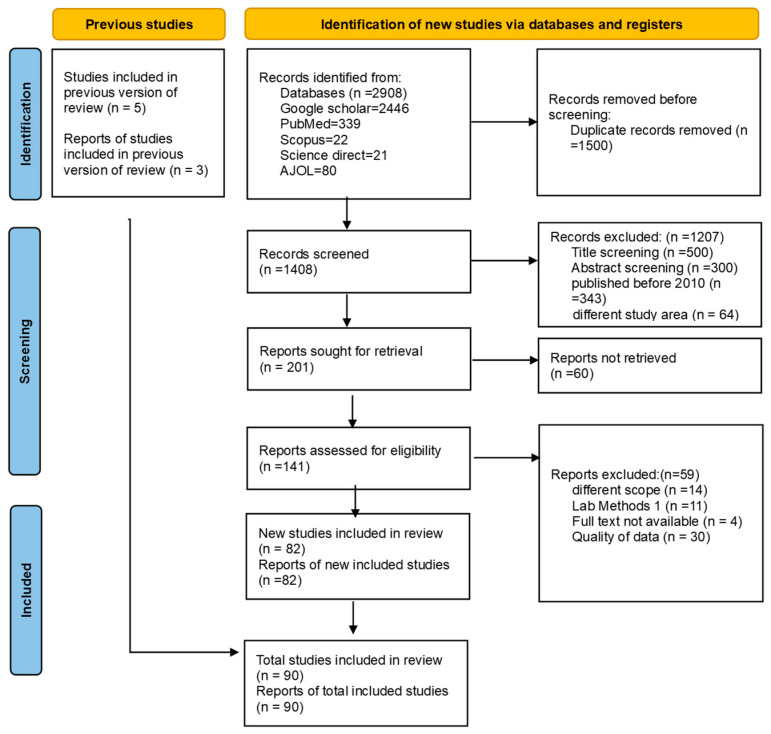 Figure 1
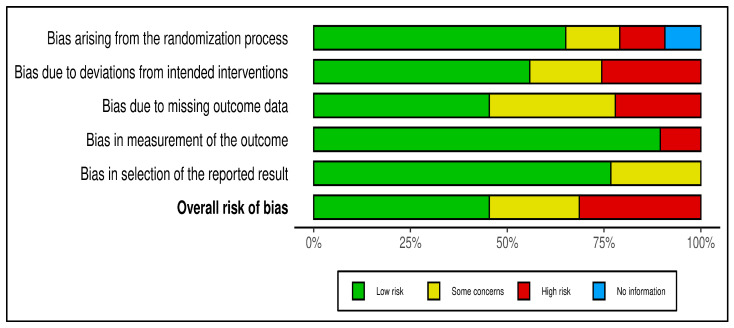 Figure 2
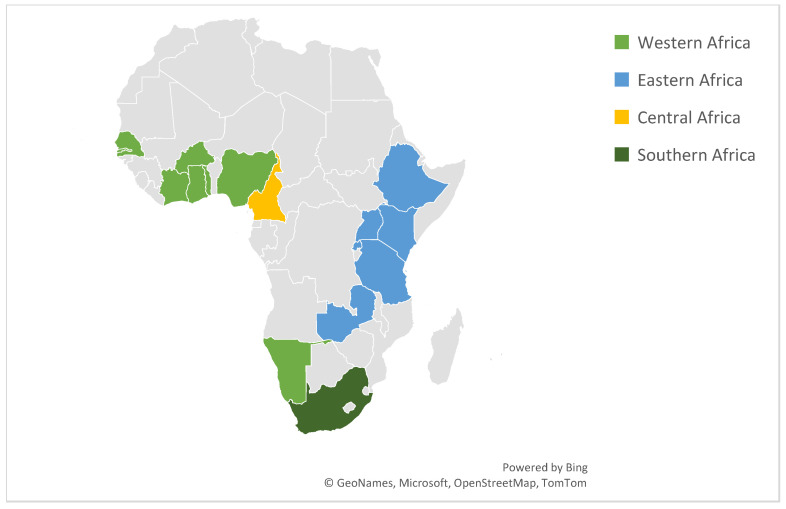 Figure 3
- —Centre of Excellence in Agri-Food Systems and Nutrition (CE-AFSN)
Peer Reviews
No public reviews on file for this paper yet. If you reviewed it on a platform where reviews are public (OpenReview, ICLR, NeurIPS, ICML), you can paste yours below so the community can read it here.
Videos
No videos yet. Explain this paper in a talk, walkthrough, or lecture? Add one.
Taxonomy
TopicsSalmonella and Campylobacter epidemiology · Food Safety and Hygiene · Zoonotic diseases and public health
1. Introduction
Sub-Saharan Africa (SSA) faces a dual threat to food security and public health due to the growing burden of antimicrobial resistance (AMR) and foodborne zoonoses [1,2,3,4]. Increasing resistance has been documented in critical pathogens such as Escherichia coli, Klebsiella pneumoniae, and Staphylococcus aureus [5,6]. Likewise, zoonotic bacteria such as Salmonella spp., Campylobacter spp., and Brucella spp. continue to cause widespread disease, contributing to high morbidity, mortality, and economic losses in both livestock and human populations [7,8,9,10].
Antimicrobial resistance in enteric bacteria originating from livestock and food products represents an escalating global challenge that threatens the effectiveness of antimicrobial therapy, food safety, and trade [11,12,13,14]. In sub-Saharan Africa, livestock production plays a vital role in supporting nutrition, food security and rural incomes, making the impact of antimicrobial resistance negatively significant [15,16,17]. The emergence and spread of resistant bacteria are driven by unregulated antimicrobial use, poor farm biosecurity, limited veterinary supervision, and weak surveillance and laboratory facilities [18,19,20,21].
The misuse of antimicrobials in animal production, commonly for prophylaxis, treatment, and growth promotion, exerts selective pressure that promotes resistance [22,23,24,25]. Because many veterinary drugs share similar chemical structures or mechanisms of action with those used in human medicine, cross-resistance further accelerates this process [26,27,28,29]. Additional drivers include the circulation of counterfeit human medicines, informal veterinary drug markets, and limited diagnostic capacity across sub-Saharan Africa [30,31,32,33].
Globally, AMR has been recognized as a major public health emergency with far-reaching health, social, and economic consequences [34]. The dwindling development pipeline for new antibiotics underscores the urgency of preserving existing drug efficacy [35,36]. Livestock such as cattle, small ruminants, poultry, and swine can serve as reservoirs of resistant bacteria that may spread to humans through direct contact, consumption of contaminated animal products, or exposure to contaminated environments [37,38]. Addressing this challenge requires an integrated One Health framework that links human, animal, and environmental health systems, recognizing that zoonotic bacteria can persist in animal waste, can contaminate soil and water, and subsequently infect humans through food or environmental exposure [39,40].
International organizations such as the Food and Agriculture Organization (FAO), the World Organization for Animal Health (WOAH), and the World Health Organization (WHO) have called for a coordinated global action plan on antimicrobial resistance, and prudent use of antimicrobials in humans, foods, and animal health sectors [41]. These emphasize policy coherence, harmonized surveillance, and cross-sectoral collaboration, given that an estimated 60% of emerging infectious diseases in humans originate from animals [42,43].
Despite global and regional initiatives, the actual prevalence and drivers of AMR in food systems remain poorly characterized in SSA due to fragmented data, limited surveillance, and research gaps [44,45]. This lack of comprehensive evidence hinders the development of context-specific interventions and policy responses [46,47,48,49]. Understanding the distribution, patterns, and determinants of resistance in key foodborne pathogens is therefore critical to designing effective One Health strategies [50,51,52,53].
This systematic review and meta-analysis synthesize current evidence on the prevalence and distribution of antimicrobial resistance in selected foodborne pathogens isolated from food animals and food products in sub-Saharan Africa. Specifically, the study aims to: (1) estimate the pooled prevalence of AMR, including multidrug resistance (MDR) in selected foodborne pathogens; (2) compare subgroup variations across countries, pathogen species, and antibiotic classes; and (3) evaluate temporal trends (2010–June 2025). Collectively, the findings from these analyses are expected to provide an evidence base to guide regional policy and interventions aimed at mitigating the emergence and spread of AMR, including MDR in SSA food systems.
2. Results
2.1. Characteristics of Included Studies and Their Distributions
A total of 90 published articles encompassing 1555 observations were included in the quantitative synthesis. Figure 1 shows the number of studies identified and selected for inclusion in the review and meta-analysis. The PRISMA checklist guidelines were provided in the Supplementary Material S1. The PRISMA 2020 flow diagram reporting the selection process across databases, registers, and other sources is shown in Figure 1 [54].
To evaluate methodological quality, the Cochrane risk of bias assessment tool (RoB 2.0) was used. The full report of risk of bias across studies, with detailed study-level assessments, was presented in Supplementary Figure S1. The summary of risk of bias across studies was reported as shown in Figure 2 below.
In the regional analysis, Eastern Africa contributed the largest number (n) of studies (n = 50/90, 55.5%), followed by Western Africa (n = 28/90; 31.1%), Southern Africa (n = 11/90; 12.2%), and Central Africa (n = 1/90; 1.1%). This irregular distribution indicates a research imbalance across the continent, as shown in the sub-Saharan Africa Maps in Figure 3, from (2010–June 2025).
Out of the 90 studies, 41, 31, and 30 studies have reported Salmonella spp., Pathogenic E. coli, and Campylobacter spp. (Table 1). The dataset comprising 104,086 positive isolates. Pathogenic E. coli accounted for the largest share (n = 58,231), followed by Campylobacter spp. (n = 27,073) and Salmonella spp. (n = 18,782). The summary of included studies by pathogen is shown in Table 1.
2.2. Pathogen Prevalence
The pooled random-effects model estimated that 53.1% (95% CI: 51.5–54.7) of food animal and product samples were contaminated with pathogenic E. coli, Salmonella spp., or Campylobacter spp., with substantial heterogeneity across studies (I^2^ = 99.0%, τ^2^ = 0.1030, p < 0.001). Contamination levels varied significantly by pathogen (Q = 262.4, p < 0.0001). Pathogenic E. coli had a pooled prevalence of 44.0%, compared with 52.0% for non-pathogenic E. coli. Campylobacter spp. and Salmonella spp. showed lower prevalence estimates of 18.4% and 17.6%, respectively. Evidence of publication bias is shown in Supplementary Figure S2a.
2.2.1. Subgroup Analysis of Pathogen Prevalence
According to the subgroup analysis, pathogen prevalence varied significantly across countries (Q = 616.7, p < 0.0001). The highest prevalence was recorded in Uganda (85.6%) followed by Tanzania (66.9%), Senegal (37.7%) and Togo (34.3%), whereas the lowest prevalence was found in Gambia (2.6%) and Ghana (9.5%). The subgroup analysis of pathogen prevalence across SSA countries is shown in Table 2.
2.2.2. Temporal Trend of Pathogen Prevalence
The meta-regression analysis also revealed a significant positive temporal trend in pathogen prevalence across the 1555 observations (β = 0.0765, SE = 0.0098, z = 7.77, p < 0.0001), but with high residual heterogeneity (I^2^ = 98.9%, τ^2^ = 2.8867). The reported prevalences have increased substantially over time, as shown in Table 3.
2.3. Antimicrobial Resistance (AMR) Prevalence
The pooled prevalence of antimicrobial Resistance was 61.6% (95% CI: 59.4–63.9), indicating that nearly two-thirds of bacterial isolates were resistant to at least one antimicrobial. Heterogeneity remained substantial (I^2^ = 99.5%, τ^2^ = 0.1950, p < 0.001). Supplementary Figure S2b shows funnel plot asymmetry indicating publication bias.
2.3.1. Subgroup Analysis of AMR Prevalence Rate by Country
In the subgroup analysis, AMR prevalence followed a similar pattern, with Cameroon (63.1%), Ghana (55.3%), Nigeria (50.5%), Uganda (45.9%), and Tanzania (41.5%) reporting the highest resistance levels, while Namibia (4.2%) showed the lowest. The subgroup analysis of AMR prevalence across SSA countries was reported as shown in Table 4.
2.3.2. Subgroup Analysis of AMR Prevalence by Pathogen Type
Regarding AMR, Campylobacter spp. displayed the highest resistance (43.6%, 95% CI: 40.2–46.9%), followed by Salmonella spp. (29.1%) and E. coli (22.8%), suggesting Campylobacter as a major resistance reservoir in food systems. The subgroup analysis of AMR prevalence by pathogen type is shown in Table 5.
2.3.3. Subgroup Analysis of AMR Prevalence Rate by Classes
In the subgroup analysis, resistance patterns varied markedly among antimicrobial classes (Q = 44,512.2, p < 0.0001). Resistance levels varied widely. Rifamycins showed the highest resistance (100%), followed by polypeptide antibiotics (88%) and glycopeptides (73%). High resistance was also observed in tetracyclines (54%) and folate pathway inhibitors (50%). Moderate resistance levels were found for Nitrofurans (40%), Macrolides (39%), and Lincosamides (36%). Lower resistance proportions were noted for β-Lactam antibiotics (35%), Fluoroquinolones (24%), Aminoglycosides (23%), Phenicols (20%), and Polymyxins (9%). The subgroup analysis of AMR prevalence by antimicrobial classes is shown in Table 6.
2.3.4. Temporal Trend of AMR Prevalence by Year
The mixed-effects meta-regression of 1552 observation AMR estimates showed very high heterogeneity (τ^2^ = 4.62; I^2^ = 98.68%). Year significantly influenced resistance levels (Q = 36.74, p < 0.0001), revealing a clear upward trend. AMR increased by approximately 0.08 units per year (estimate = 0.0785, p < 0.0001), indicating a steady rise in resistance among foodborne pathogens over time. The reported AMR prevalences have increased substantially over time, as shown in Table 7.
2.4. Multidrug Resistance (MDR) Prevalence
The overall pooled prevalence of MDR was 9.1% (95% CI: 8.3–10.0), with high heterogeneity (I^2^ = 95.5%, τ^2^ = 0.0262, p < 0.001). A total of 1253 isolates from 16 African countries were included in the analysis. The prevalence of multidrug resistance (MDR) varied widely across countries. Cameroon reported the highest MDR prevalence (53.3%), followed by Rwanda (7.2%), Uganda (4.3%), Tanzania (4.1%), Nigeria (3.6%), Ethiopia (3.3%), Zambia (1.8%), South Africa (1.2%), and Kenya (0.3%). In contrast, no MDR isolates were reported in Burkina Faso, Côte d’Ivoire, Gambia, Ghana, Namibia, Senegal, or Togo. These findings highlight substantial heterogeneity in MDR occurrence across the region.
A total of 1553 isolates from three major foodborne pathogens were included in the analysis. Escherichia coli showed the highest multidrug-resistance (MDR) prevalence at 4.2%, followed by Salmonella spp. at 2.3%. Campylobacter spp. had the lowest MDR prevalence at 1.7%. Overall, the data indicate relatively low but variable levels of MDR across the different pathogens. Supplementary Figure S2c shows the corresponding funnel plot for MDR estimates.
3. Discussion
3.1. Pathogen Prevalence
The results show that over half of food animals and their product samples were contaminated with zoonotic bacteria, underscoring the persistence of hygiene and biosecurity gaps along the food chain. The higher prevalence in sub-Saharan Africa is probably a reflection of weak enforcement of Good Agricultural Practices (GAPs) and Good Manufacturing Practices (GMPs), limited regulatory supervision, inadequate training for producers, and insufficient investment in hygiene and biosecurity infrastructure across the livestock value chain [55,56,57,58]. The dominance of pathogenic E. coli, Campylobacter spp., and Salmonella spp., all major causes of human gastroenteritis, reflects their endemic circulation in livestock and their food products [59,60,61]. Poor slaughter hygiene, informal meat handling, and limited cold-chain capacity likely drive these trends [62,63,64]. The observed high heterogeneity (I^2^ > 98%) suggests substantial methodological and ecological variability across countries, emphasizing the urgent need for standardized surveillance and laboratory protocols across sub-Saharan Africa [65,66,67].
Significant geographic variation was observed across the region. Eastern Africa contributed the largest dataset and exhibited the highest contamination rates. Countries such as Tanzania and Uganda showed markedly higher pathogen prevalence, likely due to informal slaughter practices and limited veterinary oversight. Country-level variations in AMR prevalence likely reflect disparities in veterinary infrastructure, antimicrobial regulation, laboratory capacity, and surveillance systems. Nations with limited veterinary supervision, weak policy enforcement, and inadequate diagnostic resources tend to report higher resistance rates. Due to a lack of sufficient data, this review could not sufficiently explore the relative importance of these drivers in determining pathogen prevalence. In contrast, Namibia and The Gambia recorded lower contamination rates, probably reflecting stronger regulatory enforcement and veterinary infrastructure. The substantial between-country heterogeneity reflects uneven implementation of antimicrobial stewardship, disparities in farm-level biosecurity, and gaps in national surveillance frameworks [68,69].
The meta-regression revealed a significant upward trend in pathogen prevalence published between 2010 and June 2025, suggesting a worsening contamination burden over time. This trajectory parallels Africa’s rapid livestock intensification, urbanization, and expansion of informal food markets. The persistently high residual heterogeneity further implies that unmeasured contextual factors, such as geography and methodology, antimicrobial access, biosecurity enforcement, and laboratory diagnostic capacity, contribute to contributed to variability. These findings highlight the importance of longitudinal and genomic surveillance to track resistance emergence and transmission dynamics more accurately. The upward trend underscores a growing burden of foodborne pathogens and antimicrobial resistance across sub-Saharan Africa, emphasizing the urgent need for integrated surveillance and policy action [70].
3.2. Antimicrobial Resistance (AMR) Prevalence
The pooled AMR prevalence of 61.6% demonstrates extensive bacterial exposure to antimicrobials throughout the food system. High resistance observed against polypeptides, glycopeptides, penicillin, first-generation cephalosporins, aminopenicillins, tetracyclines, and folate pathway inhibitors indicates excessive and unregulated antibiotic use in veterinary production. This misuse is driven by easy access without prescription, lack of farmer awareness on antimicrobial stewardship, limited veterinary services, and economic pressures to enhance growth and prevent disease under poor biosecurity conditions [71]. The higher AMR proportion observed in Campylobacter spp. (43.6%) compared with Salmonella (29.1%) and E. coli (22.8%) should be interpreted cautiously, as differences between species may reflect variable study designs, sampling methods, and selective pressures rather than true biological differences. These findings are consistent with reports from Ethiopia, Kenya, and Tanzania showing similar resistance trends in poultry and cattle isolates [72,73,74,75,76,77]. The pervasive resistance within foodborne bacteria not only reduces livestock productivity but also threatens the efficacy of essential human antibiotics [78,79,80,81]. These findings reinforce WHO and Africa CDC assessments recognizing Africa as a global AMR hotspot [82,83,84,85].
This review shows high levels of antimicrobial resistance across several major drug classes, with the greatest resistance observed in Rifamycins, polypeptide antibiotics, and glycopeptides. Resistance to commonly used agents such as tetracyclines and folate pathway inhibitors further emphasizes the growing challenge of effective treatment and demonstrates the extensive misuse of broad-spectrum antimicrobials in livestock production. The substantial heterogeneity among studies suggests large variations in resistance patterns across regions and study settings. Strengthened surveillance and improved antimicrobial stewardship are urgently needed to address these trends. Due to the very small sample size, the high AMR prevalence found for glycopeptides, polypeptides, and Rifamycins needs to be interpreted cautiously, while low resistance to carbapenems, phosphonic acids, and polymyxins suggests these agents remain relatively effective. Emerging resistance patterns raise concern for the future of last-resort antibiotics. Similar trends have been reported across East Africa, where carbapenem-producing Enterobacteriaceae have begun to emerge in both clinical and agricultural contexts [86,87,88,89]. The nearly complete resistance to rifamycin observed in limited datasets signals a potential new frontier in resistance evolution that warrants urgent genomic investigation. This finding reflects widespread misuse of antimicrobials in livestock production systems and weak stewardship enforcement, constituting a major One Health threat [90,91,92].
3.3. Multi Drug Resistance (MDR) Prevalence
The pooled prevalence of multidrug resistance, although lower than single-drug resistance, remains concerning due to the association of MDR with mobile genetic elements that facilitate horizontal gene transfer across bacterial species and environments [93,94,95,96]. Comparable meta-analyses from sub-Saharan Africa report MDR prevalence between 8 and 15%, confirming that resistant pathogens are widespread across clinical, animal, and food sources [97,98,99,100]. The high heterogeneity likely reflects differences in study design, bacterial species, antimicrobial testing, and antibiotic use practices across countries [101,102,103]. Even a modest MDR burden poses significant risks by reducing treatment options, prolonging illness, and increasing healthcare costs. Strengthening antimicrobial stewardship, diagnostic capacity, and genomic surveillance under the One Health framework is critical to track and contain MDR dissemination.
This review highlights notable differences in multidrug-resistance (MDR) patterns among major foodborne pathogens. Escherichia coli exhibited the highest MDR prevalence (4.2%), reflecting its frequent exposure to diverse antimicrobial agents in both human and animal settings, which may accelerate resistance development. Salmonella spp. showed moderate MDR levels (2.3%), consistent with documented regional variation in antimicrobial use practices along the food production chain. Campylobacter spp. demonstrated the lowest MDR prevalence (1.7%), although the organism’s intrinsic resistance mechanisms and challenges in laboratory recovery may contribute to underestimation.
Overall, although the MDR prevalence appears relatively low, the observed differences across pathogens suggest varying ecological pressures, antimicrobial usage behaviors, and surveillance sensitivity. These findings underscore the continued need for harmonized pathogen-specific monitoring and targeted interventions across the One Health spectrum to prevent further emergence and spread of resistance.
3.4. Policy Implications
The high prevalence of antimicrobial resistance (AMR) and the presence of multidrug resistance highlight an urgent need for coordinated One Health policy actions that integrate human, animal, and environmental health sectors. MDR strains, frequently driven by mobile genetic elements such as plasmids, transposons, and integrons, pose a serious challenge to treatment efficacy and food safety, underscoring the need for strengthened surveillance and antimicrobial stewardship across all levels of the food chain. Regional alignment with the WHO Global Antimicrobial Resistance Surveillance System (GLASS) and the Africa CDC AMR Surveillance Network (AMRSNET) is crucial for data harmonization, quality assurance, and evidence-based policy development [104]. Key policy priorities should include: Strengthening national legislation regulating veterinary antimicrobial sales and use; Enforcing sanitary and biosecurity standards across meat, dairy, and poultry value chains; Expanding diagnostic, genomic, and metagenomic surveillance infrastructure to monitor MDR and resistance gene dissemination; and Implementing risk communication and community education programs targeting farmers, butchers, and food vendors. Such integrated and evidence-driven interventions are vital to contain AMR and MDR dissemination, safeguard food security, and preserve regional trade integrity.
3.5. Limitations and Future Directions
This study was constrained by the reliance on secondary data with heterogeneous methodologies and potential publication bias. The definition and reporting of multidrug resistance (MDR) varied considerably across studies, which limited comparability and prevented a meaningful subgroup or trend analysis. Nevertheless, the inclusion of a large pooled dataset and application of robust random-effects models enhances the credibility and generalizability of the findings. In the past, some food additives containing heavy metals have also been linked with AMR, but we could not establish this in this systematic review due to the scarcity of data. Future research should employ whole-genome sequencing (WGS) and metagenomic approaches to comprehensively characterize AMR determinants, MDR plasmid transmission pathways, and virulence factors. The limited number of studies from Central Africa restricts regional representativeness and may bias pooled estimates. This highlights the need for increased investment in AMR surveillance and coordinated research networks across underrepresented regions to inform equitable policy decisions [44]. Strengthening laboratory capacity, data integration, and policy translation within the One Health framework will be key to achieving sustainable AMR and MDR control in sub-Saharan Africa [45].
4. Materials and Methods
4.1. Study Design and Protocol Registration
A systematic review and meta-analysis were conducted to estimate the pooled prevalence of antimicrobial resistance (AMR), multidrug resistance (MDR), and foodborne bacterial pathogens (Salmonella spp., pathogenic E. coli, and Campylobacter spp.) in food-producing animals and food products across sub-Saharan Africa (SSA). The review adhered to the Preferred Reporting Items for Systematic Reviews and Meta-Analyses (PRISMA) guidelines [54] and was registered with PROSPERO (ID: 1151530). This study was structured following the PICOTS framework:
- Population (P): Farm animals (cattle, poultry, pigs, goats, and sheep) and their derived food products (meat, milk, and eggs).
- Intervention/Exposure (I): Exposure to antimicrobial-resistant enteric pathogens (Salmonella spp., pathogenic E. coli, Campylobacter spp.).
- Comparator (C): Not applicable to prevalence analysis.
- Outcomes (O): Pooled prevalence of AMR, MDR, and pathogen isolation rates; resistance profiles by antibiotic class.
- Time (T): Studies published between 2010 and June 2025.
- Setting (S): Farms, slaughterhouses, markets, and retail outlets across SSA.
The geographical scope followed the United Nations [105], macro-regional classification, dividing SSA into Eastern, Central, Southern, and Western Africa.
4.2. Search Strategy
A comprehensive literature search was conducted in PubMed, Scopus, ScienceDirect, Google Scholar, and African Journals Online (AJOL) for studies published between 2010 and June 2025. Boolean operators and Medical Subject Headings (MeSH) were applied as follows: (“antimicrobial Resistance” OR “antimicrobial Resistance” OR “multidrug resistance”) AND (“enteric pathogens” OR “Salmonella” OR “Escherichia coli” OR “Campylobacter”) AND (“meat” OR “milk” OR “eggs”) AND (“livestock” OR “farm animals” OR “poultry” OR “cattle” OR “pigs” OR “goats”) AND (“Sub-Saharan Africa” OR “East Africa” OR “West Africa” OR “Southern Africa” OR “Central Africa”).
Reference lists of eligible studies were screened to identify additional publications. When full-text access was unavailable, corresponding authors were contacted. Only English-language, peer-reviewed studies meeting the inclusion criteria were retained. Two reviewers independently screened titles, abstracts, and full texts, resolving disagreements through discussion.
4.3. Eligibility Criteria
Studies were included if they reported primary data on antimicrobial resistance and MDR in Salmonella spp., Escherichia coli, or Campylobacter spp. from food-producing animals or food products in SSA. Non-indexed sources, such as institutional reports and local journals, were screened through Google Scholar and relevant repositories, provided they contained sufficient methodological detail and laboratory-based results. Reviews, editorials, and duplicate datasets were excluded.
The inclusion criteria were as follows:
- Reported laboratory-confirmed isolates of Salmonella spp., pathogenic E. coli, or Campylobacter spp.
- Originated from food-producing animals or derived food products (meat, milk, eggs, carcasses, ready-to-eat meat, cheese, or sausages).
- Employed standardized antimicrobial susceptibility testing (AST) methods (disk diffusion, broth/agar dilution, E-test, MIC, or VITEK) with interpretation based on CLSI or EUCAST guidelines.
- Provided quantitative data on AMR and/or MDR prevalence.
The exclusion criteria are as follows:
- Focused on non-bacterial pathogens (parasites, fungi, or viruses).
- Included wildlife, companion animals, or aquatic species.
- Were reviews, editorials, conference abstracts, or gray literature.
- Lacked explicit AMR/MDR data or prevalence estimates.
- Not published in English.
4.4. Data Extraction
Data were extracted using a standardized Excel form, including first author, publication year, country, study design, animal species, sample type (meat, milk, feces, swab), bacterial species, AST methods, antibiotics tested, and interpretation guidelines.
Quantitative variables extracted were as follows:
- Sample size and number of positive isolates;
- Pathogen prevalence;
- AMR and MDR rates (MDR defined as resistance to ≥3 antibiotic classes);
- Geographic region and study setting.
All duplicate records retrieved from Google Scholar and other databases were removed using Mendeley software, Excel, and manual screening before title and abstract review. Reference management was performed using Mendeley (version X7; Thomson Reuters, Toronto, ON, Canada).
4.5. Quality Assessment
Study quality was evaluated using the Cochrane Risk of Bias Tool (RoB 2.0), adapted for observational studies. Three domains were assessed as follows:
- Selection bias: representativeness of study population;
- Measurement bias: reliability of laboratory testing and AST interpretation;
- Reporting bias: completeness and transparency of data.
Each study was rated as having low, moderate, or high risk of bias. Discrepancies between reviewers were resolved by consensus.
4.6. Data Synthesis and Statistical Analysis
Random effects meta-analysis of proportions was performed using the meta and metafor packages of the R software (version 4.3.1). Pooled prevalence estimates and their 95% confidence intervals (CIs) were computed using DerSimonian–Laird random-effects models to account for inter-study variability. For assessing heterogeneity between studies or categories, Cochran’s Q, the heterogeneity variance (τ^2^), and I^2^ statistics were used. These were generated by the random effects models. Cochran’s Q provides a test of the hypothesis that the true treatment effects are the same in all the primary studies included in a meta-analysis. Normally, τ^2^ is used as a measure of the amount of true variance in the effect sizes across the population of studies. When the value of I^2^ is 0, all variability in effect size estimates is assumed to be due to sampling error within studies, while I^2^ > 50% indicates significant heterogeneity between studies. Following the same logic, we interpreted I^2^ > 50% as an indication of significant heterogeneity between studies or subgroups. In addition, subgroup analyses were performed to manage heterogeneity. The subgroups were based on (1) bacterial pathogen (Salmonella spp., pathogenic E. coli, Campylobacter spp.); (2) antibiotic classes (such as β-lactams, fluoroquinolones, tetracyclines, and others); and (3) country and subregion (Eastern, Western, Southern, Central Africa).
Publication bias was assessed using Egger’s regression test, the Trim-and-Fill method, and visual funnel plots. Pooled AMR and MDR event rates were presented with 95% CIs, weighted by the inverse of study variance. For ease of interpretation, all proportions and their 95% CIs were converted from proportions to percentage values. All statistical scripts, datasets, and analytical codes are available upon request or through the corresponding author.
4.7. Ethical Considerations and AI Disclosure
This study analyzed data from previously published literature; therefore, ethical approval was not required. The review adhered to open science principles for data sharing and transparency. Generative Artificial Intelligence (GenAI), specifically, ChatGPT (OpenAI GPT-5), was used for language editing, formatting standardization, and structure alignment with the MDPI Antibiotics guidelines. No AI was used to generate, modify, or analyze the data.
5. Conclusions
It is concluded that a high burden of antimicrobial resistance and multidrug resistance exists among Salmonella spp., Escherichia coli, and Campylobacter spp. from food-producing animals and food products in sub-Saharan Africa. The high AMR prevalence and MDR rate highlight a serious One Health challenge with significant implications for food safety, public health, and regional trade. It is also concluded that resistance is most pronounced against certain antibiotics. Rifamycins showed the highest resistance, followed by polypeptide antibiotics and glycopeptides, tetracyclines, and folate pathway inhibitors, underscoring the need for prudent antimicrobial use and stronger surveillance systems. Addressing these threats requires harmonized AMR monitoring, effective regulation of veterinary antimicrobial use, and investment in diagnostic and genomic capacity to detect and control resistance early. Sustained One Health collaboration and evidence-driven policies are essential to preserve antimicrobial efficacy, protect public health, and ensure sustainable agri-food systems across sub-Saharan Africa.
The reference list from the paper itself. Each links out to its DOI / PubMed record.
- 1Kalule J.B. Smith A. Vulindhlu M. Tau N. Nicol M. Keddy K. Robberts L. Prevalence and antibiotic susceptibility patterns of enteric bacterial pathogens in human and non-human sources in an urban informal settlement in Cape Town, South Africa BMC Microbiol.20191924410.1186/s 12866-019-1620-631694551 PMC 6836408 · doi ↗ · pubmed ↗
- 2Matakone M. Founou R.C. Founou L.L. Dimani B.D. Koudoum P.L. Fonkoua M.C. Boum-Ii Y. Gonsu H. Noubom M. Multi-drug resistant (MDR) and extended-spectrum β-lactamase (ESBL) producing Escherichia coli isolated from slaughtered pigs and slaughterhouse workers in Yaoundé, Cameroon One Health 20241910088510.1016/j.onehlt.2024.10088539281346 PMC 11402427 · doi ↗ · pubmed ↗
- 3Okumu N.O. Muloi D.M. Moodley A. Ochien’GL. Watson J. Kiarie A. Ngeranwa J.J. Cumming O. Cook E.A. Epidemiology of Antimicrobial-Resistant Diarrheagenic Escherichia coli Pathotypes from Children, Livestock and Food in Dagoretti South, Nairobi Kenya Int. J. Antimicrob. Agents 20256510741910.1016/j.ijantimicag.2024.10741939725335 · doi ↗ · pubmed ↗
- 4Ronald C. Matofari J.W. Nduko J.M. Antimicrobial resistance of E. coli strains in ready-to-eat red meat products in Nakuru County, Kenya Microbe 2023110002210.1016/j.microb.2023.100022 · doi ↗
- 5Zeru F. Adamu H. Woldearegay Y.H. Tessema T.S. Hansson I. Boqvist S. Occurrence, risk factors and antimicrobial resistance of Campylobacter from poultry and humans in central Ethiopia: A one health approach P Lo S Negl. Trop. Dis.202519 e 001291610.1371/journal.pntd.001291640788940 PMC 12360658 · doi ↗ · pubmed ↗
- 6Njoga E.O. Mshelbwala P.P. Ogugua A.J. Enemuo-Edo E.C. Onwumere-Idolor O.S. Ogunniran T.M. Bernard S.N. Ugwunwarua J.C. Anidobe E.C. Okoli C.E. Campylobacter Colonisation of Poultry Slaughtered at Nigerian Slaughterhouses: Prevalence, Antimicrobial Resistance, and Risk of Zoonotic Transmission Trop. Med. Infect. Dis.20251026510.3390/tropicalmed 1009026541003575 PMC 12474369 · doi ↗ · pubmed ↗
- 7Beyene A.M. Alemie Y. Gizachew M. E Yousef A. Dessalegn B. Bitew A.B. Alemu A. Gobena W. Christian K. Gelaw B. Serovars, virulence factors, and antimicrobial resistance profile of non-typhoidal Salmonella in the human-dairy interface in Northwest Ethiopia: A one health approach P Lo S Negl. Trop. Dis.202418 e 001264610.1371/journal.pntd.001264639565761 PMC 11578527 · doi ↗ · pubmed ↗
- 8Dieye Y. Hull D.M. Wane A.A. Harden L. Fall C. Sambe-Ba B. Seck A. Fedorka-Cray P.J. Thakur S. Genomics of human and chicken Salmonella isolates in Senegal: Broilers as a source of antimicrobial resistance and potentially invasive nontyphoidal salmonellosis infections P Lo S ONE 202217 e 026602510.1371/journal.pone.026602535325007 PMC 8947133 · doi ↗ · pubmed ↗