Risky Outdoor Play and Adventure Education in Nature for Child and Adolescent Wellbeing: A Scoping Review
Tonia Gray, Michael J. A. Down, Jeff Mann, Jaydene Barnes, Marion Sturges, David Eager, Fiona Pigott, Alexandra Harper, Susan Hespos, Robyn Monro Miller, Arianne Reis

TL;DR
This review shows that risky outdoor play and adventure education in nature benefit children and adolescents by improving their wellbeing, confidence, and social skills.
Contribution
The study identifies eight key developmental themes and highlights the role of autonomy in realizing benefits from risky outdoor experiences.
Findings
All 40 studies found positive associations between risky outdoor play and child development.
Key benefits include improved mental health, social competence, and anxiety prevention.
Barriers to implementation include parental anxiety and institutional liability concerns.
Abstract
According to the Australasian Society for Developmental Paediatrics, experiential learning and outdoor play contain elements of risk, bravery, uncertainty, exploration, personal challenge, and adventure. These attributes are fundamental to a child’s growth, development, and wellbeing, and yet, in contemporary society, outdoor experiences have significantly declined. This scoping review explores the benefits and affordances of nature-based risky play and adventure education across early childhood and adolescence, asking what developmental opportunities emerge when children and adolescents engage in meaningful outdoor challenges. Adopting a benefit–risk approach where safety is “as safe as necessary” rather than “as safe as possible,” the review identifies common elements across developmental stages. A scoping review following PRISMA-ScR guidelines synthesised empirical studies…
Genes, proteins, chemicals, diseases, species, mutations and cell lines named across the full text — each resolved to its canonical identifier and authoritative record.
Click any figure to enlarge with its caption.
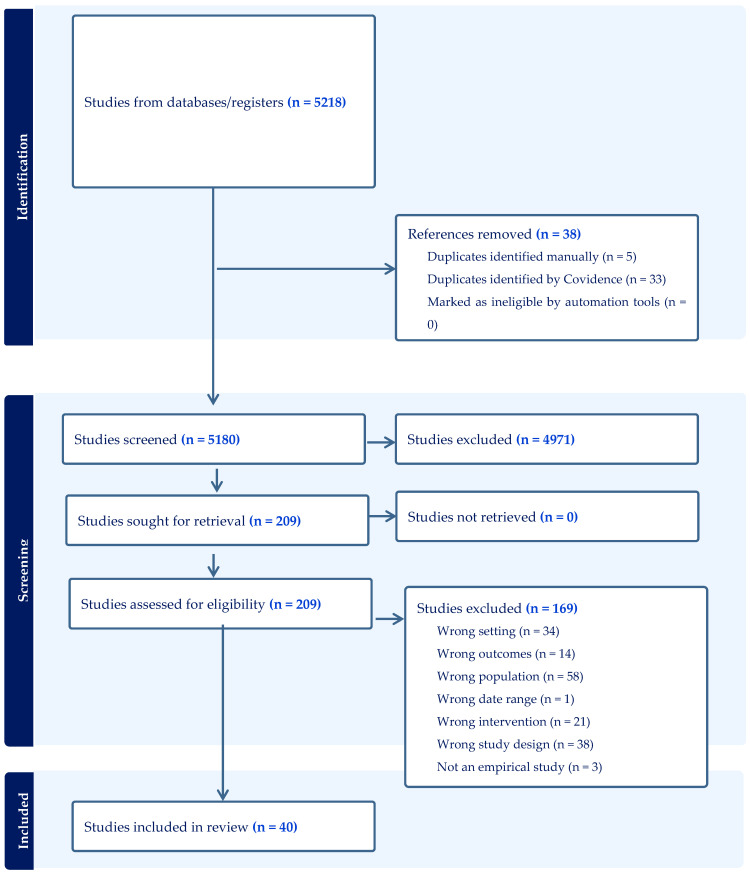 Figure 1
Peer Reviews
No public reviews on file for this paper yet. If you reviewed it on a platform where reviews are public (OpenReview, ICLR, NeurIPS, ICML), you can paste yours below so the community can read it here.
Videos
No videos yet. Explain this paper in a talk, walkthrough, or lecture? Add one.
Taxonomy
TopicsOutdoor and Experiential Education · Adventure Sports and Sensation Seeking · Urban Green Space and Health
1. Introduction
Child and adolescent risk-taking and outdoor adventure have undergone dramatic changes over recent decades (T. Gray et al., 2025a; Haidt, 2024). Traditional forms of unstructured and challenging activities, such as risky play, have been replaced by highly structured, adult supervised, and risk-averse activities (Charan et al., 2024; Eager et al., 2025; Loebach et al., 2021; Sturges et al., 2023). This shift has occurred alongside escalating concerns about overreliance on digital devices and screen time, physical inactivity, rising mental health challenges, and other associated developmental outcomes for children and youth (Australasian Society for Developmental Paediatrics, ASDP, 2025; Beaulieu & Beno, 2024; Dodd et al., 2023; T. Gray et al., 2025a; Liu et al., 2025; Scott et al., 2022). In the same vein, P. Gray et al. (2023) provide compelling evidence that the decline in self-directed and independent activity has contributed to the deterioration in a child’s mental wellbeing. Haidt (2024) purported that excessive screen exposure is linked to a marked decline in resilience, self-regulation, physical activity, creativity, and face-to-face social interaction. Given these troubling findings, he coined the term “Gen Overwhelmed” or “Gen Anxious” for the youth of our times.
With the advent of “helicopter parenting” in recent decades, T. Gray et al. (2025a) argued that “modern society is at a dangerous crossroads, preoccupied with hermetically sealing children from harm or risk exposure yet, paradoxically, creating a deficit in mental toughness and resilience” (p. 37). De Lannoy (2024) documented the transformation in outdoor play opportunities, while Loebach et al. (2021) identified socioenvironmental barriers to community-based outdoor play. Most alarmingly in this digital era, Charan et al. (2024) described the need to rescue children’s outdoor playtime for their holistic development whether it be physical health, cognitive stimulation, or socioemotional wellbeing.
Within the milieu of declining opportunities, risky play emerges not merely as a lost practice but as a critical developmental necessity. The publication of the international standard on benefit–risk allowed for societal acceptance of risk in outdoor recreation activities and education (Eager, 2024). This need has recently been highlighted by position statements on risky play from two international paediatric societies: the ASDP (2025) and the Canadian Paediatric Society (Beaulieu & Beno, 2024). Early experiences shape children’s brain development and set strong foundations for adolescence and lifelong health and wellbeing. Risk-taking develops children and adolescents’ executive function skills, risk intelligence, and risk literacy, which includes the ability to adjust their behaviour and mindset to achieve goals, as well as emotional regulation and problem-solving skills (Eager et al., 2025; T. Gray et al., 2025a).
Evidence-based research suggests that exposure to risk-taking in activities such as nature-based play and adventure outdoor education serves as an important catalyst for our developmental functions across multiple domains (Down et al., 2022; Eager et al., 2025; Harper et al., 2025). In turn, this helps children and youth overcome fears and develop resilience (T. Gray et al., 2025a; Sandseter et al., 2023b). Contemporary research repeatedly demonstrates a positive association between healthy risk-taking and physical and mental wellbeing, social competence, and cognitive development (T. Gray et al., 2025c; Liu et al., 2025; McCallum et al., 2024; Sando et al., 2021; Sturm et al., 2025). Based on this evidence, Meijer et al. (2024) advocated for planning approaches that move from child-safe playgrounds towards adventurous urban areas. However, despite growing recognition of these benefits, children and adolescents’ opportunities for risky play and adventurous activities have declined significantly due to increased parental anxiety, institutional liability concerns, cultural shifts towards risk aversion, and environmental changes (T. Gray, 2018; Jones et al., 2025; Oliver et al., 2023; Sturges et al., 2023).
This scoping review explores the benefits of risk-taking in nature play and adventurous outdoor activities for children and adolescents. It differs from previously published reviews in that its primary focus is on activities engaged in natural environments. The primary aim of this scoping review is to identify the health outcomes of nature-based risky play and adventurous activities for children and youth up to 18 years of age.
2. Definitions and Conceptualisations of Risky Play and Outdoor Adventure Education
The conceptualisation of risky play as a distinct research area began when Sandseter (2007) established a foundational taxonomy identifying six categories: (1) play with great heights, (2) play with high speed, (3) play with harmful tools, (4) play near dangerous elements, (5) rough-and-tumble play, and (6) play where children can “disappear” or get lost. This taxonomic framework provided the influential definition of risky play as thrilling and exciting forms of play that involve a risk of physical injury. Risky play primarily takes place outdoors, often as challenging and adventurous physical activities, children attempting something they have never done before, skirting the borderline of the feeling of being out of control (often because of height or speed) and overcoming fear (Sandseter & Kennair, 2011).
Subsequent research by Kleppe et al. (2017) expanded this framework to eight categories by adding impact and vicarious risk while adapting definitions for younger children as “play that involves uncertainty and exploration—bodily, perceptual or environmental—that could lead to negative consequences” (p. 18). Stevens-Smith and Murdock (2020) identified seven foundational play elements—balancing, sliding, brachiating, spinning, climbing, swinging, and sensory development—underscoring play’s role in enhancing cognitive, social, and emotional development when appropriately implemented.
Contemporary frameworks have evolved beyond purely physical risk considerations. Sandseter et al. (2023a) expanded conceptualisation to encompass three biopsychosocial levels: mental health and emotion regulation, social functioning and challenging norms, and physical health and development. Recent definitions emphasise agency and positive outcomes, with Jones et al. (2025) characterising risky play as “respectful, exploratory and challenging with often unpredictable outcomes”; that is, “child-initiated and physically engages all the senses leading to positive learning and development outcomes” (p. 7).
Outdoor adventure education (OAE) encompasses a range of pedagogical activities and experiences that engage directly with natural settings and often include either real or perceived risks (Ewert, 2014). Research indicates that risk-taking is driven by intrinsic motivation that is self-initiated and self-controlled (Kvalnes & Sandseter, 2023). This intrinsic motivation appears to align with self-determination theory, which identifies autonomy, competence, and relatedness as fundamental psychological needs that drive human behaviour and development (Ryan & Deci, 2000, as cited in Johnstone et al., 2022).
Extensive research also reveals that when children and adolescents engage in positive risk-taking, they exercise autonomy by making independent choices about challenge levels (Eager et al., 2025; T. Gray, 2019; Sandseter et al., 2023a; Hattie et al., 1997; Little, 2022). Correspondingly, they develop competence through mastering new skills and overcoming fears, and they build relatedness through shared risk-taking experiences with peers (T. Gray et al., 2025c; Pigott et al., 2025; Sando et al., 2021; Sturges et al., 2023). Positive risk-taking fosters skills such as problem-solving, benefit–risk assessment, and self-efficacy, leading to increased self-confidence, mental wellbeing, and decision-making skills. Studies from nature-based educational settings suggest that fulfilment of these basic psychological needs serves as a mediating factor for motivation and wellbeing outcomes, with natural environments supporting children’s sense of autonomy and competence as learners (Harper et al., 2025; Johnstone et al., 2022).
Armstrong et al. (2025) clarified that positive risk-taking “denotes a situation whereby a child can recognise and evaluate a challenge and decide on a course of action” (p. 2), positioning children as active agents rather than passive recipients of environmental dangers. This decision-making process appears to reflect the core principles of self-determination theory, where children’s and adolescents’ autonomous choices in risky situations may support their fundamental needs for competence and self-efficacy (Ryan & Deci, 2000, as cited in Johnstone et al., 2022). Research suggests that, through risky play and adventurous activities, participants actively construct their own learning experiences, potentially developing confidence in their ability to assess and handle challenging situations (Mann et al., 2022; Pigott et al., 2025). Against this backdrop, wellbeing is enhanced when educators “provide well-planned and challenging outdoor environments that encourage risk-taking and risky play experiences” (Speldewinde, 2025, p. 47).
Theoretical foundations for risky play’s mental health benefits originated with Sandseter and Kennair’s (2011) antiphobic theory. Consequently, the positioning of risky play has now evolved to a point where it is “a mechanism to remove remaining nonfunctional anxiety as the child matures and becomes competent to master situations that previously were beyond their capacity to cope with” (Sandseter et al., 2023a, p. 130). This framework suggests that children’s engagement with fearful situations through play serves as natural exposure therapy, gradually building confidence and reducing anxiety responses to environmental challenges.
Dodd and Lester (2021) extended this theoretical understanding by proposing that adventurous play functions as a specific mechanism for reducing childhood anxiety risk. Their conceptual model suggests that activities such as tree climbing, fast downhill cycling, and rock jumping create controlled opportunities for children to experience manageable fear within a positive, self-directed context. According to their framework, the combination of thrilling emotions with playful engagement allows children to develop critical skills for managing physiological arousal, tolerating uncertainty, and building coping competencies. The model proposes that repeated exposure to these manageable challenges progressively strengthens children’s confidence in their ability to handle anxiety-provoking situations while reducing tendencies towards catastrophic thinking about bodily sensations.
Sandseter et al. (2023a) substantially broadened this theoretical foundation, moving beyond anxiety-focused models to establish a comprehensive framework spanning mental health regulation, social norm navigation, and physical development. They argued that risky play serves “a broader emotion regulation function, of which the anti-phobic function is a subcategory” (p. 130). Their evolutionary framework positions children’s attraction to challenging play as an adaptive mechanism driven by excitement and competence building across diverse developmental domains. This reconceptualisation reframes perceived risks as evolutionarily advantageous experiences that promote healthy development rather than merely correcting anxiety-related deficits.
Similarly, recent research reframes adolescent risk-taking as potentially adaptive rather than inherently problematic. Positive risk-taking theory provides foundational understanding, with Duell and Steinberg (2021) distinguishing between positive risks that offer developmental benefits and social acceptability versus negative risks such as substance use and delinquency. Their theoretical model emphasises that positive risk-taking serves essential developmental functions, including identity formation, autonomy establishment, skill development, and opportunity exploration.
The neurobiological development framework offers critical support for positive risk-taking theory. Baker et al. (2025) provided comprehensive findings that puberty initiates significant neurobiological changes that amplify adolescents’ responsiveness to their environment, facilitating neural adaptation. This heightened brain adaptability, combined with adolescents’ social curiosity and appetite for risk, propels them to explore diverse environments and forge social bonds. The authors demonstrate how this exploration accelerates experiential learning and social network formation as adolescents prepare for adult independence.
Experiential learning theory, or “learning by doing,” is the cornerstone of education where knowledge is created through an iterative cycle of experience, reflection, and application (Kolb & Kolb, 2018). According to T. Gray et al. (2025a), experiential learning is described as “an endlessly recurring cyclical process” (p. 48), which supports the continuation of learning processes established in childhood through risky play experiences. Furthermore, these authors provide support that risk-taking experiences serve as catalysts for learning, helping children become better “risk technicians” (p. 44). Baker et al. (2025) extended this framework into adolescence, showing how puberty-related changes in brain reward systems contribute to increases in reward sensitivity, exploration, and risk-taking, which play adaptive roles in learning and cognitive flexibility development.
Adventure education theory is supported by empirical research across multiple studies that demonstrate how structured outdoor experiences can systematically develop resilience and life skills. Mann et al. (2022) provided systematic review findings showing consistent benefits across adventure education programs, including improvements in self-concept, coping factors, resilience, and prosocial behaviours. This theoretical framework emphasises the importance of graduated challenge, environmental immersion, and experiential learning as core mechanisms through which OAE promotes both individual skill development and social cohesion among participants.
The literature reveals how these theoretical frameworks converge around the concept that adolescence represents a critical period in which brain adaptability meets environmental exploration. Baker et al. (2025) stressed that this intersection creates optimal conditions for adaptive learning, with the brain’s ability to adapt and change based on experiences forming the foundation for behaviours necessary for adult independence. Down et al. (2025a, 2025b), and Patterson et al. (2023) provided further empirical support, showing how structured programs can harness these natural developmental tendencies while supporting both physical and social risk-taking that enhances overall development.
Collectively, these unite by recognising risky play as serving multiple adaptive functions across development. Early childhood theories emphasise agency, embodied learning, and anxiety regulation, while adolescent frameworks highlight positive risk-taking and structured adventure experiences (Sisk & Gee, 2022). This theoretical progression suggests that risky play functions evolve but remain crucial throughout development, supporting physical, cognitive, emotional, and social growth through age-appropriate challenge and exploration.
While evidence suggests that risky play and OAE provide developmental benefits for children and youth, there is still societal reluctance to adopt these practices in schools and beyond to support their learning and growth. It seems relevant, therefore, to provide a comprehensive map of the existing evidence on nature-based risky play and OAE in childhood and adolescence to support change in practice.
3. Materials and Methods
A preliminary search was conducted across different databases, and systematic or scoping reviews were identified in areas related or tangential to the topic, but no precise overlap was identified. The studies found included a systematic review on the relationship between risky outdoor play and health in children (Brussoni et al., 2015), a systematic review on children’s (Jerebine et al., 2022a) and adults’ (Jerebine et al., 2022b) perceptions of safety and risk in active play in schools, and a systematic review on the impacts of unstructured nature play on health in early childhood development (Dankiw et al., 2020). The current scoping review on the benefits of risky play and adventure education differs from previously published reviews in its focus on risky play and adventure education that happens specifically in natural environments; it intends to map the research in this space, including the perceptions of benefits from all stakeholders involved. The review procedure was registered prospectively with the Open Science Framework on 17 August, in line with the recommendation from the JBI Manual for Evidence Synthesis (Aromataris et al., 2024), is presented as per the 2020 Preferred Reporting Items for Systematic reviews and Meta-Analyses extension for Scoping Reviews (PRISMA-ScR) guidelines (Page et al., 2020), and followed the PRISMA-ScR 2020 Item Checklist (Supplementary File S1, Tricco et al., 2018).
3.1. Review Questions
The primary aim of this scoping review was to identify the outcomes of nature-based risky play and adventurous activities for children and youth up to 18 years of age. To address this aim, the following research questions were established:
- What are the physical and mental health outcomes of nature-based risky play and adventurous activities for children and adolescents up to 18 years of age?
- What are the psychosocial outcomes of nature-based risky play or adventurous activities for children and adolescents up to 18 years of age?
3.2. Eligibility Criteria
3.2.1. Population
This scoping review includes studies on the outcomes of nature-based risky play and adventure education for children and adolescents from 0 to 18 years of age. While the focus is on children and young people, perspectives from parents and teachers are also included if they relate to the outcomes of interventions with the focus population.
3.2.2. Phenomenon of Interest (Concept)
The phenomenon of interest was interventions in natural environments that involve a level of risk that challenges participants. The interventions may aim to improve school and learning-related performance measures or improve individual cognitive, psychosocial, or physical characteristics. Interventions in which risk was not a key aspect of the experience were not included.
3.2.3. Context
The natural environment was the key context for the studies included in this review. Outdoor spaces within school grounds or similar were excluded given the significant human-made modifications present in these environments. Playgrounds were excluded for the same reason. Urban or rural parks were included if they were not significantly modified with built structures.
3.2.4. Types of Sources
This scoping review considered all types of empirical studies, including those using quantitative, qualitative, or mixed methods. Text and opinion papers were only considered for inclusion if they presented empirical data. Reviews were not included but were checked for further sources.
3.2.5. Search Strategy
The search strategy aimed to locate both published and unpublished studies. A three-step search strategy was utilised in this review. First, an initial limited search of MEDLINE (PubMed) and CINAHL (EBSCO) was conducted to identify articles on the topic. In consultation with a university librarian who is an expert in this field, the words in the titles and abstracts of relevant articles, along with the index terms used to describe the articles, were used to develop a full search strategy for five databases, which were adapted as required: ERIC (ProQuest), APA PsycInfo (EBSCO), Academic Search Complete (EBSCO), Education Research Complete (EBSCO), and ProQuest Central. Search terms and subject or field codes for each of the databases are listed in Supplementary File S2. Searches were limited to articles published between 2015 and 2025 to ensure currency of sources. Only studies published in English were included due to limited capacity within the team to proficiently assess texts in other languages.
The following databases were searched (with search strings included in parentheses):
- APA PsycInfo, Academic Search Complete, and Education Research Complete (EBSCO): (child* OR infan* OR toddler* OR preschool* OR adol* OR teen* OR youth*) AND (“risky play” OR “adventur*” OR “risk* play”) AND (“physical development” OR “cognitive development” OR “emotional development” OR wellbeing OR “well-being”)
- ERIC and ProQuest Central: Identical terms with appropriate filters
- Citation chasing: Google Scholar and reference list hand-searching
3.2.6. Selection and Data Extraction
Following the search, all identified citations were collated and uploaded into EndNote (Version 20) and subsequently uploaded to Covidence for removal of duplicates and screening. In the second stage, the articles were evenly divided amongst the authorship team (TG, MD, JM, JB, MS, DE, FP, AH, SH, RMM, AR), with the title and abstract of each article being screened by two reviewers independently and anonymously to confirm whether it met the inclusion criteria. The full text of the remaining items was similarly screened independently and anonymously using the same process. At each screening stage, any conflicting decisions were resolved by a team member who was not involved in the screening of that particular article (JM, AR, or TG). Reasons for exclusion of full-text studies are reported in the scoping review. The search results are presented in a PRISMA flow diagram (see Figure 1).
Data were extracted from papers included in the scoping review by two independent reviewers using a data extraction tool developed by the reviewers following JBI guidelines. Data initially extracted included author(s), publication year, journal, country, study aim, methodology, study design, data collection method, data analysis method, study setting, responder population, sample size, participant age, participant sex or gender, intervention description, types of outcomes, main findings, and other comments. Any disagreements that arose between the reviewers were resolved with an additional reviewer. A total of 40 disagreements in the full text review phase were resolved through an additional reviewer. Cases of disagreements were frequently due to lack of clarity in included studies about the inclusion of risk in the activities investigated or whether settings were natural or man-made environments (e.g., outdoor playgrounds or outdoor areas within the school’s premises).
3.2.7. Synthesis
A descriptive narrative synthesis of the literature was conducted to meet the primary aim of this scoping review, namely, to identify and map the outcomes of nature-based risky play and adventure education for children and youth. This synthesis approach was considered appropriate by the authorship team to effectively manage the heterogeneity of included empirical studies and was guided by the objectives of the study. Extracted data were systematically grouped according to the study’s review objectives.
Given that the final sample included diverse literature types, such as cross-sectional surveys, qualitative studies, randomised controlled trials, and theoretical papers, a formal critical appraisal to assess study quality was not performed. This aligns with best practice for scoping reviews, where the objective is to map the available evidence rather than assess the quality of individual studies for effect estimation, and where a meta-analysis is inappropriate due to significant study heterogeneity (Aromataris et al., 2024).
4. Results
The search conducted in August 2025 identified 5218 studies (Figure 1). After the removal of 38 duplicate studies, the remaining 5180 articles were screened. Eligibility screening of titles and abstracts resulted in the further exclusion of 4971 studies for reasons such as ineligible research types, wrong population focus, phenomenon of interest, or study context. Screening of the full texts of the remaining 209 articles led to the further exclusion of 169 studies. No additional studies were identified from reference list screening. A total of 40 studies were included in the final review and extraction.
4.1. Study Characteristics
The main characteristics of included studies are presented in Table 1. The studies exhibited considerable diversity in their geographical and methodological characteristics. Geographically, the research was dominated by contributions from the United States (n = 15), followed by the United Kingdom (n = 6), South Africa (n = 4), and Australia (n = 4). Studies were also conducted across Europe, including in Norway, Greece, Romania, and Türkiye, as well as in Canada, New Zealand, and Israel, providing a broad international perspective. Methodologically, a qualitative approach was the most common (n = 20), utilising designs such as case studies, ethnography, grounded theory, and phenomenography to gain an in-depth understanding of participant experiences. A further 11 studies employed quantitative methods, primarily cross-sectional pre–post surveys, to measure specific outcomes, while nine studies adopted a mixed-methods approach, converging quantitative and qualitative data for a more comprehensive analysis.
Data collection methods were diverse, including self-report questionnaires, interviews, focus groups, observations, video recordings, and accelerometer data. Qualitative analyses typically relied on thematic or template analysis, while quantitative analyses ranged from descriptive statistics and ANOVA to advanced modelling techniques such as latent growth curve modelling and Bayesian approaches.
The settings for these interventions varied, encompassing structured programs like wilderness therapy and outdoor adventure expeditions, as well as integrated educational approaches such as nature-based preschools and regular early childhood education centres with access to outdoor spaces. The participant populations were equally varied, encompassing toddlers, preschoolers, primary and secondary school students, adolescents, and educators. Sample sizes ranged from single-case studies to large-scale surveys with thousands of participants, reflecting both exploratory and confirmatory research traditions.
Age ranges spanned from 17 months to 18 years, with gender distribution generally mixed, although six studies focused exclusively on girls and one study focused on male students only (Bradley & Male, 2017). Notably, six studies targeted vulnerable or underrepresented groups, such as adolescents from low socioeconomic backgrounds (Allan et al., 2025; Slee & Allan, 2019), ethnic minorities (Slee & Allan, 2019), adolescents with emotional, behavioural, or substance-related disorders (Tucker et al., 2016), and children with autism (Bradley & Male, 2017; Friedman et al., 2024; Zachor et al., 2017), signalling an equity focus within the field.
Methodological innovations, such as wearable technology for observational research and the increasing use of longitudinal designs, suggest a maturing evidence base. However, variability in sample sizes and reliance on self-report measures in many studies indicate ongoing challenges in achieving methodological consistency and generalisability.
4.2. Study Aims
Study aims can be categorised into three broad areas: psychosocial development and wellbeing; program design, experience, and effectiveness; and early childhood and risk exploration. While most studies fit into only one of these categories, some studies overlapped (see Table 2). Psychosocial development and wellbeing were the most frequently stated aims of the interventions included in this review. Notably, 23 studies focused on areas such as challenge-seeking behaviours, personal and social development, mental health, noncognitive factors, resilience, self-determination, emotional literacy, and basic psychological needs (e.g., autonomy, competence, relatedness), and positive youth development outcomes.
Eleven studies examined the structure, impact, and subjective experience of specific programs, including ways of integrating outdoor education into curriculum, with a focus on the effectiveness of programs for children with autism spectrum disorder (Bradley & Male, 2017; Zachor et al., 2017). These studies evaluated the experiences of pilot programs in an outdoor adventure-based science course (Mackenzie et al., 2018), long-term program impacts (Talley et al., 2023), preferred program components (Down et al., 2023), and motor skill development (Stoica et al., 2025).
Nine studies were dedicated to exploring early childhood and risk. Key variables included risky play behaviours (Deniz & Cevher Kalburan, 2024), educators’ attitudes towards risk-taking (Little, 2022), the effects of unstructured play on creativity and self-confidence (Okur-Berberoglu, 2021), and how toddlers assess and manage risk in a natural environment (Olsen et al., 2025; Tangen et al., 2022).
4.3. Interventions
Across the 40 studies reviewed, five main types of interventions were identified, ranging from highly structured OAE to naturally occurring, unstructured play experiences (see Table 3). Half of all studies (n = 20) involved organised OAE and expedition programs, typically short term (3–80 days, average 2–3 weeks) and delivered as one-off residential or expedition experiences. These programs were predominantly adult directed and facilitated by trained instructors, emphasising teamwork, leadership, resilience, and personal growth through moderate- to high-risk physical challenges such as climbing, kayaking, hiking, and ropes activities.
A further 11 studies focused on ongoing, curriculum-embedded outdoor learning models such as forest school, bush kindy, or outdoor kindergarten programs. These were long term, child centred, and play based, typically extending across a school term or year. Activities were exploratory and nature immersive, with low to moderate risk exposure through fire building, tree climbing, and tool use, guided by educators acting as facilitators rather than instructors.
Four studies examined schoolyard or playground-based interventions where the physical environment or play opportunities were redesigned or expanded to promote nature and risky play. These ranged from short-term interventions to multiyear extracurricular programs and were primarily educator directed, with low to moderate risk exposure within managed school settings. Only one study investigated an after-school or community-based nature program, such as the Girl Scouts’ outdoor programming, which involved occasional to monthly participation over a year under the guidance of community instructors (Tsikalas & Martin, 2015).
Finally, four studies were observational in design, documenting existing practices or children’s naturally occurring risky play behaviours in outdoor contexts. These studies, often exploratory or ethnographic, provided insights into child-initiated risk negotiation and educator scaffolding without introducing a formal intervention.
4.4. Outcomes
The included outcomes from interventions are summarised in Table 4 under the following headings: psychosocial, physical, holistic wellbeing, mental health, academic, and connection to nature. Most included studies focused on the outcomes of nature-based interventions in relation to psychosocial elements, including self-confidence, emotional literacy, resilience, self-efficacy, motivation, autonomy, and overcoming challenge (Allan et al., 2025; Barfield et al., 2021; Barr-Wilson & Roberts, 2016; Bateman & Waters, 2018; Blaine & Akhurst, 2020, 2022a, 2022b; Blum et al., 2025; Bradley & Male, 2017; Brussoni et al., 2017; Card & Burke, 2021; Davidson & Foster, 2024; Down et al., 2023, 2025a; Friedman et al., 2024; Haywood-Bird, 2017; Hinchion et al., 2021; Lazaridis et al., 2023; Mackenzie et al., 2018; Okur-Berberoglu, 2021; Orson et al., 2020; Richmond & Sibthorp, 2019; Richmond et al., 2018; Scogin et al., 2025; Scrutton, 2015; Slee & Allan, 2019; Talley et al., 2023; Tsikalas & Martin, 2015; Whittington & Aspelmeier, 2018; I. R. Williams et al., 2018).
In relation to physical health, three studies investigated the outcomes of physical activity (Barfield et al., 2021; Brussoni et al., 2017; Mackenzie et al., 2018), while others focused on overall health including weight, body image, balance, coordination, and physical fitness (Barfield et al., 2021; Barr-Wilson & Roberts, 2016; Hinchion et al., 2021; Little, 2022; Tucker et al., 2016). Studies also focused on the impact on overall wellbeing from a more holistic point of view (Brusaferro, 2020; Deniz & Cevher Kalburan, 2024; Lazaridis et al., 2023; Rocca, 2022; Tucker et al., 2016; Zygmont & Naidoo, 2018). Outcomes associated with academic skills were highlighted in three papers (Bradley & Male, 2017; Card & Burke, 2021; Scogin et al., 2025), while four studies focused on children’s and adolescents’ connection to the natural world (Brusaferro, 2020; Card & Burke, 2021; Scogin et al., 2025; I. R. Williams et al., 2018).
4.5. Main Findings
The findings from the 40 studies were analysed using constant comparative method, and eight themes were identified. The findings from some studies fell into multiple themes, and these have been captured and summarised in Table 5. The following themes are ranked from the most identified to the least: (1) resilience, confidence, and challenge; (2) wellbeing; (3) physical changes and skills; (4) autonomy; (5) nature connectedness; (6) quality play or adventurous activity provision; and (7) participants influence educators. Each theme is discussed in further detail below.
4.5.1. Resilience, Confidence, and Challenge
Twenty-five of the studies highlighted the benefits of building resilience, confidence, and challenging participants. Seven of the studies showed an overall increase in participants’ self-confidence (Barfield et al., 2021; Bateman & Waters, 2018; Bradley & Male, 2017; Card & Burke, 2021; Okur-Berberoglu, 2021; Richmond et al., 2018; Whittington & Aspelmeier, 2018), and two studies specifically identified that girls sought out challenges, and this showed an increase in overall resilience (Barr-Wilson & Roberts, 2016; Tsikalas & Martin, 2015).
A study of OAE demonstrated a significant enhancement of participants’ grit (i.e., perseverance and passion toward long-term goals), mastery, and emotional regulation (Davidson & Foster, 2024). The most valued aspects of OAE were opportunities to develop relationships, and build social connections, self-efficacy, resilience, and a sense of individual empowerment (Down et al., 2023). One study by Bateman and Waters (2018) showed that when adventurous activities are scaffolded to allow for sequential growth, children’s independence, risk-taking, and emotional regulation improved. Another study by I. R. Williams et al. (2018) assessed the impact of an outdoor adventure program on positive adolescent development, and the qualitative data clearly indicated an increase in independence, teamwork, self-awareness, and confidence. In a similar vein, Orson et al. (2020) found that participants enhanced their social–emotional skills during involvement in OAE programs. They concluded that participants learnt through active processes of struggling with challenges, including building perseverance, constructing positive mindsets, and solving social problems. In this study, peers provided critical on-the-spot emotional support that helped facilitate participants to overcome personal hardships and challenges.
A Norwegian study by Tangen et al. (2022) focused on toddlers found that their intervention increased physical competence, confidence, and problem-solving skills. Unstructured outdoor play fostered five core developmental outcomes: observation, exploration, cognitive development, creativity, and self-confidence. Another study discovered that toddlers engaged confidently in play involving heights, balance, speed, and seclusion, particularly while using the tyre tower and rocks (Little, 2022).
4.5.2. Wellbeing
Twenty-one studies noted an improvement in participants’ psychosocial or affective wellbeing. This included increased social and personal connections, social and emotional skills, mental health, self-efficacy, and stronger relationships. An extracurricular program from Greece showed success in promoting adolescents’ basic psychological needs (Lazaridis et al., 2023). Notably, another program provided participants with a greater sense of autonomy and competence compared to typical physical education lessons (Down et al., 2023). A study by Whittington and Aspelmeier (2018) revealed that girls in experiential adventure education programs reported significant improvements in positive peer relationships, while those in traditional camp settings did not.
Interestingly, one study by Brussoni et al. (2017) noted significant decreases in depressed affect (mental health) and antisocial behaviour in participants. Richmond et al. (2018) found that sharing challenges and being away from technology fostered stronger bonds between participants and their educators. Another study found increased self-efficacy in dealing with challenge after completing an intervention program (Richmond & Sibthorp, 2019). Another stated that participants made new friends, felt more connected, and spent less time at home alone after school (Barfield et al., 2021).
A study undertaken in a forest school by Friedman et al. (2024) posited that participants developed stronger peer relationships, resilience, and a sense of belonging and competence. Correspondingly, research by Bradley and Male (2017) identified that when participants with autism spectrum disorder (ASD) were offered unique opportunities in nature, it helped them to talk about friendships, which is a much-needed skill.
4.5.3. Physical Changes and Skills
Fourteen studies noted physical changes in the participants. This included physical skills, fitness, and changes to bodies. In one study of 13 girls, all participants reported that the proGram-positively influenced their body image during and immediately after the course (Barfield et al., 2021). Key positive influences were identified as instructors (as role models), other girls on the course (creating a supportive, nonjudgemental environment), and the natural environment. Participants noted improved physical health, relationship with self, relationships with others, and emotional health.
A Romanian program (Stoica et al., 2025) with young children that included challenging physical activities like slacklining, obstacle courses, rope routes, climbing, and balance games found statistically significant improvements in motor skills among participants. Significant improvements were observed in dynamic balance and general coordination for most groups. Physical fitness scores improved significantly, showing a decrease in the mean score (indicating better fitness) for all groups. Improvements varied by age and gender, with boys and different age groups showing distinct patterns of progress in different skills.
Interestingly, a different study found that participants’ physical activity increased by 121% during the program, yet no significant changes were found in physical activity attitudes or active outdoor identity (Mackenzie et al., 2018). This was likely due to high baseline scores and the short program duration.
4.5.4. Autonomy
An unexpected outcome was the importance of choice, autonomy, and agency, with 10 studies highlighting these outcomes. This feature extends to participants of all age ranges. A study with preschool children from the United States found that children used outdoor play to experiment with and wield individual power and agency (Haywood-Bird, 2017). They noted that key forms of powerful play included physically risky play (e.g., climbing trees), complex imaginative play where children negotiated roles and narratives, and choosing to play alone. The outdoor environment facilitated a fluid give and take of power, allowing children to make choices, lead, follow, or opt out of play without conflict. Another study with toddler participants found that, when offered the opportunity to make choices, they could assess and manage risks through direct (e.g., slowing pace, careful looking) and indirect (e.g., observing peers) strategies (Tangen et al., 2022).
A small study in an urban environment with middle-aged children also found that the participants demonstrated autonomy by navigating and sometimes circumventing adult rules to engage in meaningful risky play (Hinchion et al., 2021). An outdoor adventure educational program also noted that participants developed a sense of individual empowerment and greatly valued autonomy and freedom; however, this sometimes presented a challenge for teachers managing risk (Down et al., 2023). A study by Lazaridis et al. (2023) with older girls acknowledged that their program successfully promoted adolescents’ basic psychological needs, with participants reporting increased feelings of autonomy and freedom of choice.
4.5.5. Nature Connectedness
Nine of the studies highlighted the benefits of connectedness with nature. One study reported that younger participants engaged in a wide range of activities, including gross motor skills, loose materials, and water activities in the natural environment (Olsen et al., 2025). In general, participants developed an ecological identity during nature play, fostering social development, emotional regulation, self-confidence, independence, creativity, and connection to nature. Children developed stronger peer relationships, resilience, and a sense of belonging and competence. A forest school study reported enhanced wellbeing, autonomy, relational safety, environmental connectedness, and opportunities for mastery and reflection (Davidson & Foster, 2024). Another study reports five common themes, namely, (1) relationship and community, (2) perseverance and resiliency, (3) enjoyment and finding beauty in nature, (4) leadership and confidence, and (5) individual growth (Down et al., 2023).
4.5.6. Quality of Play and Adventure Education Provision
Four of the studies highlighted the benefits of quality play provision (Brussoni et al., 2017; Haywood-Bird, 2017; Hinchion et al., 2021; Little, 2022). The open, natural space allowed complex, co-constructed social dramas to emerge organically from the children, free from adult direction. The intervention from Brussoni et al. (2017) dramatically improved the play environment quality, with Seven Cs scores (character, context, connectivity, clarity, change, chance, challenge), rising from 44 to 97 in one centre and from 35 to 125 in the other. By adding natural materials and increasing opportunities for risky play, the intervention increased the number and variety of play affordances, encouraging more play with natural elements. Educators noted richer and more autonomous play, with children engaging in more independent and prosocial behaviours, demonstrating greater creativity, self-regulation, confidence, and lower levels of stress and boredom. A study with preschool children from the United States found that children used outdoor play to experiment with and wield individual power and agency (Haywood-Bird, 2017). Key forms of powerful play included physically risky play (e.g., climbing trees), complex imaginative play where the participants negotiated roles and narratives, and even choosing to play alone. Quality play provision also allowed participants to increase their use of natural loose and fixed elements and used different and more areas of the play space.
4.5.7. Participants Influence Educators
Three of the studies identified that the child and youth participants were able to influence the attitudes and behaviours of educators (Little, 2022; Slee & Allan, 2019; Tangen et al., 2022). Educators developed greater trust in children’s abilities and became more comfortable with risk. One study found that teachers emphasised the need for children’s freedom to plan and explore their emerging experiences (Little, 2022). Reflection by the educators on their personal attitudes and tolerance for risk-taking led to a marked shift towards risk-positive pedagogies, which in turn reinforced children’s agency and independence.
5. Discussion
This scoping review set out to identify the outcomes of nature-based risky play and adventurous activities for children and adolescents up to 18 years of age. Specifically, we wanted to interrogate the literature surrounding the physical, mental health, and psychosocial outcomes of outdoor risky play or adventure education for childhood and adolescence. The near-universal positive findings across all 40 studies, regardless of methodological approach, geographical location, or intervention type, present compelling evidence that nature-based risky play and adventurous outdoor activities generate multifaceted developmental benefits for children and adolescents. What distinguishes this evidence base is not merely the consistency of positive outcomes but their interconnected nature. The reviewed literature demonstrates that nature-based risk-taking serves multiple functions simultaneously rather than a singular function, such as socioemotional skills, anxiety reduction, or physical fitness. These findings align with other scholarly works spanning many decades in the field (Beames et al., 2012; Hattie et al., 1997; Mutz & Müller, 2016).
Emerging research in the area of neuroscience indicates that early experiences in natural settings help shape children’s brain development and set strong foundations for adolescence and lifelong health and wellbeing (Eager et al., 2025; T. Gray et al., 2025a). Holistic benefits cover psychosocial wellbeing, physical development, cognitive function, social competence, and emotional regulation, which is also in accord with similar studies (T. Gray & Martin, 2012; Kahn & Kellert, 2002; Mann et al., 2022). The evidence is clear; children and adolescents need healthy risk-taking in outdoor environments to flourish and thrive (D. D. Williams, 2022). These enrichment opportunities have been shown to transfer into adulthood as the benefits ripple throughout society (Capaldi et al., 2014; T. Gray et al., 2025b).
The fact that structured, adult-led outdoor adventure programs (50% of studies) produced similarly positive outcomes to child-initiated, unstructured play experiences (10% of studies) suggests that the core mechanism remains consistent: meaningful engagement with manageable challenge in natural environments. This pattern is reinforced by Mann et al. (2022), who clearly indicated that effective risky play and adventure education opportunities can be implemented across diverse contexts, ranging from wilderness expeditions to redesigned schoolyards. In essence, multiple pathways exist to achieve developmental benefits, transcending specific program models.
An unexpected yet consistent finding emerged across 14 studies concerning the centrality of child autonomy, choice, and self-directed decision-making in generating developmental benefits. This theme appeared with equal prominence across early childhood, middle childhood, and adolescent samples. The evidence suggests that opportunities for authentic agency constitute a fundamental component of effective risk-taking experiences rather than a peripheral consideration. Children as young as toddlers demonstrated a capacity for nuanced risk assessment when afforded choice, while adolescents explicitly valued autonomy and freedom despite the management challenges this created for educators. This finding aligns with self-determination theory (Ryan & Deci, 2000) and extends the existing literature by suggesting that the benefits of nature-based risky play may be substantially mediated by the satisfaction of autonomy needs, working alongside competence and relatedness.
Several studies have documented a particularly important pattern: children’s demonstrated competence in managing risks encouraged educators to expand permissions for risk-taking, which in turn enhanced children’s confidence and skill development. This bidirectional feedback loop suggests that authentic agency functions as both a feature of optimal risky play implementation and potentially as a mechanism through which developmental gains are realised.
Intervention studies targeting educator and parental attitudes yielded mixed results. Professional development workshops increased confidence but showed insufficient impact on fundamental beliefs about risk. Translating evidence into practice requires attention not only to educator knowledge and skills, but also to the deeper cultural narratives and institutional structures that shape how communities view risk.
Additionally, the findings from studies that uncovered participants with ASD experienced unique social and relational benefits from risky outdoor play carry important implications. Combined with evidence that children without risky play experience more serious injuries due to poor risk assessment skills (Dickson et al., 2008), this points to an overlooked equity dimension in risk-aversion discourse. This begs the question: If we continue to deny children and adolescents the opportunity for healthy risk-taking, does this constitute a form of developmental harm?
A critical challenge emerged throughout this review that has substantial implications for both research and practice communication. Across the 40 studies, researchers employed inconsistent and overlapping terminology to describe what appear to be similar developmental outcomes. Terms such as resilience, confidence, self-efficacy, grit, emotional literacy, and mastery were often used interchangeably to describe comparable phenomena, while frameworks incorporating these constructs varied from study to study. Additionally, broader vocabularies competed across the literature, including “21st century skills,” “soft skills,” “noncognitive factors,” “character development,” and “personal and social development,” each carrying different theoretical assumptions and measurement approaches. This terminological fragmentation creates significant obstacles for evidence synthesis and practice translation. Future research would benefit substantially from establishing consensus on outcome definitions and measurement frameworks. Such standardisation would not diminish recognition of risky play’s multifaceted benefits but would strengthen the field’s capacity to document, compare, and communicate these benefits with precision and coherence.
Indeed, in addition to issues of language, the methodological quality of the included studies could be questionable due to a lack of reporting on statistical significance, sampling methods, validity and reliability of outcome measures, and attrition or dropout rates not reported, and some studies may have employed suboptimal research designs. Best practice frameworks for assuring methodological rigour, such as Cochrane’s Risk of Bias Tool, the CONSORT (Consolidated Standards of Reporting Trials), or STROBE (Strengthening the Reporting of Observational Studies in Epidemiology) for quantitative studies or the use of critical appraisal checklists for qualitative studies, such as the ones available from JBI, would allow for more consistency in reporting and assurance of quality. Variability in sample sizes and reliance on self-report measures in many studies also indicate ongoing challenges in achieving methodological consistency and generalisability. Additionally, some studies did not explicitly state whether the children or adolescents included in the studies had any pre-existing medical conditions, which may have impacted the outcomes. As such, it is difficult to establish generalisability of the findings when there are widespread variations in study designs and the methodology lacks a robust and rigorous nature.
5.1. Limitations
While this scoping review used a robust, comprehensive, and widely utilised methodology, there are still some notable limitations. The evidence base raised many concerns regarding the ambiguity and consistency of the language used in the reported outcomes. Ostensibly, interpretation was then left open to the researchers’ interpretations of the nuanced language, which may bring a personal bias. The ambiguity could be addressed by clearer reporting, and ideally, future studies should ensure consistency in outcome nomenclature.
5.2. Implications for Future Research and Practice
The evidence supporting nature-based risky play and adventure education as enrichment opportunities for children and adolescents is growing in popularity, yet implementation remains inconsistent and fragmented. Why, then, does implementation lag so far behind the evidence? Clearly, it is not a knowledge problem. Researchers have documented the benefits, educators are increasingly recognising their importance, and policymakers have access to this evidence. The gap appears to reflect institutional inertia, societal anxiety about childhood risk, and liability frameworks that accentuate harm prevention. Addressing this gap would benefit from fundamental reconsideration of liability structures, curriculum frameworks, and how we conceptualise childhood and adolescence as periods requiring meaningful challenge and exploration in addition to appropriate protection.
Several implications for researchers and practitioners warrant consideration.
For researchers: Establishing standardised outcome measurement frameworks would strengthen the field considerably. Future studies should adopt consistent terminology and definitions of constructs such as resilience, self-efficacy, and emotional regulation. Longitudinal designs tracking sustained effects would enhance understanding, as would studies expanding beyond predominantly Western contexts to include culturally diverse settings and vulnerable populations including children from low socioeconomic backgrounds, ethnic minorities, and children with disabilities. Comparative research examining intervention effectiveness across age groups and contexts could clarify optimal implementation strategies.
For practitioners: Educational policymakers should consider positive risk-taking as central to child and adolescent development, rather than peripheral enrichment. Curriculum frameworks would benefit from incorporating nature-based risk-taking opportunities across school years. Preservice teacher education programs would be strengthened through expanded focus on designing and facilitating risky play or adventurous activities. Professional development for in-service teachers could address the cultural narratives and institutional beliefs shaping educator responses to risk. Institutional policies emphasising blanket risk minimisation might be reconsidered to permit informed risk-taking aligned with developmental research. Environmental design in schools and communities could prioritise natural elements and affording varied risky play opportunities. Importantly, practitioners could consider creating structured opportunities for children and adolescents to exercise genuine choice and independent decision-making within these contexts, as the evidence suggests that autonomy is important for positive outcomes.
6. Conclusions
Evidence-based research is amassing to indicate that early experiences shape children’s brain development and set strong foundations for adolescence and lifelong health and wellbeing. This scoping review of 40 empirical studies indicates that nature-based risky play and adventurous outdoor activities produce wide-ranging developmental benefits for children and adolescents across physical, cognitive, emotional, and social domains. The uniformity of positive findings across diverse methodologies and contexts provides a substantial evidence base for meaningful policy and practice improvements.
What distinguishes this evidence base is the consistency with which studies suggest that authentic agency and autonomy function as important mechanisms through which benefits may be realised. Children and adolescents who exercise genuine choice in assessing and managing risk develop not only immediate competencies but also increased confidence in their capacity to handle life’s challenges. Yet, current educational systems often limit children’s access to these experiences and paradoxically may contribute to new challenges: potentially compromised benefit–risk assessment capacities, diminished emotional resilience, and declining mental wellbeing.
Providing all children and adolescents with genuine opportunities for nature-based risk-taking and authentic decision-making is not optional; it is fundamental to equitable, ethical education. The evidence provides a strong foundation for transformational change. What remains is the institutional and societal commitment and willpower to translate these findings into practices that support a child’s and adolescent’s holistic development. Future research should prioritise longitudinal studies, cross-cultural investigations, and equity-focused approaches that address disparities in access to positive risk-taking.
The reference list from the paper itself. Each links out to its DOI / PubMed record.
- 1Allan J. F. Doran A. Jones R. Farrell S. Building resilience and well-being for post-covid adolescents through outdoor adventure Journal of Adventure Education and Outdoor Learning 202525116619210.1080/14729679.2024.2312920 · doi ↗
- 2Armstrong F. Barrett M. J. Gaul D. D’Arcy L. Parental attitudes to risky play and children’s independent mobility: Public health implications for children in Ireland International Journal of Environmental Research and Public Health 2025227110610.3390/ijerph 2207110640724173 PMC 12294367 · doi ↗ · pubmed ↗
- 3Aromataris E. Lockwood C. Porritt K. Pilla B. Jordan Z. JBI manual for evidence synthesis JBI Global 2024 Available online: https://synthesismanual.jbi.global(accessed on 1 August 2025)
- 4Australasian Society for Developmental Paediatrics (ASDP) Position statement: Risky play for children in Australia and Aotearoa New Zealand 2025 Available online: https://asdp.au/files/1195/Risky%20Play%20Position%20Statement%20.pdf(accessed on 1 November 2025)
- 5Baker A. E. Galván A. Fuligni A. J. The connecting brain in context: How adolescent plasticity supports learning and development Developmental Cognitive Neuroscience 20257110148610.1016/j.dcn.2024.10148639631105 PMC 11653146 · doi ↗ · pubmed ↗
- 6Barfield P. A. Ridder K. Hughes J. Rice-Mc Neil K. Get outside! Promoting adolescent health through outdoor after-school activity International Journal of Environmental Research and Public Health 20211814722310.3390/ijerph 1814722334299674 PMC 8305783 · doi ↗ · pubmed ↗
- 7Barr-Wilson S. K. Roberts N. S. Adolescent girls and body image: Influence of outdoor adventure on healthy living Journal of Outdoor Recreation, Education, and Leadership 20168214816410.18666/JOREL-2016-V 8-I 2-7693 · doi ↗
- 8Bateman A. Waters J. Risk-taking in the New Zealand bush: Issues of resilience and wellbeing Asia-Pacific Journal of Research in Early Childhood Education 201812272910.17206/apjrece.2018.12.2.7 · doi ↗