Bilateral carcinoid heart disease without intracardiac shunt in a patient with advanced functional small bowel neuroendocrine tumour: a clinical conundrum
Stefano H Byer, Mashkurul Haque, Ola Abdelkarim, Christian Anderson, Udhayvir S Grewal

TL;DR
A patient with a small bowel tumor developed heart disease affecting both left and right sides, without a heart shunt, likely due to high serotonin levels from the tumor.
Contribution
This case report presents a rare instance of bilateral carcinoid heart disease without an intracardiac shunt in a patient with a small bowel neuroendocrine tumor.
Findings
Bilateral valvular involvement occurred without intracardiac shunt or bronchopulmonary neuroendocrine tumor.
Systemic serotonin from tumor burden may override pulmonary inactivation, leading to left-sided heart disease.
Multidisciplinary care is critical for managing patients with advanced neuroendocrine tumors and heart disease.
Abstract
Carcinoid heart disease (CHD) is a known complication of advanced functional neuroendocrine tumours (NETs), almost exclusively affecting right-sided cardiac valves. Left-sided involvement is rare and usually attributed to intracardiac shunting or pulmonary sources of serotonin. This case report highlights a rare presentation of CHD involving left- and right-sided valves in the absence of an anatomic shunt or bronchopulmonary NET. A 67-year-old woman with a long-standing, functional, small bowel Grade 1 NET and metastatic liver and peritoneal disease presented with worsening dyspnoea and peripheral oedema. She had a 10-year disease history, previously managed with debulking surgery, somatostatin analogues, peptide receptor radionuclide therapy (PRRT), and everolimus. Echocardiography and cardiac magnetic resonance imaging demonstrated extensive left- and right-sided valvular involvement…
Genes, proteins, chemicals, diseases, species, mutations and cell lines named across the full text — each resolved to its canonical identifier and authoritative record.
Click any figure to enlarge with its caption.
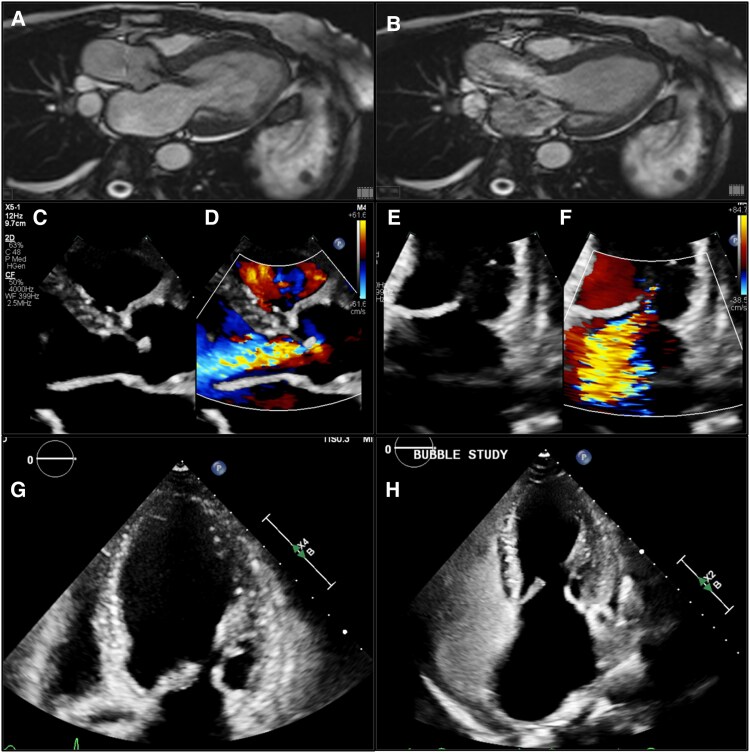 Figure 1
 Figure 2
Peer Reviews
No public reviews on file for this paper yet. If you reviewed it on a platform where reviews are public (OpenReview, ICLR, NeurIPS, ICML), you can paste yours below so the community can read it here.
Videos
No videos yet. Explain this paper in a talk, walkthrough, or lecture? Add one.
Taxonomy
TopicsNeuroendocrine Tumor Research Advances · Pituitary Gland Disorders and Treatments · Intraperitoneal and Appendiceal Malignancies