Clays for Low‐Carbon Cements: Overview, Progress, and Challenges
Imane Koufany, Isabel Santacruz, Angeles G. De la Torre, María D. Rodríguez‐Ruiz, Miguel A. G. Aranda

TL;DR
This paper reviews the use of activated clays as eco-friendly alternatives to traditional cement, aiming to reduce carbon emissions while maintaining strength and durability.
Contribution
The paper provides a critical overview and identifies key challenges for the widespread adoption of activated clays in low-carbon cements.
Findings
LC3-50 blends reduce CO2 emissions by ~40% compared to Portland clinker.
Activated clays show high compressive strength and good resistance to chloride and sulfate attacks.
Challenges include low early strength and workability loss, which are being addressed with admixtures and curing methods.
Abstract
The replacement of Portland clinker with supplementary cementitious materials is a key approach to reducing the embodied carbon content of concretes. In this context, a widely studied family is the “limestone calcined clay cements, LC3.” Within this eco‐friendly family of materials, one composition is gaining popularity, LC3‐50, a blend of ~50% of Portland clinker, 30% of activated clay, 15% of limestone and 5% of gypsum. This interest is due to a ~40% reduction of CO2 emissions compared to Portland clinker, together with high compressive strengths after 7 days and very good durability against chloride and sulfate attacks. However, limitations still exist, such as low strengths at 1 day, workability loss during the first 2 h and reduced carbonation resistance. These drawbacks are being overcome with tailored admixtures and curing approaches. Here, after introducing low‐carbon cements,…
Genes, proteins, chemicals, diseases, species, mutations and cell lines named across the full text — each resolved to its canonical identifier and authoritative record.
Click any figure to enlarge with its caption.
 Figure 1
 Figure 2
 Figure 3
 Figure 4
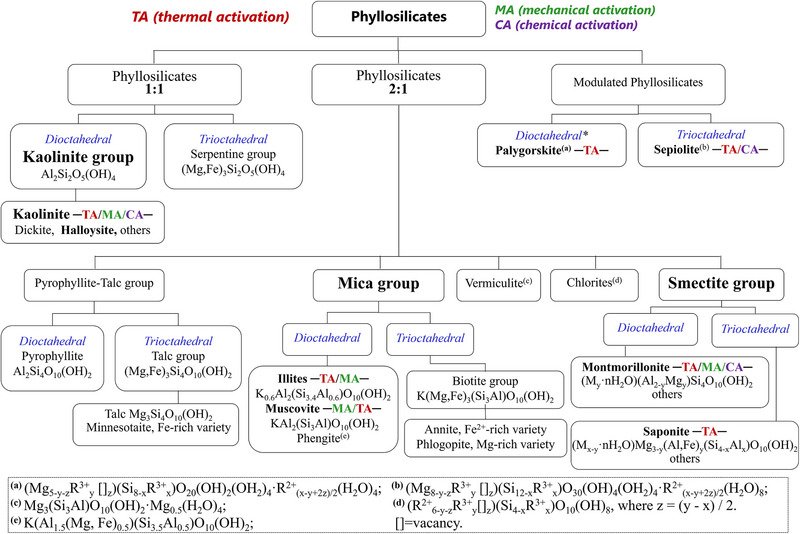 Figure 5
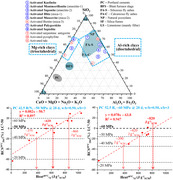 Figure 6
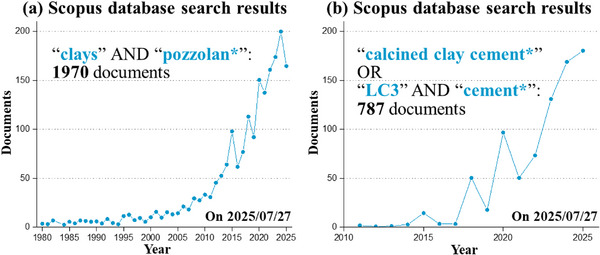 Figure 7
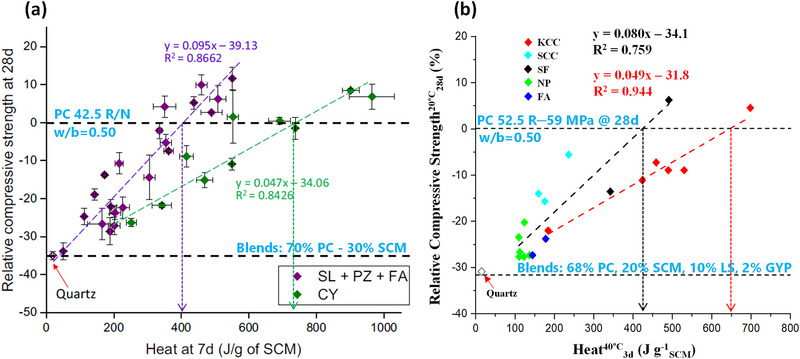 Figure 8
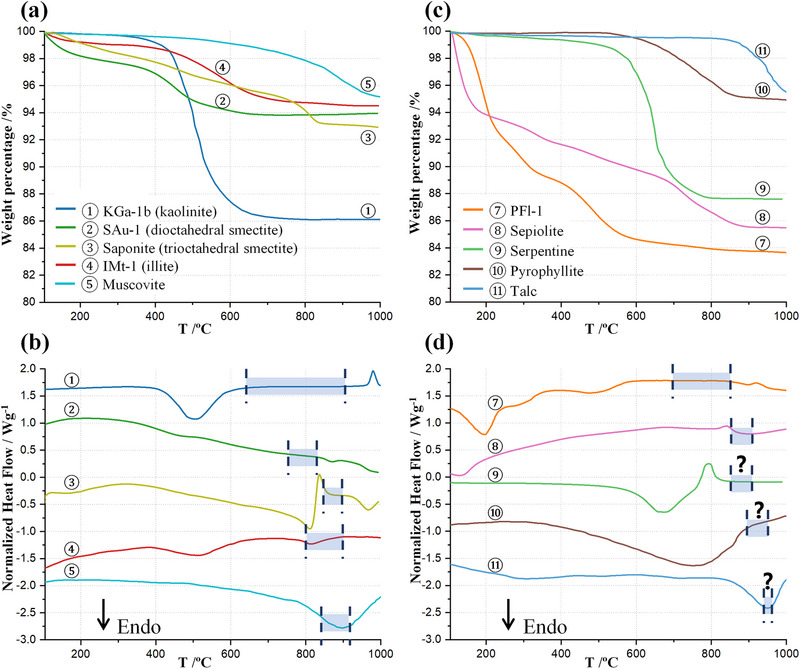 Figure 9
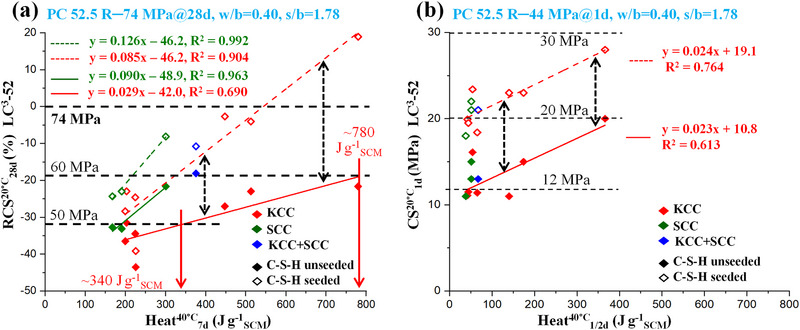 Figure 10
Peer Reviews
No public reviews on file for this paper yet. If you reviewed it on a platform where reviews are public (OpenReview, ICLR, NeurIPS, ICML), you can paste yours below so the community can read it here.
Videos
No videos yet. Explain this paper in a talk, walkthrough, or lecture? Add one.
Taxonomy
TopicsConcrete and Cement Materials Research · CO2 Sequestration and Geologic Interactions · Calcium Carbonate Crystallization and Inhibition