Microbiological safety of ungulates meat intended to be frozen and defrosting of frozen ungulates meat
Ana Allende, Avelino Álvarez‐Ordóñez, Valeria Bortolaia, Sara Bover‐Cid, Alessandra De Cesare, Wietske Dohmen, Lieve Herman, Liesbeth Jacxsens, Lapo Mughini‐Gras, Maarten Nauta, Jakob Ottoson, Luisa Peixe, Fernando Pérez‐Rodríguez, Panagiotis Skandamis, Elisabetta Suffredini

TL;DR
This study evaluates how freezing and storage conditions affect the microbial safety of bovine, ovine, and porcine meat, comparing different scenarios to a reference method.
Contribution
The paper introduces predictive microbiology models to assess microbial growth under various freezing and storage conditions for ungulate meat.
Findings
Vacuum-packed meat stored at 3°C showed more bacterial growth than the reference scenario after 6 weeks.
Equivalence time for spoilage bacteria was reached faster at 7°C compared to 3°C storage.
High initial contamination levels significantly reduced the time to spoilage under certain storage conditions.
Abstract
Based on the need for a scientific basis for existing requirements in EU legislation on freezing of meat or for its possible amendment, the opinion compares microbial growth of relevant pathogenic, spoilage and indicator microorganisms within five scenarios of chilling, storage and defrosting of bovine, ovine and porcine meat, using predictive microbiology models that considered various conditions of temperature and, where possible, pH and aw. Results obtained were compared to a reference scenario: storing meat at 7°C, aerobically, until 15 days post‐slaughter. Storage of meat for 6 weeks, vacuum‐packed immediately after stabilisation or 15 days post‐slaughter, resulted in more growth of at least some of the bacteria assessed compared to the reference scenario, both at 3°C (certainty level 66%–90%) and at 7°C (certainty level 95%–99%). Predictions allowed estimating time at which…
Genes, proteins, chemicals, diseases, species, mutations and cell lines named across the full text — each resolved to its canonical identifier and authoritative record.
Click any figure to enlarge with its caption.
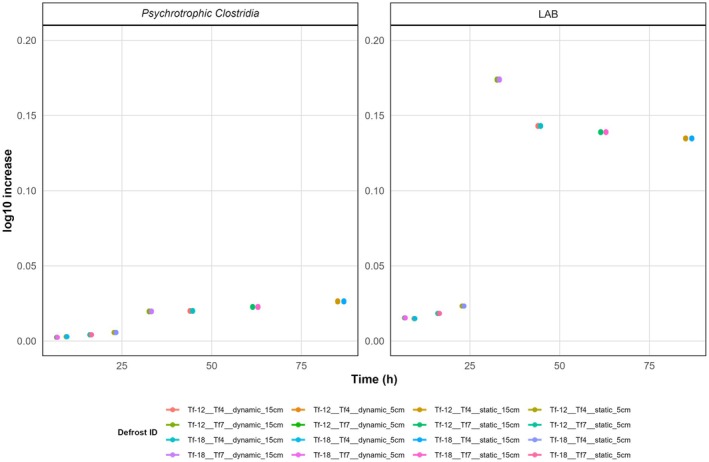 Figure 1
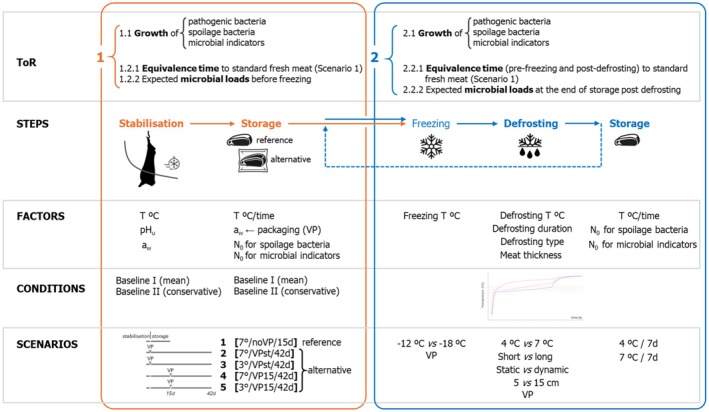 Figure 2
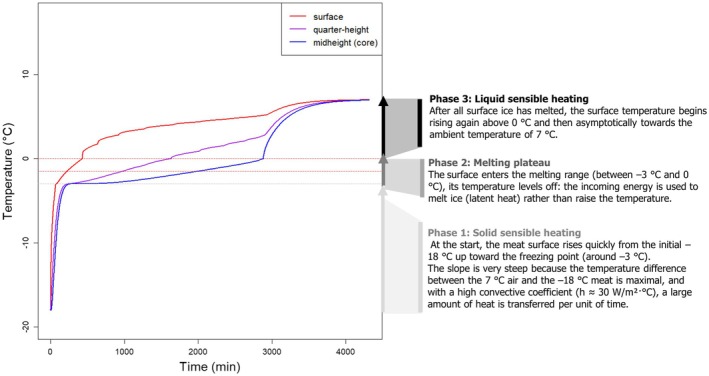 Figure 3
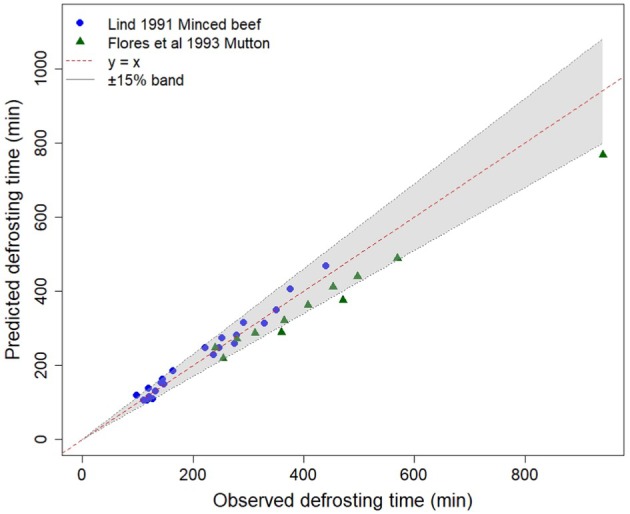 Figure 4
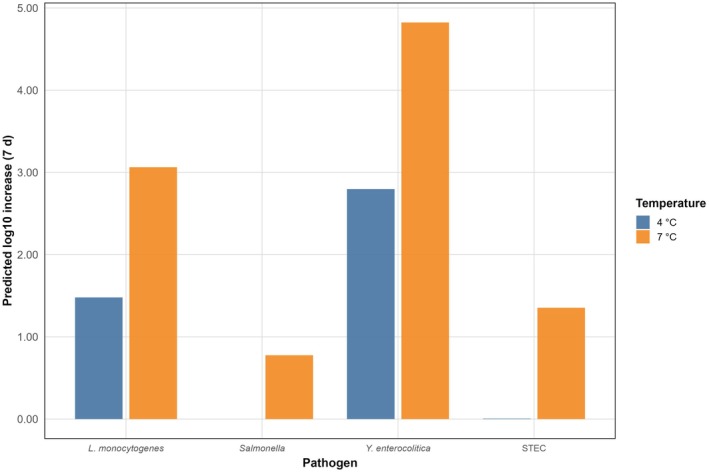 Figure 5
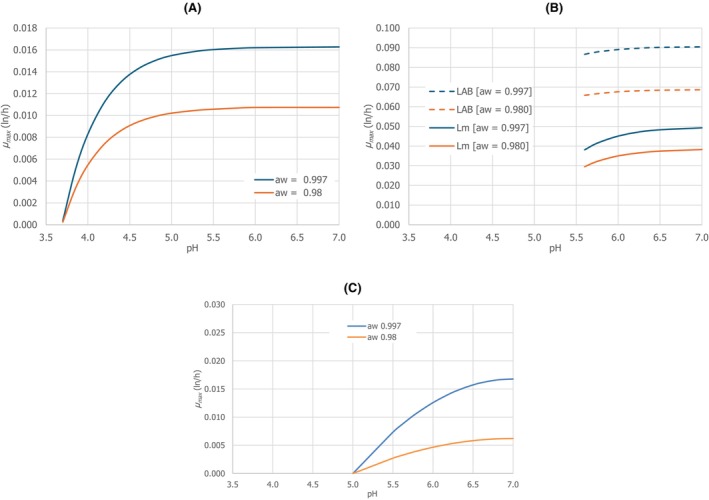 Figure 6
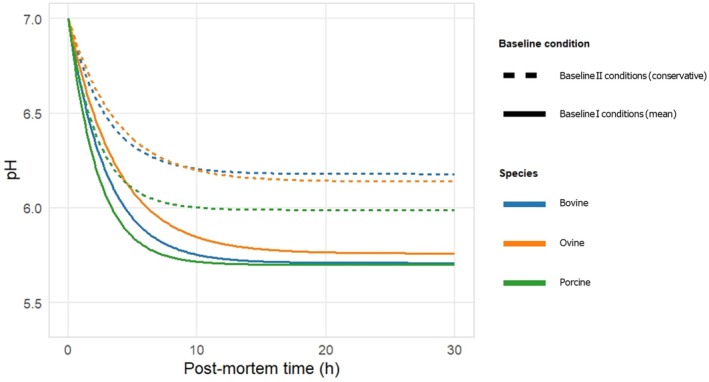 Figure 7
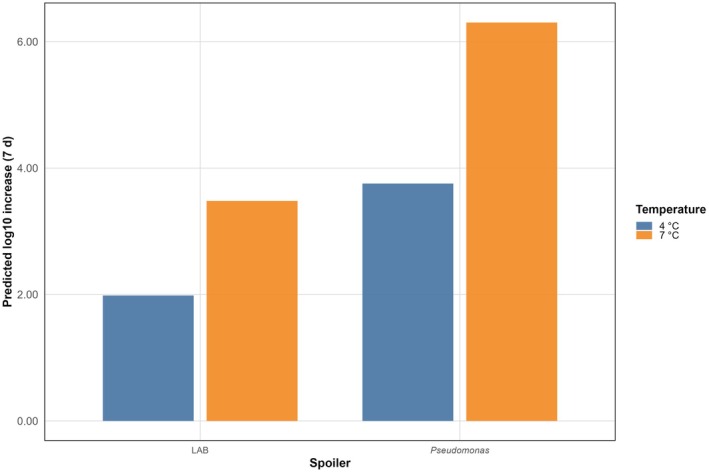 Figure 8
 Figure 9
 Figure 10
 Figure 11
 Figure 12
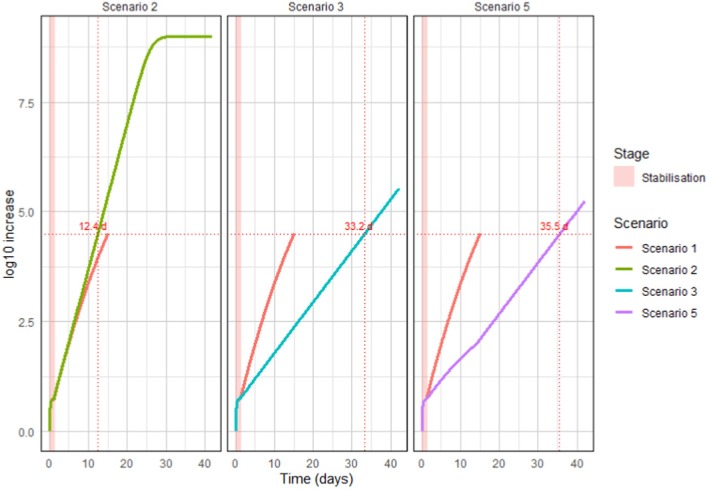 Figure 13
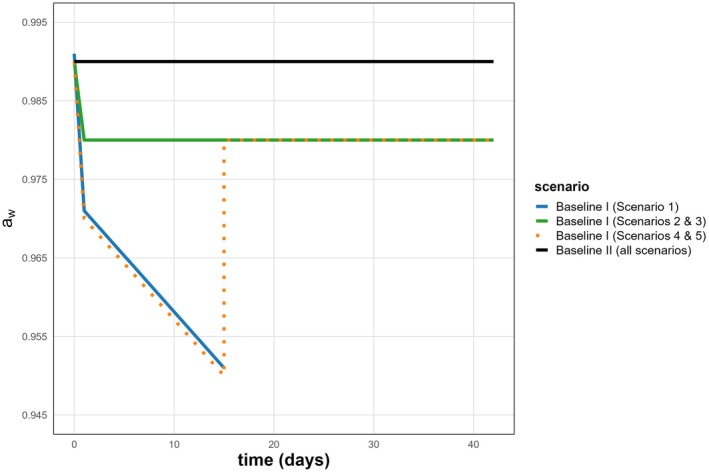 Figure 14
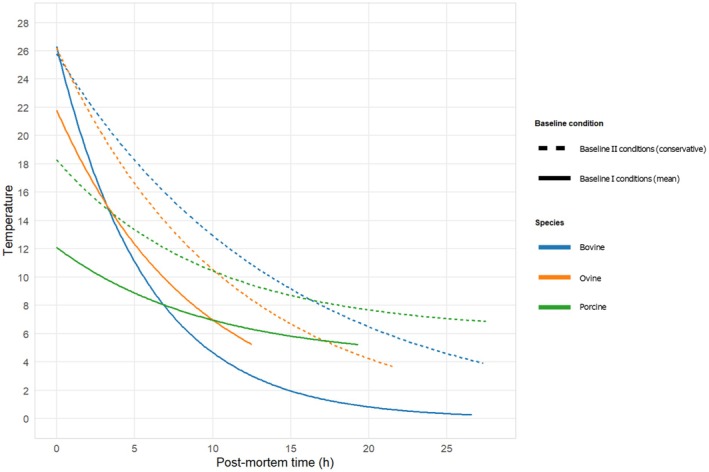 Figure 15
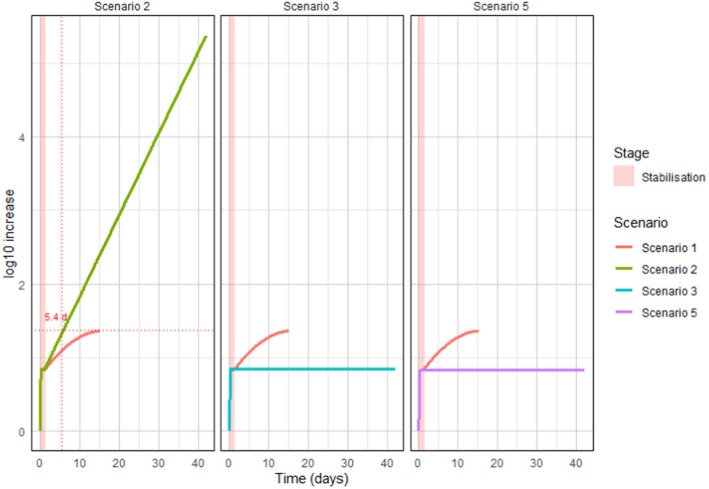 Figure 16
Peer Reviews
No public reviews on file for this paper yet. If you reviewed it on a platform where reviews are public (OpenReview, ICLR, NeurIPS, ICML), you can paste yours below so the community can read it here.
Videos
No videos yet. Explain this paper in a talk, walkthrough, or lecture? Add one.
Taxonomy
TopicsListeria monocytogenes in Food Safety · Meat and Animal Product Quality · Food Safety and Hygiene