Spatial Distribution of Astins in Aster tataricus and Their Production by Cyanodermella asteris
Diana A. Barrera-Adame, Taylor Priest, Timo H. J. Niedermeyer

TL;DR
A study reveals that certain anticancer peptides called astins in the plant Aster tataricus are produced by an endophytic fungus, not the plant itself.
Contribution
The study shows that the fungus Cyanodermella asteris can produce a wider variety of astins than previously known, including new ones.
Findings
Astins C, F, and G are produced by the fungus Cyanodermella asteris, not the plant Aster tataricus.
The fungus produces more astin diversity, including new astins, under high salinity conditions.
Astins are nonhomogeneously distributed in the plant and likely colocalize with fungal cells.
Abstract
Aster tataricus is a plant used in Traditional Chinese Medicine for the treatment of cough, phlegm, and asthma. Phytochemical studies of A. tataricus have resulted in the isolation of 23 peptides, among which the astins are recognized for their potential application as anticancer drugs. However, it was found that some of the astins, namely, astins C, F and G, are in fact produced by an endophytic fungus, Cyanodermella asteris, isolated from the inflorescences of the plant, while the remainder were suggested to be transformation products of these astins by A. tataricus. Using mass spectrometry imaging and microscopy, we demonstrate that astins exhibit a nonhomogeneous distribution, vary in relative abundance in different plant tissue sections, and are likely colocalized with fungal cells. To gain further insights into the diversity and composition of astins produced by C. asteris, we…
Genes, proteins, chemicals, diseases, species, mutations and cell lines named across the full text — each resolved to its canonical identifier and authoritative record.
Click any figure to enlarge with its caption.
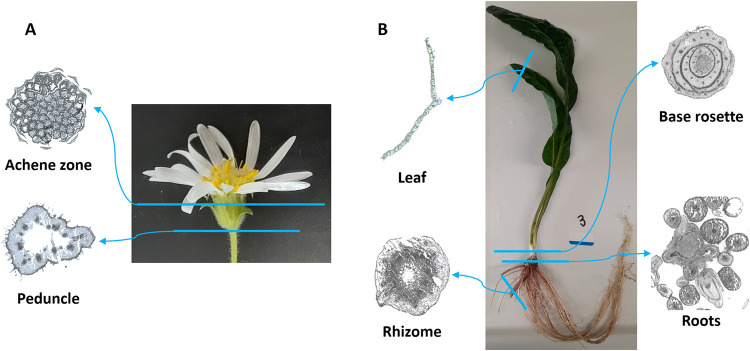 Figure 1
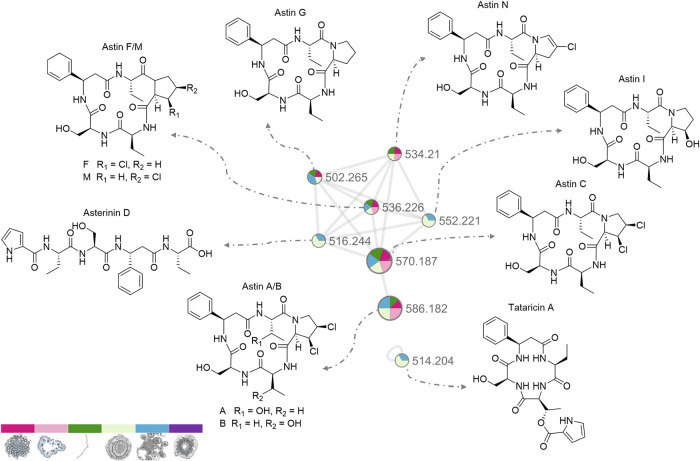 Figure 2
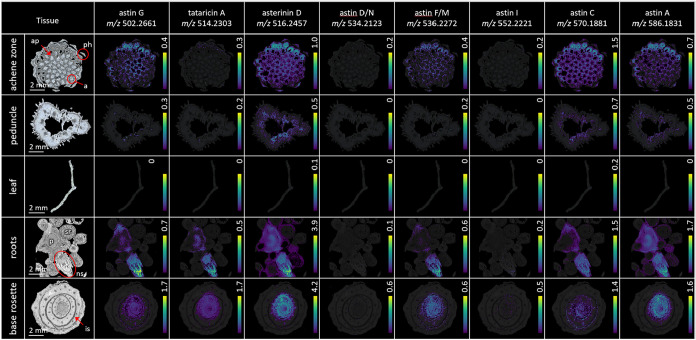 Figure 3
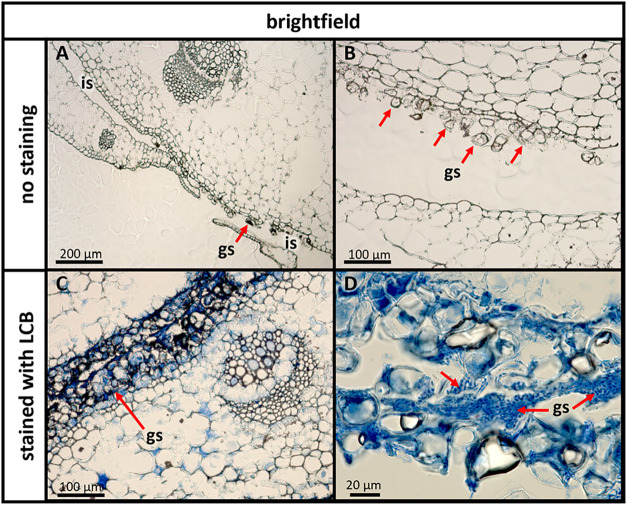 Figure 4
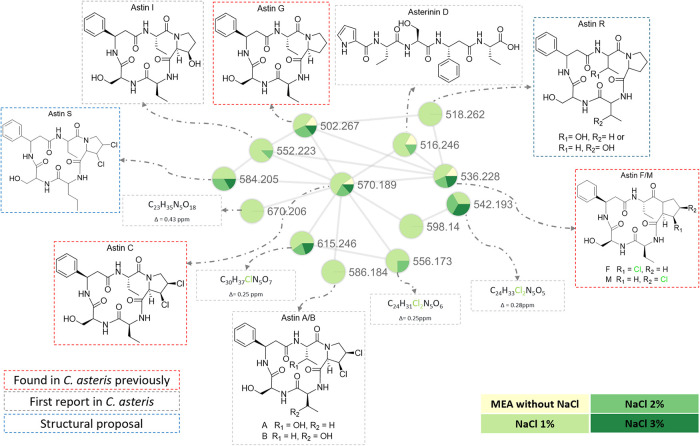 Figure 5
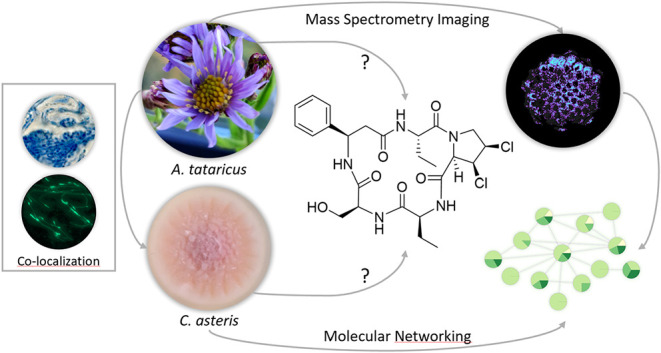 Figure 6
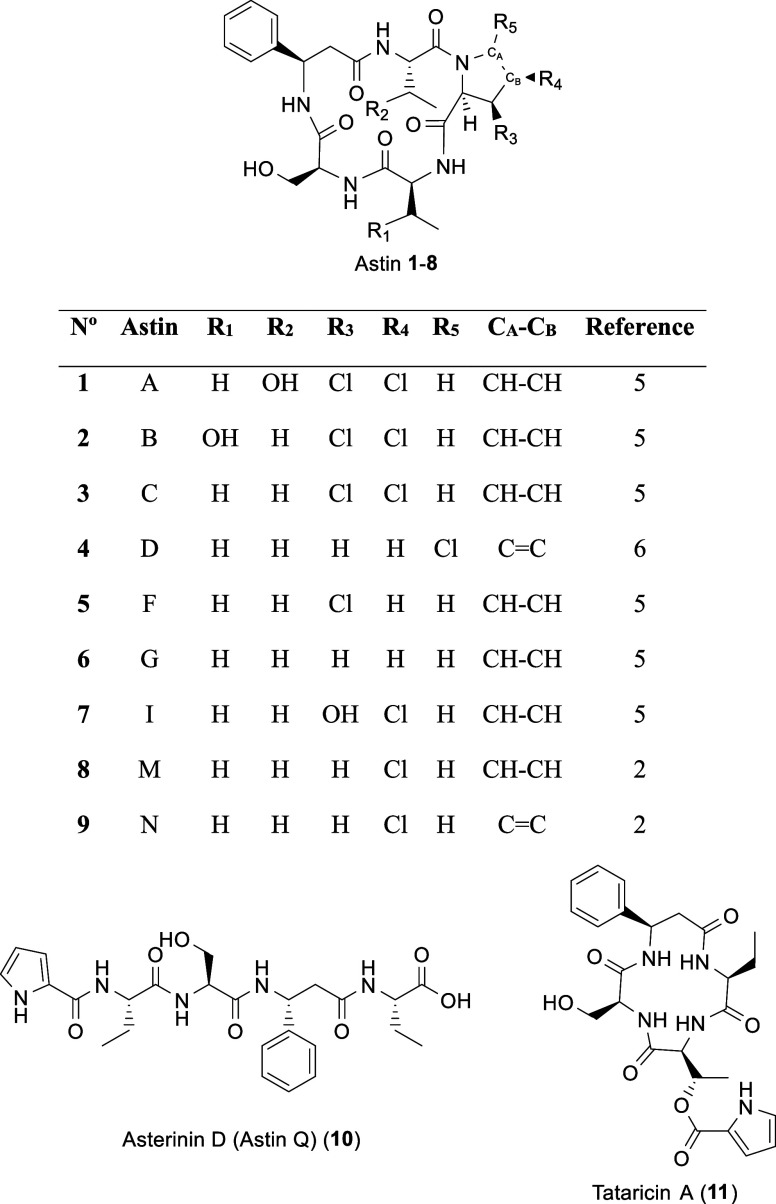 Figure 7
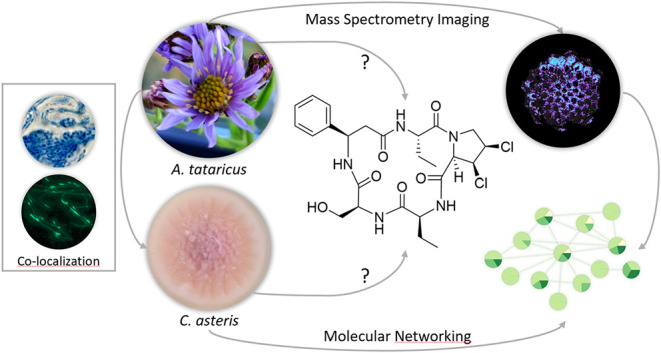 Figure 8
Peer Reviews
No public reviews on file for this paper yet. If you reviewed it on a platform where reviews are public (OpenReview, ICLR, NeurIPS, ICML), you can paste yours below so the community can read it here.
Videos
No videos yet. Explain this paper in a talk, walkthrough, or lecture? Add one.
Taxonomy
TopicsMicrobial Natural Products and Biosynthesis · Microbial Metabolism and Applications · Seaweed-derived Bioactive Compounds