A Biomimetic Study of the Behavior of N‑Cyclopropyl-Based Single Electron Transfer Probes in the Context of Monoamine Oxidase-Catalyzed Oxidations
Nathan Price, Bradley Engels, Paul Venturo, Jonathan Sánchez González, Thomas Robbins, Joseph Barton, Neal Castagnoli, James M. Tanko

TL;DR
This study explores how N-cyclopropyl compounds behave during oxidation reactions, shedding light on their role in enzyme inactivation.
Contribution
The paper presents new biomimetic experiments and calculations on N-cyclopropyl derivatives in monoamine oxidase-catalyzed reactions.
Findings
The ring-opening process of N-cyclopropyl compounds is reversible, contrary to previous assumptions.
Radical coupling or reaction with oxygen may disrupt the enzyme's active site.
Hydrolysis of an intermediate produces aldehydes, potentially contributing to enzyme inactivation.
Abstract
Monoamine oxidase-A and -B are important flavoenzymes involved in the oxidative metabolism of various biogenic amines. Mechanisms including polar/nucleophilic, hydride transfer, and single electron transfer (SET) have been proposed for the initial steps of the catalytic mechanism. The most compelling evidence for the latter comes from the observed inhibitory behavior of N-cyclopropyl compounds. Enzyme inactivation presumably occurs when the primary radical portion of the distonic radical cation, resulting from cyclopropyl ring opening, couples to the enzyme. Previously, we hypothesized that the unique substrate behavior of 1,4-disubstituted-1,2,3,6-tetrahydropyridinyl systems was attributable to certain structural features which activate the SET pathway. In the present work, the oxidation of several N-cyclopropyl derivatives of MPTP in a biomimetic system (3MLF/hν) is reported.…
Genes, proteins, chemicals, diseases, species, mutations and cell lines named across the full text — each resolved to its canonical identifier and authoritative record.
Click any figure to enlarge with its caption.
 Figure 1
 Figure 2
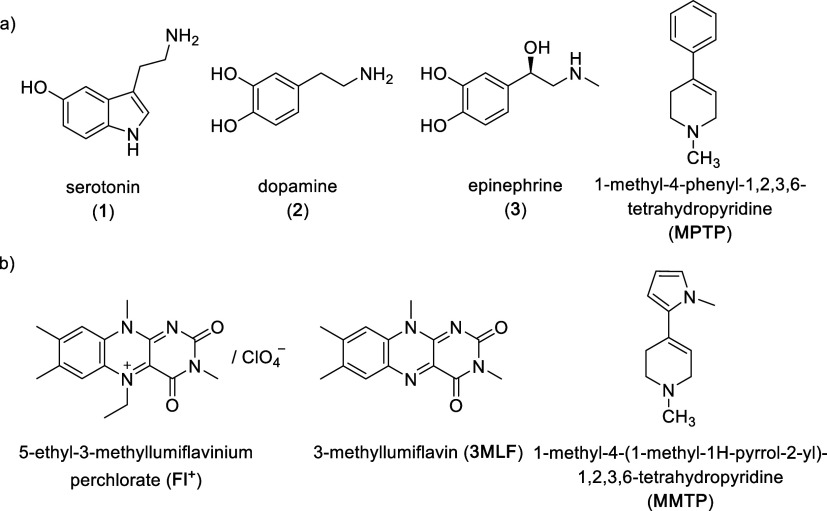 Figure 3
 Figure 4
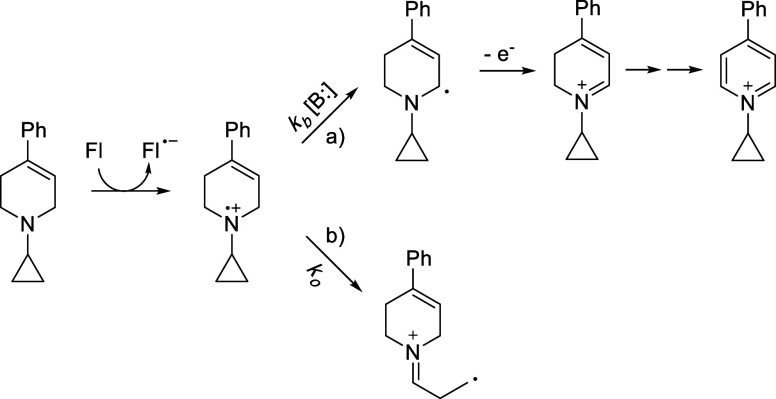 Figure 5
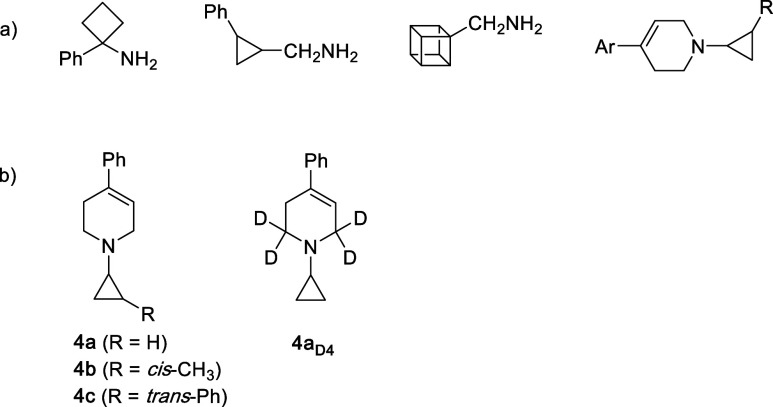 Figure 6
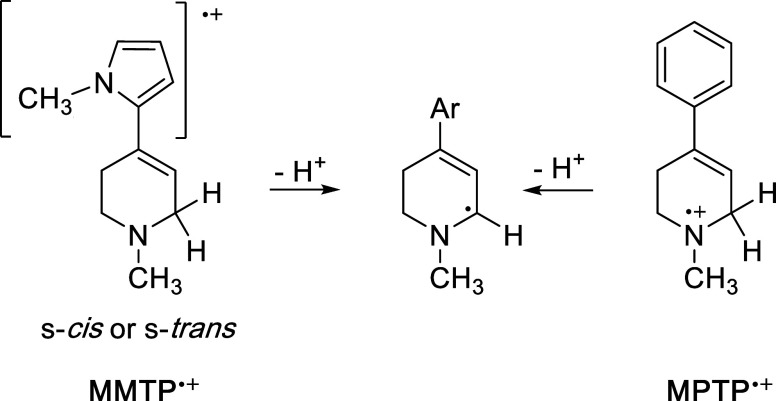 Figure 7
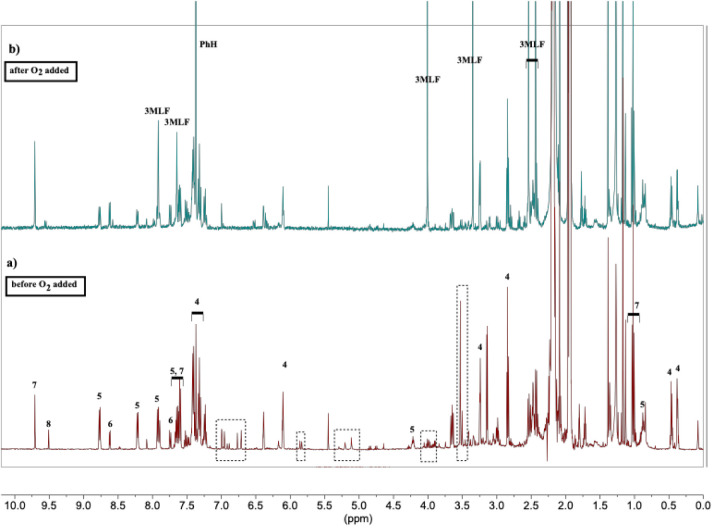 Figure 8
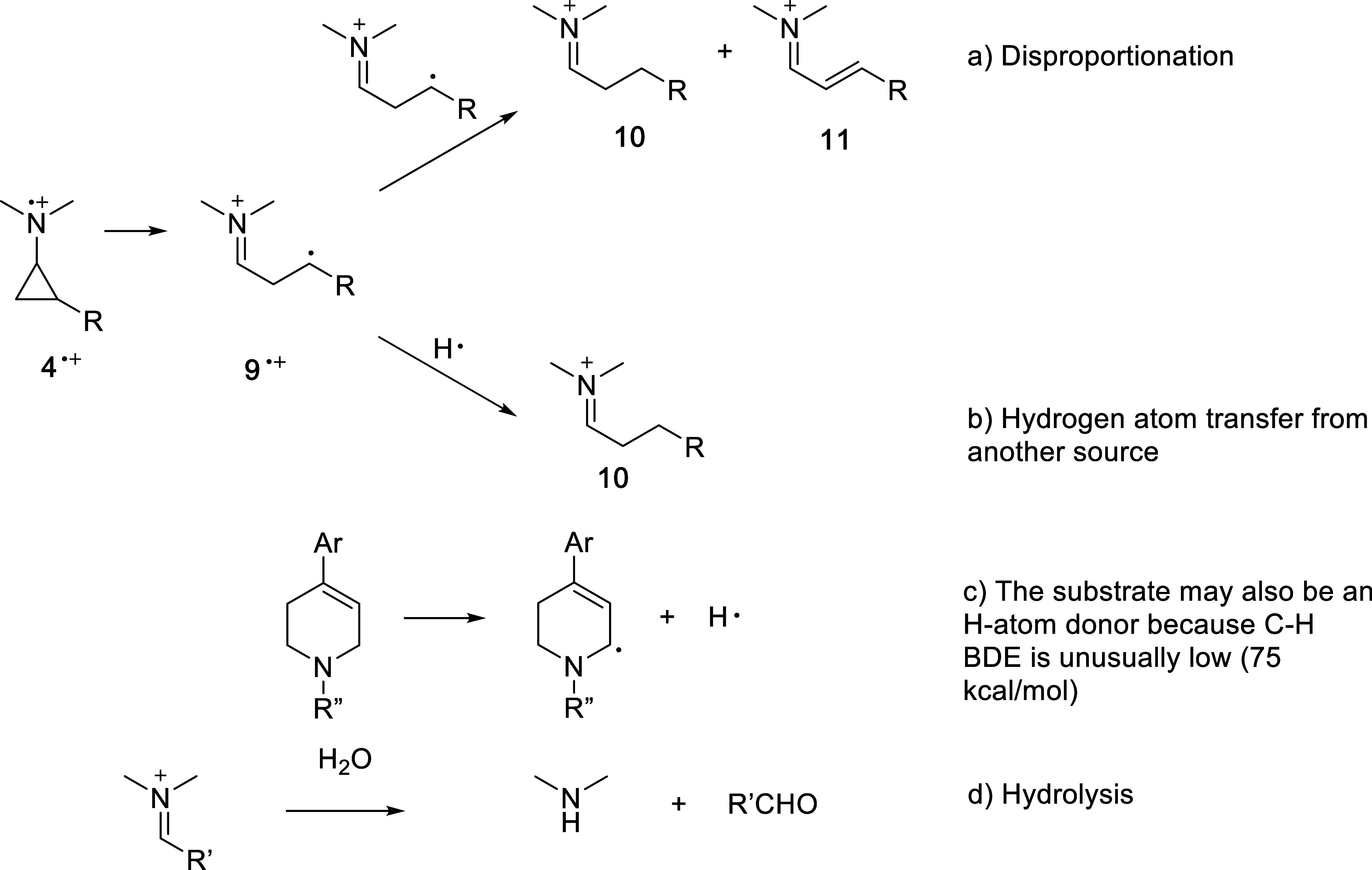 Figure 9
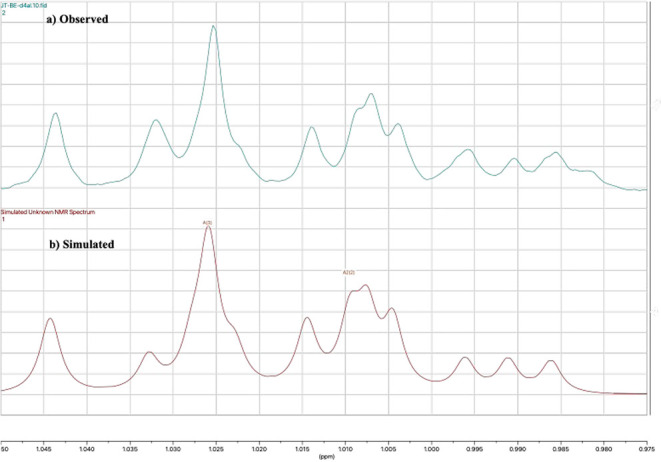 Figure 10
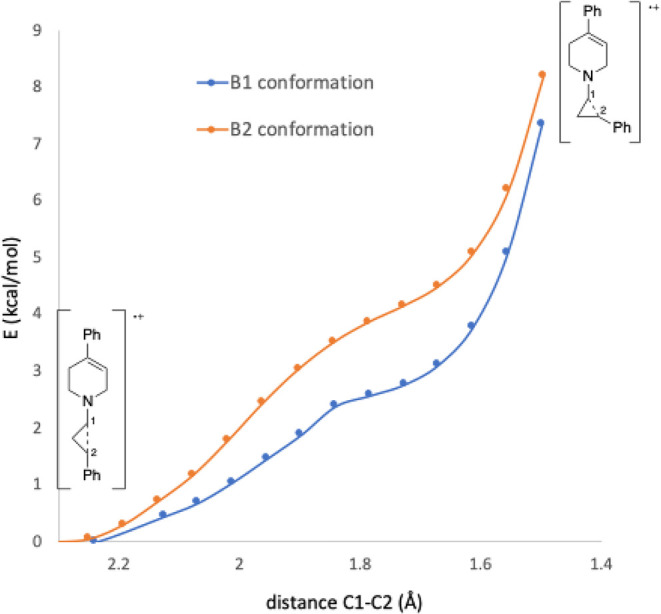 Figure 11
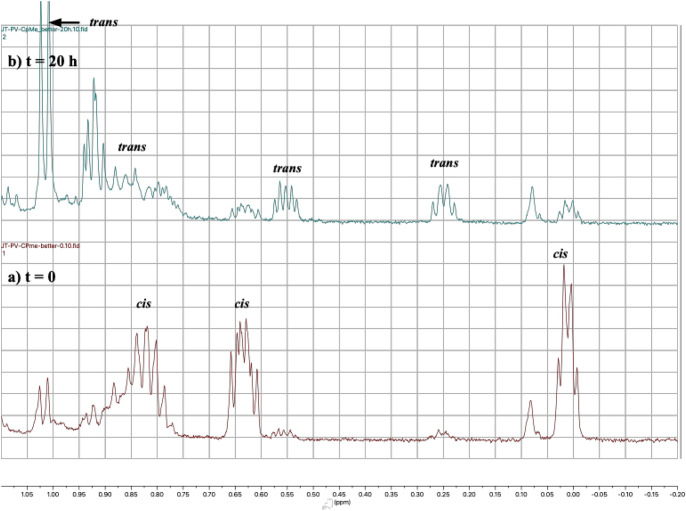 Figure 12
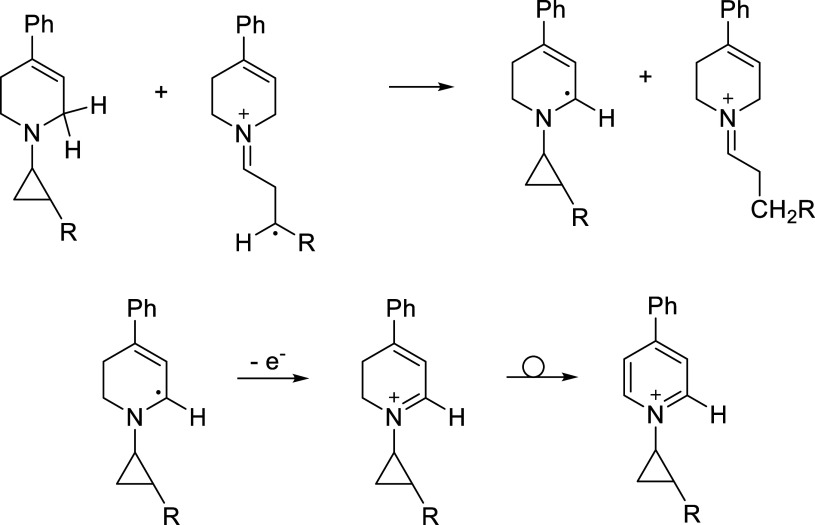 Figure 13
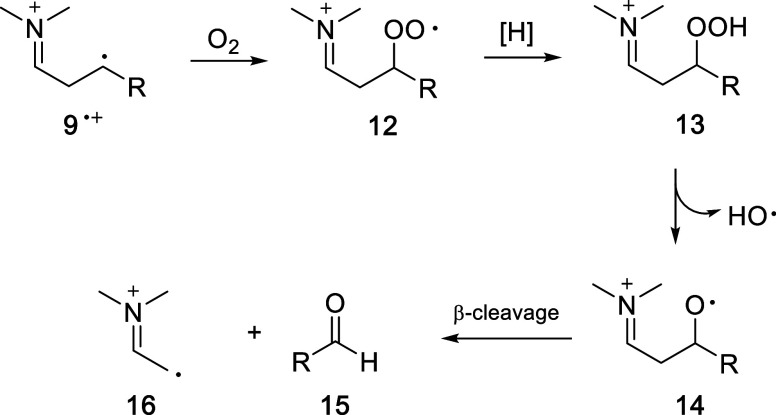 Figure 14
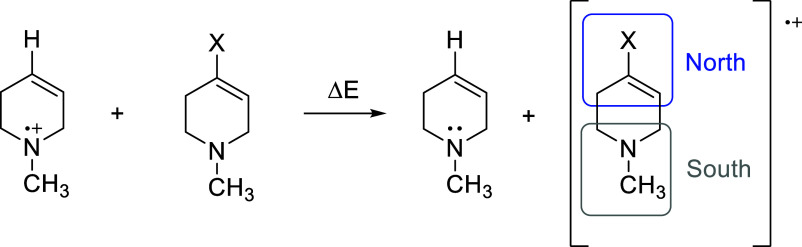 Figure 15
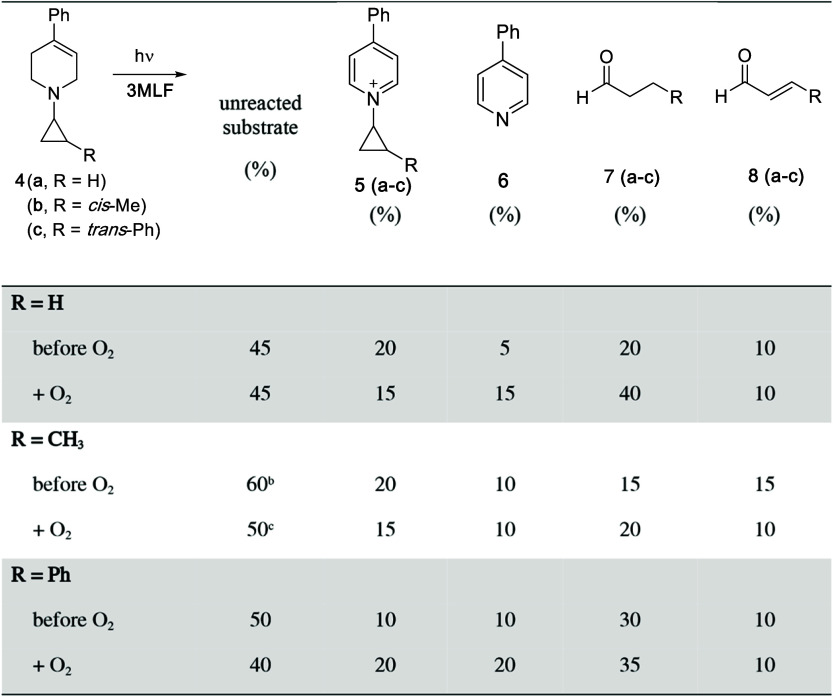 Figure 16
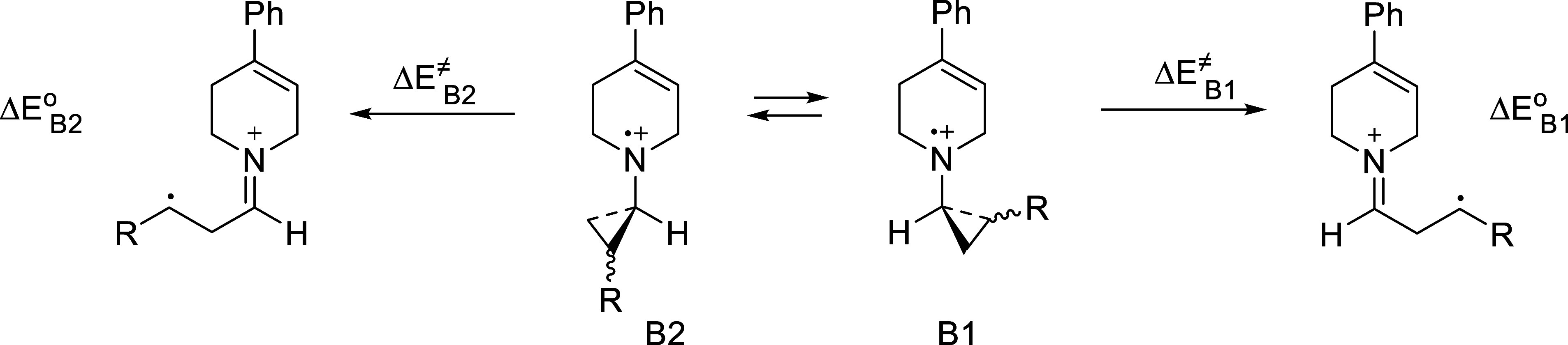 Figure 17
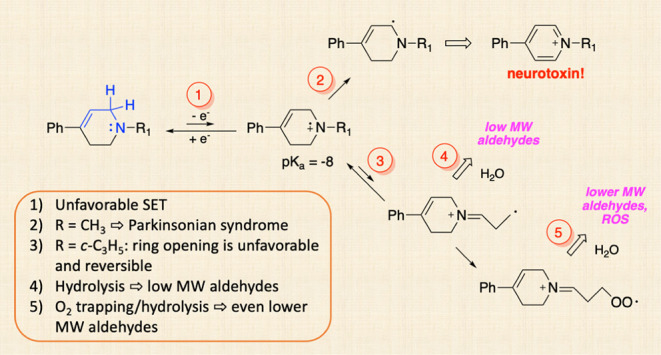 Figure 18
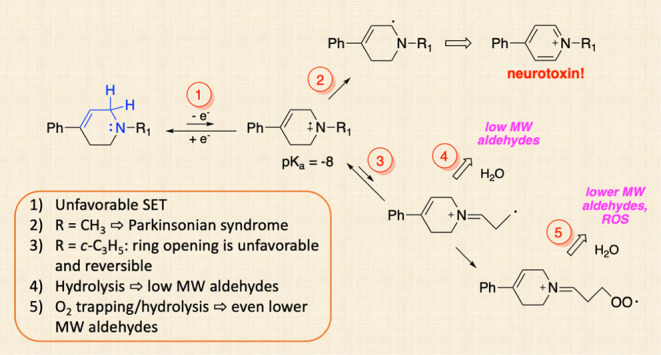 Figure 19
Peer Reviews
No public reviews on file for this paper yet. If you reviewed it on a platform where reviews are public (OpenReview, ICLR, NeurIPS, ICML), you can paste yours below so the community can read it here.
Videos
No videos yet. Explain this paper in a talk, walkthrough, or lecture? Add one.
Taxonomy
TopicsRadical Photochemical Reactions · Metal-Catalyzed Oxygenation Mechanisms · Cyclopropane Reaction Mechanisms