Cationically Modified PVA-Based Electrospun Nanofiber Membrane for Adsorptive PFAS Removal from Water
Md. Nahid Pervez, Tao Jiang, Boyu Li, Behnia Bitaraf, Aswin Kumar Ilango, Marina Maria Ioanniti, Caroline Schaeffer, Haralabos Efstathiadis, Mehmet V. Yigit, Yanna Liang

TL;DR
A new nanofiber membrane effectively removes harmful PFAS chemicals from water, even in complex conditions.
Contribution
A cationically modified PVA-based electrospun nanofiber membrane is developed for efficient PFAS removal.
Findings
The membrane achieved nearly 100% PFAS removal at 10 μg/L in deionized water.
Adsorption occurred rapidly (within 60 seconds) and was unaffected by pH or natural organic matter.
The membrane showed 90–100% PFAS removal effectiveness in stormwater.
Abstract
Per- and polyfluoroalkyl substances (PFAS), a diverse range of anthropogenic organic compounds, pose significant concerns to society due to their potential harmful impacts on human health and ecosystems. While there are other methods for removing PFAS from water, adsorption remains a viable and efficient option. The present research reports an adsorptive nanofiber membrane prepared through electrospinning in the presence of poly(vinyl alcohol) (PVA) and a cationic surfactant, cetyltrimethylammonium chloride (CTAC), blended solution. This modified PVA membrane was observed to achieve nearly 100% capture of all 10 target PFAS, each at 10 μg/L in deionized water. The pseudo-second-order model most accurately represented the adsorption kinetics, characterized by rapid adsorption (within 60 s). The Toth isotherm model effectively fitted the isotherm data, indicating that the adsorption of…
Genes, proteins, chemicals, diseases, species, mutations and cell lines named across the full text — each resolved to its canonical identifier and authoritative record.
Click any figure to enlarge with its caption.
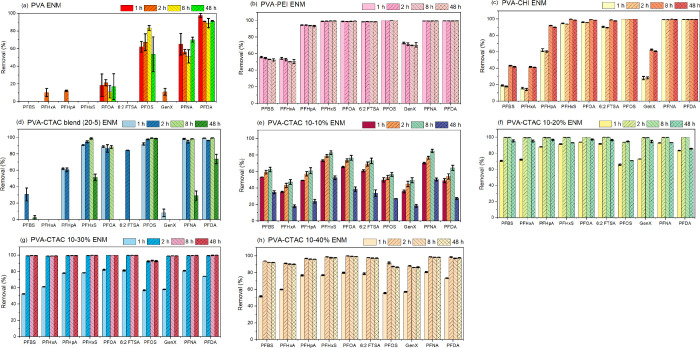 Figure 1
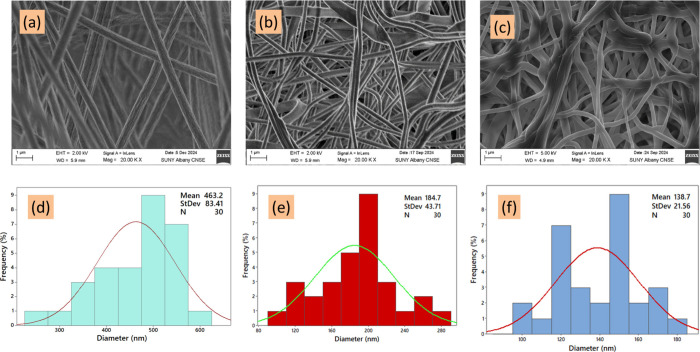 Figure 2
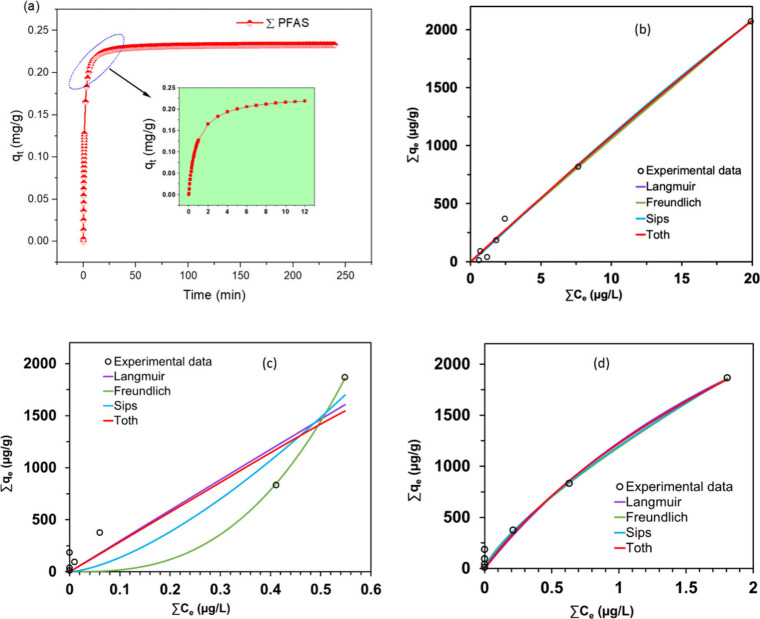 Figure 3
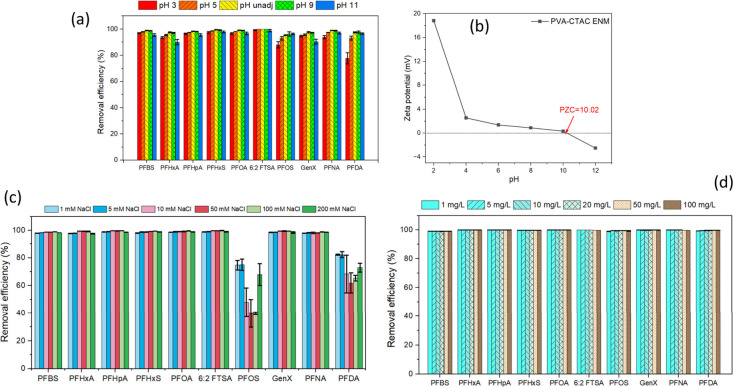 Figure 4
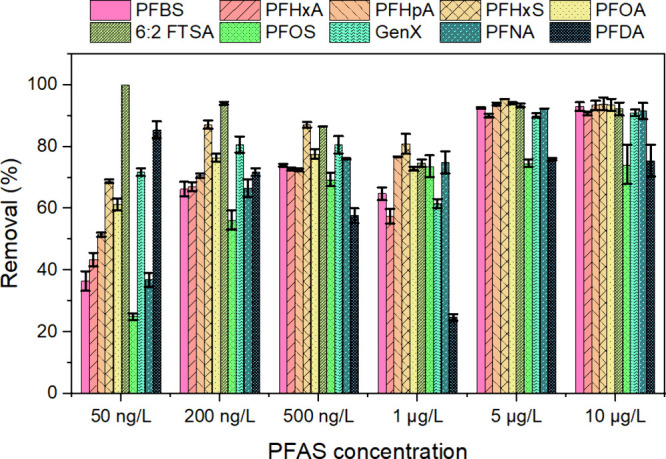 Figure 5
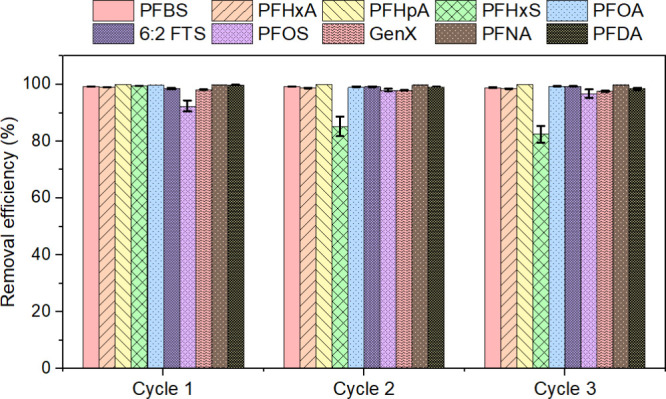 Figure 6
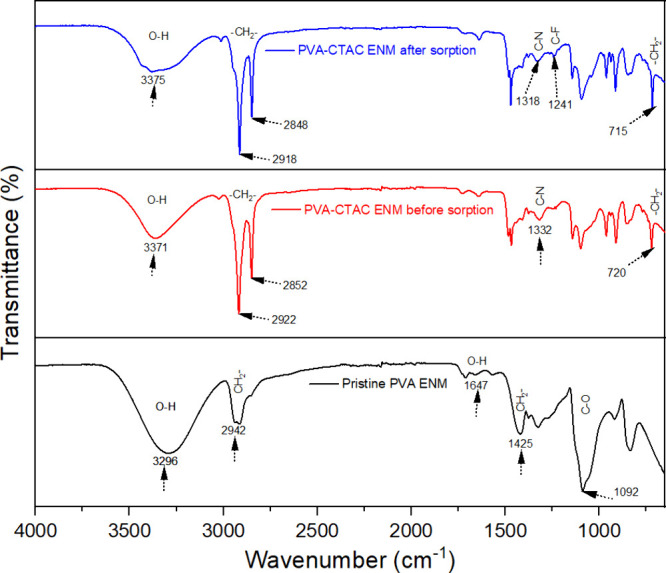 Figure 7
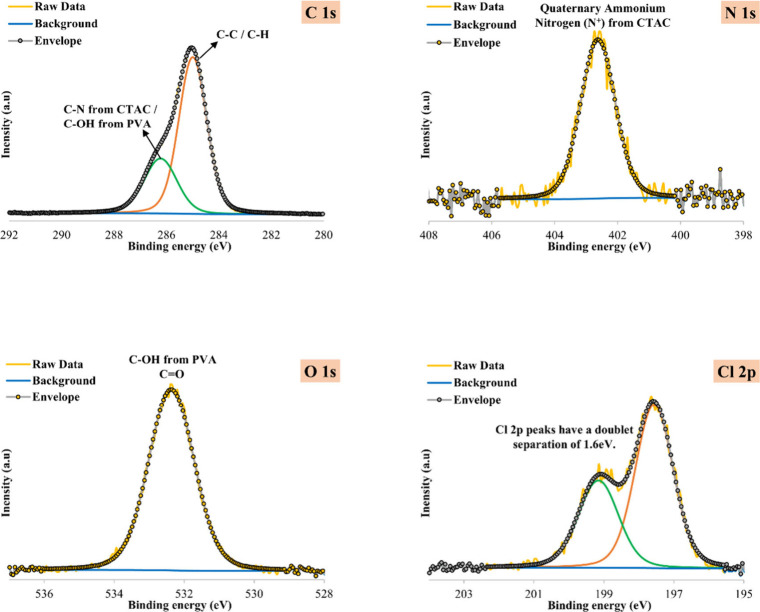 Figure 8
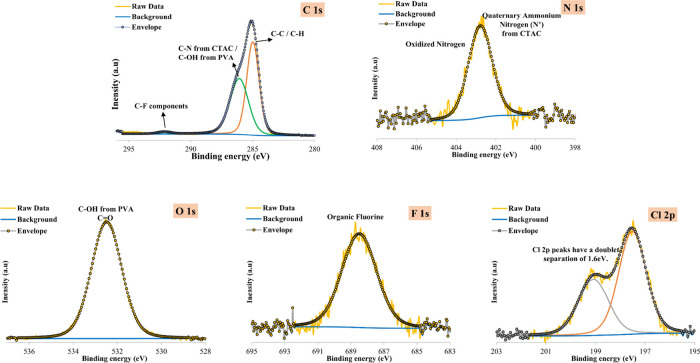 Figure 9
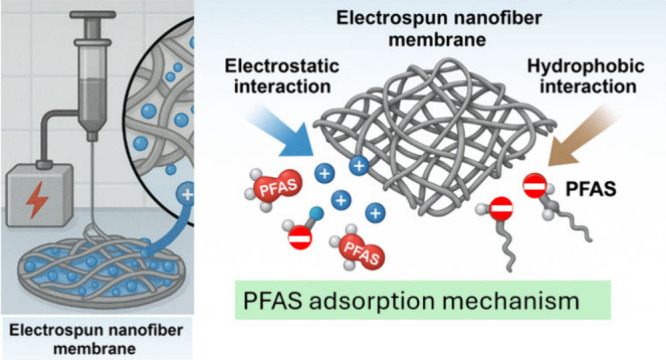 Figure 10
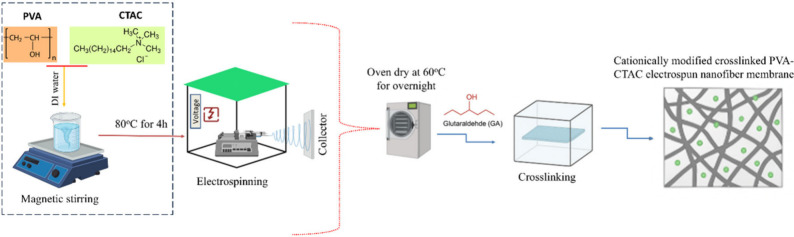 Figure 11
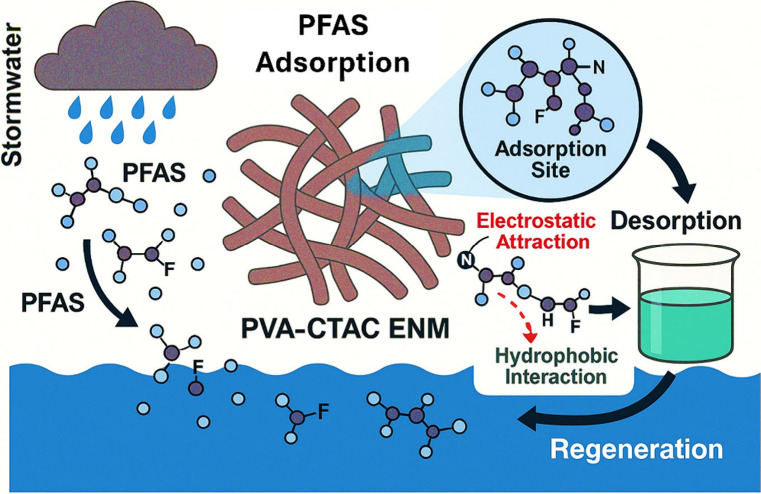 Figure 12
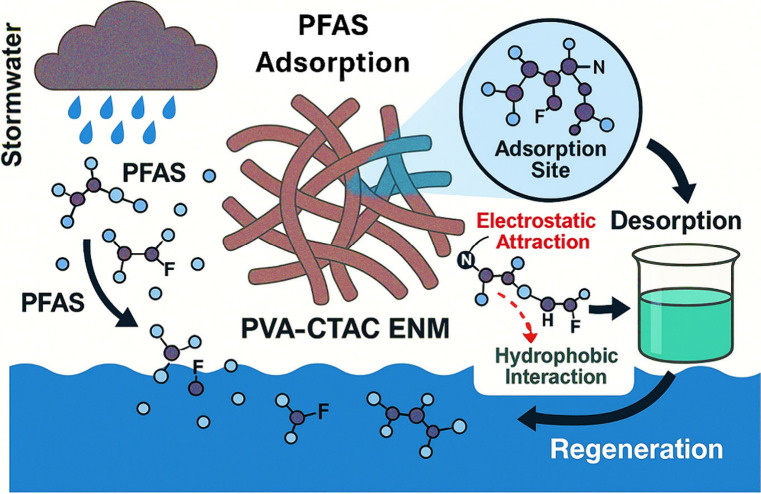 Figure 13
 Figure 14
 Figure 15
 Figure 16
 Figure 17
 Figure 18
 Figure 19
 Figure 20
 Figure 21
 Figure 22
 Figure 23
Peer Reviews
No public reviews on file for this paper yet. If you reviewed it on a platform where reviews are public (OpenReview, ICLR, NeurIPS, ICML), you can paste yours below so the community can read it here.
Videos
No videos yet. Explain this paper in a talk, walkthrough, or lecture? Add one.
Taxonomy
TopicsPer- and polyfluoroalkyl substances research · Fluoride Effects and Removal · Surface Modification and Superhydrophobicity