Comparing the Diagnostic Performance of 3D T1-Volumetric Interpolated Breath-Hold Examination (VIBE) MR-Based Pseudo-CT Versus Conventional CT for Detecting and Characterizing Radiographically Occult Hip and Pelvis Fractures
Kwan Kit Chan, Chiu Wang Jeffrey Chan, King Kenneth Cheung

TL;DR
This study compares MRI-based pseudo-CT with conventional CT for detecting and characterizing hip and pelvis fractures that are not visible on standard X-rays.
Contribution
The study introduces and evaluates the use of MRI-derived pseudo-CT as a potential alternative to CT for diagnosing occult hip and pelvic fractures.
Findings
pCT showed diagnostic performance not inferior to CT for both readers in detecting fractures.
pCT detected all CT-apparent fractures and showed perfect concordance with CT in fracture localization and characterization.
pCT demonstrated a trend toward higher sensitivity and accuracy compared to CT.
Abstract
Background Radiographically occult hip and pelvic fractures are relatively common in older adults after low-energy trauma, and delayed or missed diagnosis is associated with worse outcomes. MRI is the preferred modality for detection, while CT remains important for fracture delineation, surgical planning, and use in patients with MRI contraindications. However, using both modalities increases cost, imaging time, and strain on imaging services. MRI-based pseudo-CT (pCT) methods derived from 3D T1-volumetric interpolated breath-hold examination (VIBE) data have shown promise in other settings, but their role in evaluating occult hip and pelvic fractures has not yet been explored. This study aimed to explore the clinical performance and usability of MR-based pCT for detecting and characterizing radiographically occult hip and pelvic fractures. Specifically, the study aimed to compare pCT…
Genes, proteins, chemicals, diseases, species, mutations and cell lines named across the full text — each resolved to its canonical identifier and authoritative record.
Click any figure to enlarge with its caption.
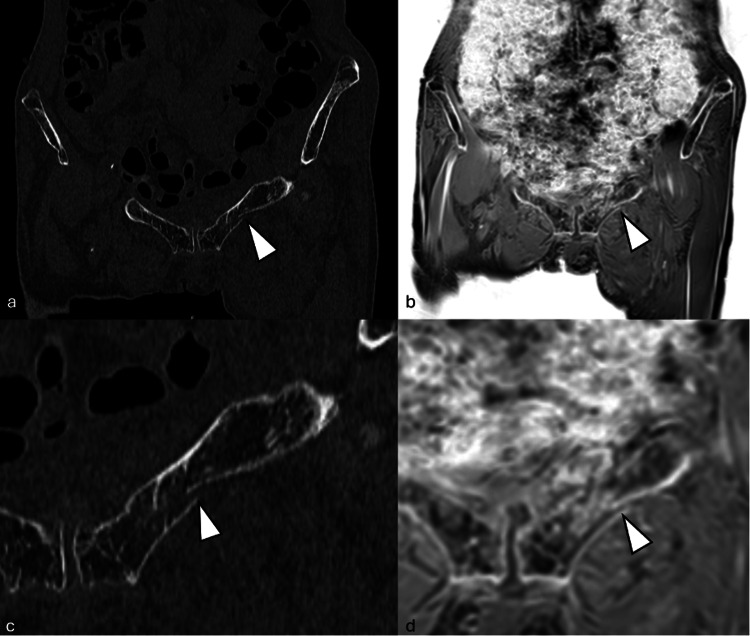 Figure 1
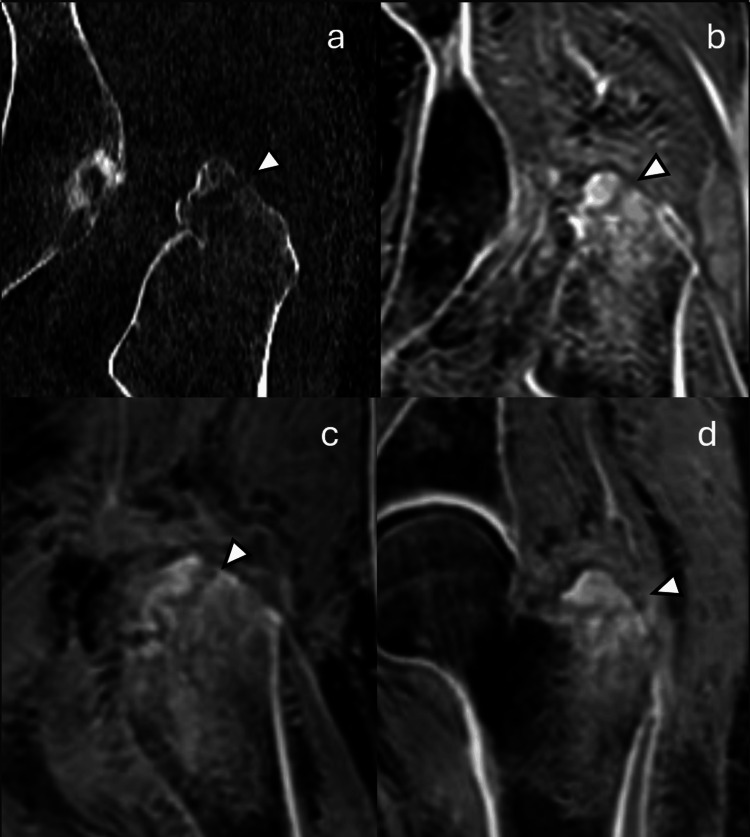 Figure 2
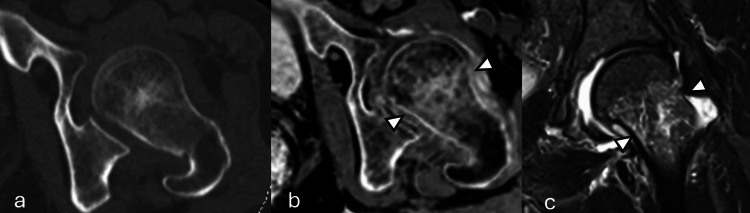 Figure 3
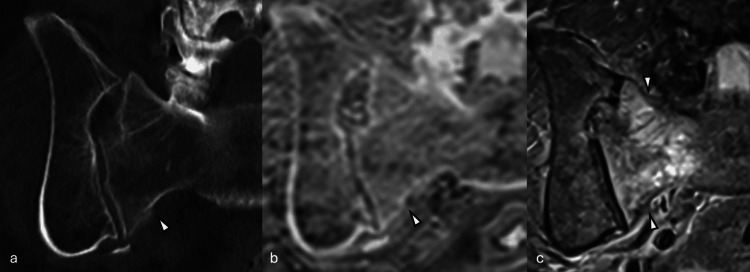 Figure 4
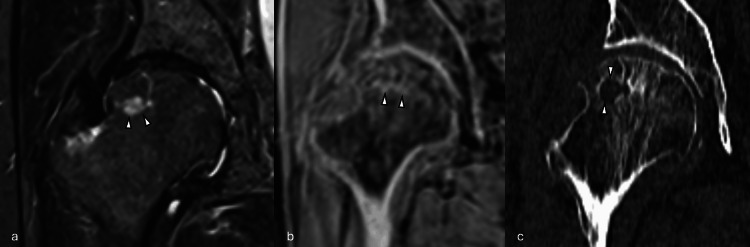 Figure 5
Peer Reviews
No public reviews on file for this paper yet. If you reviewed it on a platform where reviews are public (OpenReview, ICLR, NeurIPS, ICML), you can paste yours below so the community can read it here.
Videos
No videos yet. Explain this paper in a talk, walkthrough, or lecture? Add one.
Taxonomy
TopicsHip and Femur Fractures · Pelvic and Acetabular Injuries · Lower Extremity Biomechanics and Pathologies