Prevalence and epidemiology of depression symptoms among Pakistani students: a systematic review and meta-analysis (2000–2025)
Yasmeen Niazi, Muhammad Moazzam, Muhammad Farrukh Asif, Syed Muhammad Yousaf Farooq, Francis Cimene, Francis Cimene

TL;DR
This study finds that about half of Pakistani university students experience depression symptoms, highlighting the need for better mental health support.
Contribution
The study provides a pooled prevalence estimate of depression among Pakistani students and identifies the need for standardized diagnostic criteria and mental health infrastructure.
Findings
The pooled prevalence of depression symptoms among Pakistani university students is approximately 51%.
High heterogeneity in study results suggests the need for standardized mental health assessment tools.
Systemic challenges like lack of trained professionals and stigma hinder early diagnosis and treatment.
Abstract
This systematic review and meta-analysis was a study that enquired into the prevalence and epidemiology of depression in university students in Pakistan, between 2000 and 2025. Depression is a significant global mental illness with high prevalence in young adulthood. University students are the most susceptible to this risk because of the factors related to it, i.e., academic stress, financial hardships, social pressure, and cultural stigma of mental illness. Although the concerns have been on the increase, the prevalence rates of depression have been widely varied among Pakistani students, with some studies reporting as low as 2.5% to as high as 85%, primarily because of the sampling techniques, assessment instruments, and geographical settings. The present review is based on the findings of 35 studies involving over 11,000 students and suggests that the prevalence rate is…
Genes, proteins, chemicals, diseases, species, mutations and cell lines named across the full text — each resolved to its canonical identifier and authoritative record.
Click any figure to enlarge with its caption.
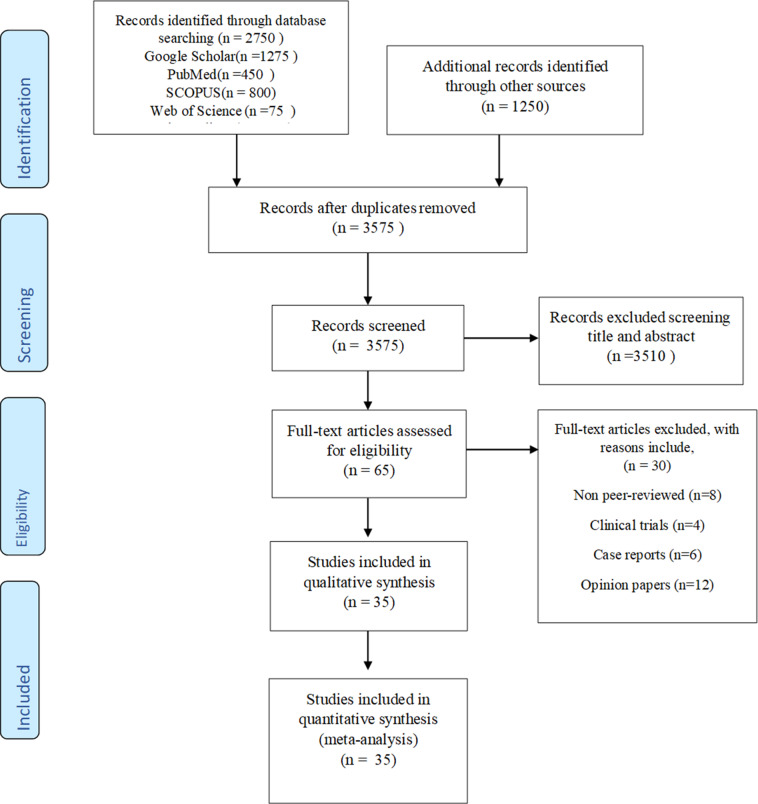 Figure 1
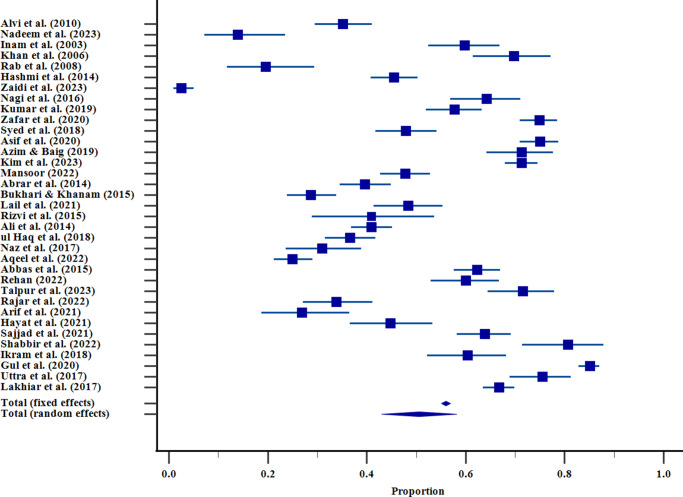 Figure 2
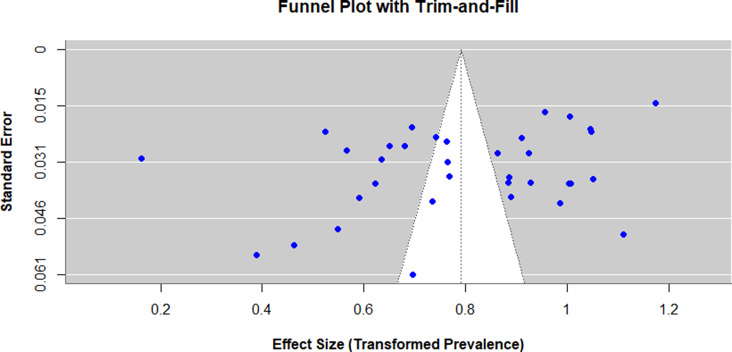 Figure 3
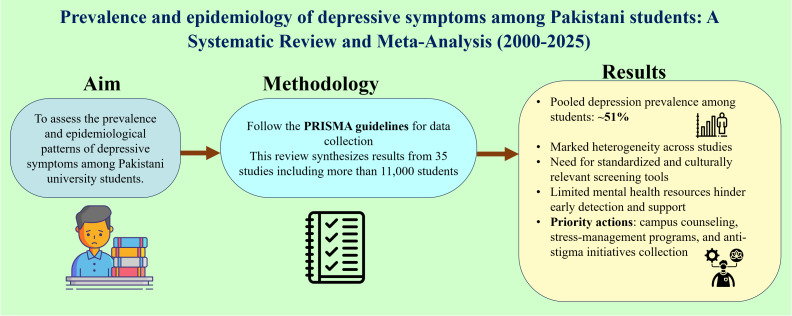 Figure 4
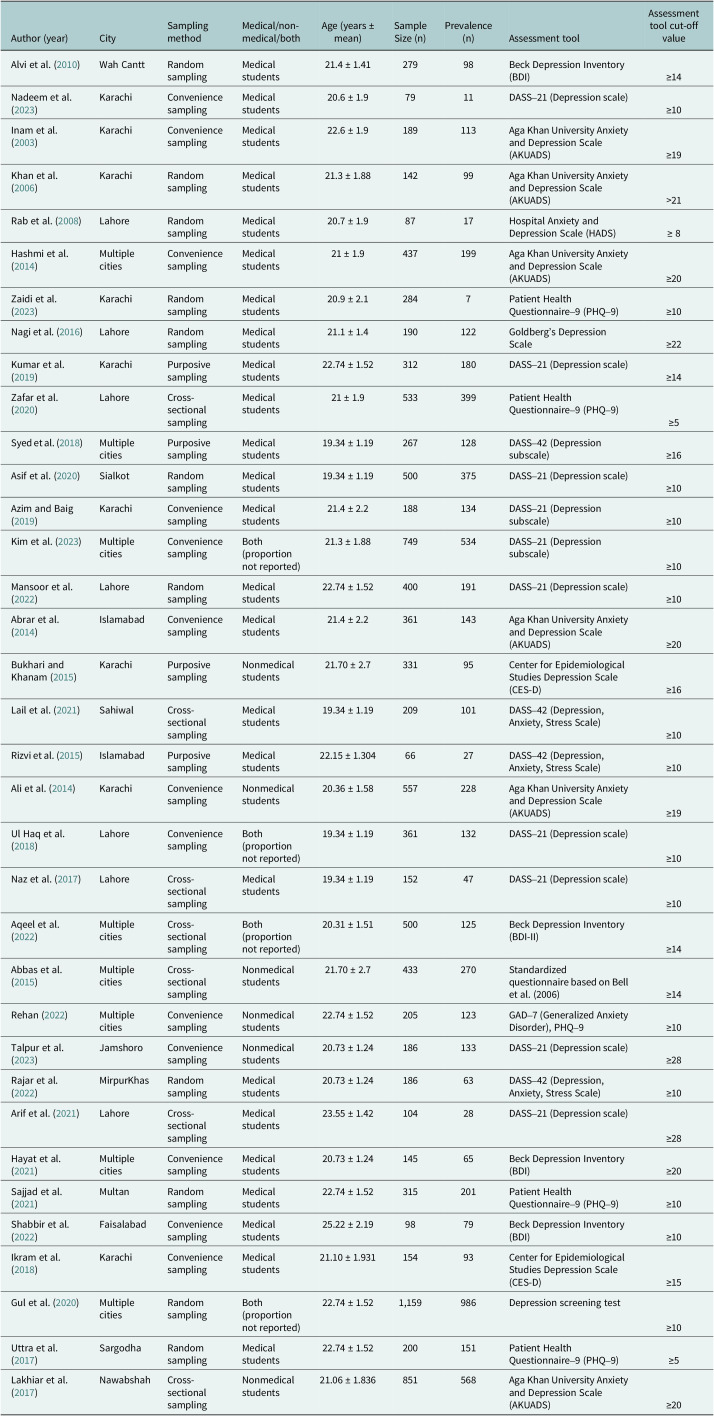 Figure 5
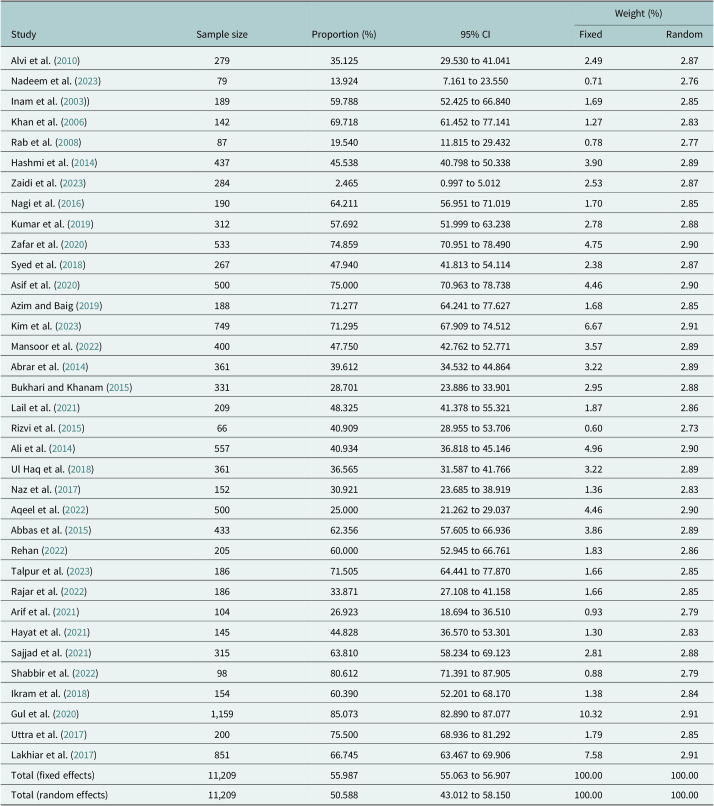 Figure 6
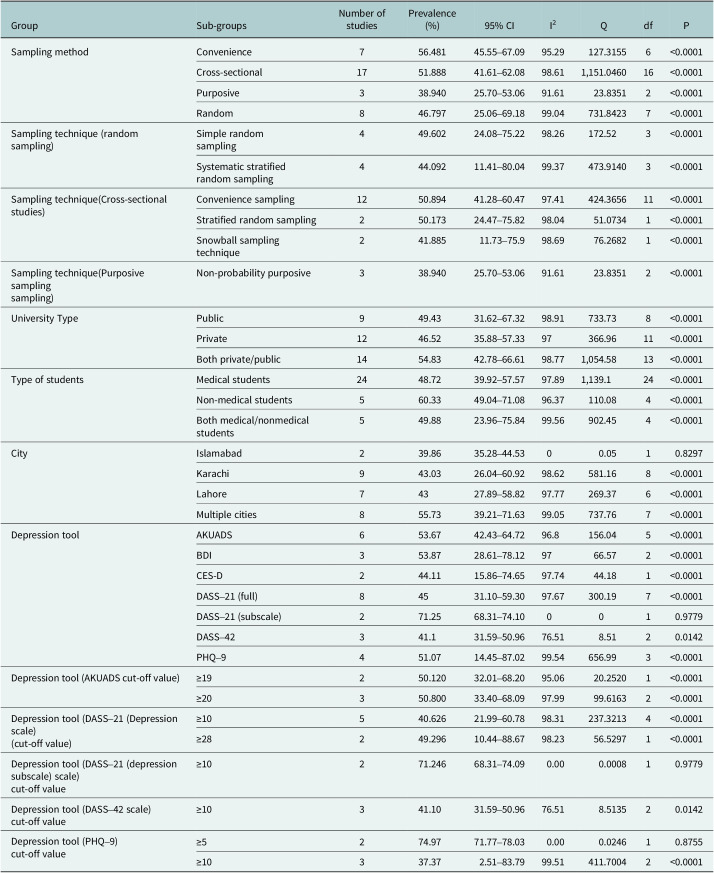 Figure 7
 Figure 8
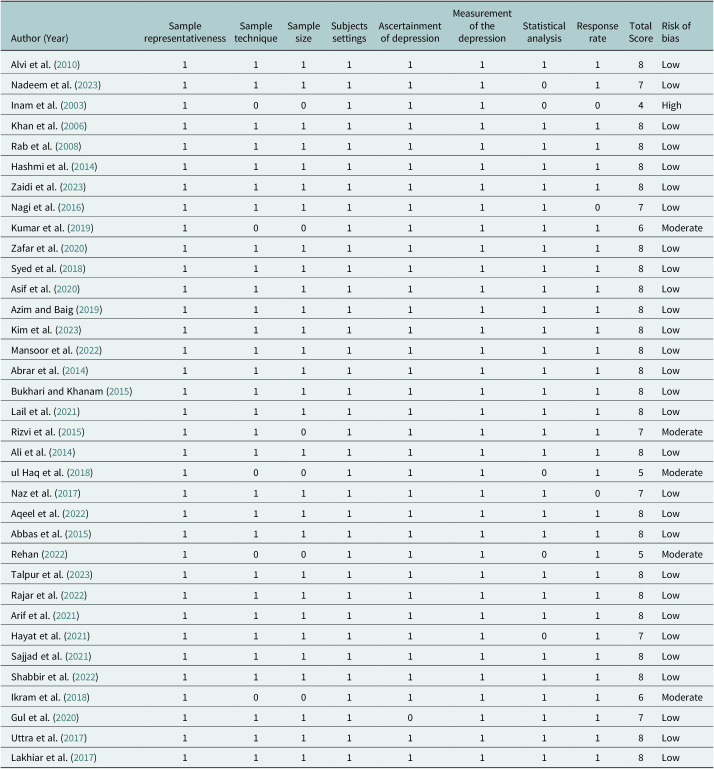 Figure 9
Peer Reviews
No public reviews on file for this paper yet. If you reviewed it on a platform where reviews are public (OpenReview, ICLR, NeurIPS, ICML), you can paste yours below so the community can read it here.
Videos
No videos yet. Explain this paper in a talk, walkthrough, or lecture? Add one.
Taxonomy
TopicsMental Health Treatment and Access · Healthcare professionals’ stress and burnout · Child and Adolescent Psychosocial and Emotional Development