Diagnostic Performance of ANCA Testing Across Three Platforms with and without Coexisting ANA Positivity: Experience from a Tertiary Healthcare Centre in India
Neha Rai, Shamshad Ahmad, Saurabh Karmakar, Divendu Bhushan, Pragya Kumar, Ayan Banerjee, Mukunda Kumar, Akash Bansal, Anurag Kumar, Rajiv Ranjan Sinha, Mala Mahto

TL;DR
This study compares the accuracy of different ANCA testing methods and how ANA positivity affects results in a healthcare setting in India.
Contribution
The study evaluates the diagnostic performance of ANCA testing platforms and the impact of ANA positivity in a specific clinical context.
Findings
Using a 3-biochip combination with ethanol and formalin fixed granulocytes reduces false positives caused by ANA.
Adding PR3/MPO dots to the 3-chip combination does not improve diagnostic accuracy.
ANA positivity significantly affects ANCA test results depending on the platform used.
Abstract
Indirect immunofluorescence (IIF) is a useful diagnostic modality for anti-neutrophilic cytoplasmic antibody (ANCA) detection in ANCA associated with vasculitis and diseases beyond vasculitis. As per latest guidelines, the IIF has been replaced by enzyme-linked immunosorbent assay (ELISA) as first line of screening for ANCA. The study intends to evaluate the performance of IIF and ELISA for ANCA testing and the impact of antinuclear antibody (ANA) positivity on ANCA reporting across these platforms. A total of 70 samples, 53 ANA positive and 17 ANA negative, were included in the study. They were tested for ANCA across three different platforms based on IIF and ELISA. An attempt was also made to identify if presence and pattern of ANA affected ANCA reporting across any particular platform. The impact of ANA positivity on ANCA reporting was done using logistic regression analysis. An…
Genes, proteins, chemicals, diseases, species, mutations and cell lines named across the full text — each resolved to its canonical identifier and authoritative record.
Click any figure to enlarge with its caption.
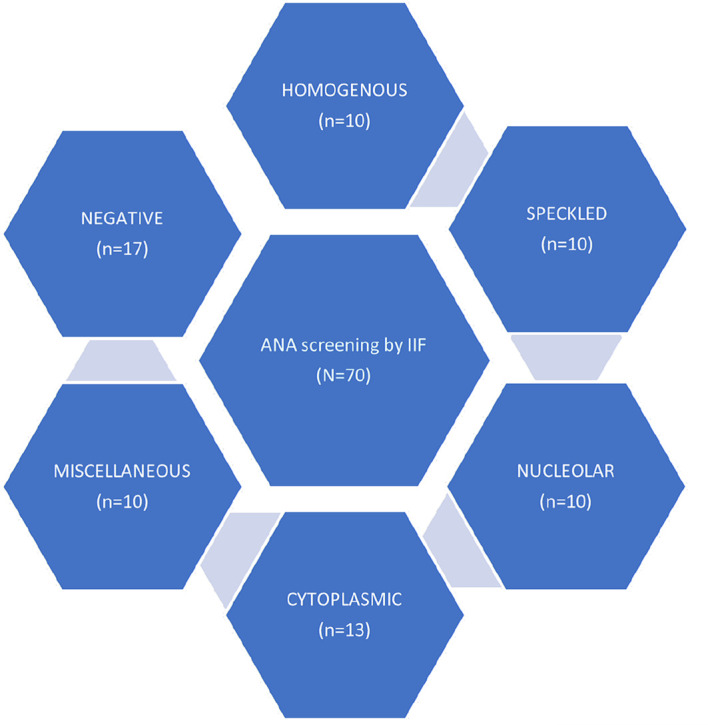 Figure 1
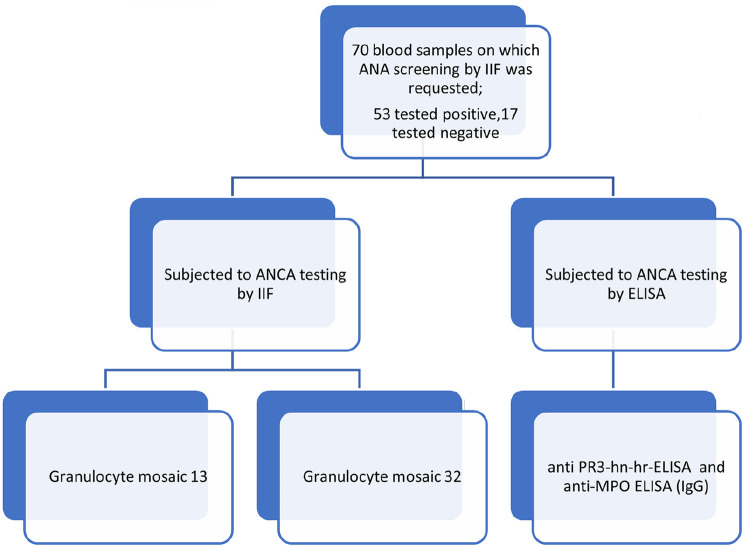 Figure 2
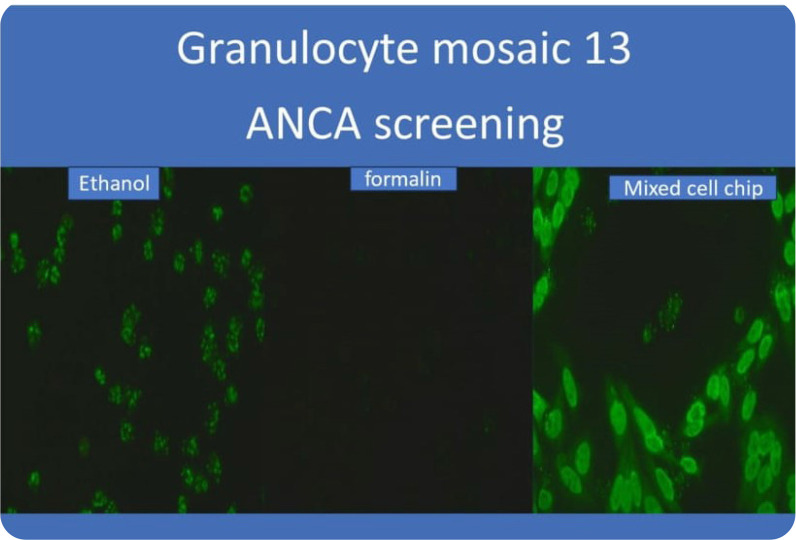 Figure 3
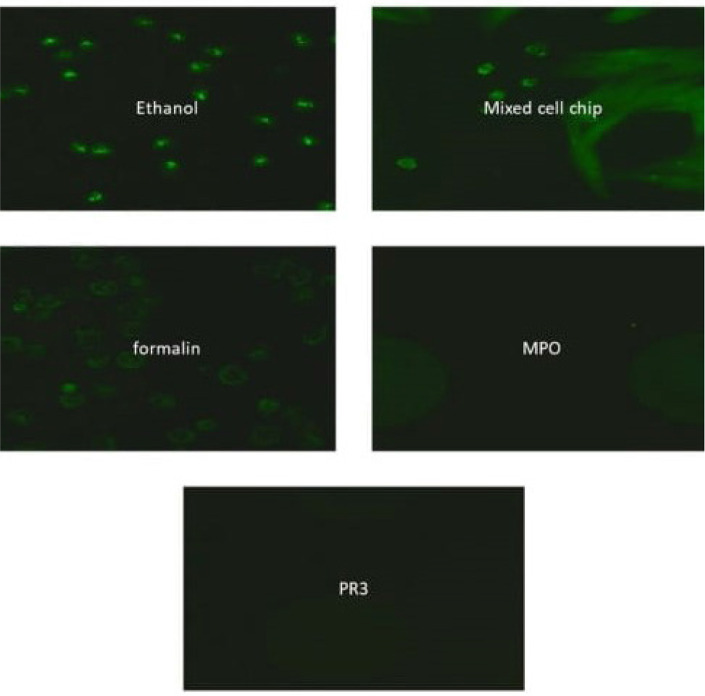 Figure 4
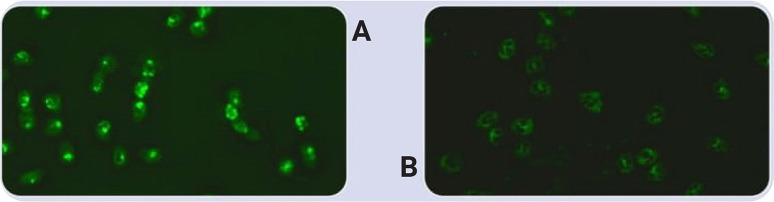 Figure 5
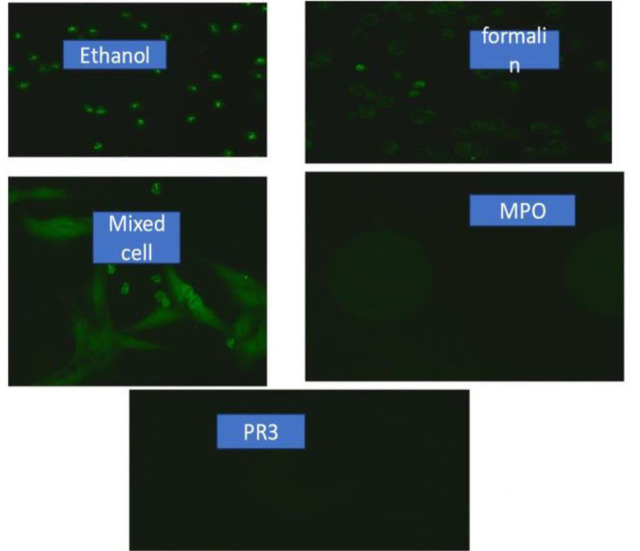 Figure 6
Peer Reviews
No public reviews on file for this paper yet. If you reviewed it on a platform where reviews are public (OpenReview, ICLR, NeurIPS, ICML), you can paste yours below so the community can read it here.
Videos
No videos yet. Explain this paper in a talk, walkthrough, or lecture? Add one.
Taxonomy
TopicsBiosensors and Analytical Detection · Microfluidic and Bio-sensing Technologies · Advanced Biosensing Techniques and Applications