In Vivo Chemical Reprogramming Is Associated With a Toxic Accumulation of Lipid Droplets Hindering Rejuvenation
Wayne Mitchell, Cecília G. de Magalhães, Alexander Tyshkovskiy, Yushi Uchida, Ludger J. E. Goeminne, Takaharu Ichimura, Emery L. Ng, Alibek Moldakozhayev, Joseph V. Bonventre, Vadim N. Gladyshev

TL;DR
Chemical reprogramming of aged cells can rejuvenate mitochondria but causes toxic lipid buildup in mice.
Contribution
The study reveals that partial chemical reprogramming induces mitochondrial stress and lipid droplet accumulation in aged mammals.
Findings
Chemical reprogramming increases mitochondrial size and fusing but causes lipid droplet accumulation.
Higher doses of the cocktail lead to acute toxicity and reduced body weight in mice.
Mitochondrial stress and TCA cycle changes are linked to lipid accumulation and kidney injury.
Abstract
Partial reprogramming has emerged as a promising strategy to reset the epigenetic landscape of aged cells towards more youthful profiles. Recent advancements have included the development of chemical reprogramming cocktails that can lower the epigenetic and transcriptomic age of cells and upregulate mitochondrial biogenesis and oxidative phosphorylation. However, the ability of these cocktails to affect biological age in a mammalian aging model has yet to be tested. Here, we have characterized the effects of partial chemical reprogramming on mitochondrial structure and function in aged mouse fibroblasts and tested its in vivo efficacy in genetically diverse male UM‐HET3 mice. This approach increases the size of mitochondria, alters cristae morphology, causes an increased fusing of mitochondrial networks, and speeds up movement velocity. At lower doses, the chemical reprogramming…
Genes, proteins, chemicals, diseases, species, mutations and cell lines named across the full text — each resolved to its canonical identifier and authoritative record.
Click any figure to enlarge with its caption.
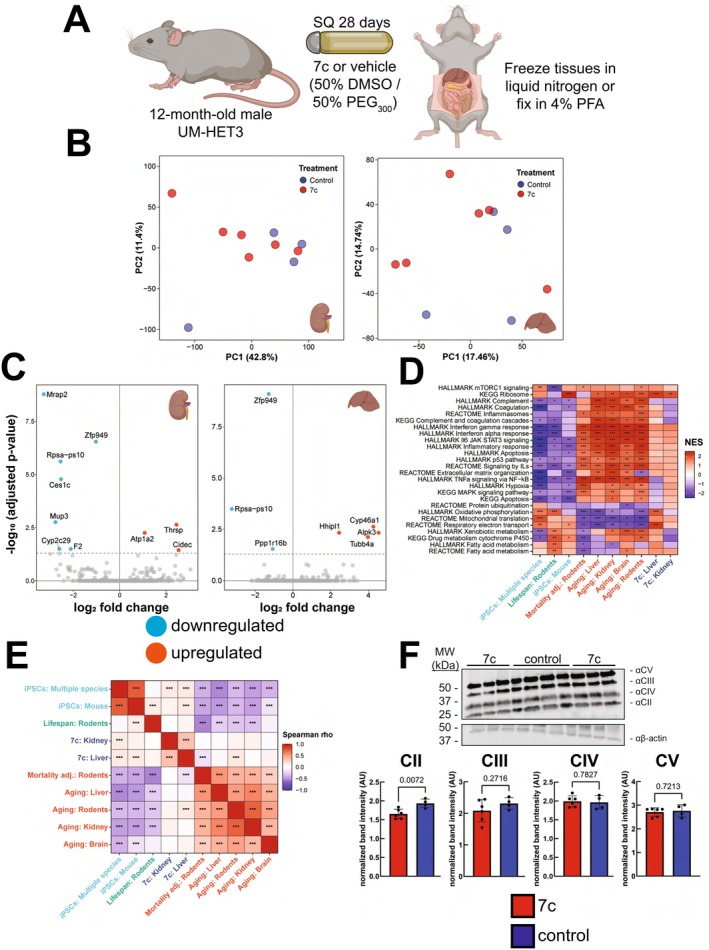 Figure 1
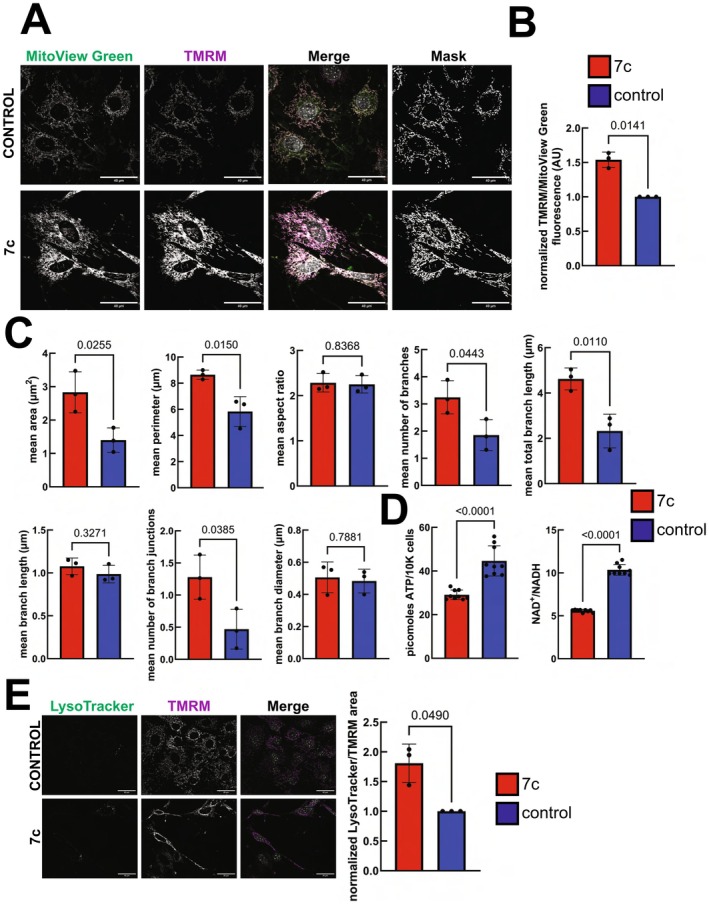 Figure 2
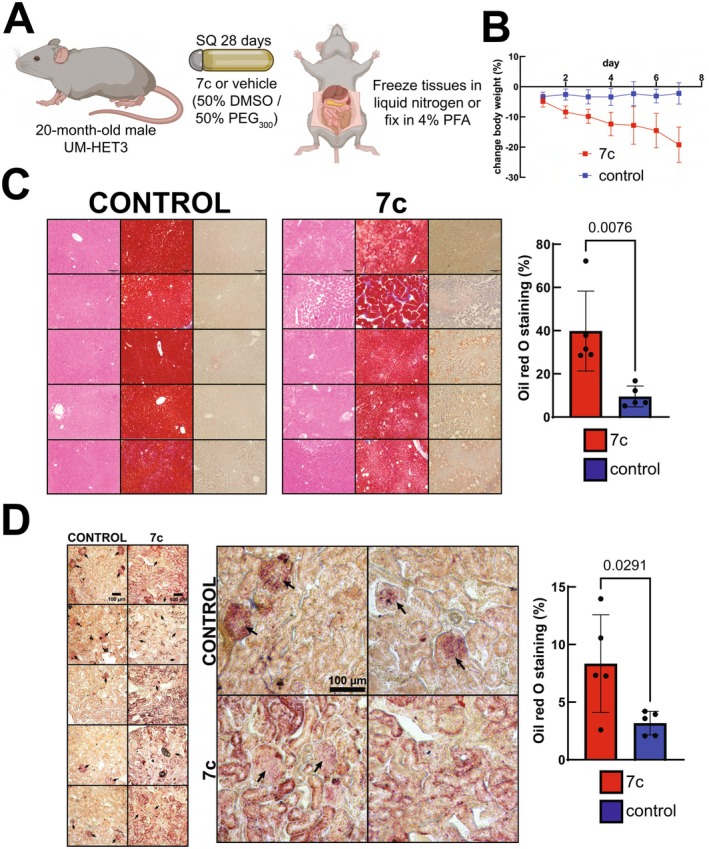 Figure 3
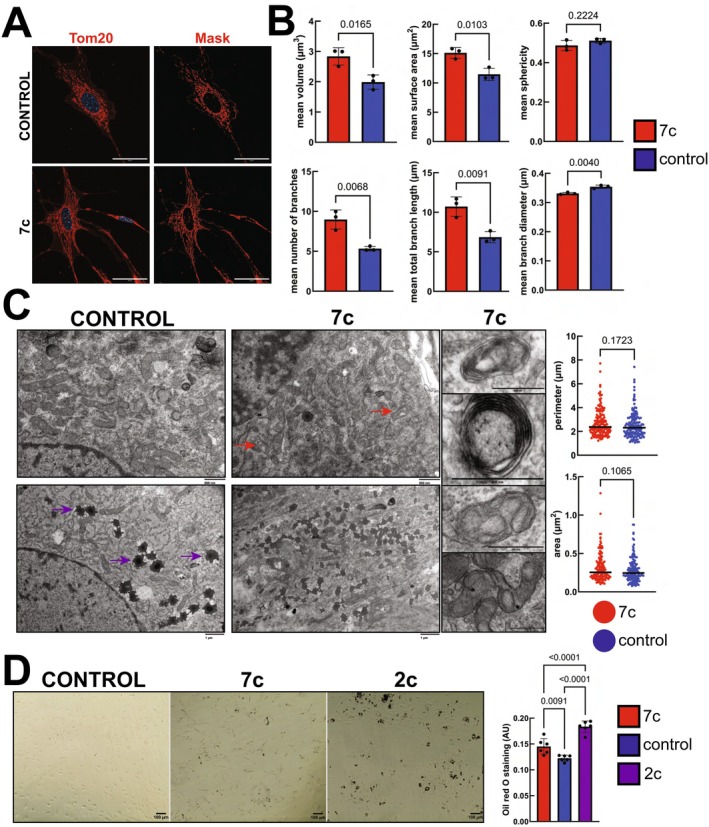 Figure 4
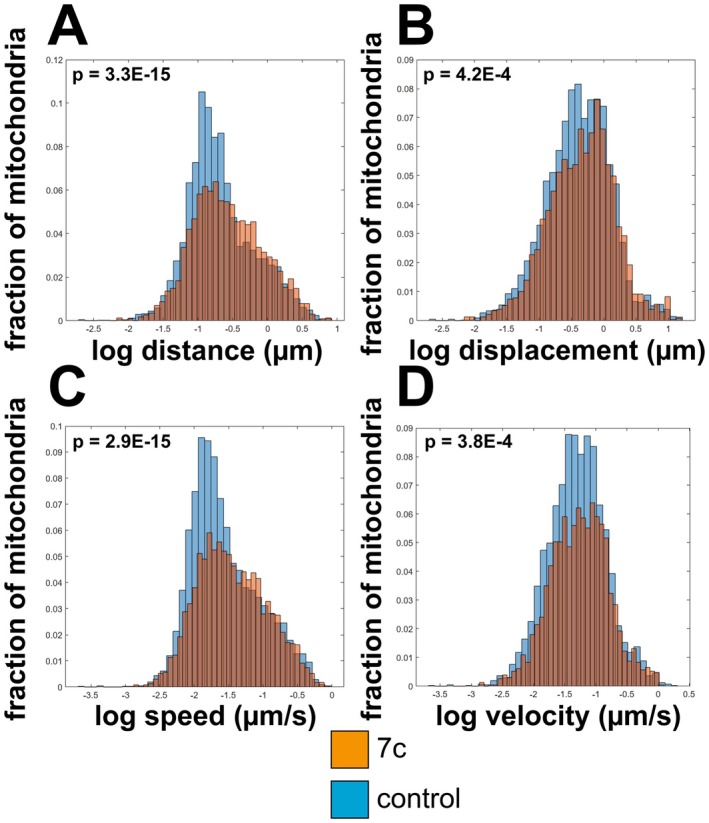 Figure 5
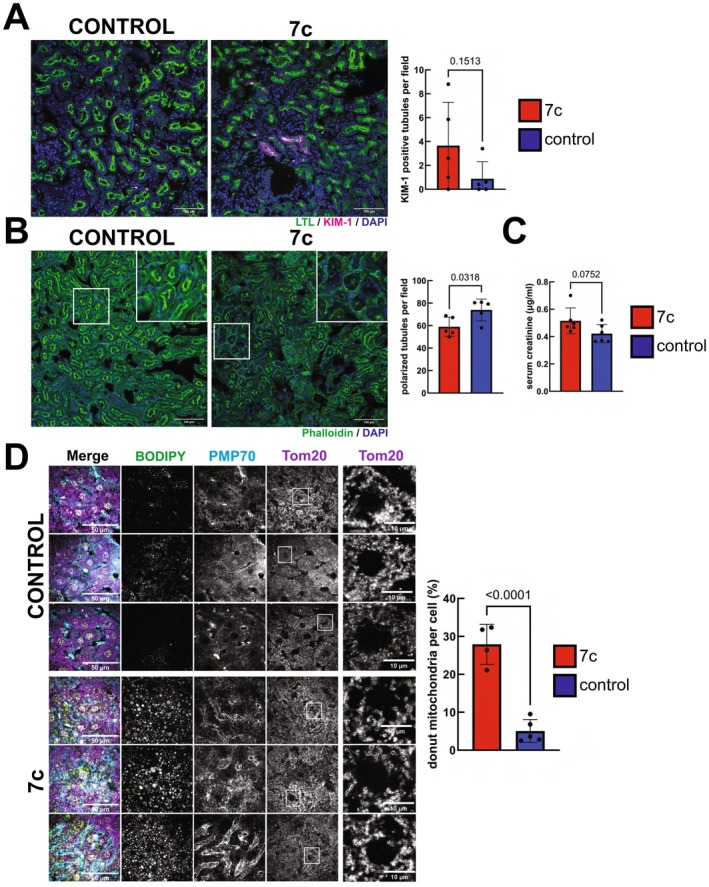 Figure 6
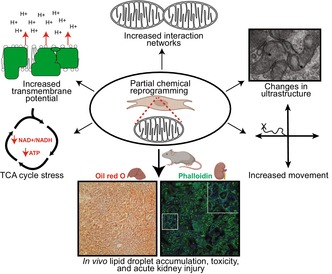 Figure 7
Peer Reviews
No public reviews on file for this paper yet. If you reviewed it on a platform where reviews are public (OpenReview, ICLR, NeurIPS, ICML), you can paste yours below so the community can read it here.
Videos
No videos yet. Explain this paper in a talk, walkthrough, or lecture? Add one.
Taxonomy
TopicsPluripotent Stem Cells Research · Lipid metabolism and biosynthesis · Mitochondrial Function and Pathology