Carboxydotrophic Acetogenesis in Alkaline Conditions Results in Transient Formate Production by the Halo‐Alkaliphilic Acetogen Haloacetibacter carboxydivorans Gen. Nov. sp. Nov
Martijn Diender, Isabelle M. Keijsers, Anastasia Galani, Timo van Roosmalen, Alfons J. M. Stams, Diana Z. Sousa

TL;DR
A new bacterium, Haloacetibacter carboxydivorans, produces formate under alkaline and high-salt conditions, which helps maintain redox balance during carbon monoxide-based growth.
Contribution
The discovery of a novel halo-alkaliphilic acetogen that uses formate for redox homeostasis in alkaline environments.
Findings
Haloacetibacter carboxydivorans produces formate during CO-based growth under high salt and alkaline conditions.
Formate is consumed when CO is limited, supporting acetogenesis without producing ethanol or hydrogen.
Genomic and transcriptomic data suggest specific enzymes may be involved in dynamic formate metabolism.
Abstract
Carboxydotrophic acetogens are found widespread in the environment, yet the strains characterised to date are almost exclusively mild acidophiles or neutrophiles, often isolated from gut or freshwater systems. Here, we describe a novel carboxydotrophic halo‐alkaliphilic, acetogenic bacterium, strain MD4, isolated from a CO‐fed bioreactor operated under high salt and alkaline conditions. Phylogenetic analysis suggests that strain MD4 is the first representative of a novel genus, branching between the Alkalibacter and Alkalibaculum genera, for which we propose the name Haloacetibacter carboxydivorans. The bacterium tolerates a wide range of sodium (0.01–2.5 M) and pH (7–10), but was not exceptionally tolerant to metals such as copper, nickel and cobalt. During growth on CO, strain MD4 produced formate and acetate, the former being co‐consumed upon low CO availability to drive…
Genes, proteins, chemicals, diseases, species, mutations and cell lines named across the full text — each resolved to its canonical identifier and authoritative record.
Click any figure to enlarge with its caption.
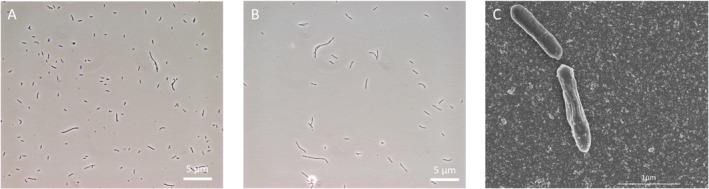 Figure 1
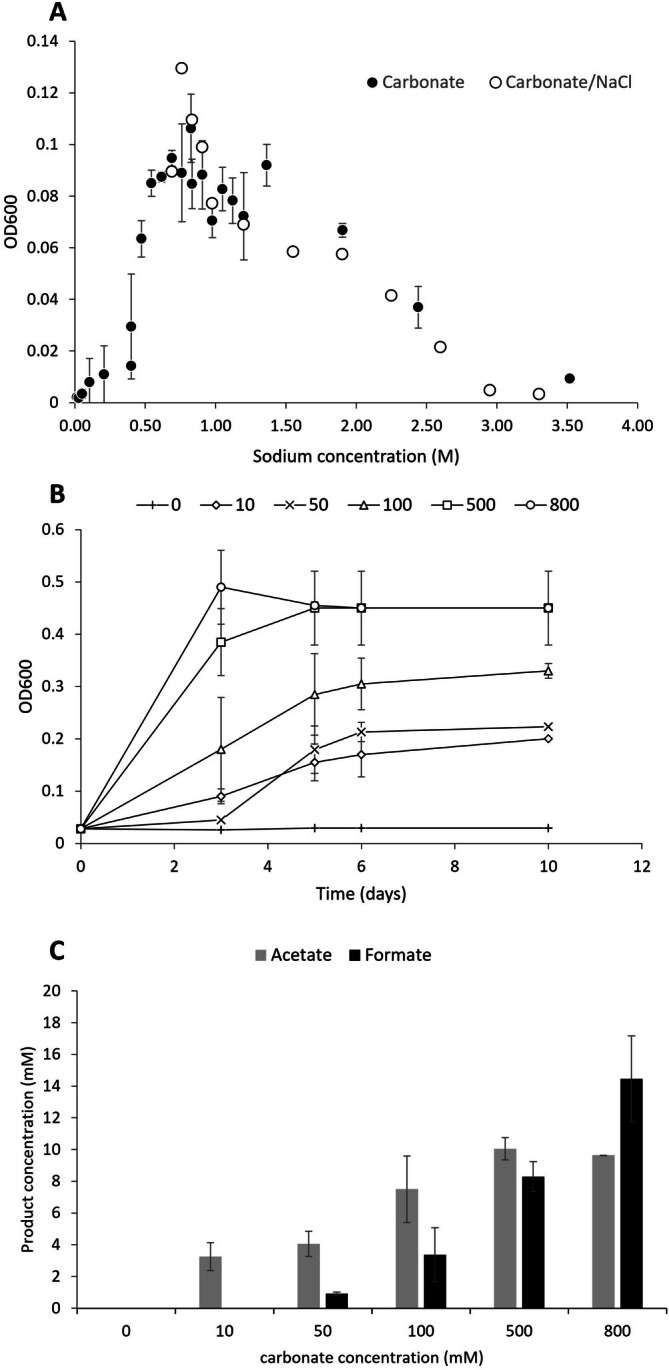 Figure 2
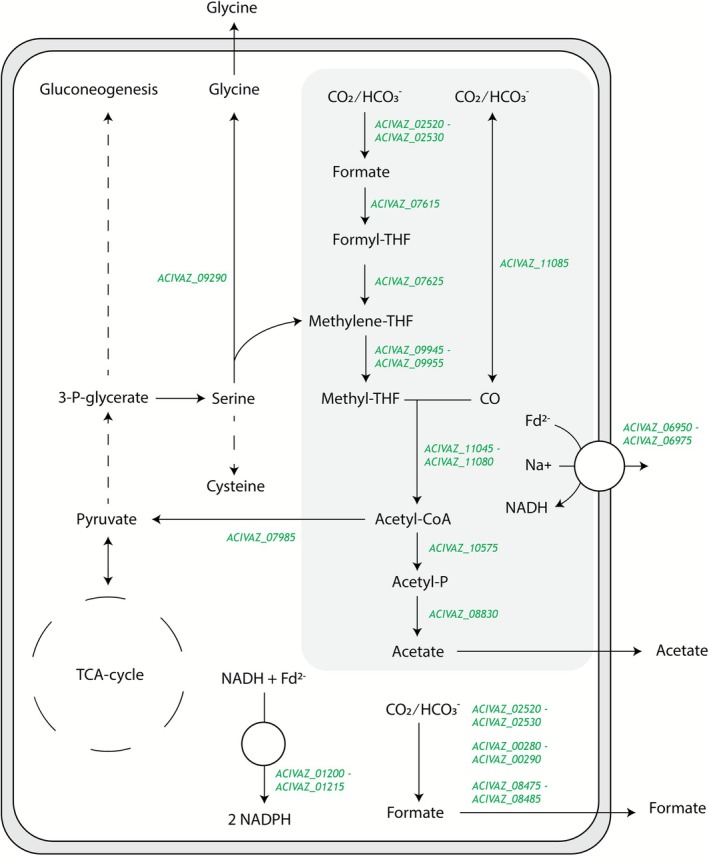 Figure 3
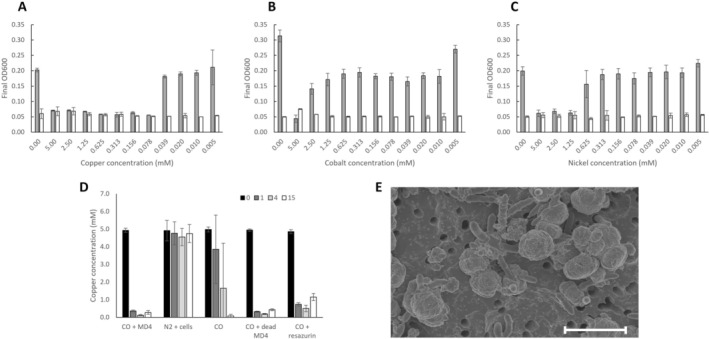 Figure 4
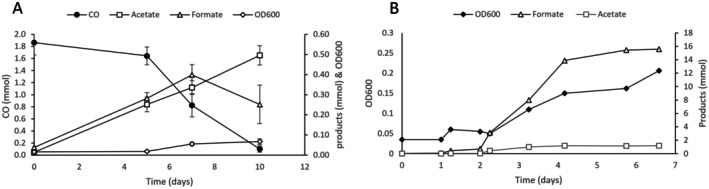 Figure 5
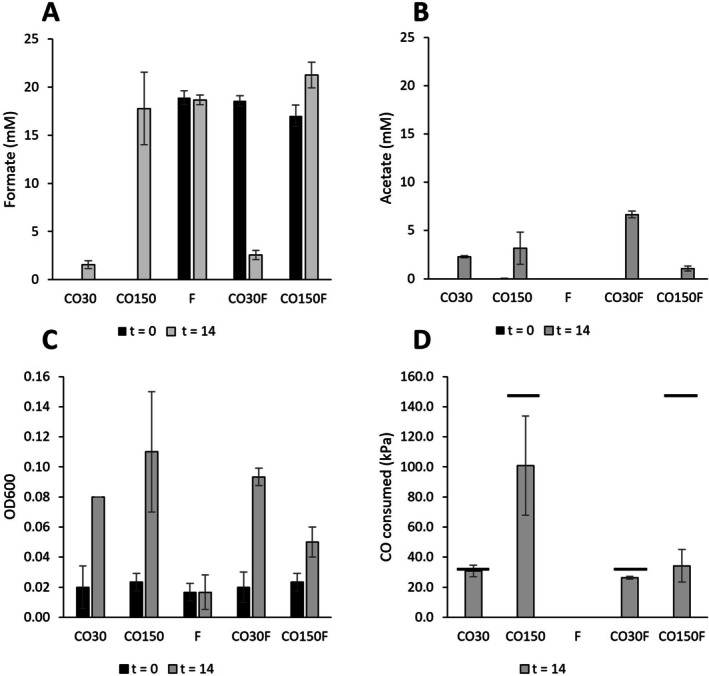 Figure 6
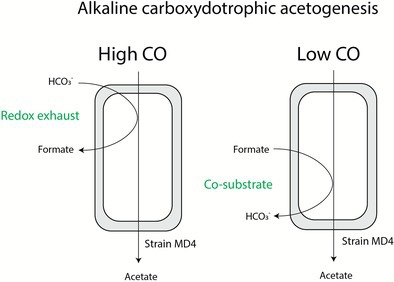 Figure 7
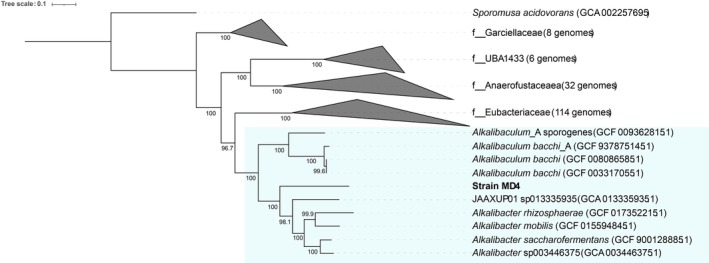 Figure 8
Peer Reviews
No public reviews on file for this paper yet. If you reviewed it on a platform where reviews are public (OpenReview, ICLR, NeurIPS, ICML), you can paste yours below so the community can read it here.
Videos
No videos yet. Explain this paper in a talk, walkthrough, or lecture? Add one.
Taxonomy
TopicsMicrobial metabolism and enzyme function · Anaerobic Digestion and Biogas Production · Microbial Metabolic Engineering and Bioproduction