Atypical Presentation of Creutzfeldt-Jakob Disease: A Stroke Mimic
Sadia Faisal, Zoya Malik, Samaah Fathima, Abdul Salam, Ragunath Durairajan

TL;DR
A woman with atypical symptoms of Creutzfeldt-Jakob disease was diagnosed using advanced imaging and specialized tests.
Contribution
This case highlights the atypical presentation of CJD and the importance of advanced diagnostic tools.
Findings
MRI showed bilateral diffusion restriction in the basal ganglia and thalami.
CSF RT-QuIC testing confirmed prion disease.
Symptoms included cerebellar and ocular-motor features.
Abstract
A 56-year-old woman presented with a five-week history of unsteadiness, progressive diplopia, tremulous speech, and mild cognitive decline. Although initial computed tomography (CT) imaging was normal, magnetic resonance imaging (MRI) revealed bilateral diffusion restriction in the basal ganglia and thalami, raising suspicion for prion disease, which was subsequently confirmed by cerebrospinal fluid real-time quaking-induced conversion (CSF RT-QuIC) testing. A neurological examination showed saccadic intrusions, persistent horizontal diplopia, mild limb hypertonia, right-sided dysmetria, absent ankle reflexes, and ataxic gait, while extensive metabolic, autoimmune, and toxicology evaluations were unremarkable and family history was noncontributory. This atypical presentation, initially dominated by cerebellar and ocular-motor features, highlights the diagnostic challenges of early…
Genes, proteins, chemicals, diseases, species, mutations and cell lines named across the full text — each resolved to its canonical identifier and authoritative record.
Click any figure to enlarge with its caption.
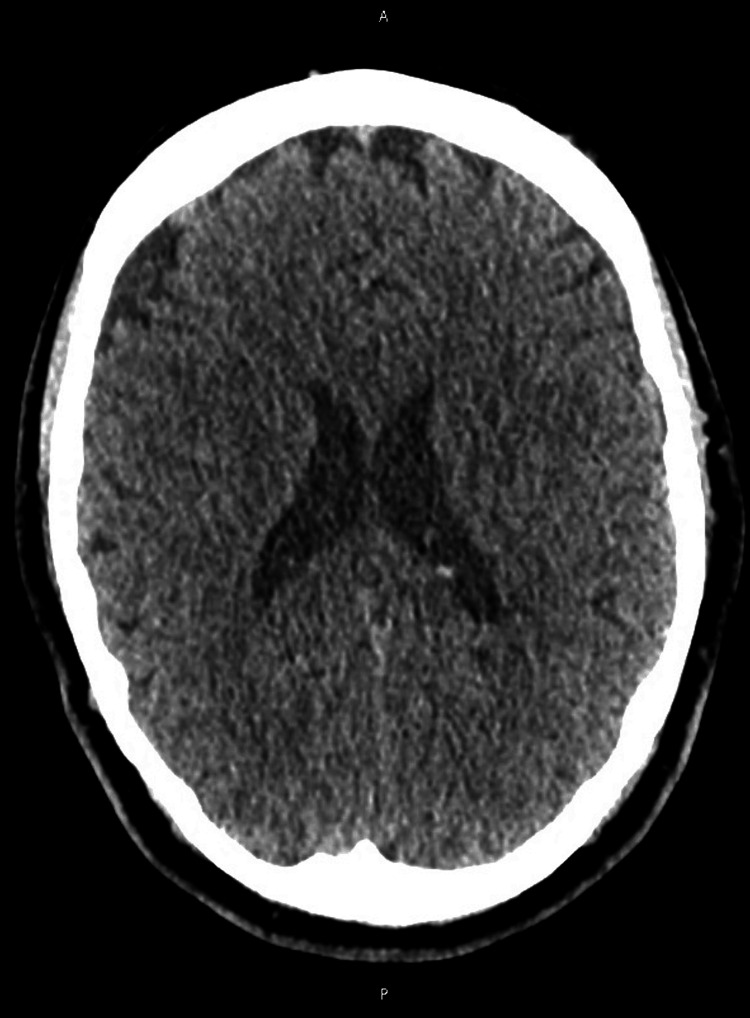 Figure 1
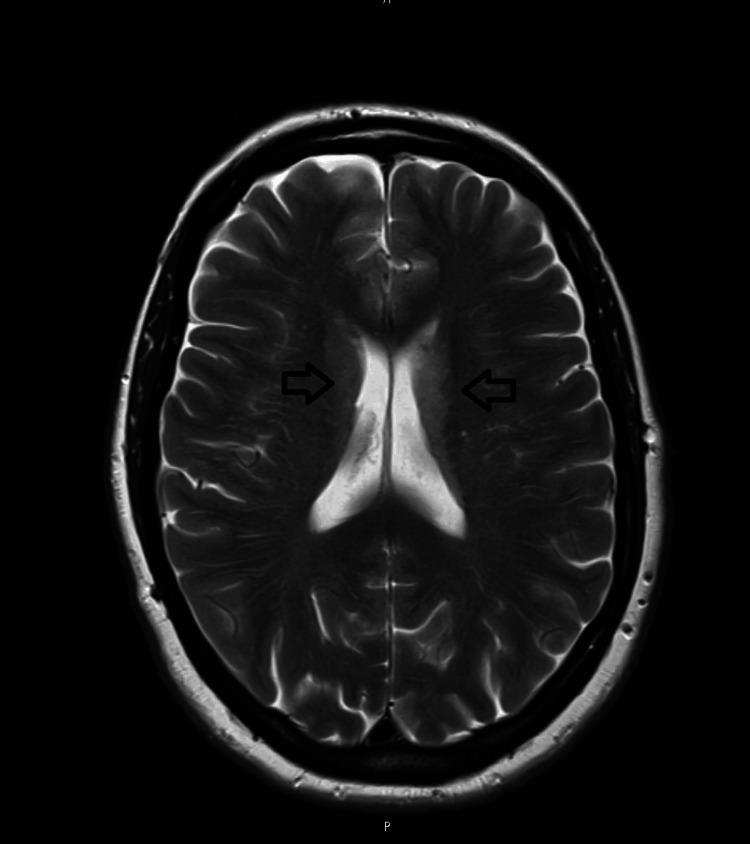 Figure 2
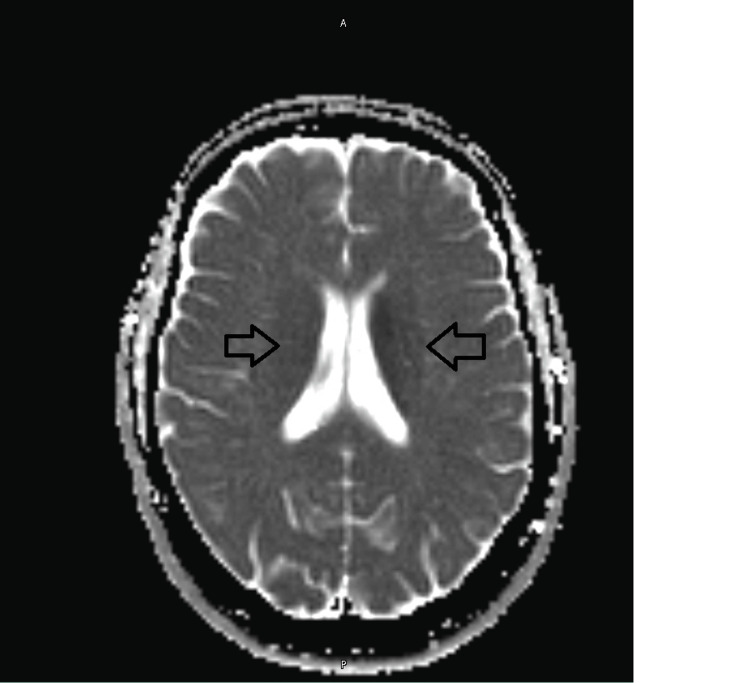 Figure 3
Peer Reviews
No public reviews on file for this paper yet. If you reviewed it on a platform where reviews are public (OpenReview, ICLR, NeurIPS, ICML), you can paste yours below so the community can read it here.
Videos
No videos yet. Explain this paper in a talk, walkthrough, or lecture? Add one.
Taxonomy
TopicsPrion Diseases and Protein Misfolding · Peripheral Neuropathies and Disorders · Alcoholism and Thiamine Deficiency