Genomic and neurobiological bases of variation in fighting strategies in gamecocks
Tsuyoshi Shimmura, Takuma Kurachi, Yuki Matsuda, Nima Rafati, Kohei Shimura, Tatsuhiko Goto, Shin-Ichi Kawakami, Rikuto Maeda, Yohei Yamada, Mats E Pettersson, Yoshiaki Nakamura, Yuki Higashiura, Nonoko N Shimura, Andres Bendesky, Masaoki Tsudzuki, Leif Andersson

TL;DR
This study explores how genetic and brain differences in chickens influence their fighting strategies, such as offensive or defensive behaviors.
Contribution
The study identifies genetic and neurobiological mechanisms underlying different fighting strategies in chickens, focusing on genes like FOXP1 and brain circuits.
Findings
Genomic analysis identified 15 candidate genes, including five related to neuronal development.
FOXP1, a transcription factor gene, is linked to brain development and motor circuits.
Activation of the brain's indirect motor pathway promotes defensive fighting behavior.
Abstract
Aggression is an essential animal behavior for survival, particularly in situations where fighting cannot be avoided. In such situations, the choice of fighting strategy (eg biting, charging, or defending) is critical. Although the molecular bases of fighting and aggressiveness have been previously studied, how genetic, transcriptional, and neurobiological mechanisms contribute to the choice of fighting strategy remains largely unknown. Here, we use two subpopulations of chickens bred for cockfighting that show markedly different fighting strategies: offensive and defensive attack. A genome-wide screen comparing individuals from the two subpopulations indicated a polygenic background and we identified 15 candidate genes, five of which are implicated in neuronal development. Among these, the transcription factor gene FOXP1 was notable. FOXP1 is essential for neuronal development in the…
Genes, proteins, chemicals, diseases, species, mutations and cell lines named across the full text — each resolved to its canonical identifier and authoritative record.
Click any figure to enlarge with its caption.
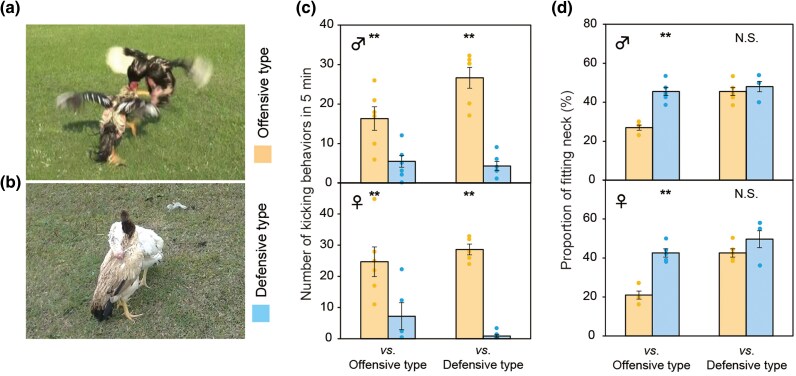 Figure 1
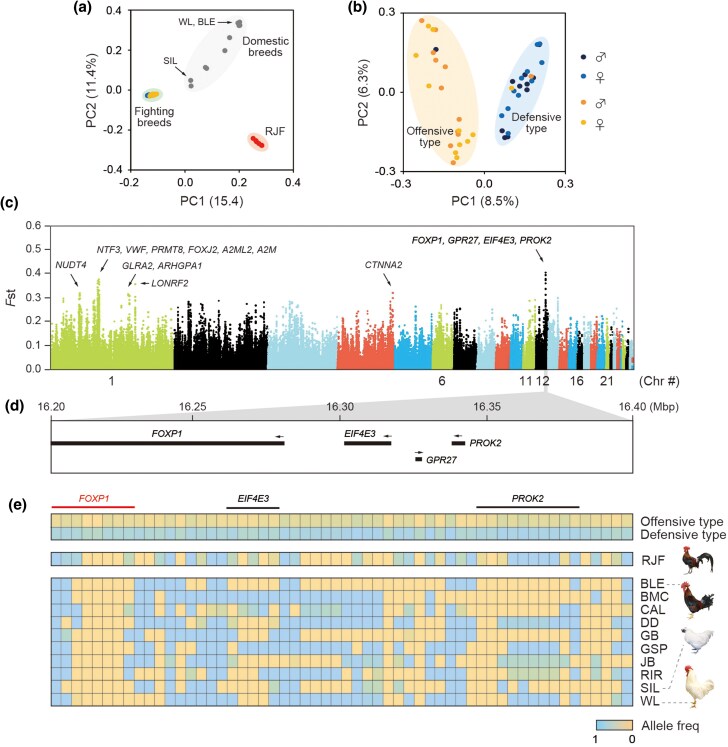 Figure 2
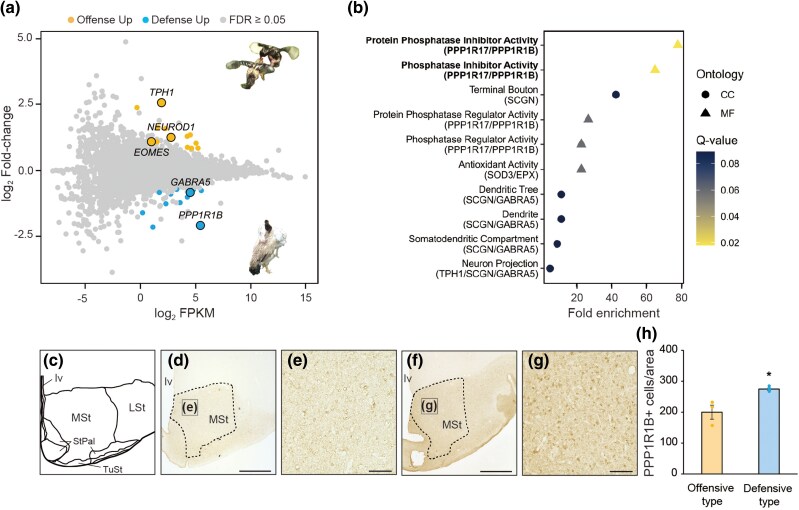 Figure 3
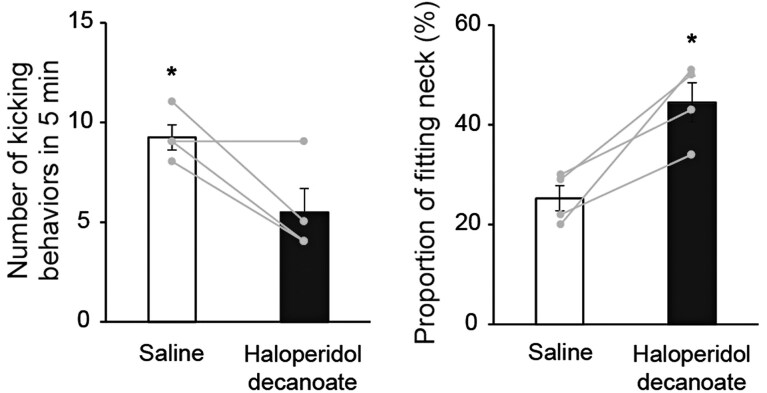 Figure 4
Peer Reviews
No public reviews on file for this paper yet. If you reviewed it on a platform where reviews are public (OpenReview, ICLR, NeurIPS, ICML), you can paste yours below so the community can read it here.
Videos
No videos yet. Explain this paper in a talk, walkthrough, or lecture? Add one.
Taxonomy
TopicsPrimate Behavior and Ecology · Animal Vocal Communication and Behavior · Bird parasitology and diseases