Current research status of third-generation sequencing technology in thalassemia detection
Fenglin Zhu, Yunli Lai, Sheng He

TL;DR
This paper reviews the current state of third-generation sequencing technology for detecting thalassemia, a genetic blood disorder, and its potential to improve diagnosis.
Contribution
The paper provides a systematic review of third-generation sequencing's role in thalassemia detection, highlighting its potential to overcome limitations of traditional methods.
Findings
Third-generation sequencing can detect novel thalassemia variants more effectively than conventional methods.
Current research shows promise for using third-generation sequencing to improve diagnostic accuracy and reduce misdiagnoses.
The technology is still in the refinement stage and requires further exploration for optimal application.
Abstract
Thalassemia is a hereditary hemolytic disorder primarily caused by defects in the hemoglobin genes, which impede the synthesis of hemoglobin peptide chains. This disease is mainly classified into two types: α and β. Currently, there is no effective treatment available that can completely cure this disease. The conventional screening techniques for thalassemia currently used in clinical practice have significant shortcomings, posing risks of missed diagnoses and misdiagnoses. As a molecular detection technology that has emerged in recent years, third-generation sequencing can specifically address the shortcomings of conventional detection methods, enhance the positive detection rate for novel thalassemia variants, and demonstrate broad application prospects. However, it remains in the stage of technical exploration and refinement. This review aims to systematically organize and…
Genes, proteins, chemicals, diseases, species, mutations and cell lines named across the full text — each resolved to its canonical identifier and authoritative record.
Click any figure to enlarge with its caption.
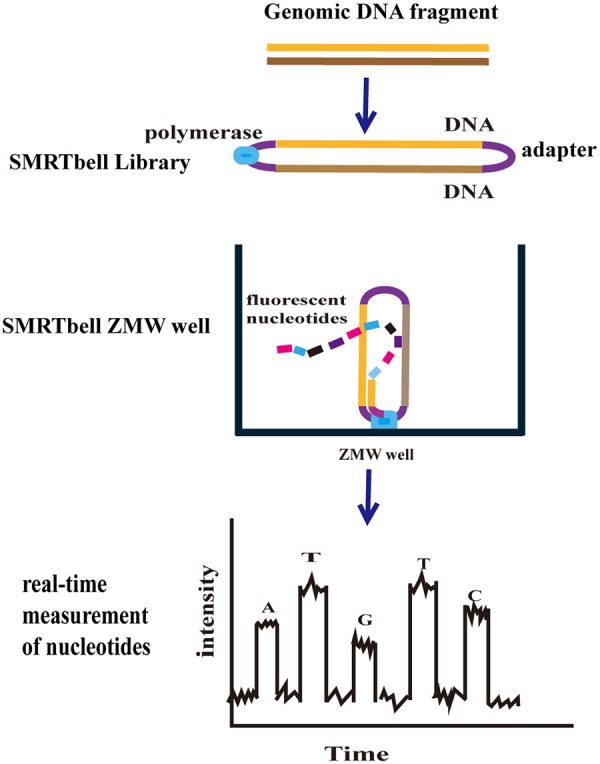 Figure 1
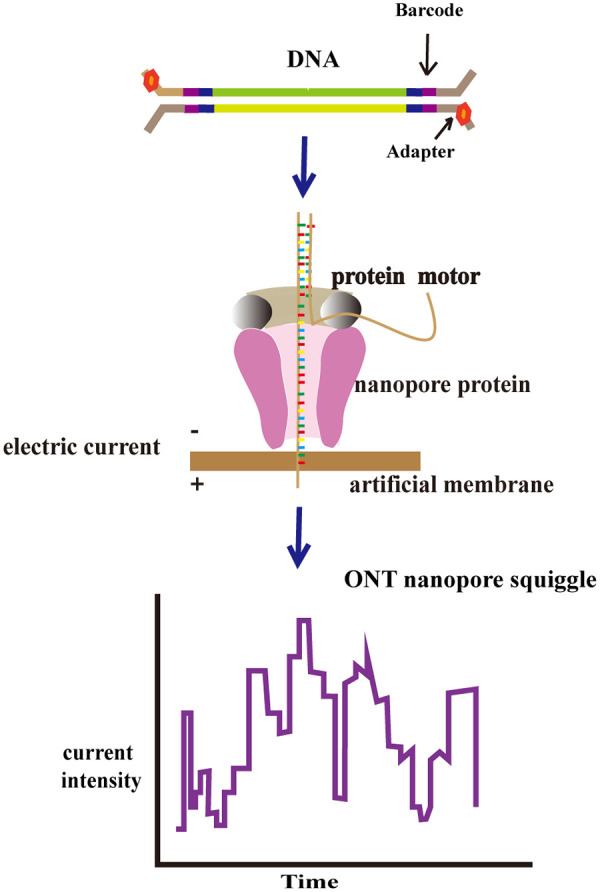 Figure 2
Peer Reviews
No public reviews on file for this paper yet. If you reviewed it on a platform where reviews are public (OpenReview, ICLR, NeurIPS, ICML), you can paste yours below so the community can read it here.
Videos
No videos yet. Explain this paper in a talk, walkthrough, or lecture? Add one.
Taxonomy
TopicsHemoglobinopathies and Related Disorders · Genomics and Rare Diseases · Genetics, Bioinformatics, and Biomedical Research