Overt and covert processing of self-relevance information in dissociative identity disorder: controlled fMRI study
Aikaterini I. Strouza, Andrew J. Lawrence, Lora I. Dimitrova, Eline M. Vissia, Sima Chalavi, Dick J. Veltman, Antje A. T. S. Reinders

TL;DR
This study used fMRI to compare how people with dissociative identity disorder process self-relevant information consciously and subconsciously, finding differences in brain activity and reaction times.
Contribution
The study introduces individualized trauma-related stimuli to investigate covert knowledge processing in dissociative identity disorder.
Findings
Individuals with DID showed slower reaction times compared to simulators and controls.
DID participants exhibited increased frontoparietal brain activation during overt processing.
The findings support the authenticity of trauma-related cognitive avoidance in DID.
Abstract
Dissociative identity disorder (DID) manifests with distinct trauma-avoidant and trauma-related identity states. Overtly conscious trauma-related knowledge processing is identity state-dependent. Previous research on covertly subconscious knowledge processing in DID lacks subject-specific trauma-related stimuli. Our controlled functional magnetic resonance imaging (fMRI) study explored neural and behavioural differences of overt and covert knowledge processing of individualised self-relevant words in DID. Behavioural data were gathered while 56 participants underwent task-based fMRI: 14 with DID, 14 DID simulators and a paired control group of 14 healthy controls and 14 participants with post-traumatic stress disorder. Individuals with DID and simulators participated in a trauma-avoidant and a trauma-related identity state. Reaction times and brain activation following overtly and…
Genes, proteins, chemicals, diseases, species, mutations and cell lines named across the full text — each resolved to its canonical identifier and authoritative record.
Click any figure to enlarge with its caption.
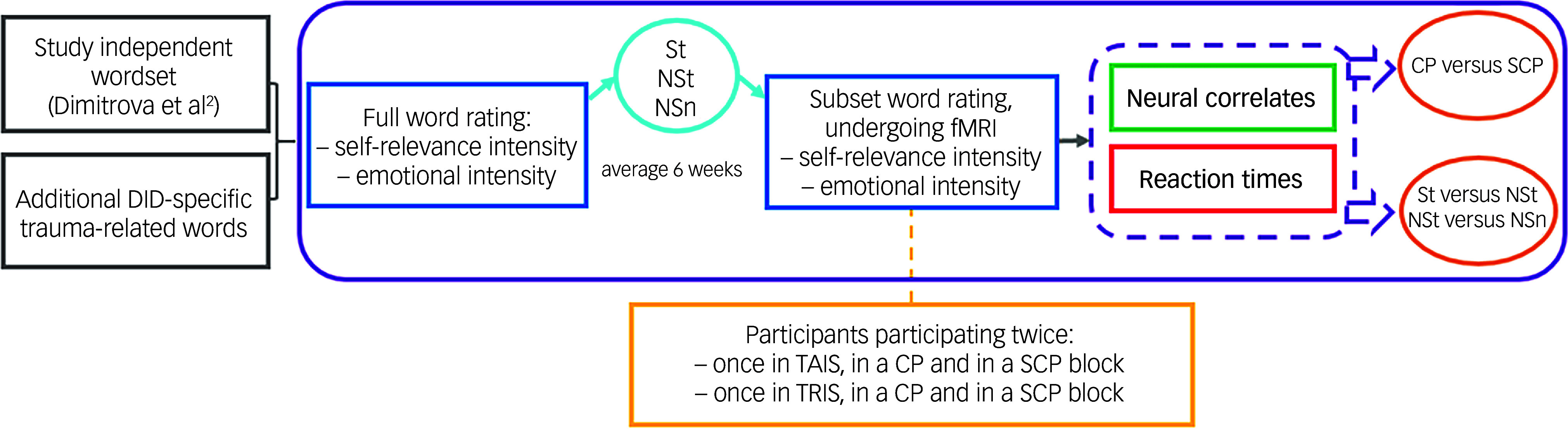 Figure 1
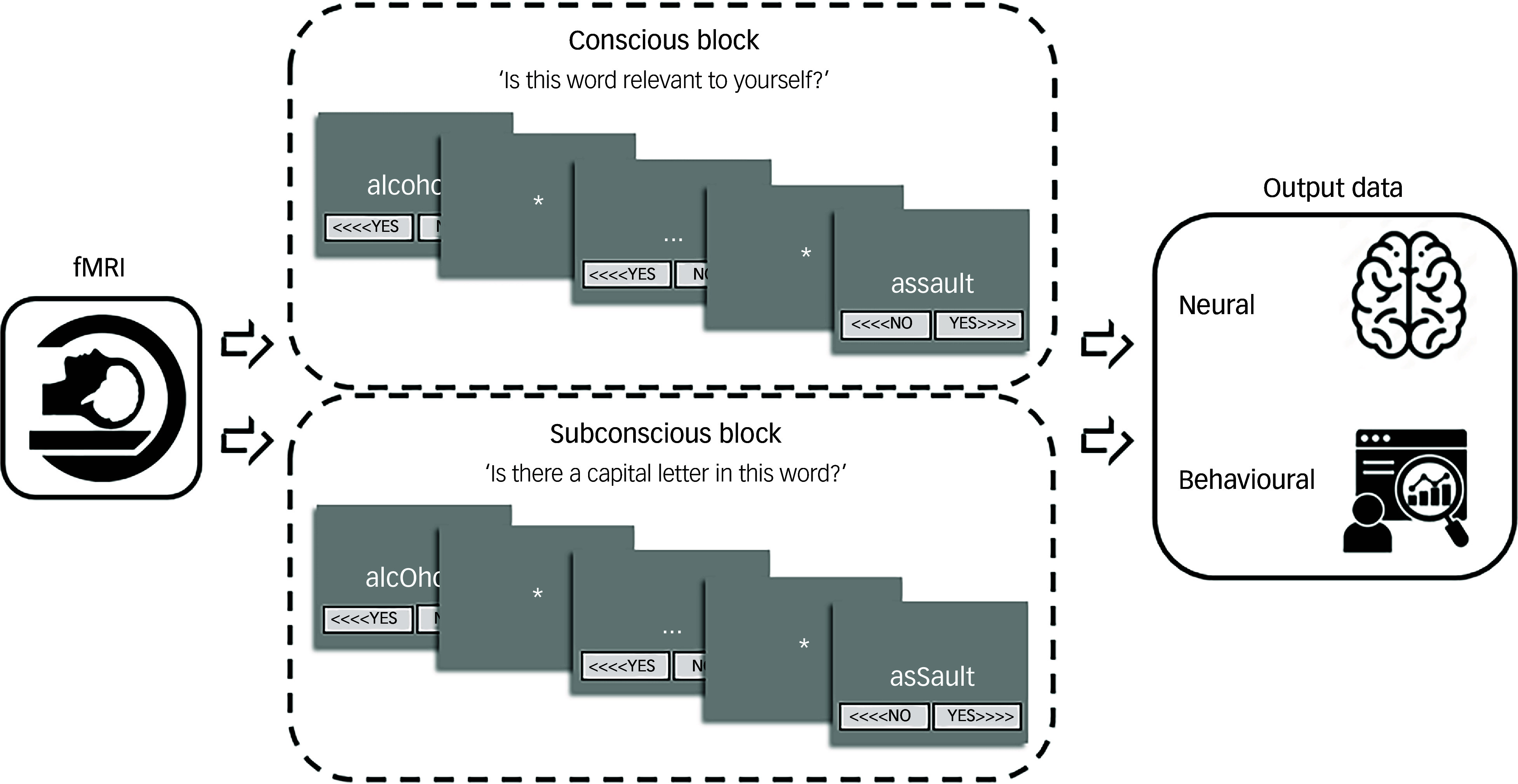 Figure 2
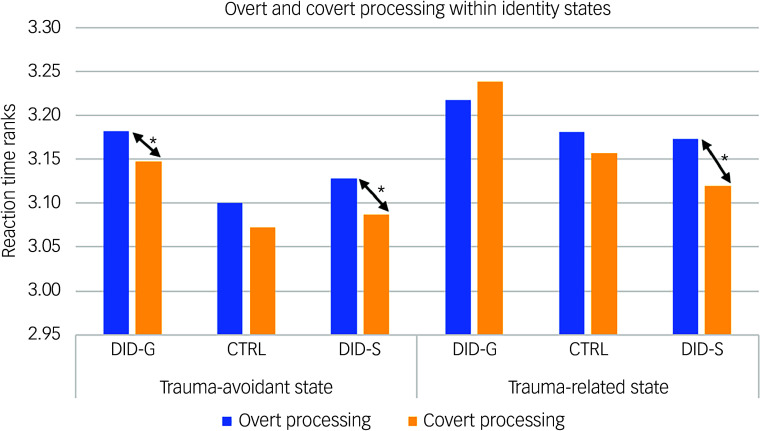 Figure 3
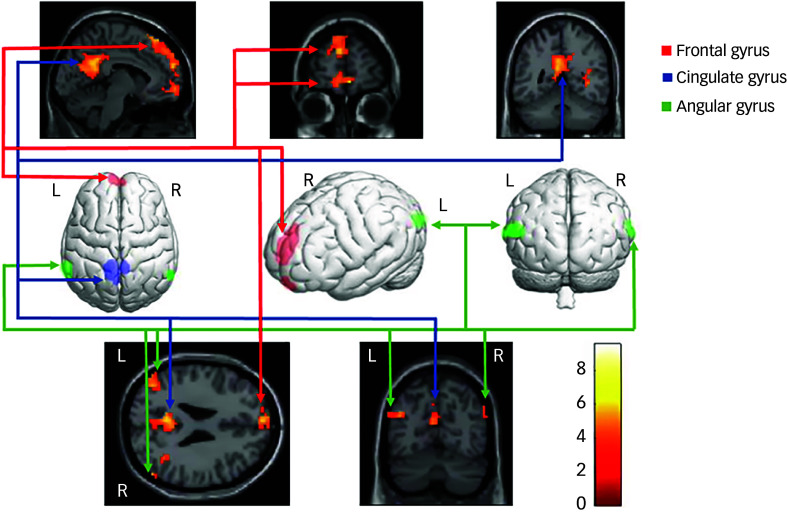 Figure 4
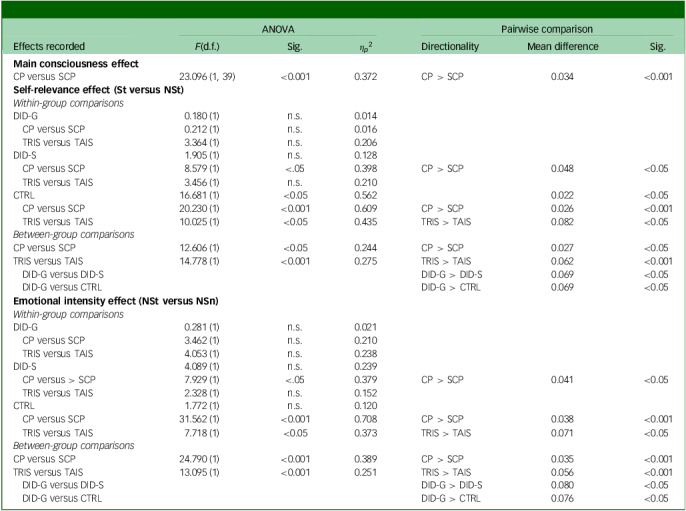 Figure 5
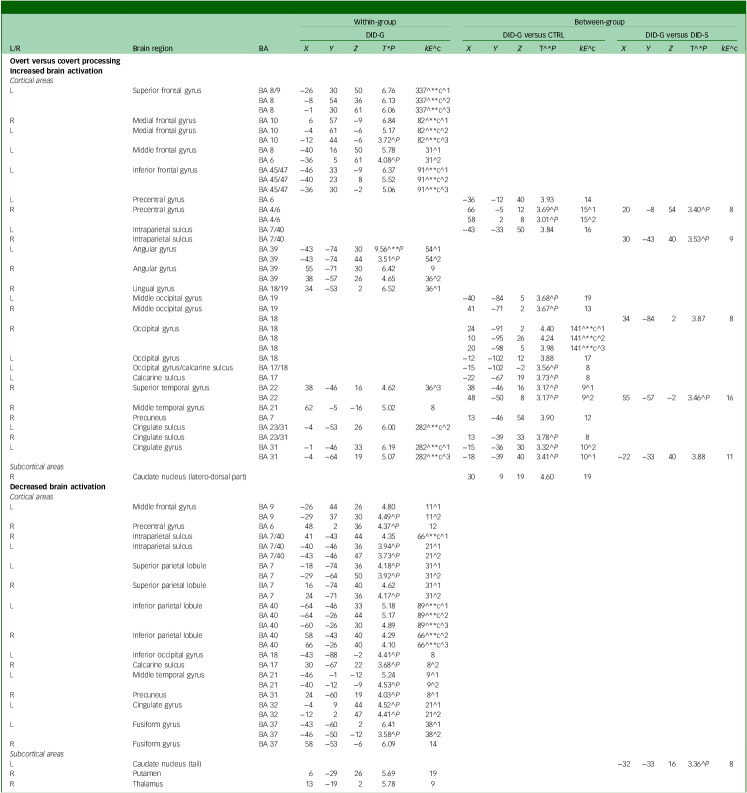 Figure 6
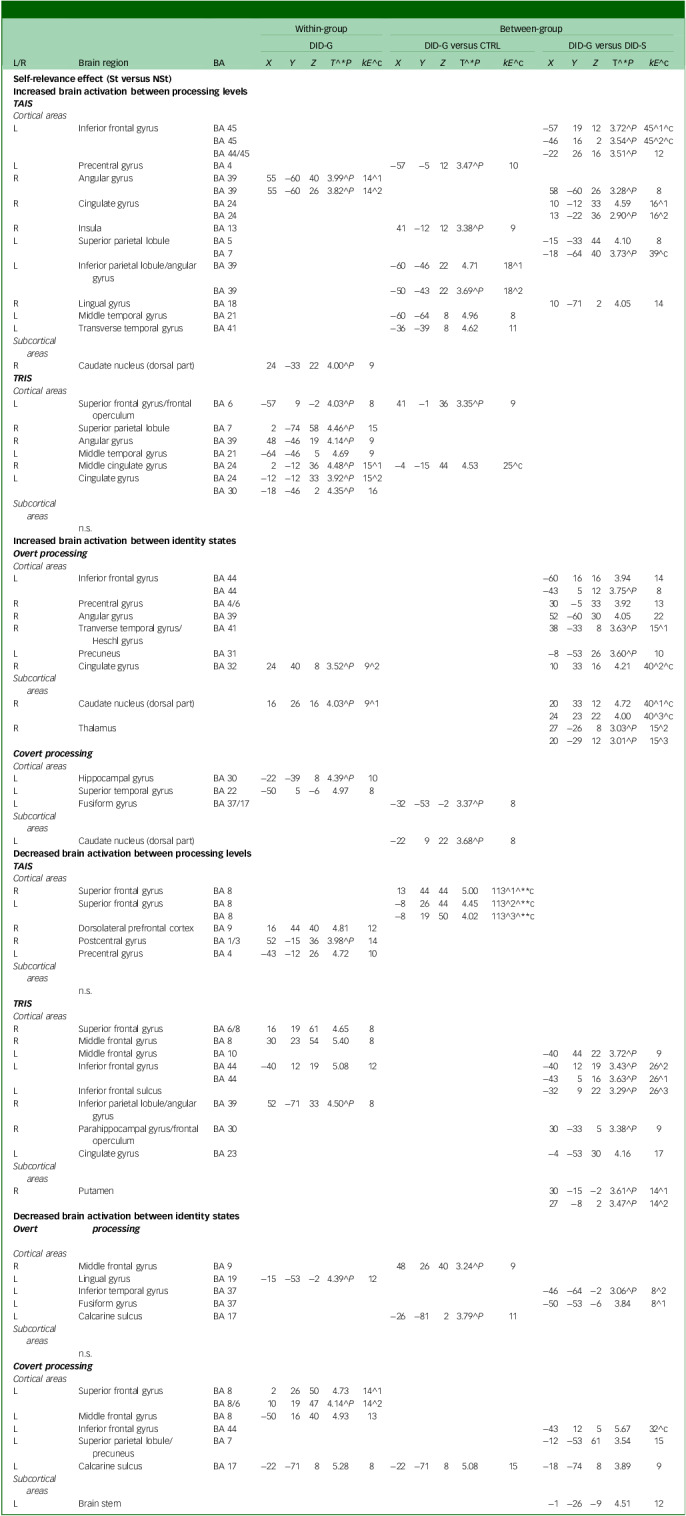 Figure 7
Peer Reviews
No public reviews on file for this paper yet. If you reviewed it on a platform where reviews are public (OpenReview, ICLR, NeurIPS, ICML), you can paste yours below so the community can read it here.
Videos
No videos yet. Explain this paper in a talk, walkthrough, or lecture? Add one.
Taxonomy
TopicsPsychosomatic Disorders and Their Treatments · Face Recognition and Perception · Personality Disorders and Psychopathology