Characterisation of MRI Appearance of the Spinal Cord Syrinx in the Whole Spectrum of Chiari Malformation
Suman Hela, Utpalendu Das, Sumit Chakraborty, Samir Rana

TL;DR
This study uses MRI to examine spinal cord syrinx in children with Chiari malformations, finding that syrinxes are most common in the cervico-dorsal region and are typically continuous and centrally located.
Contribution
The study provides a detailed MRI-based characterization of spinal cord syrinx in pediatric Chiari malformations, highlighting the lack of subtype-specific associations.
Findings
Syrinx was present in 43% of pediatric Chiari malformation cases, most commonly in the cervico-dorsal region.
Syrinx morphology was centrally located and continuous, with no eccentric or skip-pattern cavities observed.
Clinical features showed more lower motor neuron involvement than upper motor neuron signs.
Abstract
Chiari malformations constitute a spectrum of hindbrain anomalies characterized by downward herniation of posterior fossa structures through the foramen magnum and are frequently associated with spinal cord syrinx, a fluid-filled intramedullary cavity that can result in progressive neurological deficits. With the advent of MRI, accurate, non-invasive characterization of Chiari malformations and associated syrinx has become possible, particularly in pediatric populations where early detection is crucial. This hospital-based cross-sectional study was conducted between February 2020 and July 2021 at the Institute of Post-Graduate Medical Education and Research and Seth Sukhlal Karnani Memorial Hospital, Kolkata, and included 31 (100%) pediatric patients (<12 years) with suspected or confirmed Chiari malformations. MRI of the brain and spine was performed using a 3.0 Tesla system to…
Genes, proteins, chemicals, diseases, species, mutations and cell lines named across the full text — each resolved to its canonical identifier and authoritative record.
Click any figure to enlarge with its caption.
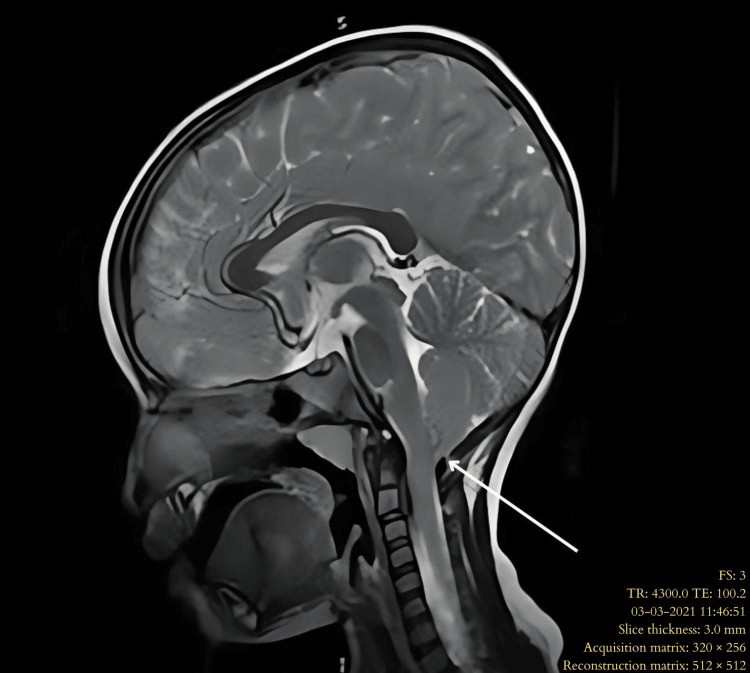 Figure 1
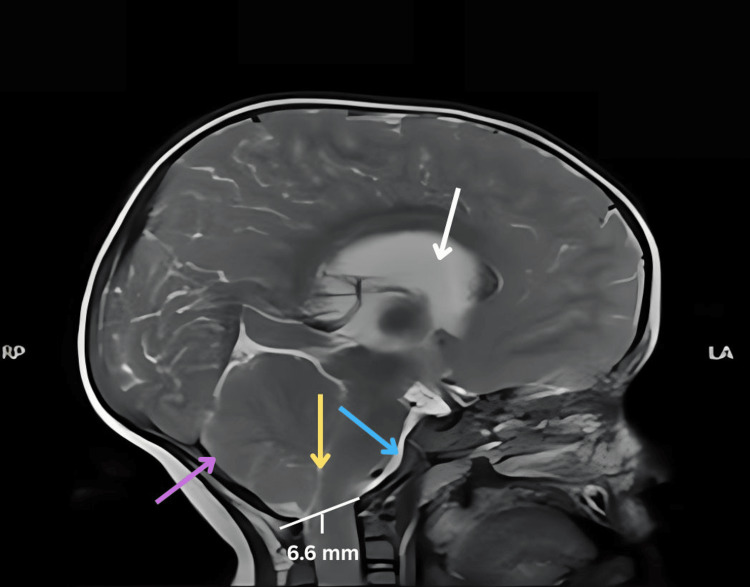 Figure 2
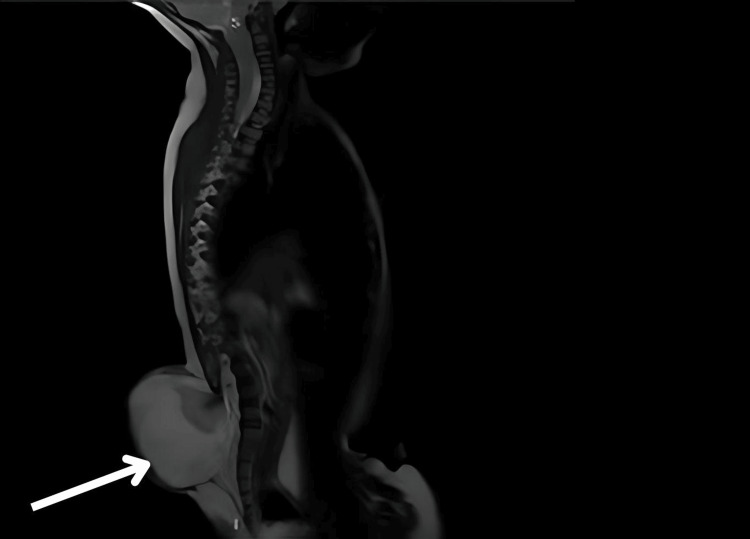 Figure 3
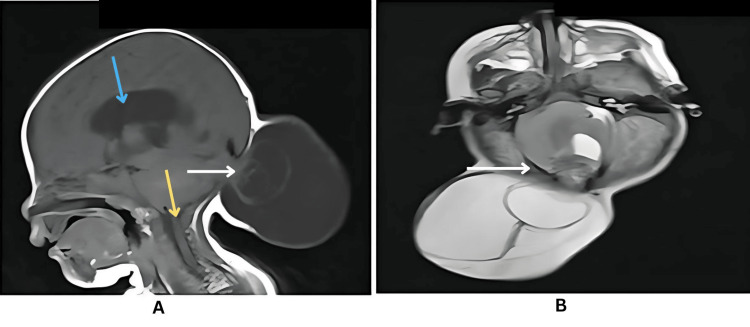 Figure 4
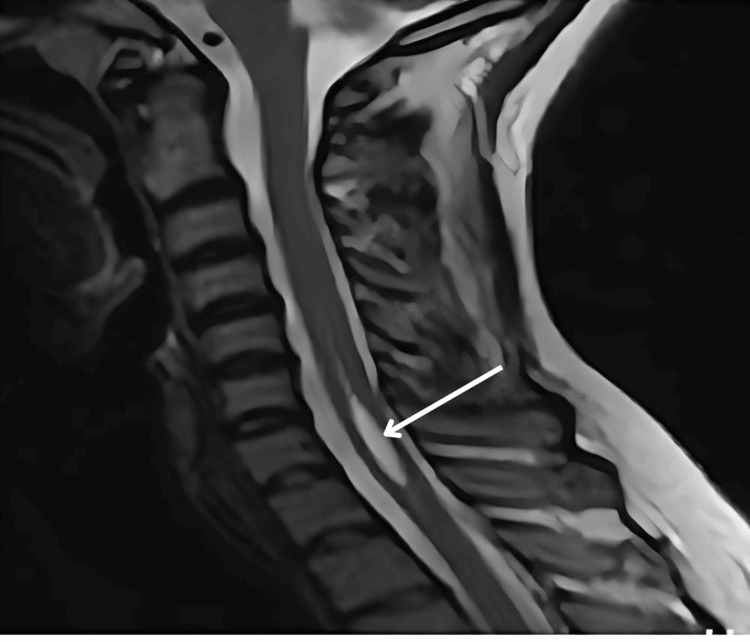 Figure 5
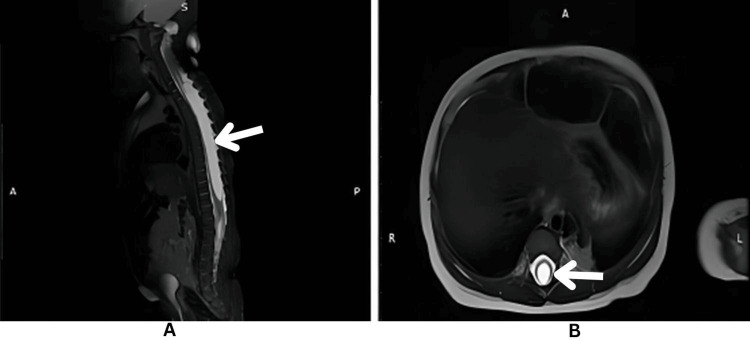 Figure 6
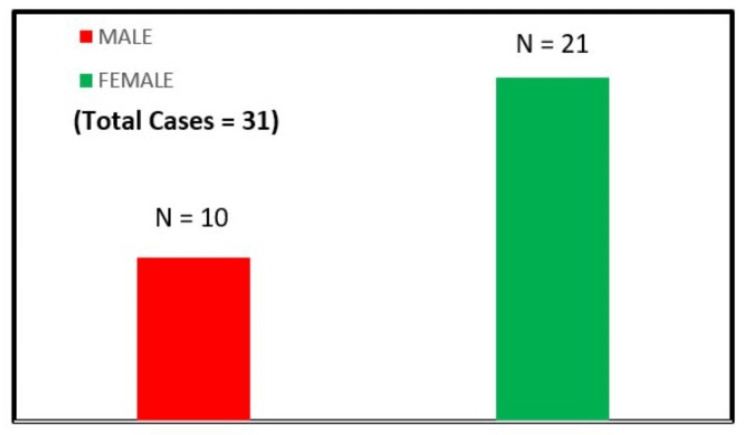 Figure 7
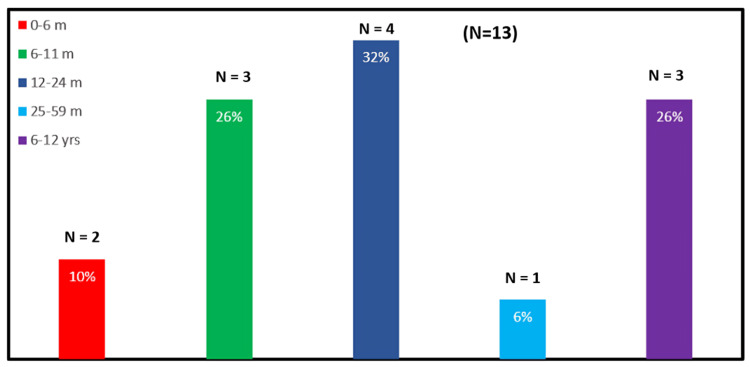 Figure 8
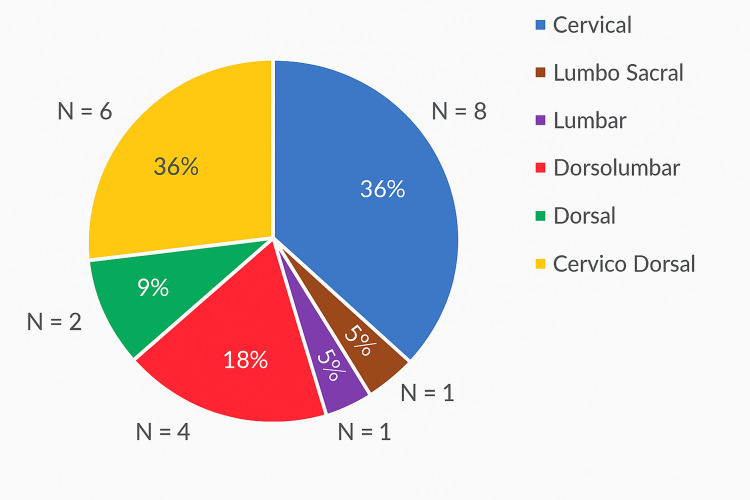 Figure 9
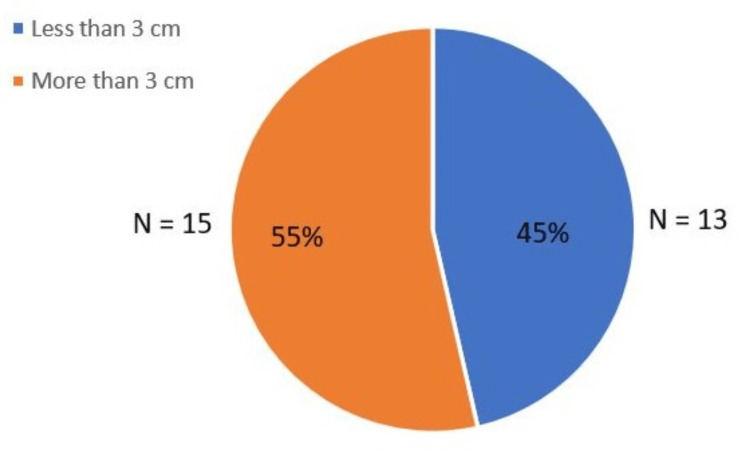 Figure 10
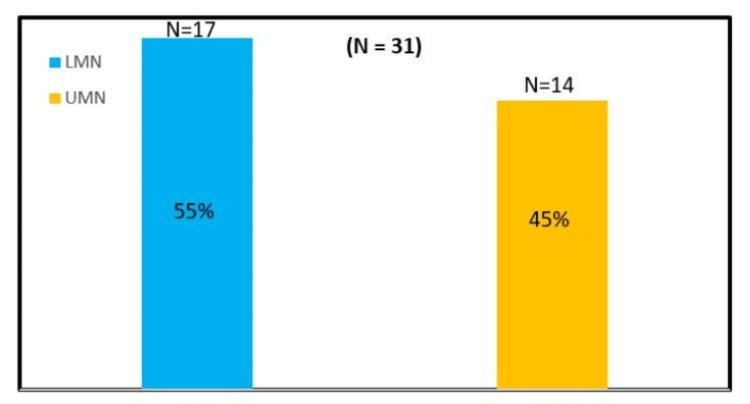 Figure 11
Peer Reviews
No public reviews on file for this paper yet. If you reviewed it on a platform where reviews are public (OpenReview, ICLR, NeurIPS, ICML), you can paste yours below so the community can read it here.
Videos
No videos yet. Explain this paper in a talk, walkthrough, or lecture? Add one.
Taxonomy
TopicsSpinal Dysraphism and Malformations · Spinal Cord Injury Research · Cervical and Thoracic Myelopathy