Clusterin protects against HFpEF by inhibiting UCHL1-mediated NLRP3 deubiquitylation and inflammasome activation
Jiangling Yu, Xiaoxu Kang, Rui Chang, Cheng Zhang, Song Yang, Lang Chen, Xinbo Wang, Bing Hu, Zixuan Wang, Lili Gong, Lihong Liu

TL;DR
Clusterin reduces heart disease by blocking a harmful inflammation pathway, offering a new treatment approach for heart failure with preserved ejection fraction.
Contribution
This study identifies a novel mechanism by which Clusterin alleviates HFpEF through the UCHL1–NLRP3 signaling axis.
Findings
Clusterin overexpression improves diastolic function and reduces inflammation and fibrosis in HFpEF mice.
Clusterin inhibits UCHL1-mediated NLRP3 deubiquitylation, suppressing inflammasome activation and inflammation.
A synthetic Clusterin-derived peptide reduces cardiac fibrosis and inflammation in HFpEF mice.
Abstract
Heart failure with preserved ejection fraction (HFpEF) poses a serious threat to human health, but effective treatment strategies remain limited. Clusterin (CLU) is a multifunctional glycoprotein implicated in inflammation and tissue remodeling, but its role in HFpEF pathogenesis is not fully understood. The effects of CLU in a murine HFpEF model were investigated by adeno-associated virus (AAV)-mediated overexpression and liver-specific knockout approaches. Cardiac function in mice was evaluated by echocardiography, and myocardial inflammation and fibrosis were assessed using Masson’s trichrome staining, real-time qPCR, and Western blot analysis. Protein interactions were identified by immunoprecipitation–mass spectrometry (IP-MS). AAV-mediated CLU overexpression significantly improved diastolic function and reduced myocardial inflammation and fibrosis in HFpEF mice, whereas…
Genes, proteins, chemicals, diseases, species, mutations and cell lines named across the full text — each resolved to its canonical identifier and authoritative record.
Click any figure to enlarge with its caption.
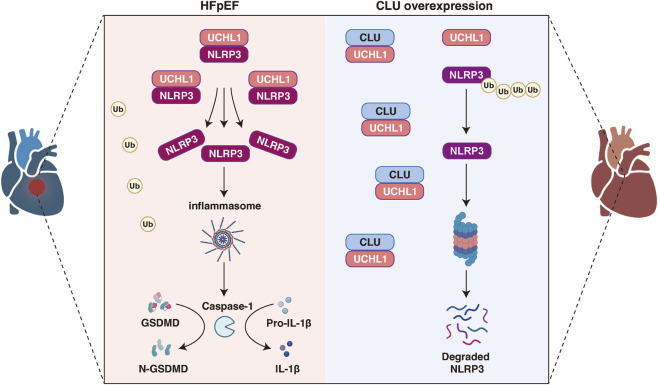 Figure 1
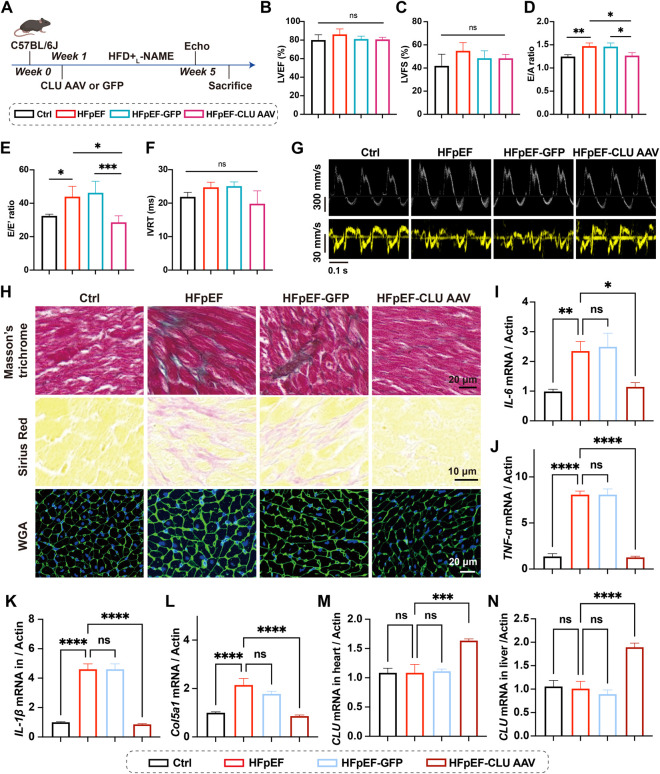 Figure 2
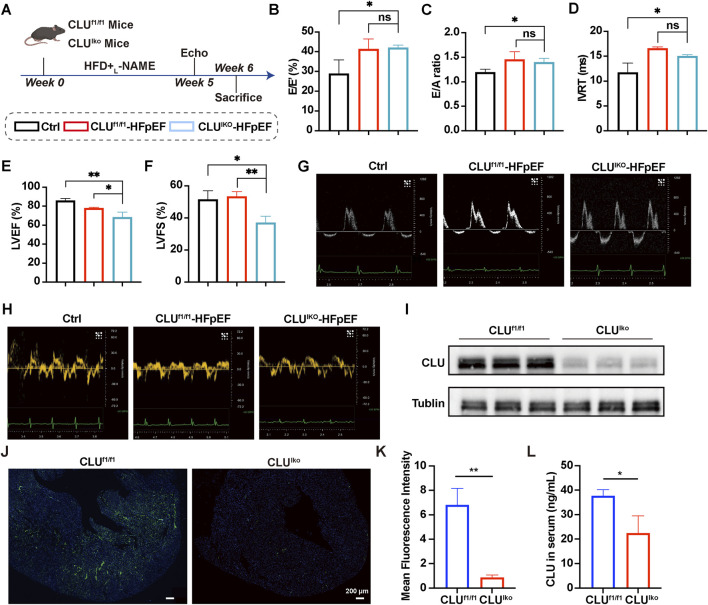 Figure 3
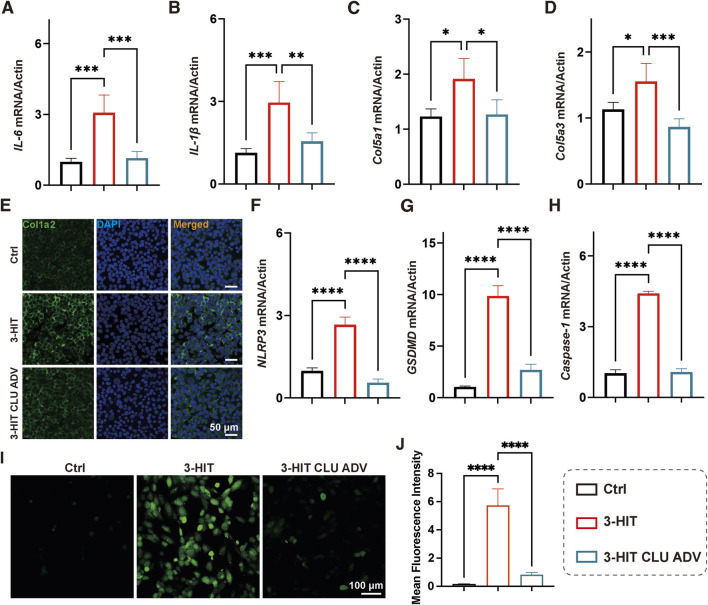 Figure 4
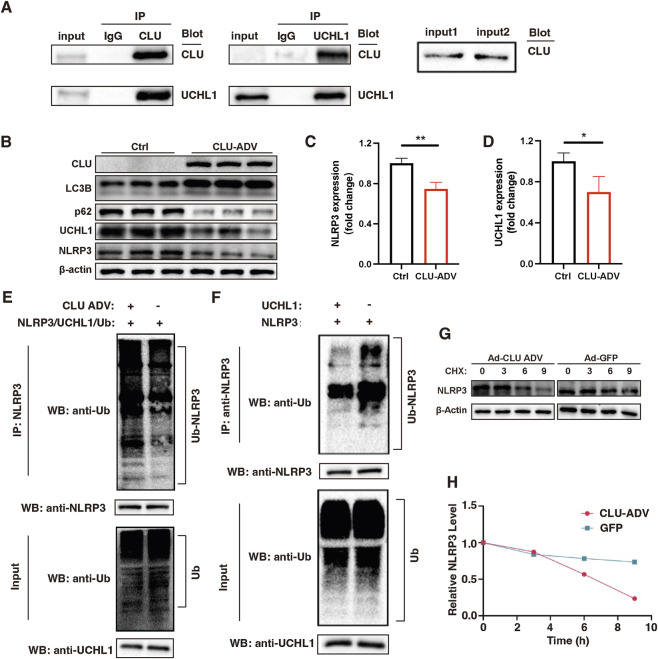 Figure 5
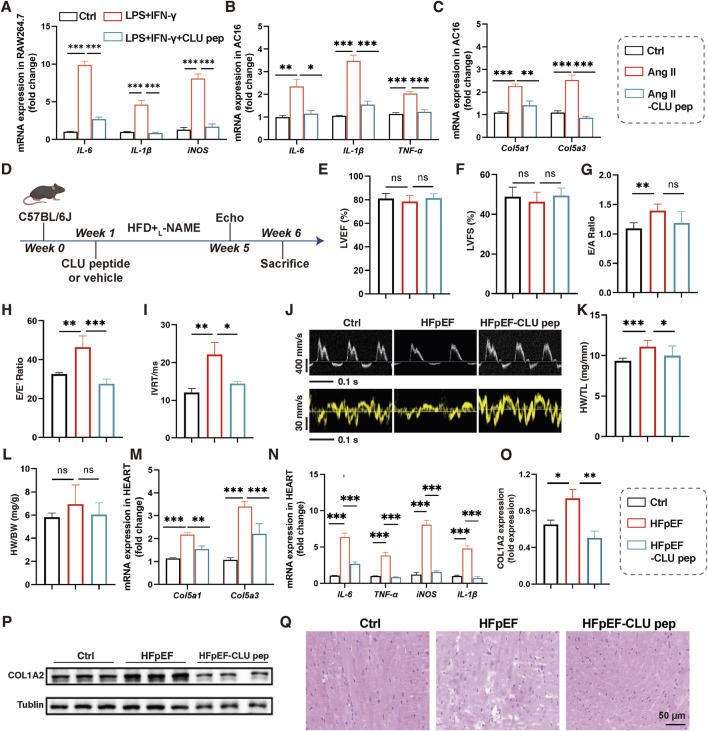 Figure 6
Peer Reviews
No public reviews on file for this paper yet. If you reviewed it on a platform where reviews are public (OpenReview, ICLR, NeurIPS, ICML), you can paste yours below so the community can read it here.
Videos
No videos yet. Explain this paper in a talk, walkthrough, or lecture? Add one.
Taxonomy
TopicsClusterin in disease pathology · S100 Proteins and Annexins · Caveolin-1 and cellular processes