Inducible Ift88‐deficient mice show features consistent with mild pulmonary hypertension
Selina M. Garcia, Benjamin J. Lantz, Helen J. Wagner, David T. Jones, Rene Arechiga‐Gonzalez, Tamara A. Howard, Sana Gul, Terry H. Wu, Thomas F. Byrd, Olivia C. Heath, Laura V. Gonzalez Bosc

TL;DR
Deleting the Ift88 gene in mice leads to signs of mild pulmonary hypertension, including increased lung artery pressure and thickened artery walls.
Contribution
This study demonstrates that global Ift88 deficiency in mice can cause features of pulmonary hypertension.
Findings
Ift88-deficient mice showed increased right ventricular systolic pressure.
Resistance artery walls in the lungs showed increased cell proliferation and thickening.
No evidence of lung inflammation or EndMT was observed at early time points.
Abstract
Intraflagellar transport protein 88 (IFT88) is essential for primary and motile cilia formation. In murine models and humans, Ift88 mutations contribute to renal cysts, epithelial proliferation and impaired immune responses. In mice, Ift88 knockout (KO) reduces airway cilia, increases airway epithelial proliferation and hyperreactivity, elevates IL‐22 and decreases lung T regulatory cells. Pulmonary hypertension (PH) is a deadly disease marked by aberrant metabolism and immunoinflammatory mediators causing vasoconstriction and vascular remodeling. Endothelial‐to‐mesenchymal transition (EndMT) contributes to PH, and endothelial‐specific Ift88 KO promotes endothelial proliferation and EndMT. We hypothesized that global loss of Ift88 causes PH. We assessed PH indices at 2 and 14 weeks postdeletion in tamoxifen‐inducible Ift88 KO mice. These mice showed signs of PH, including increased…
Genes, proteins, chemicals, diseases, species, mutations and cell lines named across the full text — each resolved to its canonical identifier and authoritative record.
Click any figure to enlarge with its caption.
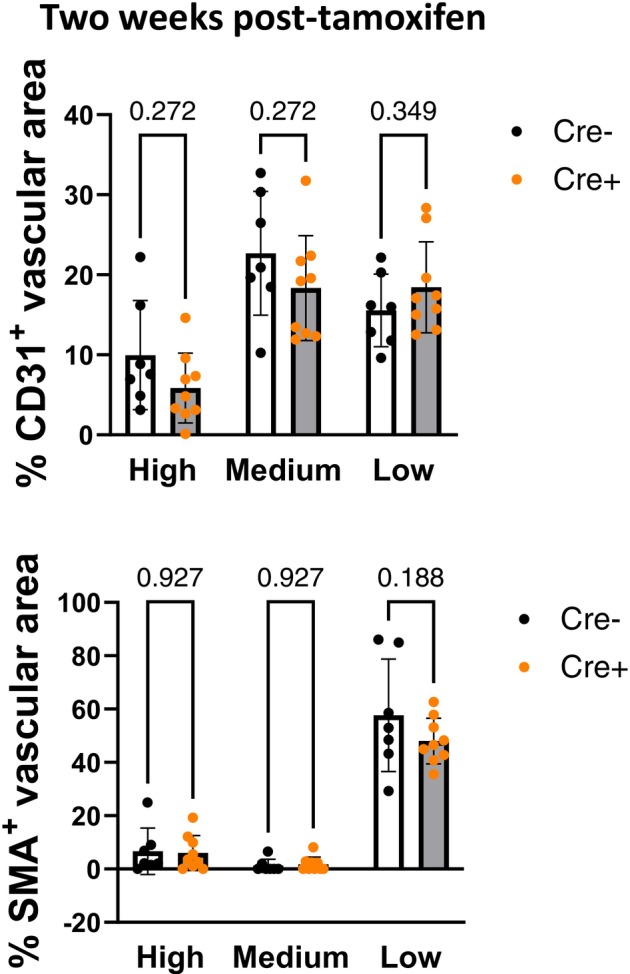 Figure 1
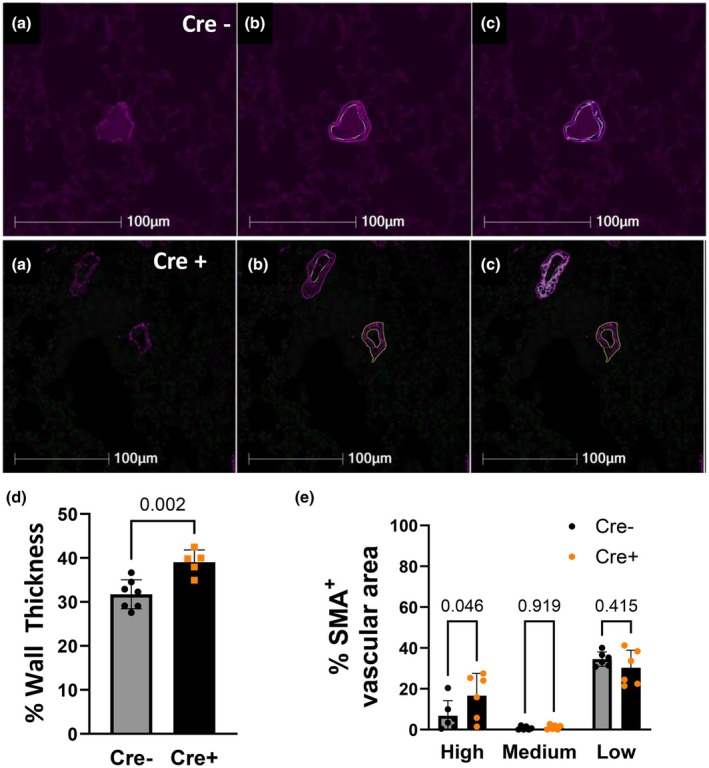 Figure 2
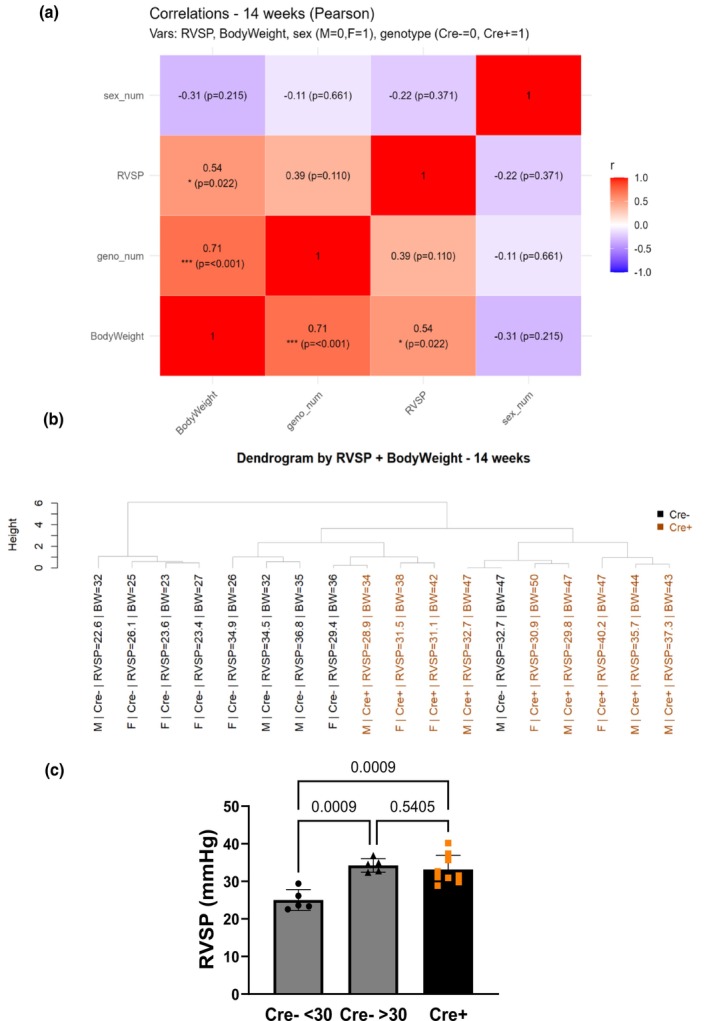 Figure 3
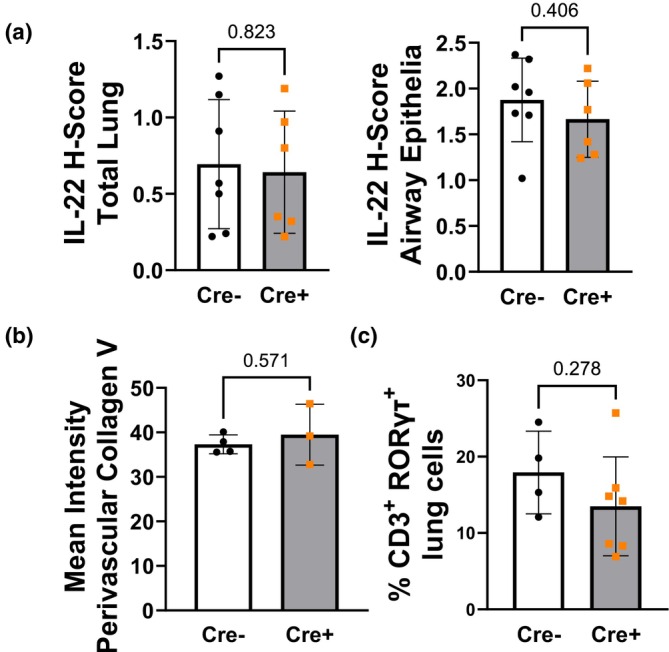 Figure 4
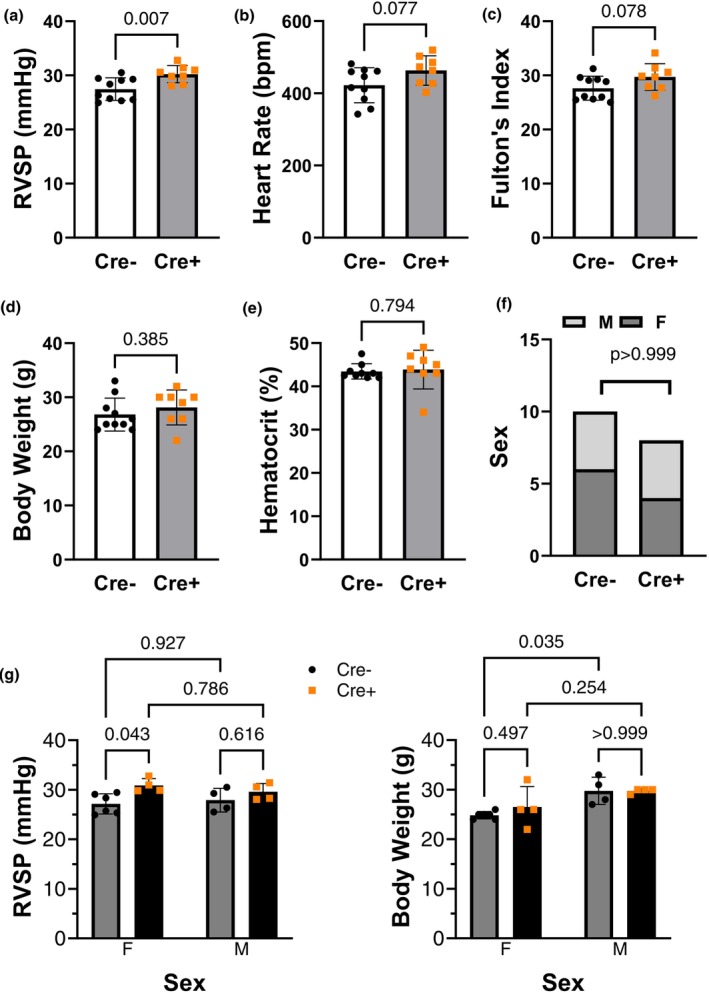 Figure 5
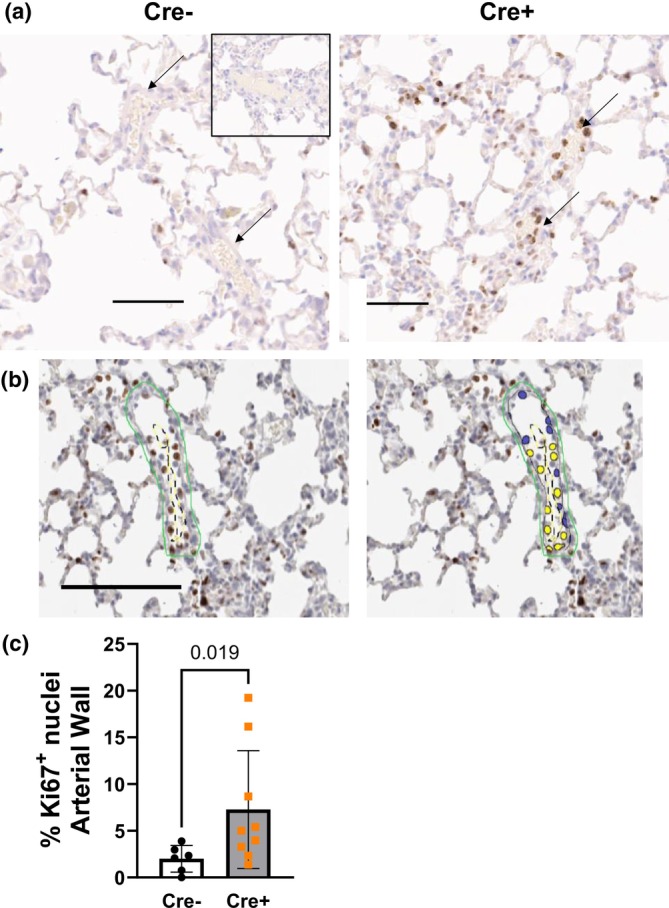 Figure 6
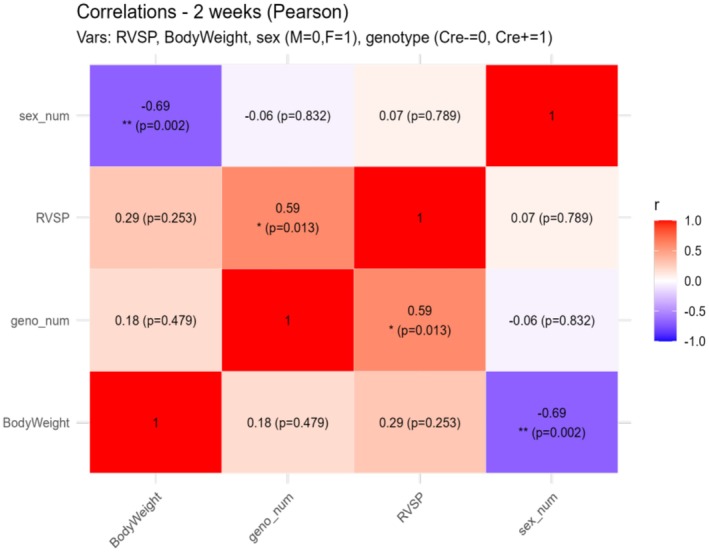 Figure 7
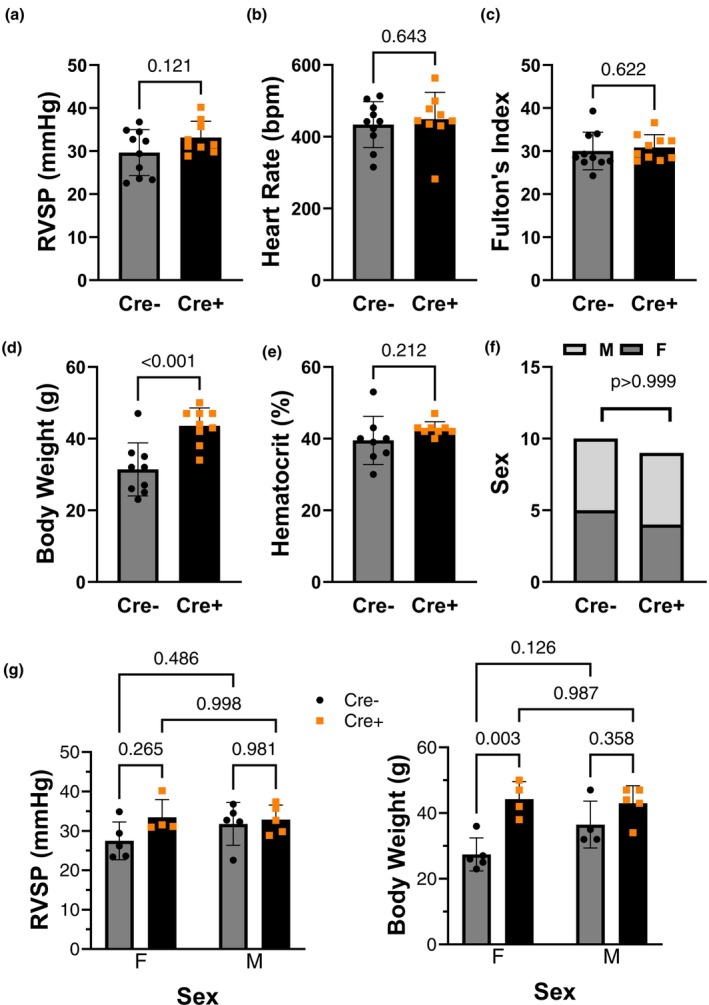 Figure 8
Peer Reviews
No public reviews on file for this paper yet. If you reviewed it on a platform where reviews are public (OpenReview, ICLR, NeurIPS, ICML), you can paste yours below so the community can read it here.
Videos
No videos yet. Explain this paper in a talk, walkthrough, or lecture? Add one.
Taxonomy
TopicsGenetic and Kidney Cyst Diseases · Cystic Fibrosis Research Advances · Neonatal Respiratory Health Research