Processing-induced changes in neuroprotective components and mechanisms of gardeniae fructus: integrating UPLC-Q-TOF-MS/MS, network pharmacology, and in vitro analysis
Le Sun, Ziyu Hou, Wenjie Wang, Peiling Wu, Pei Ma, Jiali Huang, Leyang Fan, Lijia Xu, Haibo Liu, Peigen Xiao

TL;DR
This study investigates how processing Gardeniae Fructus into GFC changes its chemical composition and neuroprotective effects, identifying key compounds like geniposide and crocetin.
Contribution
The study integrates UPLC-Q-TOF-MS/MS, network pharmacology, and in vitro analysis to reveal processing-induced changes and neuroprotective mechanisms in Gardeniae Fructus.
Findings
Processing increases crocetin levels through glycoside–aglycone conversion.
Geniposide and crocetin inhibit neuroinflammation and ferroptosis via TLR4/NF-κB suppression and Nrf2 activation.
Crocetin is proposed as a potential marker for GFC.
Abstract
Gardeniae Fructus (GF), the dried fruit of Gardenia jasminoides J. Ellis, has been used in East Asian medicine for centuries. Its carbonized form, Gardeniae Fructus Carbonisatus (GFC), is produced through processing, yet the effects of this transformation on active constituents and neuroprotective mechanisms remain unclear. This study aims to elucidate the key compositional changes induced by processing and explore their relevance to neuroprotective activity. After obtaining GF and GFC extracts via CO₂ supercritical fluid extraction (SFE), UPLC-Q-TOF-MS/MS was employed for qualitative analysis of differential compounds. A pathology-specific network pharmacology screening approach, combined with UPLC-UV-DAD, was applied to quantify major bioactive differential components. Finally, in vitro models and molecular pharmacology techniques were utilized to validate the neuroprotective effects…
Genes, proteins, chemicals, diseases, species, mutations and cell lines named across the full text — each resolved to its canonical identifier and authoritative record.
Click any figure to enlarge with its caption.
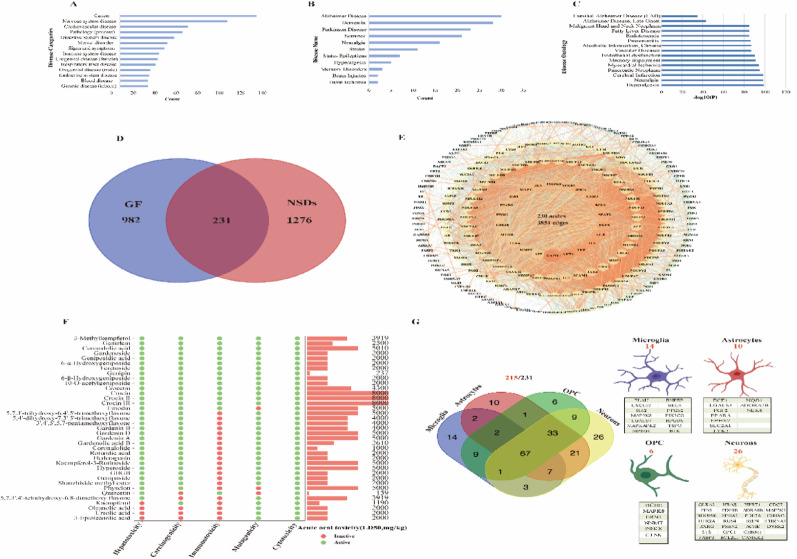 Figure 1
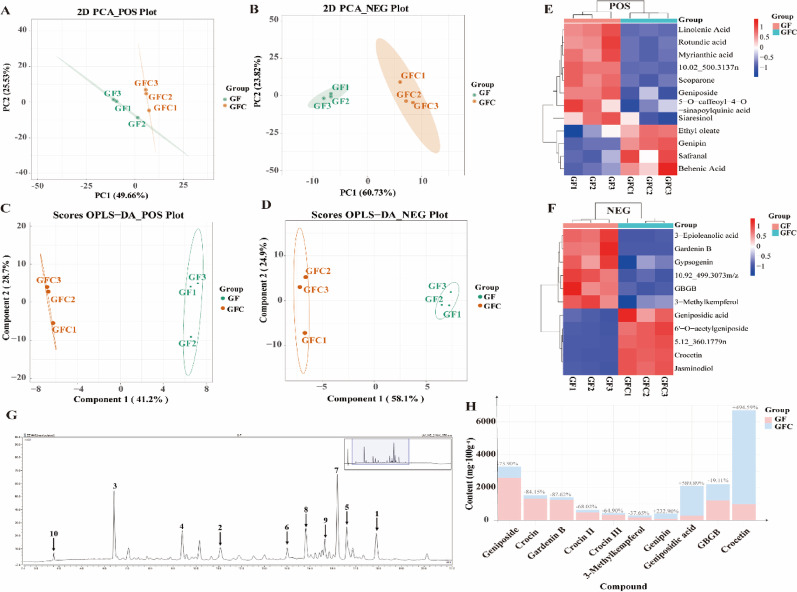 Figure 2
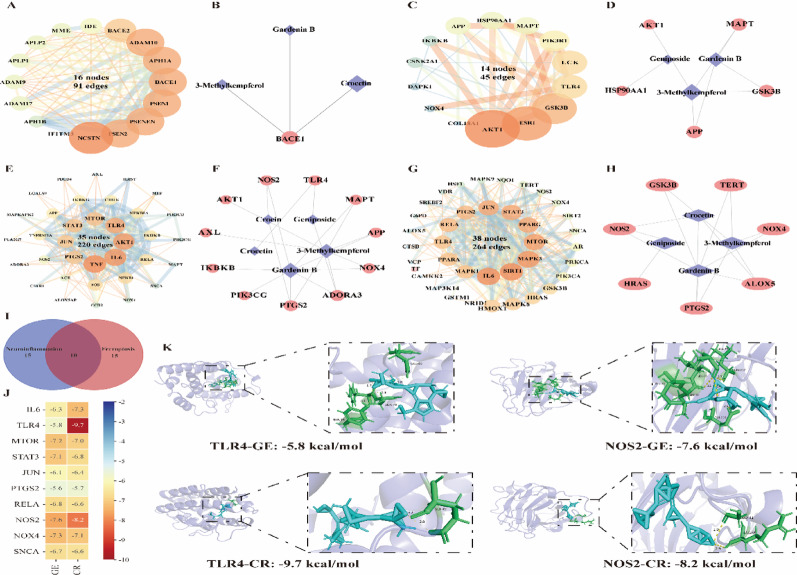 Figure 3
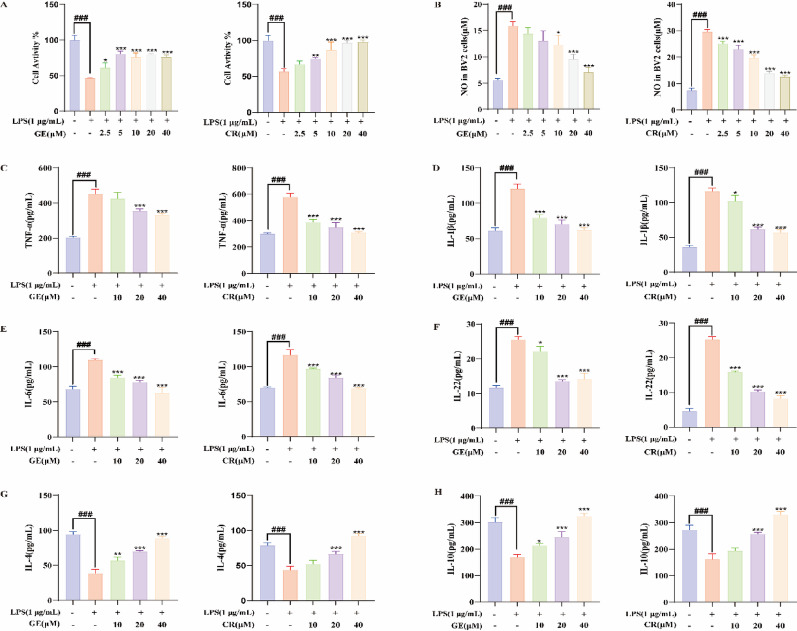 Figure 4
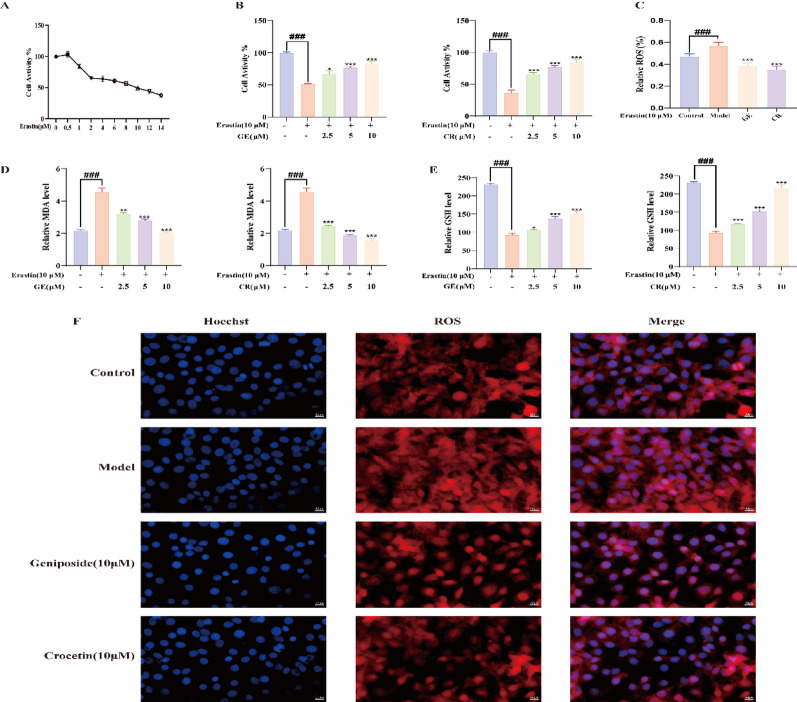 Figure 5
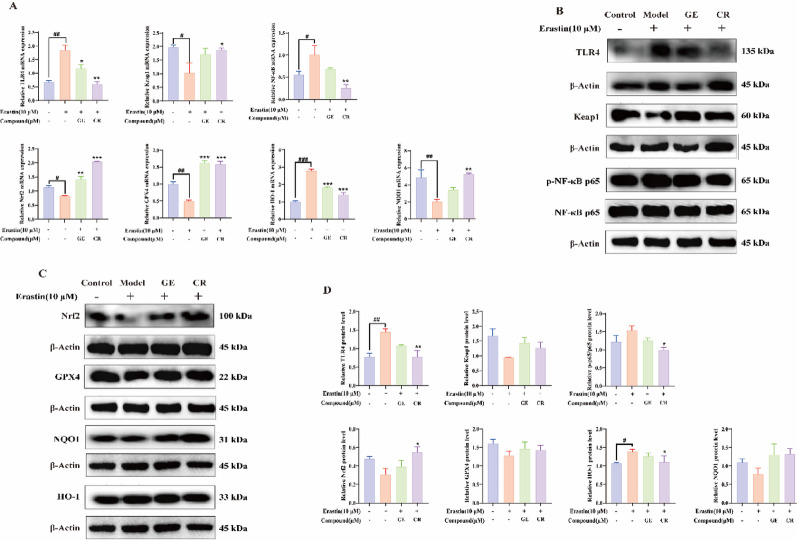 Figure 6
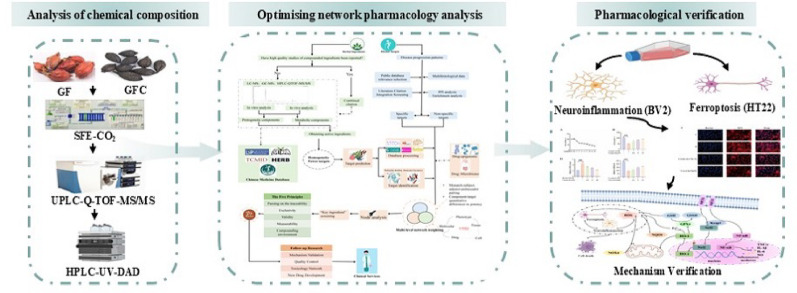 Figure 7
Peer Reviews
No public reviews on file for this paper yet. If you reviewed it on a platform where reviews are public (OpenReview, ICLR, NeurIPS, ICML), you can paste yours below so the community can read it here.
Videos
No videos yet. Explain this paper in a talk, walkthrough, or lecture? Add one.
Taxonomy
TopicsSaffron Plant Research Studies · Flavonoids in Medical Research · Traditional Chinese Medicine Analysis