Therapeutic Potential of Resveratrol in Cancer and Neurodegenerative Disorders: A Current Review
Kenly Wuputra, Chia‐Che Ku, Ying‐Chu Lin, Yi‐Chun Tsai, Deng‐Chyang Wu, Yukio Mitsui, Maki Satou, Yuuki Tanaka, Shigeo Saito, Kazunari K. Yokoyama

TL;DR
Resveratrol shows promise in treating cancer and neurodegenerative diseases by targeting multiple biological pathways, but its effectiveness is limited by poor solubility and bioavailability.
Contribution
This review highlights resveratrol's multi-target therapeutic potential and the need for improved delivery methods to enhance its clinical application.
Findings
Resveratrol modulates pathways like TP53, NRF2, and NF-κB to induce cancer cell death.
Poor bioavailability and stability of resveratrol require advanced delivery strategies like nanoencapsulation.
Resveratrol's antioxidant effects involve ROS regulation and activation of SIRT1 and AMPK signaling.
Abstract
Resveratrol (RSV; 3,5,4′‐trihydroxy‐trans‐stilbene) is a natural polyphenolic compound with notable antioxidant, anti‐inflammatory, and immunomodulatory properties. It has been investigated for therapeutic applications in cardiovascular disease, cancer, and neurodegenerative disorders. This review emphasizes the potential of RSV in oncology and neuroprotection, synthesizing evidence from systematic database searches and experimental studies. Despite promising biological activities, RSV is limited by poor stability, low aqueous solubility, rapid metabolism, and restricted bioavailability, necessitating improved delivery strategies such as nanoencapsulation, nanocrystals, prodrugs, and structural analogues. Mechanistically, RSV exerts anticancer and neuroprotective effects through modulation of p53, STAT3, NF‐κB, and mitochondrial‐mediated apoptosis. Its antioxidant actions involve…
Genes, proteins, chemicals, diseases, species, mutations and cell lines named across the full text — each resolved to its canonical identifier and authoritative record.
Click any figure to enlarge with its caption.
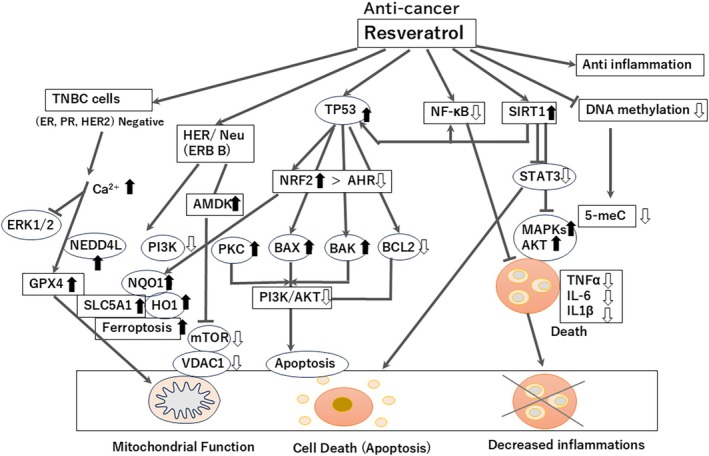 Figure 1
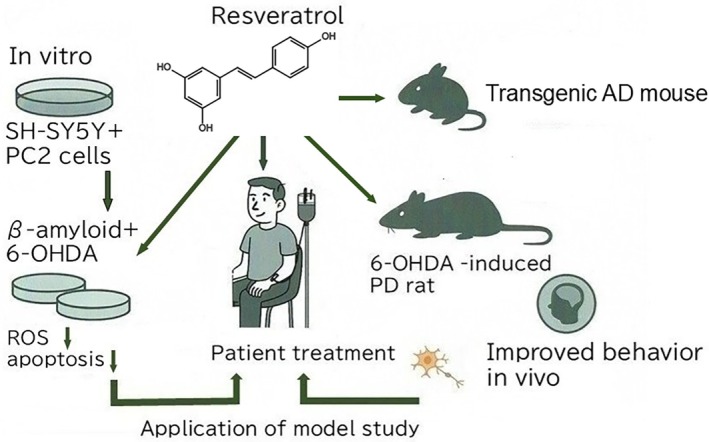 Figure 2
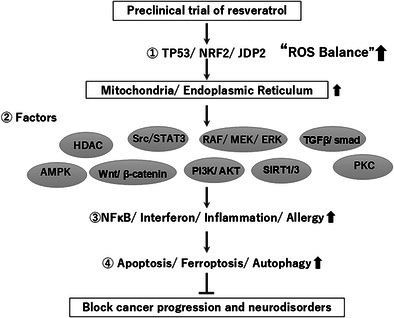 Figure 3
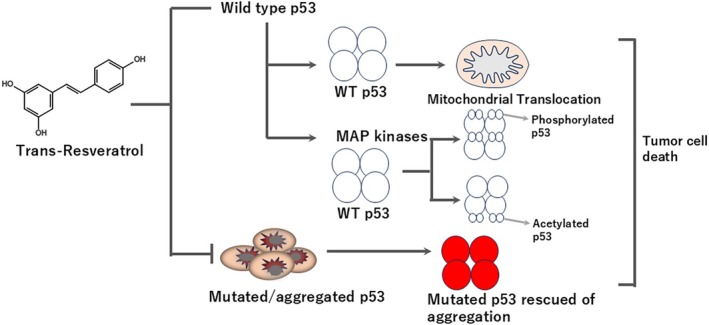 Figure 4
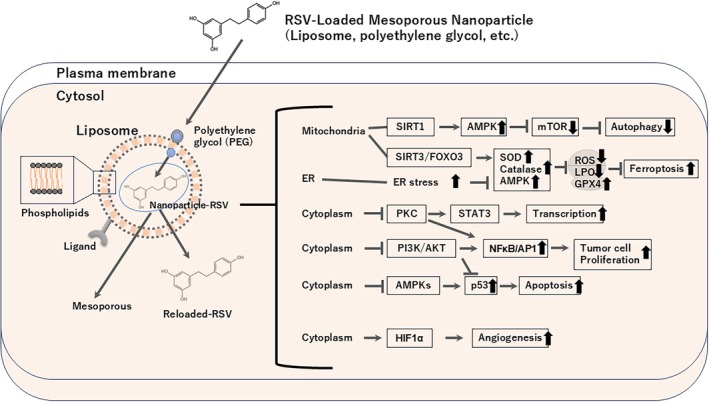 Figure 5
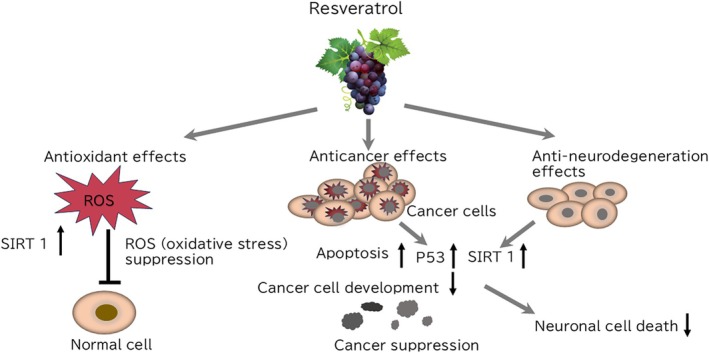 Figure 6
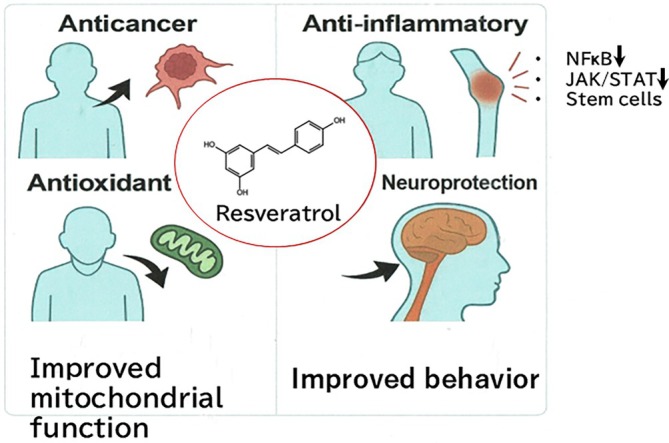 Figure 7
Peer Reviews
No public reviews on file for this paper yet. If you reviewed it on a platform where reviews are public (OpenReview, ICLR, NeurIPS, ICML), you can paste yours below so the community can read it here.
Videos
No videos yet. Explain this paper in a talk, walkthrough, or lecture? Add one.
Taxonomy
TopicsSirtuins and Resveratrol in Medicine · Bioactive natural compounds · Genomics, phytochemicals, and oxidative stress