Propensity score analysis using the freely available user-friendly software EZR (Easy R)
Yoshinobu Kanda

TL;DR
EZR is a free, user-friendly statistical software that simplifies complex analyses like propensity score matching for researchers.
Contribution
The paper introduces procedures for performing propensity score analysis using the EZR software.
Findings
EZR supports PS matching and inverse probability weighting for causal inference.
PS analysis in EZR is compared with conventional multivariate methods.
EZR has been widely adopted, with over 14,000 citations as of 2025.
Abstract
EZR (Easy R) is a statistical software package that is freely available on our website (https://www.jichi.ac.jp/usr/hema/EZR/statmed.html) and can be used on both Windows (Microsoft Corporation, USA) and macOS (Apple, USA) systems. EZR is built on R and R Commander and offers a range of statistical functions, including survival analyses with competing risks or time-dependent covariates, receiver operating characteristic curve analyses, meta-analyses, and sample size calculations, all accessible through a point-and-click graphical interface. A previous report that described the installation and basic operation of EZR (“Investigation of the freely available easy-to-use software ‘EZR’ for medical statistics”, Bone Marrow Transplant, 2013) has been cited in more than 14,000 scientific papers as of November 2025. This report describes the procedures for performing propensity score (PS)…
Genes, proteins, chemicals, diseases, species, mutations and cell lines named across the full text — each resolved to its canonical identifier and authoritative record.
Click any figure to enlarge with its caption.
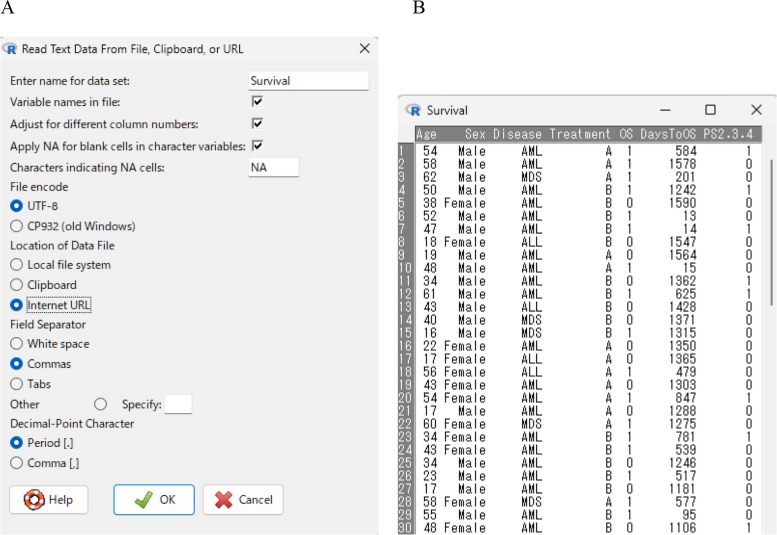 Figure 1
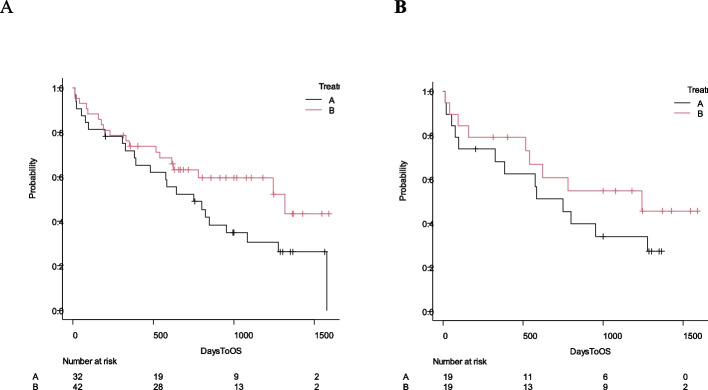 Figure 2
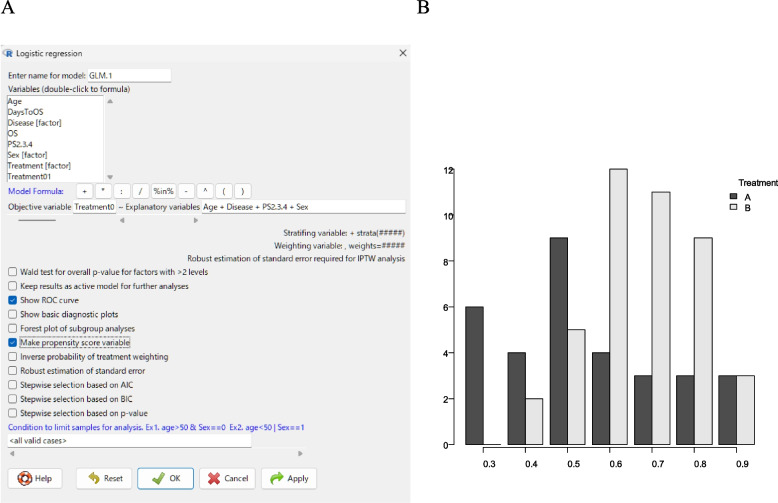 Figure 3
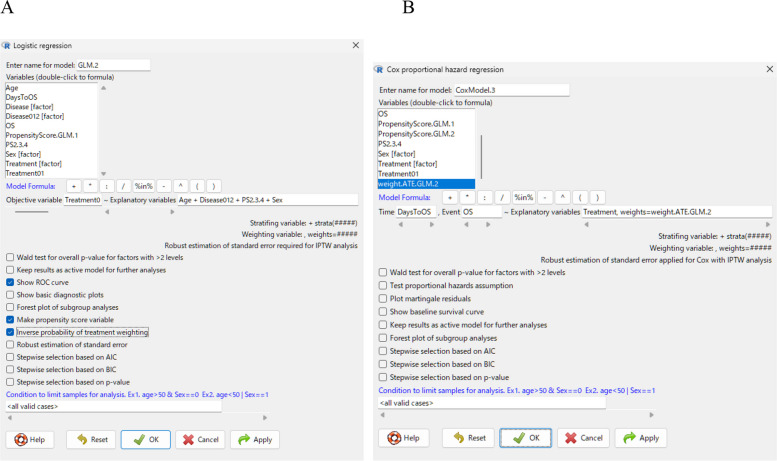 Figure 4
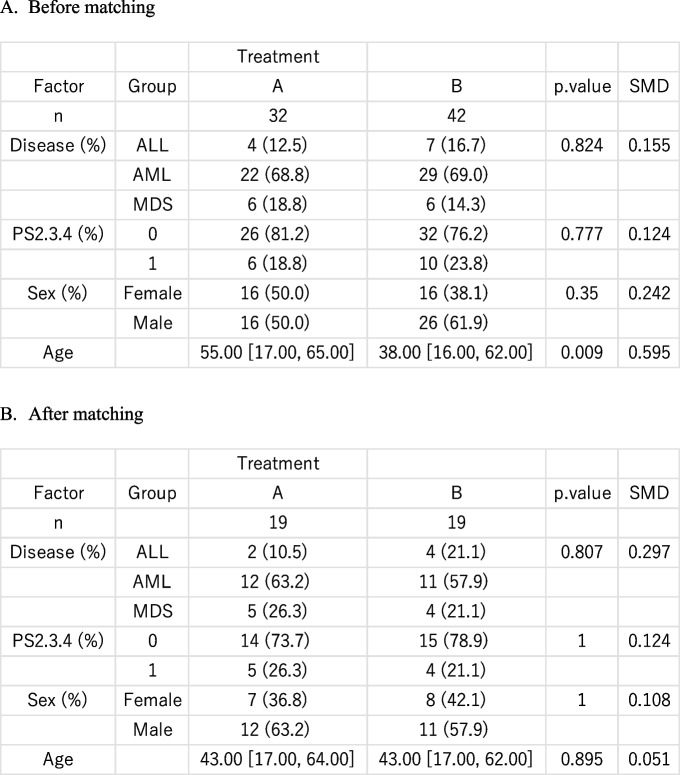 Figure 5
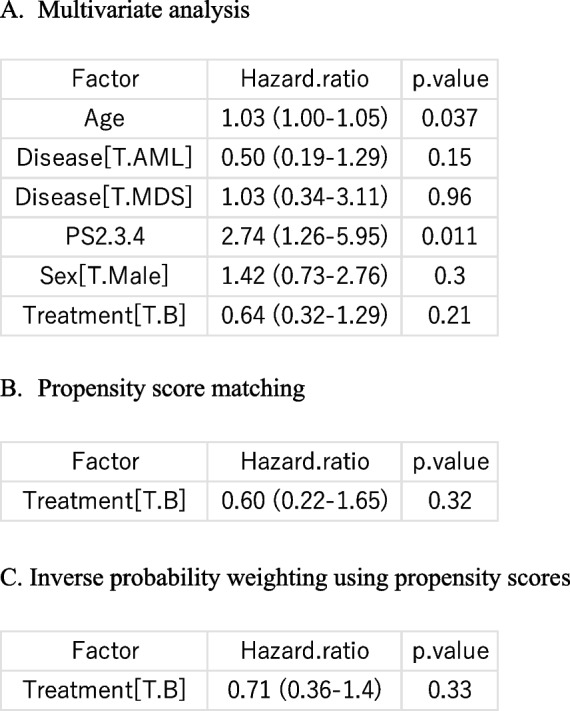 Figure 6
Peer Reviews
No public reviews on file for this paper yet. If you reviewed it on a platform where reviews are public (OpenReview, ICLR, NeurIPS, ICML), you can paste yours below so the community can read it here.
Videos
No videos yet. Explain this paper in a talk, walkthrough, or lecture? Add one.
Taxonomy
TopicsAdvanced Causal Inference Techniques · Statistical Methods and Bayesian Inference · Statistical Methods in Clinical Trials